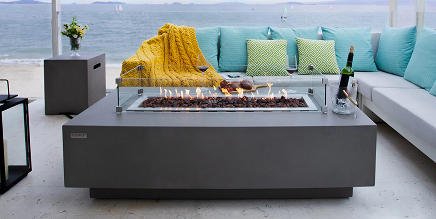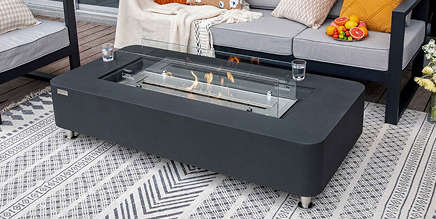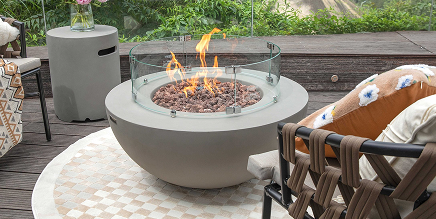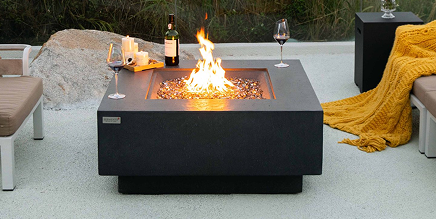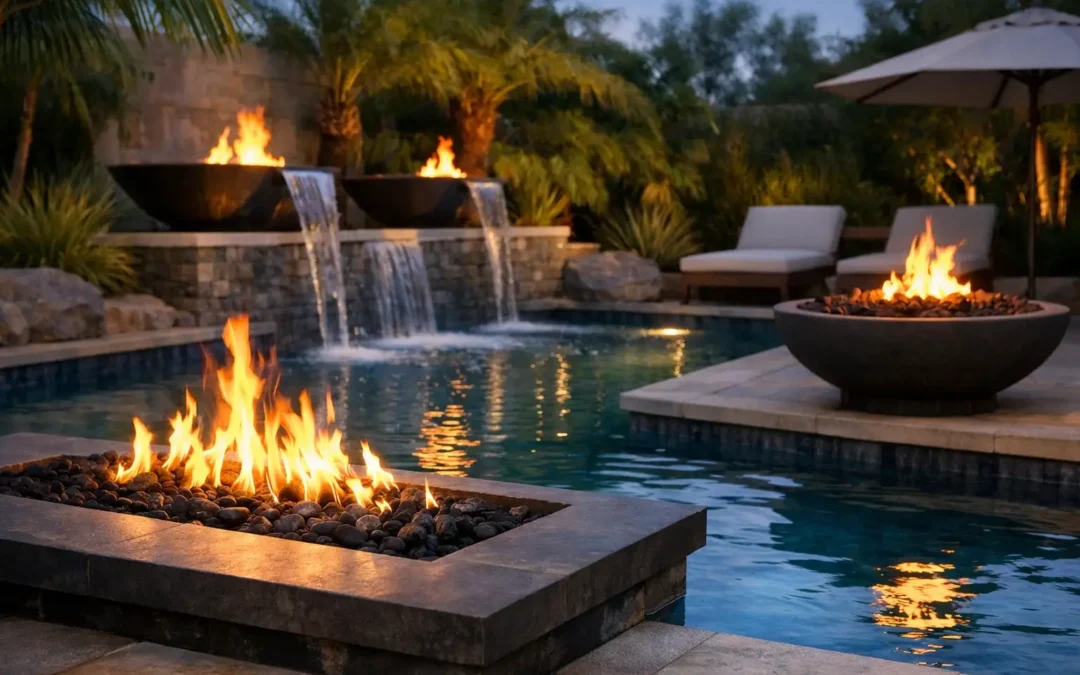
A pool can look finished on paper and still feel flat at night. The missing piece is often fire – not as an afterthought, but as a deliberate design element that gives the waterline, hardscape, and seating areas a stronger visual center. The best poolside fire features do more than add warmth. They shape the atmosphere, create symmetry, and make the entire outdoor space feel intentional.
For homeowners, builders, and designers working on premium outdoor spaces, the right choice comes down to more than style. Scale, material quality, installation conditions, wind exposure, fuel type, and finish coordination all matter. A beautiful flame feature that fights the site, overwhelms the coping, or ages poorly in a wet environment is not a luxury upgrade. It is a compromise.
What makes the best poolside fire features?
The strongest poolside fire features balance three things at once: visual impact, long-term durability, and clean integration with the surrounding architecture. That sounds obvious, but it is where many products fall short. A feature may photograph well and still look undersized against a large pool. Another may offer decent heat but clash with the tile, decking, or raised beam.
At poolside, materials matter more than they do on a standard patio. Constant exposure to moisture, splash-out, chemical drift, and changing temperatures puts pressure on finishes and structural components. That is why well-built fire features typically rely on materials such as aluminum and stainless steel rather than lower-grade metals that can degrade faster outdoors.
Design flexibility matters too. In high-end projects, the fire element should support the landscape plan, not interrupt it. The ability to coordinate color, profile, ignition style, and media can make the difference between a feature that feels custom and one that feels imported from a different project.
1. Fire bowls at the pool edge
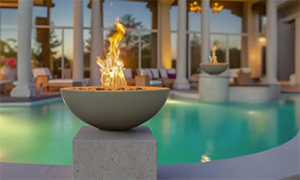
If one category defines the best poolside fire features, it is the fire bowl. Fire bowls are clean, sculptural, and easy to position in ways that reinforce the geometry of the pool. They work particularly well on columns, pilasters, entry points, and raised walls where the flame can be seen from inside the house as well as across the water.
Their biggest strength is compositional value. A pair of bowls can frame a spa spillway or anchor a formal pool axis. A single larger bowl can give an asymmetrical design a clear focal point. Because the shape is simple, the finish and flame become the statement.
This option is especially effective when buyers want a premium look without introducing the physical bulk of a full fire pit near circulation paths. It is also one of the easiest ways to coordinate fire with stone, tile, and coping details.
2. Water and fire bowls for combined effect
For pools built around spectacle and symmetry, combination water and fire bowls create a strong visual rhythm. The contrast of moving water under an active flame adds motion and sound without relying on oversized architectural elements.
These features are often used on raised bond beams or perimeter walls, where the water spill can return to the pool while the fire remains elevated and visible. They are particularly effective in formal layouts, geometric pool designs, and projects where the outdoor environment is intended to feel resort-level.
The trade-off is complexity. Combined units require more planning for plumbing, gas, drainage, and service access. They are worth it when the design calls for layered sensory impact, but they are usually not the first choice for a simpler remodel.
3. Linear fire features beside modern pools
A linear fire feature brings a different mood than a bowl. Instead of acting as a sculptural accent, it creates a long, low band of flame that works well with modern architecture and rectilinear pool designs. When set along a seating wall or outdoor lounge zone, it can visually extend the pool deck and make the entertaining area feel more connected.
This style works best when there is enough room to appreciate the length of the flame. In tight spaces, it can feel forced. In generous layouts, it delivers a strong contemporary look and often pairs well with minimalist furnishings and large-format hardscape materials.
Wind is a factor here. Long burner runs can be more visibly affected by site conditions, so placement and flame protection should be part of the planning conversation early.
4. Fire pits near, but not too near, the pool
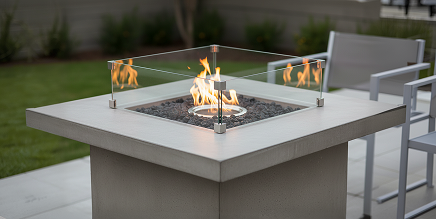
A fire pit remains one of the most social poolside options, especially in backyards designed for entertaining. It invites conversation, supports evening use beyond swimming hours, and gives guests a place to gather when the water is not the main activity.
That said, the best placement is usually adjacent to the pool environment rather than directly on the coping line. A fire pit needs breathing room for seating, circulation, and safety. When it is pushed too close to the water, the area can feel crowded and less functional.
For upscale projects, the fire pit should relate to the pool rather than compete with it. Material selection, shape, and height all need to support the broader landscape plan. A well-proportioned pit can add warmth and presence. A poorly scaled one can pull attention away from the water entirely.
5. Raised fire features on columns and pedestals
Elevated fire bowls or compact fire features mounted on architectural columns are often the right answer for formal pool entries and grand backyard layouts. Raising the flame increases visibility and gives the fire a more ceremonial presence, particularly when viewed from a distance or from inside the home.
This approach works well in larger properties where low-profile features might disappear against expansive decking or landscaping. It also helps keep the flame distinct from furniture and guest traffic.
The key is proportion. Oversized columns can feel heavy if the bowl is too small, while undersized supports can look unstable. When these elements are balanced properly, they add structure and elegance without cluttering the pool perimeter.
6. Tabletop fire bowls in secondary pool zones
Not every poolside fire feature needs to be a major installation. In smaller luxury spaces or layered outdoor plans, tabletop fire bowls can add flame to bar areas, sun shelf lounges, or secondary seating pockets without introducing a large permanent footprint.
They are best used as supporting elements rather than the main attraction. A tabletop bowl can complete an outdoor room and make intimate seating areas feel finished, especially in projects where a larger feature already anchors the main axis.
This is also one of the more flexible options for homeowners who want ambiance with less construction. The limitation is scale. A tabletop bowl adds atmosphere, but it will not deliver the same architectural presence as a built-in poolside installation.
7. Custom-colored fire features for design continuity
In many premium projects, the most successful choice is not defined only by shape. It is defined by finish. A fire feature that matches or complements surrounding stone, tile, plaster tones, or metal accents will almost always look more expensive and more intentional than an off-the-shelf piece in a generic color.
That is why customization plays such a large role in the best poolside fire features. When buyers can coordinate the fire bowl finish with the broader material palette, the result feels integrated rather than added on later. This is particularly valuable for designers and builders managing client expectations at the high end of the market.
A custom finish will not rescue poor placement or weak construction, but it can elevate a strong design from good to exceptional.
How to choose the best poolside fire features for your layout
The right fire feature depends on how the pool is used and how the backyard is viewed. If the priority is a dramatic visual statement from the house, elevated bowls or water-and-fire combinations often make the most sense. If the goal is social warmth for evening entertaining, a fire pit or linear feature near seating may do more practical work.
Site conditions matter just as much as aesthetics. Wind exposure, available gas service, access for installation, and surrounding materials all influence performance. The feature should also fit the scale of the pool. Small bowls can look elegant on compact plunge pools, while larger custom pools often need more substantial flame elements to hold their own visually.
For trade professionals, reliability and finish consistency matter as much as appearance. Handcrafted, American-made units with durable materials and clear installation compatibility tend to reduce surprises on job sites and hold up better in demanding outdoor conditions. That is one reason design-driven builders often prefer specialized manufacturers over mass-market décor brands.
Installation quality matters as much as the feature itself
Even the best-designed fire bowl will disappoint if installation is rushed or poorly coordinated. Gas pressure, burner sizing, drainage, ignition access, and mounting details all affect how the feature performs over time. Near a pool, that coordination becomes even more important because moisture and splash conditions can expose weak points faster.
A premium product deserves equally thoughtful planning. Homeowners should expect clear specifications and accessory compatibility. Builders and designers should expect dependable construction that supports a clean install, not field improvisation.
When the fire feature is chosen well and installed correctly, it changes the backyard after dark. Water reflects the flame, gathering spaces stay active longer, and the entire project takes on more depth. If you are investing in a high-end pool environment, choose a fire feature that looks like it belongs there for years, not just for the reveal.