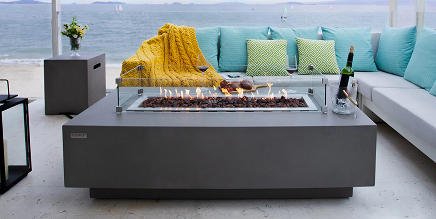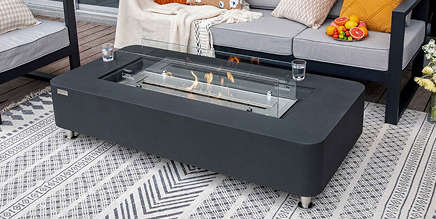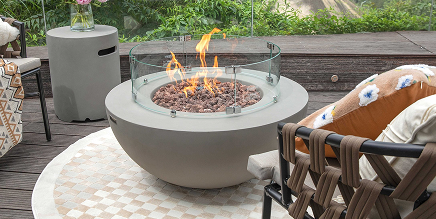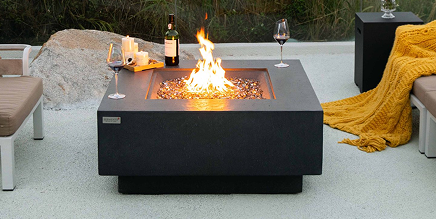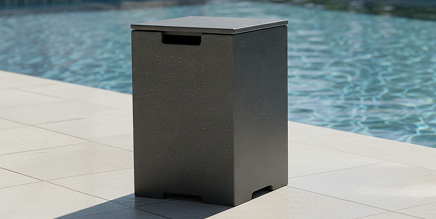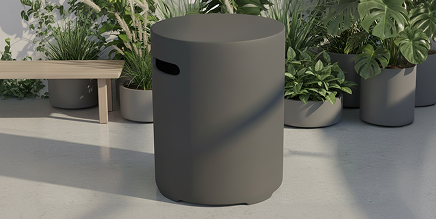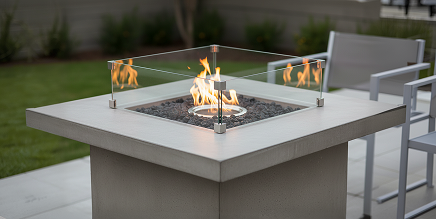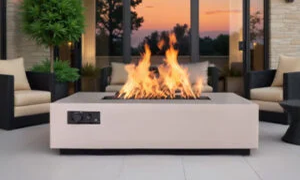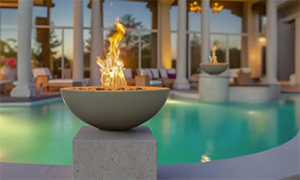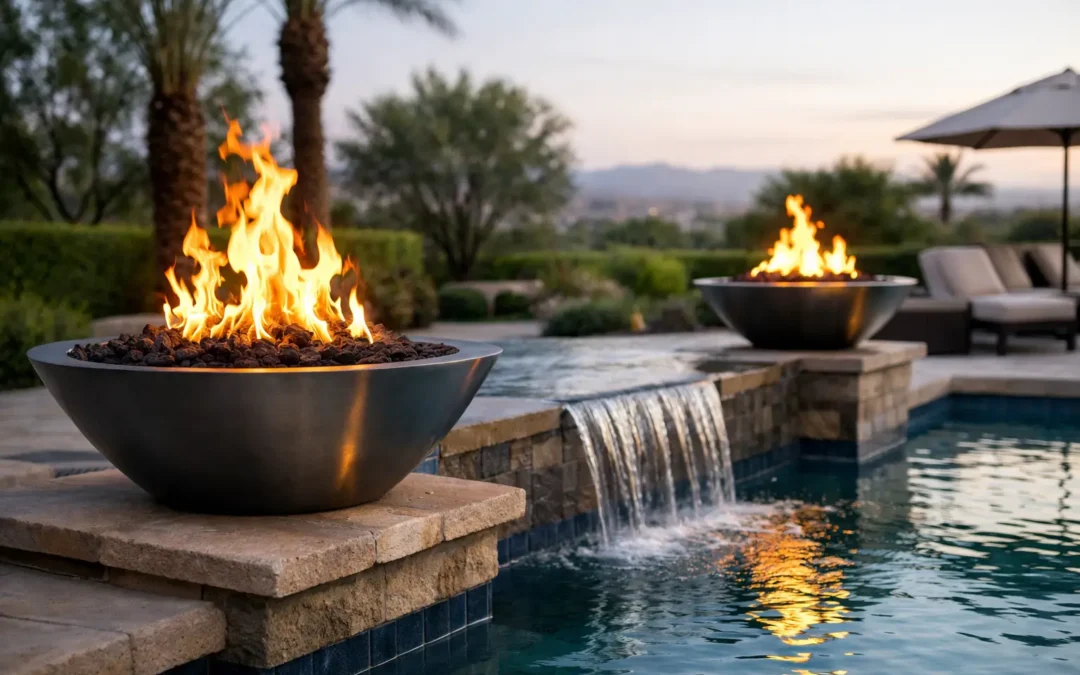
A fire bowl set at the edge of a pool does more than add flame. It changes the way the entire space reads after sunset, giving water, stone, and architecture a stronger focal point. If you are comparing pool fire bowls for sale, the real question is not simply which model looks best in a product photo. It is which bowl will hold up outdoors, fit the scale of the project, and still look right once it is installed beside tile, coping, decking, and water.
How to evaluate pool fire bowls for sale
In a premium outdoor setting, appearance and construction have to work together. A fire feature can look impressive online and still fall short if the materials are too light, the burner system is generic, or the finish does not coordinate with the surrounding design. Buyers investing in a poolscape or outdoor living area usually need more than décor. They need a permanent architectural element.
That is why material quality comes first. Aluminum and stainless steel remain strong choices for poolside environments because they are better suited to weather exposure than many lower-cost alternatives. Around pools, moisture, heat, and chemicals create a harsher setting than a standard patio. A bowl that is built for this application should be designed with that reality in mind, not adapted from a basic backyard fire pit.
The second factor is visual proportion. A fire bowl that is too small can disappear next to a large pool, raised beam, or expansive hardscape. One that is too large can dominate the line of sight and compete with the water feature rather than complement it. Scale matters just as much as shape and finish.
Aluminum powder-coated fire bowls are lightweight, portable metal options with a durable finish, while tiled or concrete bowls (often precast, GFRC—glass fiber reinforced concrete—or stone/tile-veneered) are heavier, more permanent, and offer a natural or custom aesthetic. Both work well for wood-burning or gas fires, but they differ significantly in weight, maintenance, durability, and style.
Key Comparison Aspect Aluminum Powder-Coated Fire Bowls Tiled or Concrete Bowls Weight & Portability Lightweight and easy to move; great for flexible setups or storage.Heavy and difficult to relocate; best as fixed features. Durability Excellent rust/corrosion resistance with proper powder coating; won’t crack or warp. Withstands elements well, especially in coastal areas. Powder coating adds scratch/UV resistance but can degrade over extreme direct heat if not high-temp rated.Very durable and heat-resistant when properly made (e.g., GFRC or sealed concrete). Prone to hairline cracks from freeze-thaw cycles or intense heat without insulation/sealing. Long lifespan with care.Heat PerformanceGood heat conductor (even warmth distribution). Bowl design contains fire well.Excellent heat insulator (stays cooler on exterior).
Retains warmth longer in some cases. Needs proper base/insulation to avoid cracking.MaintenanceLow: Wipe clean; powder coating resists fading/rust. Occasional touch-ups if coating chips.Low: Occasional cleaning and resealing. No rust, but can stain from soot; mortar/tile may need repairs over time.AestheticsModern, sleek, uniform colors/textures. Powder coating allows many finishes.Rustic, natural, or customizable (tints, tiles, stone veneer). Blends with landscapes; can look more premium/architectural.CostOften more affordable upfront; portable models are budget-friendly.Varies; custom/precast can be higher due to weight and installation.InstallationEasy DIY or minimal setup; portable.Often requires professional installation due to weight; more permanent.Best ForPatios, movable use, modern/minimalist spaces, frequent rearranging, or harsh weather portability.Fixed backyard features, traditional/rustic looks, high-heat wood fires (with proper build), or integrated landscapes. Pros and Cons Summary
Aluminum Powder-Coated:Pros: Portable, rust-resistant, modern look, quick heat-up, low maintenance, affordable, versatile for gas or wood.Cons: Can get very hot to the touch (safety with kids/pets), powder coating may eventually need refreshing under direct high heat, less “premium” natural feel than stone/concrete.
Tiled/Concrete:
Pros: Excellent heat resistance and retention, customizable designs, stable/permanent, low rust risk, blends with natural surroundings. GFRC versions are lighter than traditional concrete while strong. Cons: Heavy (hard to move), potential cracking if not high-quality or properly installed/sealed, higher installation effort/cost, can absorb stains without maintenance.
Other Considerations
Climate: Aluminum excels in wet/coastal areas (no rust). Concrete/GFRC handles temperature swings better if sealed but watch for cracking in freeze-thaw zones. Fuel Type: Both suit gas (cleaner, less soot) or wood. Metal bowls are popular for wood; concrete needs good airflow/insulation. Safety: Use a heat shield or base for any fire feature on decks/patios. Keep flammables away. Longevity: Both can last 10+ years with care. Quality matters—look for thick materials and proper coatings/sealers.
Recommendation: Choose powder-coated aluminum for portability, modern style, and easy ownership. Consider your space, how often you’ll move it, and desired vibe. Hybrid options (metal frame with concrete/tile finish) also exist for balanced benefits. Check local codes and buy from reputable makers for safety and warranty.
The materials behind long-term performance
Premium buyers tend to notice fit and finish right away, but the bigger difference often shows up over time. Handcrafted construction generally provides more consistency in the final piece, especially when a bowl is expected to perform as both a design feature and a working fire element.
USAFirebowls are Aluminum and is valued for its durability and lighter weight, which can help with handling and installation while still delivering a substantial look. Stainless steel is another trusted option, especially for burner components and applications where corrosion resistance matters. The best results often come from pairing a structurally sound bowl with burner systems and accessories built for reliable flame performance.
This is also where mass-market products often reveal their limits. Thin materials, inconsistent coatings, and one-size-fits-all burner assemblies may lower the purchase price, but they can create issues later. For homeowners and trade professionals, replacing a failed fire feature after the surrounding masonry is complete is not a minor inconvenience. It is a costly correction.
Design matters as much as heat
Most homeowners shopping this category are not trying to heat a large seating area. They are trying to create atmosphere, symmetry, and a stronger outdoor composition. Fire bowls frame a pool beautifully because they add movement and contrast. The water reflects flame, the flame adds warmth to stone and tile, and the entire setting feels more intentional.
Shape plays a major role here. A round bowl can soften hard lines and pair well with curved pools or classic architecture. A square bowl can reinforce geometric layouts and modern hardscape plans. Neither is automatically better. It depends on the language of the project.
Finish is just as important. A high-end fire bowl should not force the rest of the backyard to adapt to it. Custom color options and finish flexibility make it easier to coordinate with stucco, coping, ledger stone, outdoor cabinetry, and metal accents. For many projects, this is what separates a product that merely works from one that looks fully integrated.
Sizing for the pool, not just the product page
When buyers compare dimensions, they often focus on the bowl alone. A better approach is to evaluate the whole composition. How wide is the raised wall? How far will the bowl sit from the waterline? Will there be one bowl as a focal point or a matched pair creating symmetry? These choices affect the visual balance of the space.
For example, a pair of medium-sized bowls can be more effective than a single oversized bowl if the goal is to frame a spa spillway or create rhythm along a raised bond beam. On the other hand, a larger statement bowl may be the right move for an expansive poolscape with broad deck lines and fewer vertical features.
Professionals usually think in sightlines. Homeowners should too. Consider how the flame will look from inside the house, from the primary outdoor seating area, and from across the pool. Fire bowls are often viewed at a distance, especially at night, so the apparent size of the flame matters just as much as the diameter of the bowl.
Fuel type and flame presentation
Natural gas and propane each have advantages, and the right option depends on the site. Natural gas is often preferred in permanent residential installations where a gas line is already planned or available. It offers convenience for regular use and fits well with larger, built-in designs.
Propane can be useful where utility access is limited or where installation conditions call for more flexibility. That said, fuel storage and concealment need to be considered early in the design. In a refined outdoor environment, exposed compromises stand out quickly.
Flame height is another practical issue. Buyers often assume more flame is always better, but that is not necessarily true. A larger flame can be dramatic, yet if it overpowers the bowl or feels out of scale with the space, the effect can become harsh instead of elegant. The strongest designs usually balance flame presence with proportion.
Installation should be part of the buying decision
The best time to think about installation is before you choose the bowl, not after it arrives. Pool fire bowls may be installed on columns, walls, pedestals, or hardscape surfaces, and each setting has its own structural and utility requirements. Gas routing, ignition planning, ventilation, and access for servicing all deserve attention during selection.
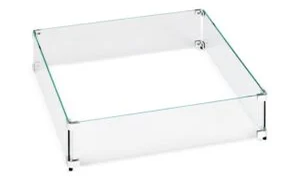
For trade professionals, this is standard planning. For homeowners, it is easy to overlook. A beautiful bowl still needs to fit the build conditions. That includes making sure the support structure is sized correctly, the fuel system is compatible, and any accessories such as flame guards or burner covers are accounted for.
This is one reason specialized manufacturers stand apart from general outdoor décor brands. A company focused specifically on fire bowls for pools and patios is more likely to understand the installation context, not just the item being sold.
Why customization often pays off
In custom residential work, close enough usually is not good enough. If a fire bowl sits near premium stone, imported tile, or carefully selected exterior finishes, mismatched color or shape can weaken the whole composition. Customization helps avoid that problem.
Color matching is especially valuable in pool and landscape projects because those spaces rely on material continuity. A handcrafted bowl in the right finish can echo nearby surfaces instead of interrupting them. This is particularly important in projects where fire bowls are mounted prominently on raised walls or entry columns.
Customization also helps trade buyers maintain design intent across multiple project types. A landscape designer or builder may need one bowl profile for a clean modern layout and another for a more traditional backyard. Access to size, finish, and accessory options makes specification easier and results stronger.
What separates premium fire bowls from commodity options
At a glance, many fire bowls appear similar. The differences usually become clearer when you evaluate manufacturing origin, material quality, finish control, and accessory compatibility. Buyers looking at pool fire bowls for sale should pay close attention to whether the product is built as a lasting architectural feature or simply marketed as one.
American-made craftsmanship still matters in this category because quality control, fabrication standards, and customization capabilities affect the final result. For buyers who care about longevity and design precision, that can justify a higher initial investment. USA Fire Bowls has built its reputation around that exact expectation, with handcrafted construction and tailored finish options designed for more elevated outdoor spaces.
There is also a practical side to premium sourcing. Shipping support, installation guidance, warranty confidence, and compatible accessories all make ownership easier. Those details may not be the first thing a buyer notices, but they shape the experience long after the order is placed.
The right fire bowl should feel like it belongs to the property from day one. It should look considered, perform reliably, and hold its presence through years of weather and use. When you are evaluating options, choose the bowl that respects the design of the entire outdoor space, not just the one that photographs well on a sales page.