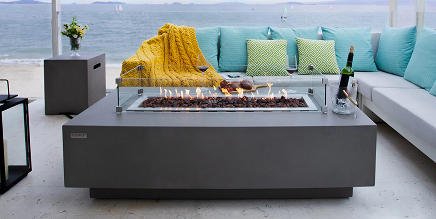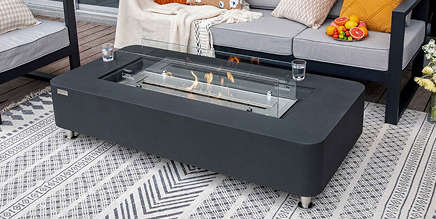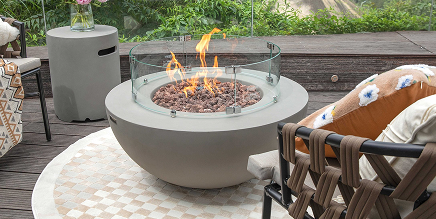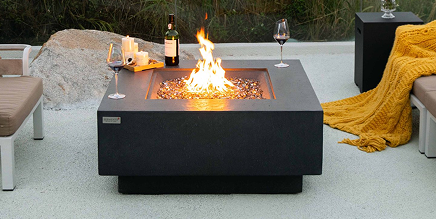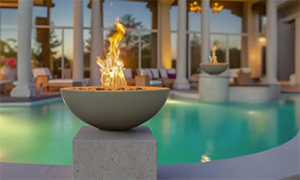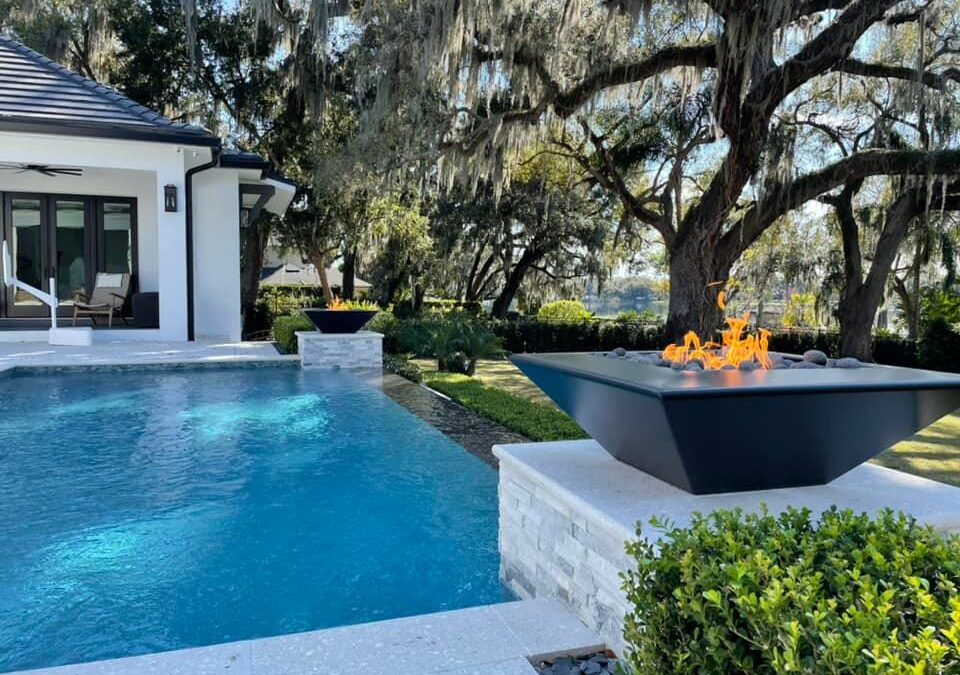
A fire feature placed beside water has to do more than look impressive at dusk. Poolside fire bowls need to handle moisture, changing temperatures, wind exposure, and constant visual scrutiny in one of the most prominent areas of the yard. In a high-end outdoor setting, they are not filler accessories. They are architectural elements that need to perform reliably while strengthening the overall design.
That is where buyers often separate into two camps. Some start with appearance and fall in love with a shape or finish. Others start with function and ask about burner quality, fuel type, and installation requirements. The best result usually comes from treating both sides as equally important. A well-made fire bowl should look refined in daylight, deliver a clean flame after sunset, and hold up over time without becoming a maintenance problem.
What poolside fire bowls change in a backyard design
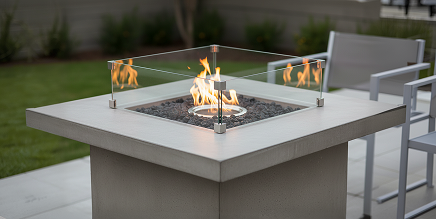
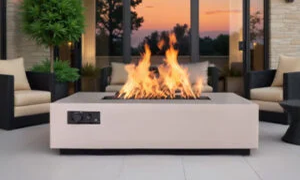
A pool already creates movement, reflection, and structure. Fire adds contrast. That contrast is what makes poolside fire bowls so effective in luxury exterior spaces. They bring warmth to hardscape-heavy environments, create a stronger focal point around waterlines and raised walls, and give the entire yard a finished, intentional feel.
They also influence how the space is used. A pool area can feel visually complete during the day and still seem underwhelming at night if there is no secondary lighting or feature element to anchor the setting. Fire bowls solve that in a way standard landscape lighting cannot. They add motion, height, and atmosphere without competing with the pool itself.
For designers and builders, this is often why fire bowls are specified early rather than added later. When they are integrated into the original layout, proportions tend to feel cleaner, finish selections are easier to coordinate, and gas and ignition planning can be handled correctly from the start.
Materials matter more than most buyers expect
In pool environments, material selection is not a small detail. Chlorinated water, salt exposure, heat, and weather create conditions that punish low-grade components quickly. A fire bowl that looks good on a showroom floor may not hold up well once it is installed near a pool and exposed year-round.
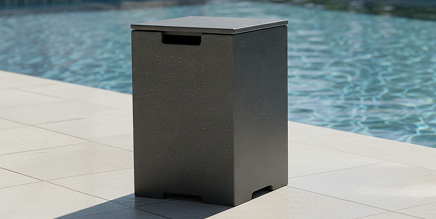
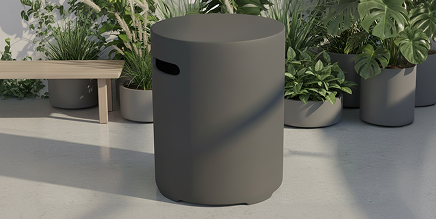
This is why USA firebowls has chosen aluminum powder coated and stainless steel to build their firebowls and remains the strong choice for premium installations. They offer durability without the excessive weight of some cast materials, and they are well suited to outdoor conditions when properly built and finished. Handcrafted construction also matters. Precision in welds, burner fitment, drainage planning, and finish application affects both appearance and long-term reliability.
There is a trade-off here. Heavier materials can deliver a certain visual mass, but they may complicate installation and place more demands on supporting structures. Lighter engineered materials can be easier to work with while still providing a substantial presence when designed well. The right choice depends on the setting, the mounting surface, and how permanent the installation is intended to be.
Sizing poolside fire bowls for proportion, not just impact
Bigger is not always better. A fire bowl that is oversized for the coping, column, or wall beneath it can make the entire installation feel top-heavy. Too small, and it disappears against the poolscape. The goal is proportion.
This is especially important when multiple bowls are used in a symmetrical layout. Repetition draws attention to spacing and scale. If one dimension feels off, the eye catches it immediately. Bowl diameter, height, flame size, and pedestal or column dimensions all need to work together.
For residential projects, visual balance often matters more than maximum flame. A moderate flame in a properly scaled bowl usually looks more sophisticated than an oversized flame in a bowl that overwhelms the surrounding architecture. Professionals know this well, but homeowners sometimes assume a larger burner automatically creates a better result. In practice, restraint often looks more expensive.
Fuel type and ignition should match the project
The right fire bowl is also a functional decision. Natural gas and propane each have their place, and the better option depends on site conditions, infrastructure, and how the feature will be used.
Natural gas is often preferred for permanent residential installations because it offers continuous fuel supply and convenience. It makes sense for homeowners who want regular use and for builders planning integrated hardscape features. Propane can be the better fit where gas lines are impractical or where flexibility matters more.
Ignition is just as important. Match-lit systems are straightforward and can work well in the right setting, but many premium buyers prefer electronic ignition for convenience and a more refined user experience. That said, sophistication should not come at the cost of serviceability. The best system is one that suits the site, the climate, and the owner’s expectations for everyday use.
This is one area where cheap products often reveal their weakness. Burners, pans, and ignition components are not glamorous, but they determine whether the fire feature feels dependable or frustrating. In luxury outdoor environments, consistency matters.
Finish and color are part of the design, not an afterthought
A poolside fire feature sits among stone, tile, plaster, decking, metal accents, and water color. If the finish is wrong, the entire composition feels disconnected. Buyers investing in custom pools and upscale patios usually understand this instinctively, which is why finish flexibility matters.
Neutral tones remain popular because they integrate easily with modern and transitional landscapes. But custom color matching can be the difference between a fire bowl that simply coordinates and one that feels built for the project. That is especially true when the surrounding materials have strong undertones or when the design relies on a tight architectural palette.
Texture also plays a role. Smooth finishes can feel more contemporary and tailored. More textured surfaces may better complement natural stone or traditional exterior detailing. Neither is universally better. The right answer depends on the home, the hardscape, and how formal the outdoor environment is meant to feel.
Installation details that deserve attention early
Some of the most expensive mistakes happen before the bowl ever arrives. Gas routing, mounting surfaces, ventilation, drainage, and clearances should be planned well in advance. Poolside fire bowls are visible showpieces, but they are still gas appliances that need to be installed correctly.
For trade professionals, this is standard thinking. For homeowners managing a project, it can be easy to focus on style and overlook infrastructure. That usually leads to compromises later, whether that means changing bowl size, adjusting placement, or reworking construction to fit the selected model.
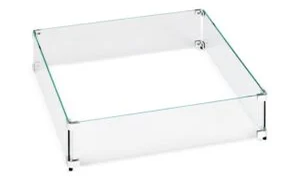
Wind exposure deserves special attention. A beautiful flame pattern in a sheltered showroom does not tell you how the feature will behave on an open pool deck. Flame height, burner design, and optional accessories such as flame guards can all affect performance. It depends on the site. Some spaces can support a taller, more dramatic flame. Others benefit from a more controlled presentation that stays consistent.
Why craftsmanship shows up after the sale
Almost any fire bowl can look appealing in product photography. The difference becomes clear over time. Premium craftsmanship shows up in the details buyers live with after installation – how well the finish wears, whether the burner performs consistently, how solid the piece feels, and whether the design still looks current a few years later.
That is one reason American-made manufacturing continues to matter in this category. Buyers are not just purchasing an object. They are investing in fit, finish, serviceability, and confidence that the product was built for demanding outdoor use rather than broad mass-market appeal. For discerning homeowners and design professionals, that distinction is not marketing language. It affects outcomes.
USA Fire Bowls has built its reputation around that exact expectation, with handcrafted designs tailored for pool and patio environments where visual standards are high and product failure is highly visible.
How to choose with fewer regrets
The strongest buying decisions usually come from asking a few practical questions early. Is the bowl being used as a dramatic focal point or as part of a balanced, symmetrical layout? Does the project call for a custom finish to match tile, coping, or exterior paint? Is the installation permanent enough to justify natural gas and electronic ignition? And just as important, will the materials hold up in the specific environment, especially near water?
When those questions are answered honestly, the right option tends to become clearer. A premium fire bowl should not force the project to adapt around its limitations. It should support the design, install cleanly, and continue to look intentional long after the rest of the poolscape has settled in.
The best poolside fire bowls do exactly that. They bring heat and light, but more than that, they add structure, finish, and confidence to the outdoor space. Choose one with the same care you would give any permanent architectural element, and it will reward the project every evening the water starts reflecting the flame.