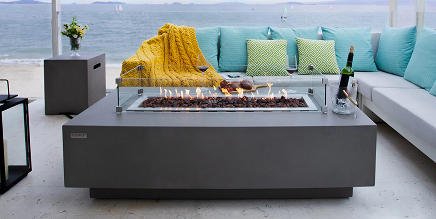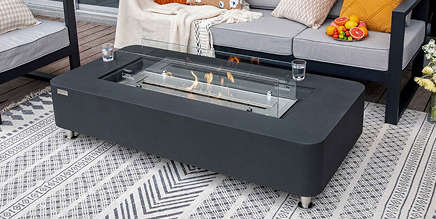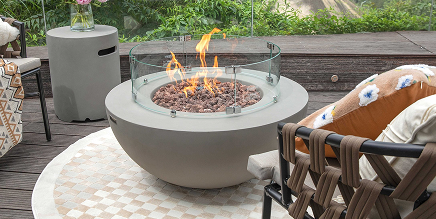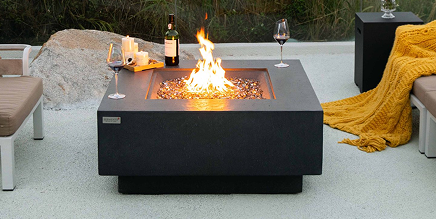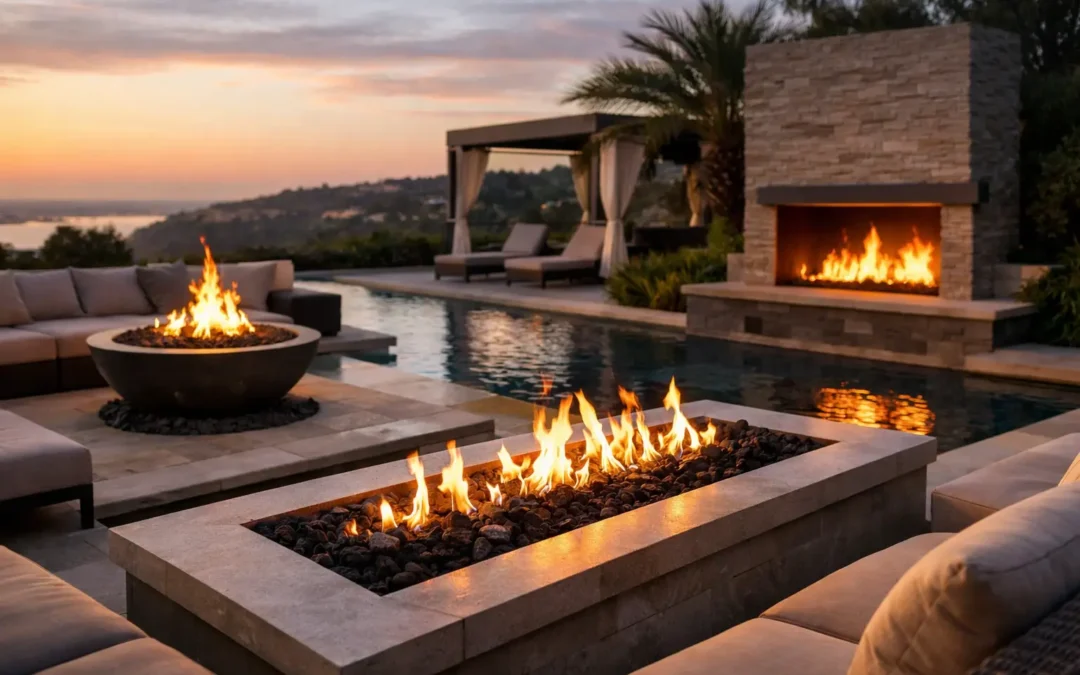
A fire feature can make a backyard feel finished in a way furniture and landscaping alone rarely do. The best outdoor fire features create a focal point after dark, add warmth where people naturally gather, and bring structure to a patio or pool design that might otherwise feel flat. In higher-end outdoor spaces, the decision is not just about heat. It is about proportion, materials, placement, and whether the piece actually belongs with the architecture around it.
For that reason, the right choice depends less on what is trending and more on how the space is used. A poolside entertaining area has different demands than a quiet courtyard. A compact patio needs a different scale than a large estate yard. And a designer trying to coordinate fire with coping, stone veneer, and waterline tile will care about details that a mass-market product simply cannot address.
What the best outdoor fire features have in common
Premium fire features https://usafirebowls.com/product-category/elementi/elementi-plus-fire-pit/ tend to share a few traits, regardless of style. They are built from materials that hold up outdoors, they produce a controlled and attractive flame pattern, and they look intentional from every angle. That last point matters more than many buyers expect. If a fire bowl or fire pit looks good in a product photo but feels visually thin, oversized, or poorly finished in person, it can bring down the entire project. Be sure to also see warming trends brand here https://usafirebowls.com/product-category/warming-trends/aon-fire-table/
Durability is equally important. Outdoor fire features live in harsh conditions – sun, moisture, temperature swings, pool chemicals, and regular exposure to the elements. Materials like aluminum and stainless steel have a clear advantage in premium installations because they resist corrosion better than lower-grade alternatives and maintain a cleaner appearance over time.
Customization is another dividing line. In a luxury setting, buyers are often not looking for a one-size-fits-all piece. They want a fire feature that aligns with surrounding finishes, whether that means a specific color, a particular shape, or a size that fits a raised beam, entry column, or patio seating arrangement.
Best outdoor fire features by application
Fire bowls for pools and formal landscapes
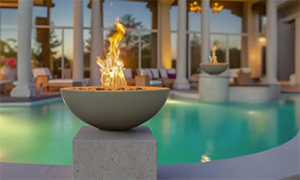
Fire bowls are often the strongest choice for pool environments and more architectural backyard designs. They bring height, symmetry, and a sculptural quality that works especially well on columns, along pool perimeters, or framing a spa. When paired with clean hardscape lines, they feel polished rather than casual.
Their biggest advantage is visual impact. A well-proportioned fire bowl can read almost like outdoor art during the day and become a dramatic focal element at night. This makes them especially effective in projects where aesthetics carry as much weight as function.
The trade-off is that fire bowls are usually not meant to be the primary gathering spot for a group in the way a large fire pit might be. They are more about ambiance and design presence. For homeowners who entertain around a dining terrace or pool deck, that is often exactly the point.
Fire pits for conversational seating areas
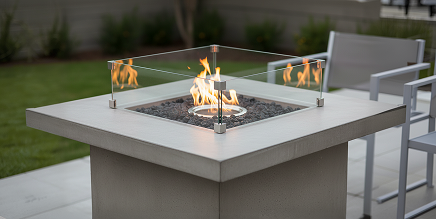
If the goal is gathering, a fire pit remains one of the best outdoor fire features available. It gives guests a natural center point and works well in lounge layouts where chairs, sofas, or sectional seating are arranged in a circle or square. In practical terms, fire pits also tend to deliver a broader sense of warmth across a seating area.
The key is choosing a model with the right scale and finish for the setting. In upscale backyards, a bulky or overly rustic pit can feel out of place against refined paving, contemporary architecture, or a carefully designed poolscape. Shape matters too. Round fire pits create a softer social layout, while rectangular designs often fit modern patios and linear furniture more naturally.
Tabletop fire bowls for smaller zones
Not every outdoor space needs a large statement piece. Tabletop fire bowls work well on intimate patios, rooftop terraces, or secondary seating areas where a full-sized feature would feel crowded. They also make sense for homeowners who want layered firelight across multiple outdoor zones rather than one dominant flame feature.
The limitation is obvious – they are more decorative than warming. But when used thoughtfully, they can add the finishing touch to a bar-height table, coffee table, or side patio without complicating the layout.
Choosing the right fuel type
Fuel selection affects appearance, installation, and daily convenience. In premium residential projects, natural gas and propane are the most common choices, but they serve different needs.
Natural gas is often preferred when a permanent line is available. It supports a cleaner built-in look, removes the need to refill tanks, and is well suited to larger or frequently used fire features. For pool builders, contractors, and homeowners planning a long-term installation, it is often the more elegant solution.
Propane offers more flexibility in areas where gas lines are not practical. It can be an excellent choice for certain patios or retrofit projects, but it does require more planning around tank storage and access. If the surrounding design is highly refined, those details need to be handled carefully so the convenience of propane does not come at the expense of appearance.
Wood-burning features still appeal to some buyers for the sensory experience – the crackle, the aroma, the ritual. But in many luxury settings, gas provides a cleaner, more controlled result. It also tends to align better with poolside environments and design-focused outdoor rooms where ease of use matters.
Material quality is not a small detail
A fire feature may be purchased for its look, but it earns its value through construction. This is where many products that seem comparable on screen begin to separate in real projects.
Aluminum and stainless steel are strong choices because they are built for exposure. They resist rust better, handle weather more reliably, and support a longer service life in demanding outdoor environments. That is particularly important near pools, where moisture and chemical exposure can shorten the life of lower-quality materials.
Finish quality matters just as much as the base material. Premium outdoor spaces depend on visual consistency. If the color is uneven, the edges are rough, or the finish degrades quickly, the fire feature starts to look like an afterthought. Handcrafted construction, careful finishing, and the ability to coordinate colors with surrounding materials can make the difference between a product that merely occupies space and one that completes the design.
Sizing and placement make or break the result
Even the best outdoor fire features can disappoint if they are poorly sized or awkwardly placed. Bigger is not always better. A large fire pit can overwhelm a modest patio, while undersized bowls can disappear against a substantial pool and hardscape plan.
Start with sightlines. Fire should be visible from the house, from primary seating, and ideally from key approach points in the yard. In pool environments, fire bowls often perform best when they reinforce geometry – placed symmetrically on columns, flanking a spa, or highlighting a water feature.
Clearance is equally important. Fire features need breathing room around furniture, traffic paths, and overhangs. Professional buyers already understand this, but homeowners sometimes focus on the visual concept without considering daily movement through the space. The best result feels natural, not squeezed in.
Style should follow architecture
A fire feature should not compete with the house. It should extend the language of the property. Contemporary homes usually benefit from cleaner silhouettes, restrained finishes, and shapes that echo the hardscape. Traditional or Mediterranean-inspired properties may support more rounded forms or warmer finish selections, but they still need discipline.
This is one reason custom options matter. In premium projects, off-the-shelf sizing or generic finishes can force design compromises. A tailored piece allows the fire feature to relate to stone, tile, stucco, or metal accents instead of feeling unrelated to them. USA Fire Bowls has built much of its reputation around that exact need – helping buyers align fire features with the larger visual plan rather than settling for near matches.
The best choice depends on what the space is meant to do
For a poolscape with strong architectural lines, fire bowls are often the most compelling answer. For a lounge area centered on conversation, a fire pit usually makes more sense. For a smaller terrace or accent zone, a tabletop model may be enough. None of these is universally best in every setting.
What matters is choosing a fire feature that respects the scale of the project, holds up to the environment, and looks like it was selected with the same care as the rest of the backyard. When that happens, fire stops being a decorative add-on and starts becoming part of the architecture itself.
A well-made fire feature should still look right five years from now, on a summer evening by the pool or during a cool night on the patio. That is the standard worth buying for.