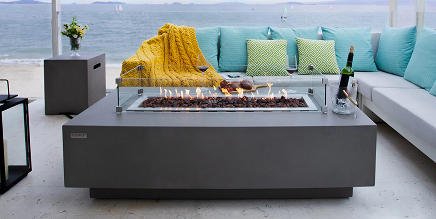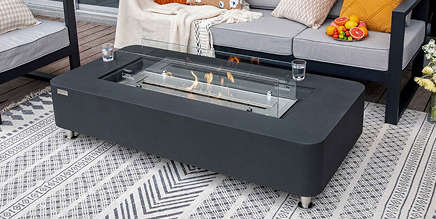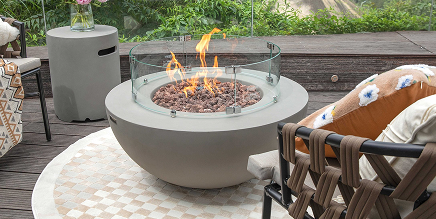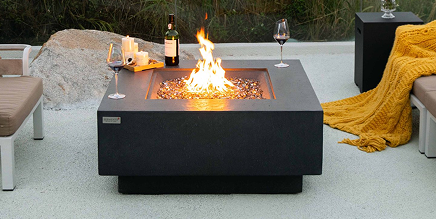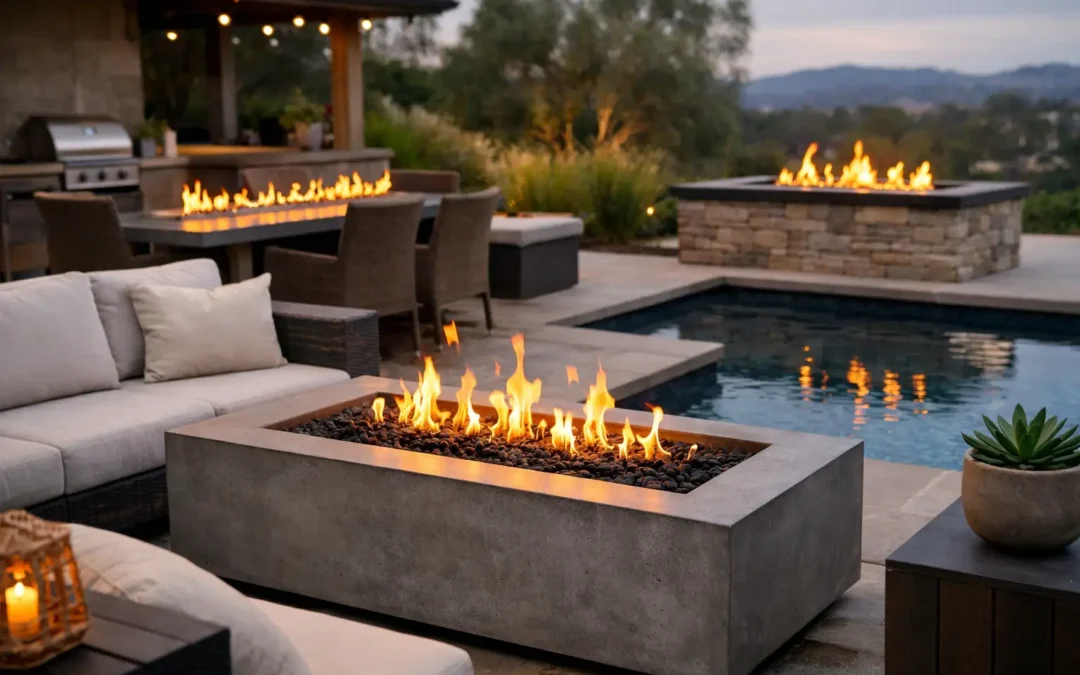
A fire feature can make a pool deck feel finished in a way furniture and lighting rarely do. For many homeowners and design professionals, outdoor fire features propane systems stand out because they offer clean ignition, dependable flame, and easier integration into refined backyard layouts without the smoke, ash, and unpredictability of wood.
That appeal is practical, but it is also visual. In a high-end outdoor environment, the fire element has to do more than light. It has to hold its own beside custom coping, tile, hardscape, water, and architecture. Propane is often the fuel that makes that possible, especially when the goal is a strong flame presentation with straightforward operation.
Why outdoor fire features propane systems remain a top choice
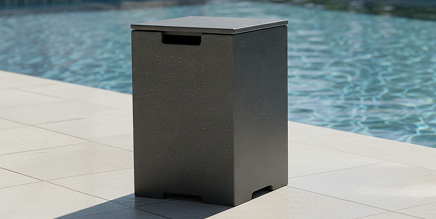
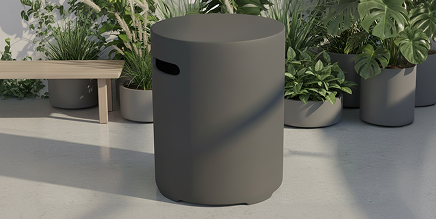
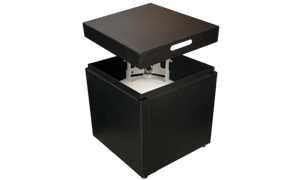
Click Here to see our Hidden Tank LP Fire Pit” Fire Pit Propane continues to be a preferred fuel for decorative fire bowls, fire pits, and accent features because it supports both performance and design flexibility. A propane fire feature can be installed in settings where natural gas is not readily available, which matters for many residential projects. It also gives homeowners more placement freedom, particularly in outdoor spaces where routing a gas line would be disruptive or cost-prohibitive.
From a user standpoint, propane is simple. Ignition is fast, flame is immediate, and cleanup is minimal. There is no wood storage, no sparks blowing across a patio, and no lingering ash around a pool or outdoor kitchen. For clients investing in a polished backyard experience, that convenience is not a small detail. It directly affects how often the feature is used.
There is also a consistency advantage. With quality burners and properly matched components, propane produces a reliable flame pattern that suits decorative applications well. That makes it especially appealing in fire bowls and architectural fire features where appearance is just as important as warmth.
Design comes first in luxury outdoor fire features propane setups
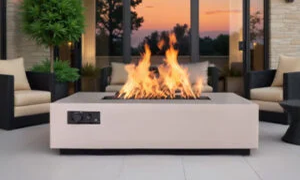
In premium outdoor projects, the best propane fire feature is rarely chosen by BTU output alone. The shape, scale, finish, and material need to fit the surrounding environment. A large round bowl can anchor a poolscape with symmetry and presence, while a linear feature may better complement a clean contemporary patio. The fuel source supports the experience, but the visual language of the piece is what determines whether it looks integrated or added later.
Material selection plays a major role here. Handcrafted aluminum and stainless steel components are often preferred in elevated outdoor applications because they offer lasting durability while allowing cleaner lines and more refined finishing options. That matters near pools, where moisture and environmental exposure can shorten the life of lower-grade materials.
Color and finish customization also deserve more attention than they typically get. A fire feature that coordinates with existing stone, tile, coping, or stucco tends to elevate the whole project. A mismatched finish, even on an expensive piece, can make the installation feel generic. For homeowners and trade professionals working in design-driven spaces, customization is often the difference between a good product and the right product.
Where propane works especially well
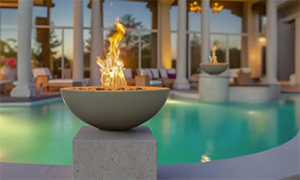
Propane performs well in several outdoor settings, but it is especially useful where clean operation and flexible placement matter most. Poolside fire bowls are an obvious example. They create a dramatic visual connection between fire and water, and propane helps keep that presentation tidy and easy to manage. There is no debris blowing into the pool and no need to manage wood near finished hardscape.
Patios and entertainment areas are another strong fit. If the fire feature is meant to be used often for evening gatherings, propane makes that realistic. Homeowners are far more likely to turn on a feature when it takes seconds rather than preparation and cleanup. For designers, that reliability supports the larger purpose of the space, which is to be lived in, not just photographed.
Propane is also useful for projects in remote areas of a property, where extending natural gas service may not make sense. In those cases, the trade-off is fuel storage and tank management, but the flexibility can outweigh the inconvenience.
What buyers should evaluate before choosing
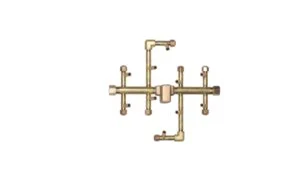
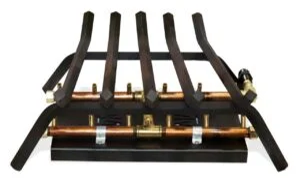
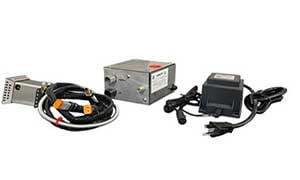
A premium fire feature should look exceptional, but buyers should still evaluate the mechanics with care. Burner quality matters. So does the relationship between the burner, ignition system, venting, and the overall enclosure. A strong exterior shell cannot compensate for poor internal components.
Flame presentation is another point worth discussing early. Some buyers want a bold, taller flame that reads from across a pool. Others prefer a more controlled, sculptural look that complements conversation areas. The right propane setup depends on the intended experience, the feature size, and local installation conditions.
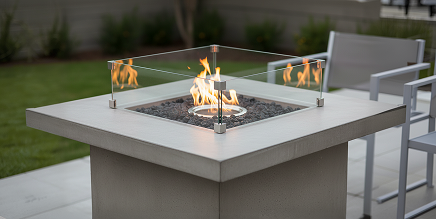
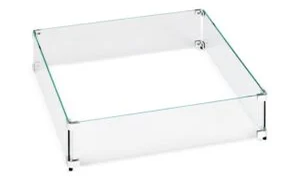
Wind exposure should not be overlooked. An open backyard, hillside property, or elevated deck can change flame behavior significantly. In those environments, accessories such as flame guards may be necessary to protect appearance and performance. This is one reason off-the-shelf products often fall short in custom spaces. They may work in ideal conditions, but real outdoor environments are rarely ideal.
It is also wise to think about maintenance access before the feature is installed. Propane systems may be straightforward to operate, but access to components, shutoff controls, and tank connections still needs to be planned with care. A beautiful installation that is difficult to service becomes frustrating quickly.
Propane versus natural gas for outdoor fire features
This decision is less about which fuel is universally better and more about which fuel suits the project. Propane often delivers strong flame performance and more flexible placement. That makes it attractive for decorative bowls, standalone fire elements, and spaces where gas line installation is limited.
Natural gas can be more convenient over the long term if the utility connection already exists and the feature will be used frequently. There is no tank to refill, and operating costs may be lower depending on local rates. Still, natural gas placement is tied to infrastructure in a way propane is not.
For many custom residential installations, propane is selected because it preserves design freedom. A homeowner may want matching fire bowls at the pool edge, or a fire feature placed where utility routing would compromise hardscape or budget. In those cases, propane becomes the practical answer without requiring a compromise in visual impact.
The value of craftsmanship in propane fire features
Not all outdoor fire features are built for the same environment. Mass-market products can look acceptable online, but premium installations tend to expose the difference between decorative outdoor decor and true architectural-grade fire elements. Material thickness, weld quality, finish durability, and burner construction all affect long-term results.
That is especially true in climates with strong sun, moisture exposure, and regular use. A handcrafted piece built from quality materials will typically hold its shape, finish, and structural integrity far better than lighter imported alternatives. For homeowners investing in a poolscape or professionally designed patio, that is not a cosmetic distinction. It is protection for the broader project.
USA Fire Bowls operates in this higher standard category, where customization, American manufacturing, and durable construction are central to the product rather than optional upgrades. For trade professionals, that level of consistency matters because it reduces guesswork. For homeowners, it means the fire feature is built to look intentional from day one and to keep looking that way.
Accessories and finishing details that improve the result
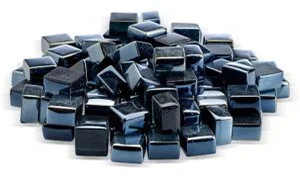
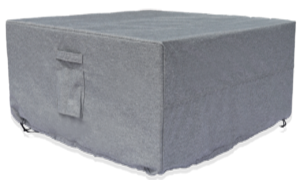
The fire feature itself is the focal point, but accessories affect how complete the installation feels. Fire glass changes the character of the flame bed and can help tie the feature into surrounding colors. Burner covers protect components when the system is not in use and help preserve a cleaner appearance. Protective covers matter as well, especially in projects where the feature is exposed to weather or seasonal debris.
These details are easy to treat as afterthoughts, but they should be part of the selection process from the start. In premium outdoor spaces, a well-finished installation is usually the result of many small decisions made correctly.
Choosing a propane fire feature that will still look right years from now
Trends shift, but proportion, material quality, and finish coordination tend to last. The safest investment is usually a fire feature that responds to the architecture and landscape around it rather than chasing novelty. That does not mean the piece should be plain. It means its shape, color, and flame presentation should feel grounded in the project.
For some homes, that points to a classic bowl form with a rich finish that complements stone and water. For others, a sharper profile or a custom color match may be the right move. The key is to choose a piece that belongs to the space, not one that competes with it.
A well-made propane fire feature should feel effortless to use, durable enough to trust, and refined enough to elevate everything around it. When those qualities come together, the result is more than warmth. It becomes one of the defining elements of the outdoor experience.