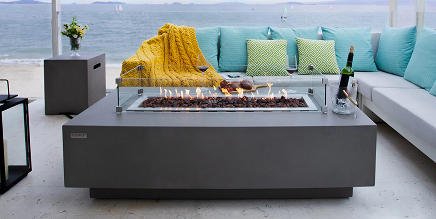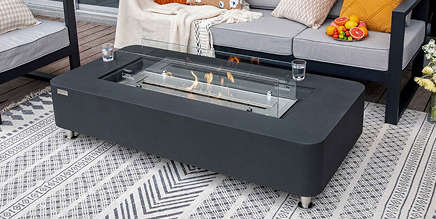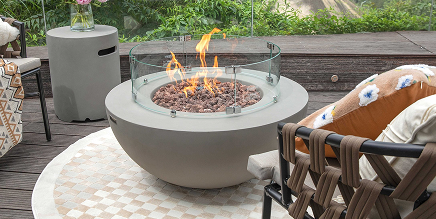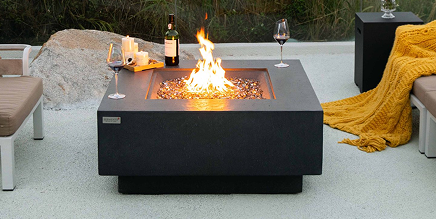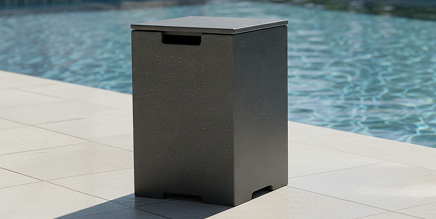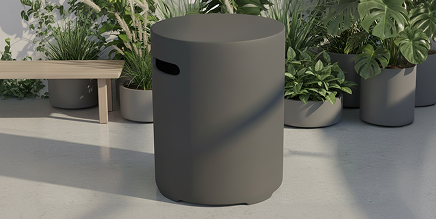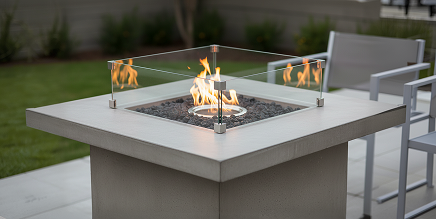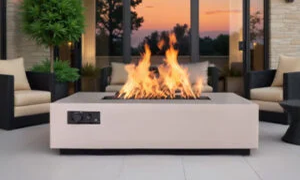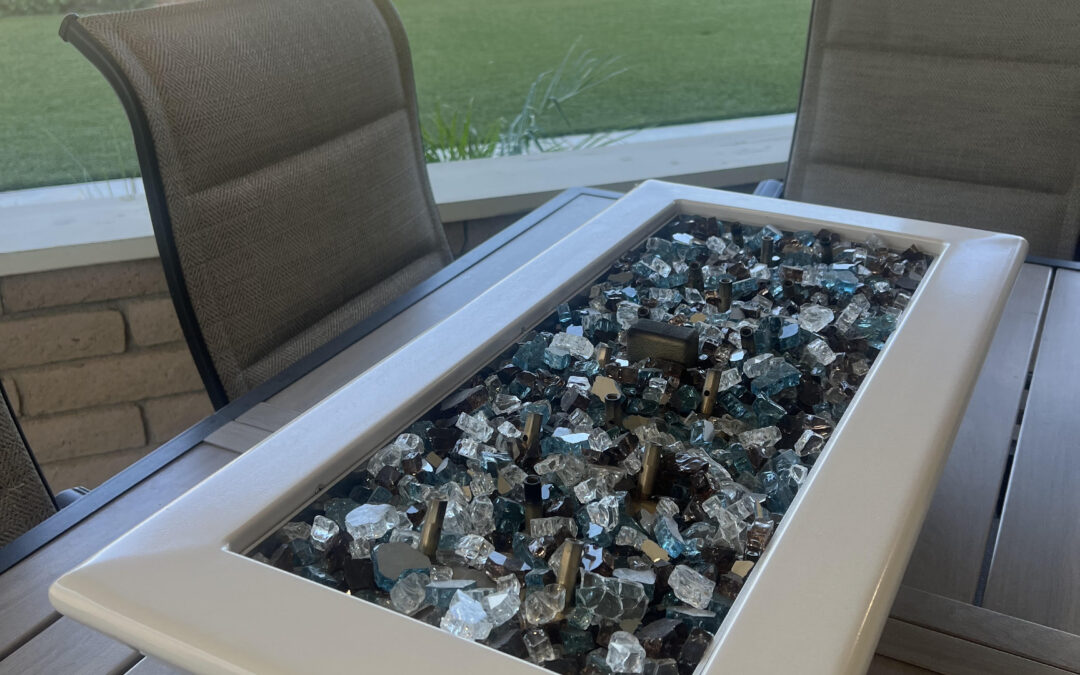
A tabletop fire feature can elevate a patio in seconds, but the gap between a decorative impulse buy and a well-built piece is wider than most buyers expect. The best tabletop fire bowls are not simply the ones with the lowest price or the trendiest shape. They are the models that hold their finish, manage flame cleanly, suit the scale of the space, and look intentional beside quality furniture, stone, and poolside materials. Tablle Top Fire Bowls
For homeowners designing upscale outdoor spaces, and for trade professionals sourcing dependable pieces for clients, that distinction matters. A tabletop bowl sits close to guests, often at eye level, and usually in the most visible part of a seating area. If the proportions are off or the materials feel lightweight, it shows immediately.
What makes the best tabletop fire bowls stand out
The first differentiator is construction. Premium tabletop fire bowls should be built from materials that are chosen for outdoor longevity, not just shelf appeal. Aluminum and stainless steel are strong examples because they resist rust, handle exposure well, and maintain a more refined appearance over time than low-grade sheet metal or thin composite shells.
Weight and wall thickness matter more than many product photos reveal. A bowl that feels substantial tends to sit better on a table, resist warping, and communicate quality the moment it is unpacked. In higher-end residential settings, that tactile impression is part of the product value.
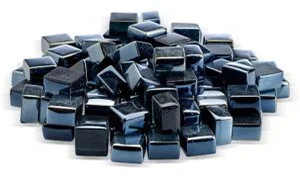
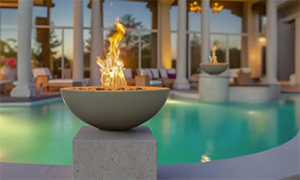
Flame presentation is just as important as the bowl itself. The most attractive tabletop models produce a controlled, centered flame that feels architectural rather than erratic. That usually comes down to burner quality, media compatibility, and proper proportion between the opening and the bowl body. A fire feature can have a beautiful silhouette, but if the flame looks weak or unstable, the effect falls flat.
Best tabletop fire bowls for different outdoor settings
There is no single best option for every project. The right tabletop fire bowl depends on where it will live and what role it needs to play.
For compact patios and balconies
Smaller spaces benefit from restraint. A low-profile bowl with a clean footprint keeps the table usable and avoids overwhelming the seating area. In these settings, buyers usually want ambiance more than heat output, so balance and visual scale matter more than maximum flame size.
A compact bowl also works better when furniture is tightly arranged. Guests can still gather around the flame without the feature taking over the entire surface.
For poolside lounge areas
Pool environments call for materials that can handle a more demanding outdoor setting. Moisture exposure, direct sun, and surrounding hardscape finishes all affect how a tabletop fire feature should be specified. This is where premium finishes and corrosion-resistant metals earn their price.
Design cohesion matters here too. A tabletop bowl near a pool should feel connected to the rest of the fire and water elements on the property, whether that means matching color, echoing geometric lines, or complementing tile and coping materials.
For luxury outdoor dining tables
Dining applications require a different kind of discipline. The bowl needs enough presence to anchor the table visually, but not so much height or width that it blocks sightlines or interferes with serving. Lower, elongated profiles often work well here, especially when the flame remains controlled and refined.
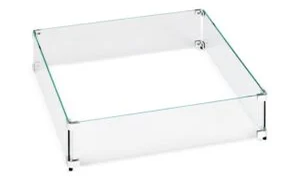
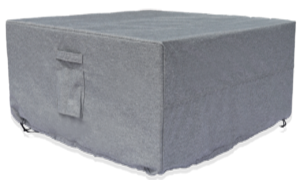
For this use case, buyers should also think about accessories and seasonal protection. A quality cover or burner protection can help preserve appearance between gatherings.
For designer-led projects
Landscape architects, pool builders, and contractors often need flexibility more than anything else. The best tabletop fire bowls for trade use are the ones that can be specified with confidence – consistent materials, clean fabrication, dependable burner components, and finish options that integrate with the broader design language of the project.
Customization becomes especially valuable in this category. A standard off-the-shelf color may be acceptable in a casual setting, but not when the fire feature needs to coordinate with stone veneer, powder-coated metals, or custom outdoor cabinetry.
How to evaluate tabletop fire bowls before you buy
The easiest mistake is shopping by appearance alone. A bowl can photograph beautifully and still be disappointing in person. Buyers should look closely at four areas: material quality, fuel setup, finish durability, and overall proportion.
Material quality is the foundation. Stainless steel and aluminum generally offer better long-term performance than bargain metals that corrode or degrade after one season. For premium outdoor spaces, the structure should feel engineered, not improvised.
Fuel setup affects both experience and maintenance. Some buyers prioritize convenience and clean operation, while others are drawn to simpler decorative formats. It depends on how often the bowl will be used and whether the setting is primarily social, visual, or both. If the fire feature will become a regular part of entertaining, a more dependable fuel and burner arrangement is usually worth it.
Finish durability deserves more attention than it gets. Outdoor fire pieces are exposed to sunlight, temperature swings, and regular handling. A finish that chips, fades, or discolors quickly can undermine the entire seating area. In high-end environments, the bowl should age gracefully alongside the surrounding materials.
Proportion is where good decisions often become great ones. A tabletop fire bowl should fit the scale of the furniture and the room-like dimensions of the outdoor space. Too small, and it reads like an accessory. Too large, and it becomes an obstacle.
Design details that separate premium from mass-market
The premium category is not just about spending more. It is about getting details right.
Edges should be clean. Openings should feel intentional and symmetrical. The bowl should sit level and stable. Flame media should look integrated rather than piled in as an afterthought. These are subtle cues, but they shape whether the fire feature feels architectural or disposable.
Customization is another meaningful separator. In luxury exterior design, matching surrounding finishes can make a major difference. A thoughtfully chosen color can connect the bowl to tile, stucco, metal railings, or natural stone in a way that makes the entire space feel resolved.
That is one reason specialized manufacturers tend to outperform generic outdoor decor brands in this category. Companies focused on handcrafted fire features, including USA Fire Bowls, understand that the product is not just a source of flame. It is a visible design component that has to perform structurally while supporting the overall look of the project.
Common trade-offs to keep in mind
Smaller tabletop bowls are easier to place, but they usually make a subtler statement. Larger bowls offer more visual presence, though they can limit usable table space. Neither choice is automatically better.
Heavier construction often signals higher quality, but it can also make repositioning less convenient. That may not matter on a fixed outdoor dining table, but it could matter in a flexible lounge setup where furniture gets rearranged often.
Custom finishes and upgraded materials raise the price, yet they also tend to produce a better long-term result. For buyers furnishing a polished patio or poolside entertaining area, the true comparison is not between a premium bowl and no bowl. It is between a piece that supports the design for years and one that needs to be replaced when its finish or structure starts to fail.
Who should invest in a premium tabletop fire bowl
A premium tabletop model makes the most sense when the surrounding space already reflects a higher design standard. If the patio includes custom seating, quality hardscape materials, or a carefully planned pool area, a bargain fire bowl can look out of place quickly.
It is also a smart investment for hosts who use their outdoor space regularly. A well-made tabletop fire bowl extends the comfort and atmosphere of an evening gathering without demanding the footprint of a full fire pit. It gives a seating area a focal point, but in a way that feels intimate and controlled.
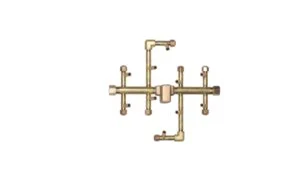
For trade professionals, specifying a better bowl often reduces downstream issues. Better materials, stronger finishes, and cleaner burner Warming Trends Brass Burner Upgrade integration help protect both project quality and client satisfaction.
Choosing the best tabletop fire bowls with confidence
The strongest buying decisions come from looking past trends and focusing on fit. The best tabletop fire bowls are the ones that belong in the space – visually, structurally, and functionally. They should complement the architecture, handle outdoor exposure with confidence, and create a flame presentation that feels elevated rather than improvised.
If you are choosing for a refined patio, poolside lounge, or client project, start with craftsmanship, material integrity, and finish quality. Once those are in place, style becomes more than decoration. It becomes part of a cohesive outdoor environment people want to spend time in.
A good tabletop fire bowl adds warmth. The right one adds finish, atmosphere, and a sense that every detail of the space was chosen on purpose.