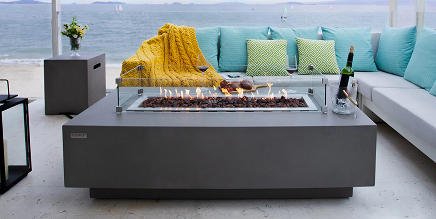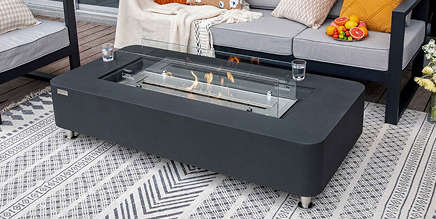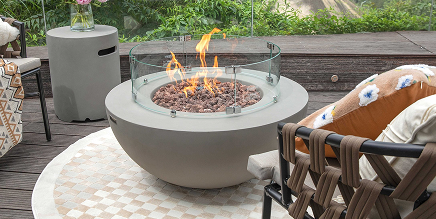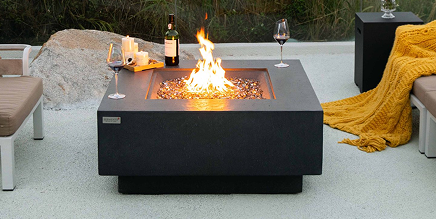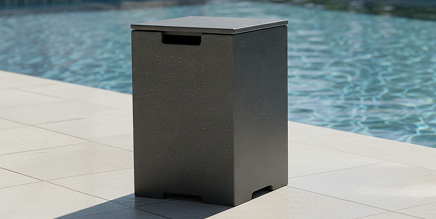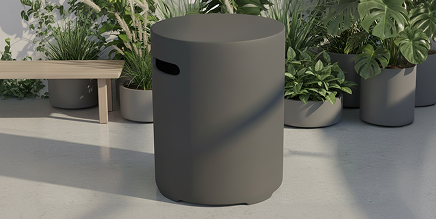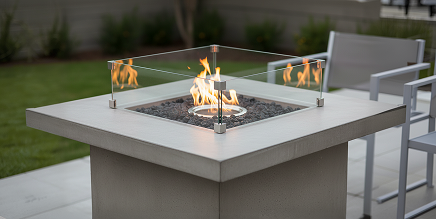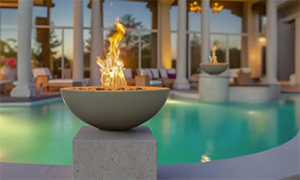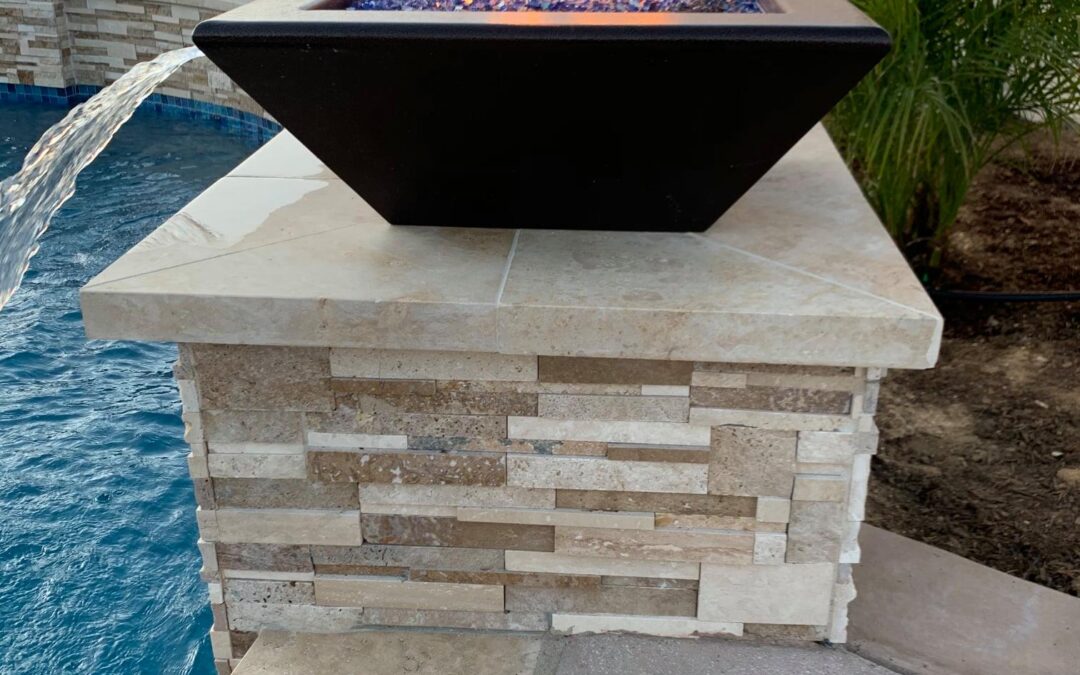
A fire bowl set beside still water can look exceptional, but the visual appeal only works if the installation is handled correctly. So, are fire bowls safe near pools? Yes, they can be – provided the bowl is built for outdoor use, installed with the right clearances, paired with appropriate gas components, Ancored down safely and positioned with both people and pool construction in mind.
That answer matters because poolside fire features are not decorative afterthoughts. They sit in one of the most demanding areas of an outdoor space, where moisture, wind, foot traffic, chemicals, and finished surfaces all affect performance and safety. For homeowners, builders, and designers working on elevated backyard environments, the real question is less whether fire bowls belong near a pool and more whether the specific bowl, location, and installation plan are right.
Are Fire Bowls Safe Near Pools in Real-World Use?
In real-world projects, fire bowls can be very safe near pools when they are selected and installed as permanent architectural features rather than treated like movable patio accessories. A premium fire bowl designed for poolside use is engineered for exposure to weather, heat cycling, and long-term operation. That is very different from a lightweight consumer fire product placed near water without planning.
Safety comes down to several factors working together. The bowl itself needs to be made from durable, outdoor-rated materials. The burner system must be correctly sized and properly fueled. The placement has to account for heat exposure, walking paths, and splash zones. Wind conditions, local code requirements, and installation details all matter. If one of those pieces is ignored, the risk goes up quickly.
This is why a poolside fire feature should be approached as part of the overall hardscape and utility plan. On a well-designed project, the fire bowl is integrated into the environment, not simply added to it.
What Makes a Poolside Fire Bowl Safe?
Material quality is the first place to look. Pool environments are harsh, especially where chlorine, salt, humidity, and sun all work on the finish year-round. Inferior materials can corrode, discolor, or weaken faster than expected. A properly built fire bowl for this setting typically uses durable aluminum or stainless steel components that can hold up over time while maintaining a refined appearance.
Construction quality also affects heat management. A handcrafted bowl with a stable structure, reliable burner pan, and properly fitted components tends to perform more predictably than a mass-market unit with thin metal or loosely assembled parts. Consistent flame behavior is not only an aesthetic issue. It is part of safe operation.
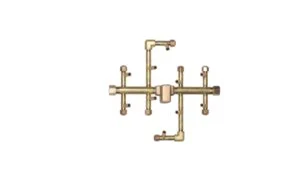
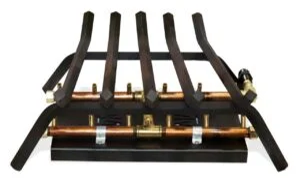
Fuel type and burner design matter just as much. Most permanent fire bowls near pools are fueled by natural gas or propane through purpose-built burner systems. Those systems need to be correctly matched to the bowl size and professionally installed. If gas pressure is wrong, components are undersized, or ventilation is inadequate, the feature may not operate safely or efficiently.
Then there is the issue of stability. A fixed fire bowl installed on a solid, non-combustible base is far safer than a portable unit that can shift, tip, or end up too close to traffic areas. Around pools, where wet surfaces and movement are constant, that distinction is significant.
Placement Is Where Most Safety Problems Start
Many concerns about whether fire bowls are safe near pools actually come down to placement errors. A bowl can be beautifully made and still be in the wrong spot.
The safest location depends on the shape of the pool, nearby seating, the direction of prevailing wind, and how people move through the space. Fire bowls should not crowd entry points, narrow walkways, or lounging areas where guests may brush too close to the flame. Pool coping, raised bond beams, and water-feature walls often provide excellent visual integration, but the installation still needs sufficient separation from active swim zones and common circulation paths.
Heat exposure to surrounding finishes should also be evaluated carefully. Natural stone, concrete, and tile generally perform well near fire, but not every finish reacts the same way over time. Some materials can discolor or degrade if the flame height is excessive or if the bowl is installed too close to adjacent surfaces. In higher-end projects, that is not just a durability issue. It is a design issue.
Splash exposure is another consideration. A little water around an outdoor fire feature is expected. Constant direct splashing is different. Repeated exposure can affect burner performance, media condition, and long-term maintenance needs. Fire bowls near pools should be close enough to complement the water, but not positioned where heavy splashing becomes part of normal use.
Wind, Flame Height, and User Comfort
Wind changes everything around a pool. An installation that seems safe on paper can become uncomfortable or unpredictable if prevailing breezes push the flame toward seating, walkways, or landscaping.
This is why flame height should be intentional, not oversized for effect alone. A dramatic flame can be appealing, but the best poolside installations balance presence with control. An excessively tall flame may create more heat than the area needs and may be more vulnerable to wind movement. In many cases, a lower, fuller flame pattern delivers the better result visually and functionally.
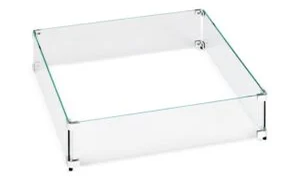
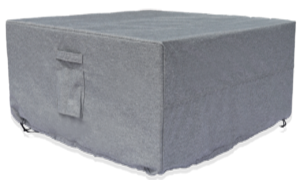
Accessories can help. Flame guards are often a smart addition in exposed environments because they help shield the flame and support more consistent performance. Burner covers and protective covers also help preserve the feature when it is not in use, especially in climates with frequent debris, moisture, or strong sun.
For design professionals, this is where product selection and site planning should happen together. The bowl style, burner output, and accessory package should reflect actual site conditions, not just a catalog photo.
Code Compliance and Professional Installation
A safe fire bowl near a pool is never just about the product. Installation quality is equally important. Gas line routing, shutoff access, ignition systems, ventilation, and setback requirements should all be addressed by qualified professionals familiar with outdoor fire features and local code requirements.
Code expectations can vary by jurisdiction, and pool areas may have additional considerations related to electrical systems, equipment placement, and structural integration. That does not mean poolside fire bowls are unusually difficult to install. It means they should be treated like permanent utility-connected features, because that is what they are.
For homeowners, the practical takeaway is simple: do not rely on guesswork. For builders and landscape professionals, it reinforces the value of specifying Installation Guide for typical projectsproducts built for this exact application and coordinating early with installers.
Design Choices That Improve Safety Without Compromising Style
The strongest poolside fire installations do not force a trade-off between beauty and safety. In fact, many of the best design decisions support both.
A bowl sized appropriately for the setting will usually look more refined and function more safely than one chosen purely for maximum flame. Custom finishes that coordinate with coping, tile, stucco, or stone help the fire feature feel integrated into the architecture rather than added on later. That integration often leads to better placement decisions as well.
Height is worth considering too. A fire bowl set at the right elevation can create visual drama while keeping the flame clearly defined and away from accidental contact. In projects with raised walls or water-feature columns, the fire often reads best when it has enough prominence to anchor the design without interrupting sightlines or movement.
This is one reason premium, made-to-order fire bowls are often the better choice in luxury outdoor spaces. Custom sizing, finish selection, and burner configuration make it easier to match the fire feature to the site, instead of forcing the site to work around a generic product.
When a Fire Bowl May Not Be the Right Choice
There are cases where a fire bowl near a pool is not the safest or smartest option. Tight deck layouts, heavy wind exposure, poor utility access, or constant child traffic around a narrow pool perimeter can all make another fire feature configuration more appropriate.
Sometimes the issue is scale. A compact plunge pool with limited hardscape may benefit more from a different type of fire element placed farther from the water. In other cases, the desired look may call for fewer but better-positioned fire features rather than multiple bowls around the entire perimeter.
A confident design approach includes knowing when restraint will produce the stronger result. Poolside fire should add atmosphere and architectural value, not visual clutter or unnecessary risk.
For homeowners and trade professionals who want a clean answer, here it is: fire bowls can be safe near pools, but only when the product quality, placement, materials, and installation standard all align. When those decisions are made carefully, the result is not just safe enough – it becomes one of the most compelling features in the entire outdoor space.
If you are planning a poolside fire feature, the best next step is to evaluate the site as seriously as the style. The right bowl should do more than create flame. It should belong to the space, perform reliably, and look just as considered in five years as it does on installation day.