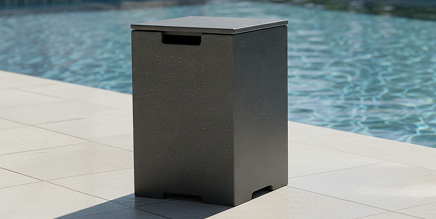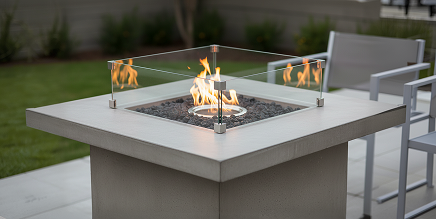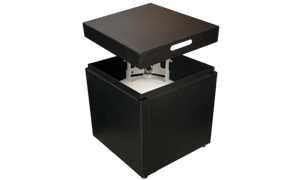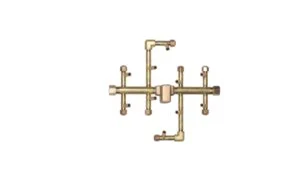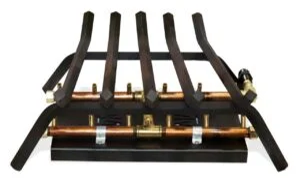
A beautiful fire feature can lose its impact quickly when the flame turns uneven, ports start clogging, or debris collects where it should not. If you are wondering how to clean outdoor burners, the goal is not simply appearance. Proper cleaning helps protect flame performance, supports safer operation, and preserves the refined look that makes a premium backyard installation feel complete. Watch Video on Cleaning Clogged Burner
Why burner cleaning matters
Outdoor burners live in a demanding environment. Wind carries in dust, pollen, leaves, and small insects. Poolside and patio settings can also expose components to moisture, salt in some regions, and residue from landscaping materials. Even a high-quality stainless-steel burner benefits from regular attention because buildup does not need to be dramatic to affect the burn pattern.
When burner ports are partially blocked, the result is often visible right away. Flames may look uneven, lower on one side, or inconsistent from start to finish. In some cases, ignition becomes less reliable. Cleaning also gives you a chance to catch early signs of wear, corrosion, or damage before they become a bigger service issue.
Before you clean, start with safety
The first step in how to clean outdoor burners is shutting the system down completely. Turn off the gas supply, extinguish the flame, and allow every component to cool fully. If your burner sits beneath fire glass, lava rock, or another media layer, do not assume the surface is cool just because the flame is out. Retained heat can linger longer than many homeowners expect.
If the burner is connected to propane, close the tank valve first. For natural gas installations, make sure the supply is fully off before touching any components. If you smell gas at any point when the unit is not operating, stop and have the system inspected before cleaning.
It is also worth checking your manufacturer guidance before removing parts. Some burner assemblies are straightforward, while others are integrated into ignition systems, pans, and valves that should be handled more carefully. A premium fire feature is an architectural element as much as it is a utility item, so cleaning should be deliberate rather than aggressive.
What you need to clean outdoor burners
You do not need a complicated kit. In most cases, a soft brush, a clean dry cloth, a vacuum or handheld blower for loose debris, mild soap, warm water, and a non-abrasive sponge will handle routine cleaning. A soft toothbrush can help around small burner ports, but avoid metal picks, drill bits, or anything that can enlarge the openings.
That point matters. Burner ports are designed to distribute gas in a specific pattern. If you scrape them with the wrong tool, you can change flame behavior and create performance problems that cleaning was supposed to solve.
How to clean outdoor burners step by step
Remove surface debris first
Start by taking off the burner cover if one is used. Remove leaves, ash, dirt, and any loose material from the bowl or pan area. If your fire feature uses fire glass or lava rock, carefully move the media aside so the burner is fully visible. Set that media on a clean surface and inspect it as you go. Broken glass, excessive soot, or compacted debris in the media bed can also affect performance.
This first pass should be gentle. You are not trying to scrub yet. You are simply clearing away the material that can hide the actual condition of the burner.
Brush the burner ports carefully
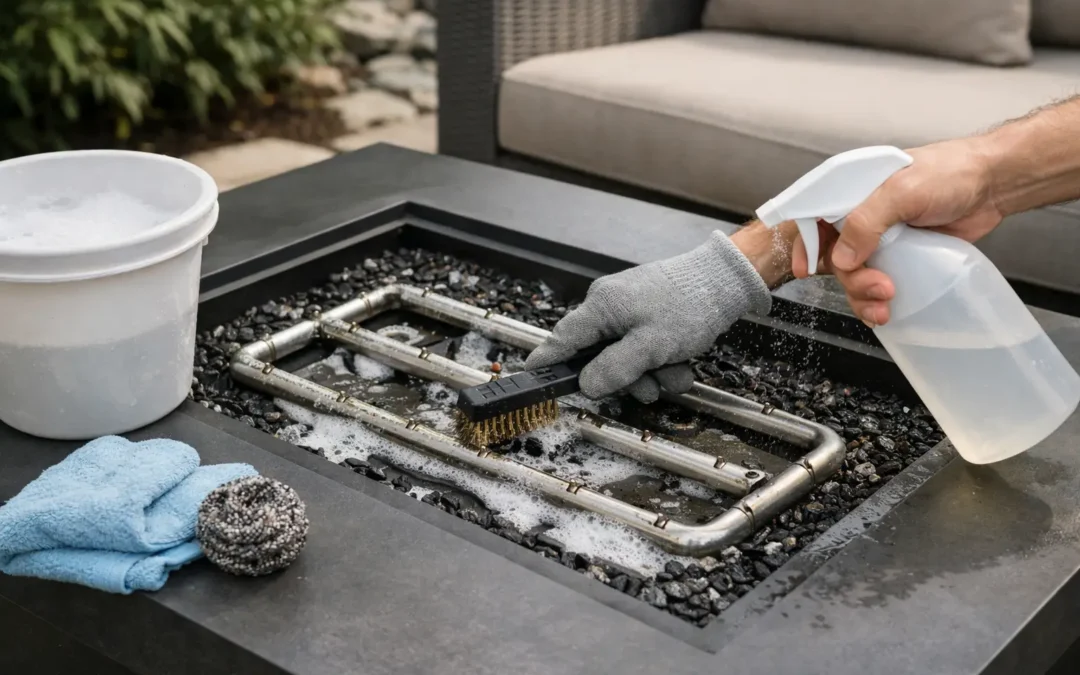
Once the burner is exposed, use a soft brush or dry toothbrush to loosen dust and residue from the burner ring, ports, and surrounding tray or pan. A vacuum with light suction can help remove the loosened debris without pushing it deeper into the ports.
If one or two openings appear blocked, resist the urge to force them clear with a hard object. A soft-bristle brush is safer for routine cleaning. If ports remain obstructed after gentle cleaning, that is often a sign the burner needs closer inspection rather than more force.
Wash the burner surface if needed
For more noticeable grime, wipe the burner with a cloth dampened in mild soap and warm water. The cloth should be damp, not dripping. Excess water is not helpful around gas components, especially if the assembly includes ignition elements.
Use a non-abrasive sponge on stainless-steel surfaces if needed, then wipe again with clean water to remove soap residue. Dry the burner thoroughly with a clean cloth. Moisture left behind can encourage spotting, surface discoloration, or corrosion over time, especially in exposed installations.
Clean the surrounding pan and interior
A clean burner can still perform poorly if the surrounding pan is full of debris. Wipe down the burner pan, bowl interior, or mounting area and remove any buildup around drainage paths. Outdoor fire features need proper drainage to avoid standing water, and blocked drain openings can create problems that look like burner failure when the real issue is trapped moisture.
This is also a good time to inspect the condition of nearby components. Look for rust, cracked fittings, loose hardware, or ignition wires that appear worn. If anything looks compromised, pause the cleaning process and address that before relighting the unit.
How to handle fire glass and media during cleaning
Fire media deserves some attention too. If your setup uses fire glass, check for heavy soot, chipping, or dust accumulation. In many cases, simply rinsing and drying the glass is enough to freshen the appearance before placing it back over the burner. Make sure it is completely dry before reinstallation.
With lava rock or similar media, the issue is often dust and fragmentation. Older material can break down and restrict airflow around the burner. If the media looks excessively worn or dirty, replacement may be smarter than repeated cleaning.
When reassembling, avoid overfilling the burner area. Too much media over the ports can affect gas flow and produce a weaker or more uneven flame. The correct amount depends on the burner design, so follow the installation guidance for that specific model.
What not to do when cleaning outdoor burners
One of the biggest mistakes is using harsh chemicals. Strong degreasers, bleach-based cleaners, and abrasive pads can damage finishes and create residue you do not want near a live flame. Pressure washing is another bad idea. It can force water into places that should stay dry and may disturb fittings or ignition parts.
Another common mistake is relighting too soon. If any moisture remains in or around the burner ports, ignition can be unreliable and flame quality may suffer. Give everything enough time to dry fully.
There is also a point where cleaning is not the real solution. If the burner is warped, badly corroded, or showing chronic ignition issues, replacement or professional service is usually the better path. Premium outdoor fire features are designed for longevity, but no component lasts forever in an exposed environment.
How often should you clean outdoor burners?
That depends on where the fire feature is installed and how often it is used. A covered patio in a mild climate may only need light cleaning every few months, with a more thorough inspection at the start and end of the main outdoor season. A poolside burner exposed to wind, landscaping debris, and regular entertaining may need attention more often.
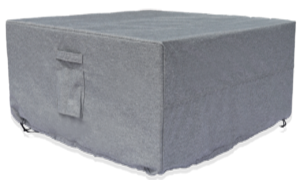
As a practical baseline, inspect the burner monthly during periods of regular use. Clean it whenever you see debris buildup, uneven flame patterns, or signs that the burner ports are partially obstructed. Using a fitted burner cover when the feature is not in use can cut down on maintenance significantly.
When to call a professional
If you have cleaned the burner carefully and the flame still burns irregularly, a deeper gas-flow or ignition issue may be present. The same is true if you notice delayed ignition, popping, persistent soot, or signs of gas leakage. Those are not maintenance details to work around.
For custom fire bowls, built-in installations, and professionally designed outdoor living spaces, service should match the quality of the overall project. A burner is a working component inside a larger design investment, and keeping it in proper condition protects both performance and appearance.
At USA Fire Bowls, we see burner care as part of preserving the integrity of the full fire feature. Quality materials and precision fabrication give you a strong starting point, but routine maintenance is what keeps the flame looking clean, consistent, and worthy of the setting around it.
A well-maintained burner does more than light properly. It keeps the entire outdoor space feeling intentional, polished, and ready when the evening calls for it.