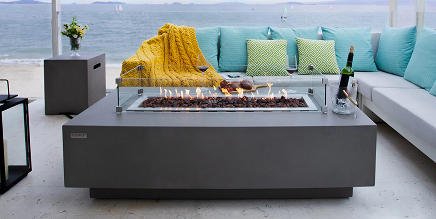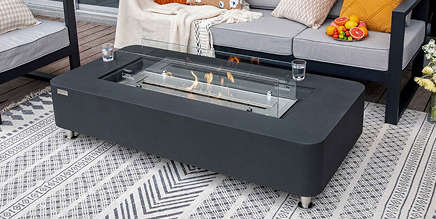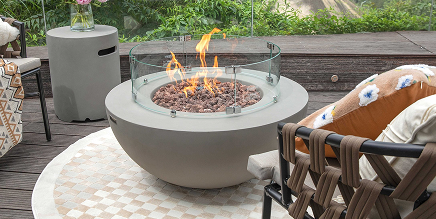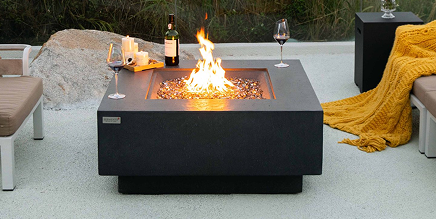
The fastest way to make a premium fire feature look ordinary is to ignore the small maintenance details. A well-built bowl can deliver years of clean flame and visual impact, but only if the finish, burner, and ignition components are kept in proper condition. This fire bowl maintenance guide is built for homeowners and trade professionals who want performance to match the design investment.
A fire bowl is exposed to more than flame. It also handles moisture, airborne debris, minerals, pollen, insects, pool chemicals, and the daily temperature swings that come with outdoor living. That is why maintenance is less about constant work and more about protecting the materials and preserving the look you chose in the first place.
Why a fire bowl maintenance guide matters
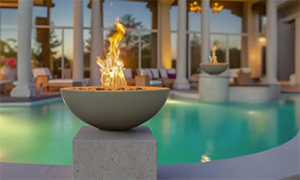
In a high-end backyard, a fire bowl is not a background accessory. It is a focal point. Whether installed along a pool edge, on patio columns, or as part of a custom landscape composition, it needs to stay visually clean and mechanically dependable.
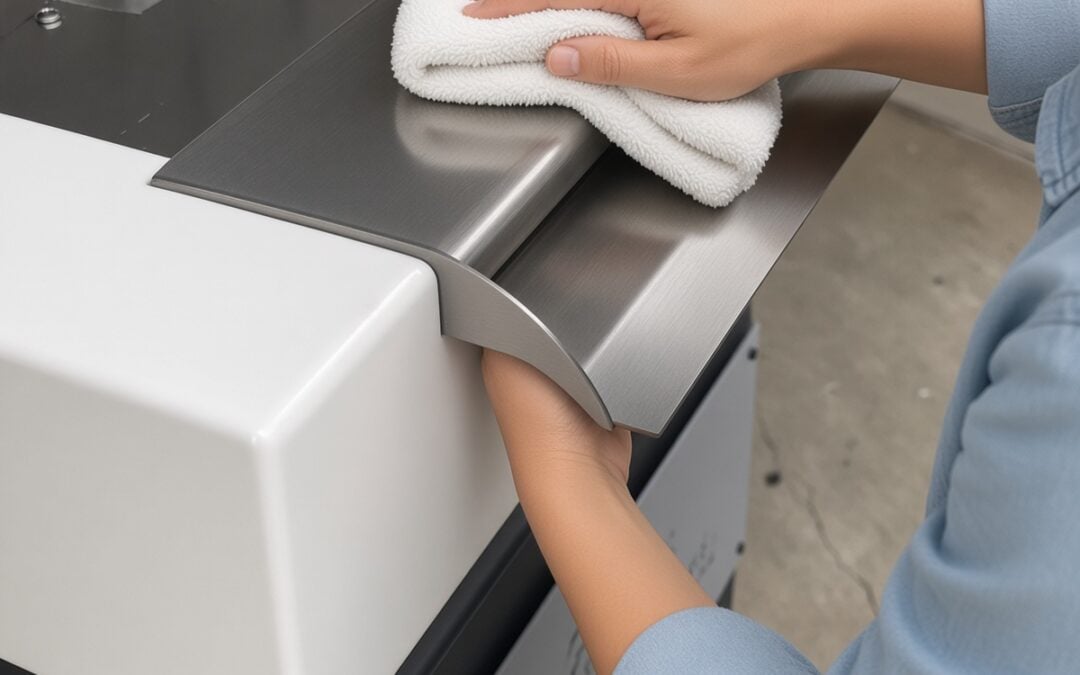
Regular care helps in three areas at once. First, it supports safety by keeping burner ports clear and fuel pathways unobstructed. Second, it protects flame quality so you get an even, attractive burn instead of weak spots or erratic ignition. Third, it preserves the finish and surrounding design materials, which is especially important when the bowl has been selected to coordinate with stone, tile, coping, or other architectural surfaces. Aluminum Powder Coated Firebowls from USAFirebowls off the best finishes in the industry today. The reason is because our firebowls are all powder coated in house using only high grade powder designed for UV and harsh elements. The finishes although very durable require maintainance much like a car. Soft soap and water and a cotton towel and a quick wipe your firebowl will stay looking great for years.
Neglect usually shows up slowly. A little dust turns into blocked burner holes. Standing water leads to staining or corrosion on vulnerable parts. A missing cover allows leaves and insects to collect where they should not. None of these problems are dramatic at the start, but they are exactly what shorten the life of outdoor fire features.
Routine fire bowl maintenance by season
Most fire bowls do not need heavy maintenance every week. They do need consistent attention at the right intervals.
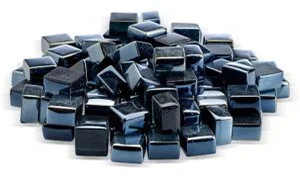
For weekly or biweekly care during frequent use, start with a visual inspection. Make sure the bowl is free of leaves, twigs, pollen buildup, and anything that could interfere with ignition or airflow. If your installation includes fire glass, check that it still sits evenly over the burner area and has not shifted enough to expose components unevenly.
Monthly, take a closer look at the burner and ignition zone. Turn off the gas supply before doing any hands-on cleaning. Remove loose debris carefully, and check for clogged burner ports, signs of insect nesting, or moisture trapped in the bowl. Wipe down exterior surfaces with a soft cloth and a non-abrasive cleaner appropriate for the finish.
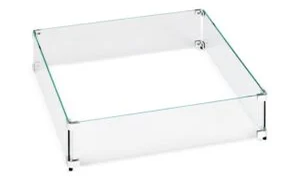
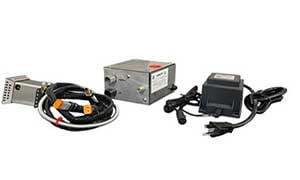
Seasonally, especially before peak entertaining months or after long periods of non-use, do a more thorough inspection. This is the time to check covers, burner covers, fittings, ignition reliability, and any visible wear on metal surfaces. In colder or wetter climates, seasonal care becomes even more important because water intrusion and freeze-thaw cycles can create avoidable problems. We recommend that you excercise the ignition system once a month to avoide carbon build-up on the hot surface igniter. Not doing this may cause a failure at a time you most want to use the igniter, Flame guards are also recommended in windy areas. Flame Guards are recomended
The exact schedule depends on placement. A bowl near a pool may deal with splash and chemical exposure. A bowl under trees will collect more organic debris. Coastal environments are harder on metal than dry inland settings. Maintenance should match the environment, not just the calendar.
Cleaning the bowl without damaging the finish
The finish is part of the product value, not a surface to scrub aggressively. Premium fire bowls are chosen as much for their visual integration as for heat and flame, so cleaning methods should be conservative.
For routine cleaning, use a soft microfiber cloth or sponge with mild soap and water. Rinse lightly if needed, then dry the surface rather than letting water sit. This matters around edges, seams, and hardware where lingering moisture can create staining over time.
Avoid abrasive pads, harsh chemicals, and cleaners designed for unrelated surfaces like masonry acid wash or heavy-duty degreasers. They may remove residue, but they can also dull coated finishes, discolor metal, or weaken protective layers. If the bowl has a custom color or specialty finish, caution is even more important.
If you are dealing with soot, look at the cause before you focus on the stain. Excess soot can point to improper media placement, burner obstruction, poor fuel-air balance, or incompatible decorative media. Cleaning the mark without addressing the source only resets the problem for the next burn.
Burner care and flame quality
The burner is where appearance and performance meet. When it is clean and correctly set up, the flame should look consistent and intentional. When it is dirty or partially blocked, the fire can appear uneven, delayed, or weak. Bowls with Igniters are recommended to also have flame guards – See Flame Guards Here and or if you plan on using the bowls during a slight breeze to prevent flame roll over.
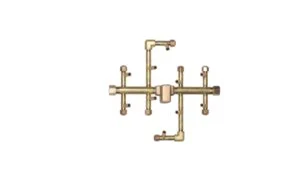
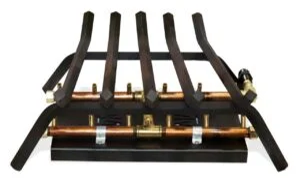
Start by making sure the gas is fully off and the system is cool. Remove fire glass or other approved media carefully so you can inspect the burner ring or burner pan area. Look for clogged ports, rust on parts that should remain clean, insect activity, and residue from moisture or debris.
Use a soft brush or compressed air only if it is appropriate for the component and you can do so without forcing debris deeper into the system. Avoid poking burner ports with tools that can widen or damage them. Precision matters. A burner is engineered for a specific gas flow pattern, and altering those openings can affect flame behavior.
If the flame burns higher on one side, sputters, or struggles to ignite, maintenance may solve it, but not always. Gas pressure issues, improper installation, or worn ignition parts can also be involved. That is where it makes sense to move from basic care to a qualified service check rather than guessing.
Covers are not optional accessories
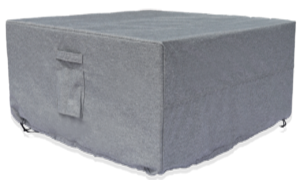
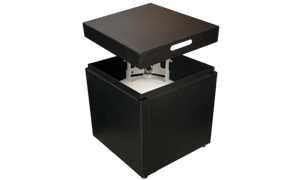
A cover does more than keep the bowl looking clean. It reduces exposure to rain, debris, insects, and UV wear when the feature is not in use. A burner cover adds another layer of protection by shielding the ignition and burner area directly.
For many installations, especially around pools or in landscaped outdoor rooms, covers are one of the simplest ways to cut down on maintenance frequency for those in snow areas. They also help preserve a finished, orderly appearance between uses.
That said, a cover is not a substitute for inspection. Moisture can still collect if a bowl is covered while damp or if humidity becomes trapped. It is a good practice to let the bowl dry fully before covering it and to remove the cover periodically to check conditions underneath.
Fit matters as much as material. A loose cover may flap, trap debris, or allow water intrusion. A properly sized cover protects the bowl without creating friction that can wear the finish.
Water, weather, and long-term durability
Water is one of the biggest maintenance variables for outdoor fire features. Rain is obvious, but irrigation overspray, pool splash-out, and condensation can be just as relevant over time.
Standing water should never be ignored. If water collects in the bowl, remove it promptly and inspect the burner area before the next ignition attempt. Lighting a gas fire feature with trapped water in the system can affect ignition performance and component life.
In regions with freeze conditions, preparation matters. Water left in vulnerable areas can expand and create stress on components or surrounding materials. In milder climates, the concern is often prolonged moisture exposure rather than freezing. Either way, dryness is your friend.
Salt air and chemically treated water deserve special mention. If the bowl is installed near a pool or in a coastal setting, surfaces should be cleaned more regularly to reduce residue buildup. Even durable materials benefit from this kind of preventive care.
When maintenance becomes service
A good fire bowl maintenance guide should say this clearly: not every issue is a cleaning issue. If the igniter clicks but the flame does not light, if the flame pattern changes suddenly, if you smell gas when the unit is off, or if corrosion appears on critical components, stop using the feature until it has been properly evaluated.
For trade professionals, this is especially important on completed projects where client confidence depends on long-term reliability. For homeowners, it is the difference between preserving a premium installation and gradually compromising it through avoidable wear.
Well-made fire bowls are designed for durability, but durability is not the same as neglect tolerance. Materials matter. Construction matters. So does upkeep.
The best maintenance habit is simple: treat the bowl like a finished architectural element, not a seasonal accessory. Keep it clean, keep it covered, check it before small issues grow, and it will continue to do what it was chosen to do – bring warmth, structure, and a refined focal point to the outdoor space.