Exercising Automatic Igniters: Why Seasonal Maintenance Prevents Failure in Pool Heaters, Outdoor BBQs, Fire Bowls, Fire Pits, and Fireplaces.
Automatic ignition systems make outdoor living effortless. A swimming pool heater that starts with a button press, a gas barbecue that lights without matches, a fire bowl or fire pit that produces clean flame at the touch of a control, or an outdoor fireplace that delivers instant warmth all rely on the same critical component: the hot surface igniter.
When these systems sit idle for weeks or months, that igniter and its supporting electronics quietly degrade. The most common result is failure at the exact moment convenience is needed most—early summer evenings by the pool, fall nights around the fire feature, or weekend gatherings that depend on reliable outdoor equipment.
NOTE: Exercising the electronics of an automatic igniter is one of the simplest and highest-value maintenance habits an owner can adopt. It takes only a few minutes, costs nothing beyond a small amount of fuel, and dramatically reduces the chance of an inconvenient (and sometimes expensive) no-start condition
. – 
What a Hot Surface Igniter Does and Why It Fails:
A hot surface igniter is a ceramic element, typically silicon carbide or silicon nitride, that draws electrical current and rapidly reaches temperatures above 2,000°F. Gas flows across the glowing surface and ignites. Once the flame is proven by a sensor, the igniter powers down and the system continues under normal operation.
These components are robust in continuous service but vulnerable to long periods of inactivity, especially outdoors. Weather is the primary aggressor.
Moisture is the most destructive factor. Overnight condensation, rain, humidity, and temperature swings allow water vapor to collect on and inside the igniter assembly and control module. When the unit finally powers on after months of sitting, that moisture can cause thermal shock as the ceramic heats unevenly. Micro-cracks form. Electrical resistance changes. The igniter either fails to reach ignition temperature or opens completely.
Corrosion follows. Salt air near coastal properties, chlorine vapor from pool equipment, and general atmospheric moisture attack terminals, wiring connectors, and the igniter itself. Oxidation builds a resistive layer that reduces current flow. The control board may interpret the higher resistance as a fault and lock out the system.
Thermal cycling compounds the problem. An outdoor unit experiences daily expansion and contraction even when not in use. Gaskets and seals age. Dust, pollen, and fine debris settle on the hot surface. When the igniter finally glows, contaminants can create hot spots that accelerate cracking.
The electronics that drive the igniter—control boards, flame sensors, gas valves, and transformers—also suffer from disuse. Capacitors age, relays stick, and software or firmware in modern smart controls can develop communication glitches after long power-down periods.
These effects accumulate quietly through late fall, winter, and spring. By the time pool season begins or the first cool fall evening arrives, the system that worked perfectly the previous year may refuse to light.
Why Owners Should Exercise Automatic Ignition Systems
Exercising the system means deliberately powering it on long enough for the igniter to heat, the gas valve to open, and the flame to establish for a short period—typically three to five minutes—then shutting it down. This simple cycle delivers several protective benefits:
Moisture is driven off the igniter surface and surrounding components before it can cause thermal shock:
Light oxidation and surface contamination are burned away.
Electrical contacts experience current flow, reducing the chance of high-resistance connections.
Control electronics wake up, confirm sensor readings, and complete a full diagnostic cycle.
Seals and moving parts in the gas train experience normal operating temperatures and pressures.
The owner receives immediate feedback if a problem is developing, allowing repair on a convenient schedule rather than during a gathering.
For swimming pool heaters the practice is especially valuable. Heaters often sit unused for long stretches once water temperatures stabilize or when the pool is covered. A failed igniter means cold water and an emergency service call at the start of the season.
Outdoor barbecues face similar risks. Many high-end grills remain covered for months. When the first warm weekend arrives, a non-lighting burner frustrates the cook and the guests.
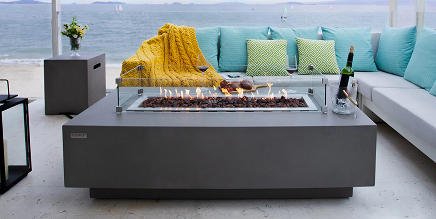
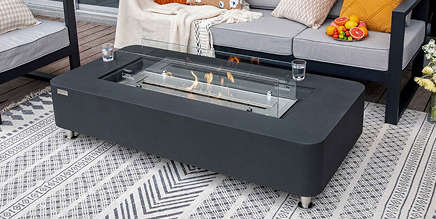
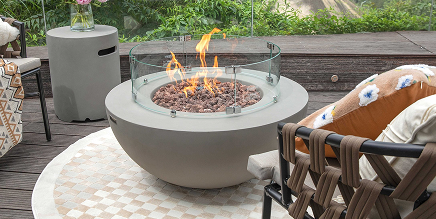
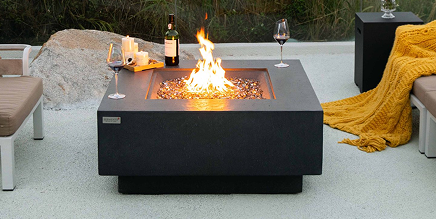
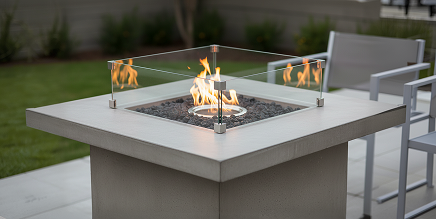
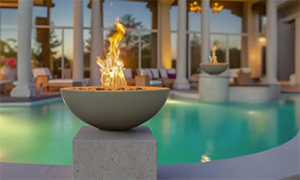
Automatic-ignition fire bowls, fire pits, and outdoor fireplaces are frequently seasonal. They may run heavily in spring and fall and sit completely idle through summer heat or winter storms. Because these features are often centerpieces of outdoor living spaces, a no-start condition is highly visible and disruptive.
Exercising all of these units on the same schedule multiplies the benefit. A single afternoon spent cycling the pool heater, the grill, and every fire feature keeps the entire outdoor living system ready.
Weather Build-Up and the Timing of Failure:
Weather does not attack the igniter in a single dramatic event. It accumulates.
In many climates a typical outdoor season looks like this: heavy use in late spring and early summer, reduced use during peak heat, renewed interest as evenings cool in early fall, then long dormancy through winter. During the dormant months the unit experiences repeated wet-dry cycles. Morning dew forms on cold metal and ceramic. Afternoon sun evaporates surface moisture but leaves residual humidity inside sealed compartments. Temperature swings of 30–40 degrees in a single day cause expansion and contraction.
By the time an owner decides the weather is perfect for the first evening fire or the first heated swim of the season, the igniter has endured months of this stress without the protective heat cycle that would have driven moisture away. The failure often appears as a click of the gas valve followed by no ignition, or a repeated trial sequence that ends in lockout.
Service technicians routinely see this pattern: units that worked flawlessly the previous October fail on the first attempt the following May or September. The root cause is almost never a manufacturing defect. It is the combination of weather exposure and inactivity.
The Power of a Smartphone Calendar Reminder
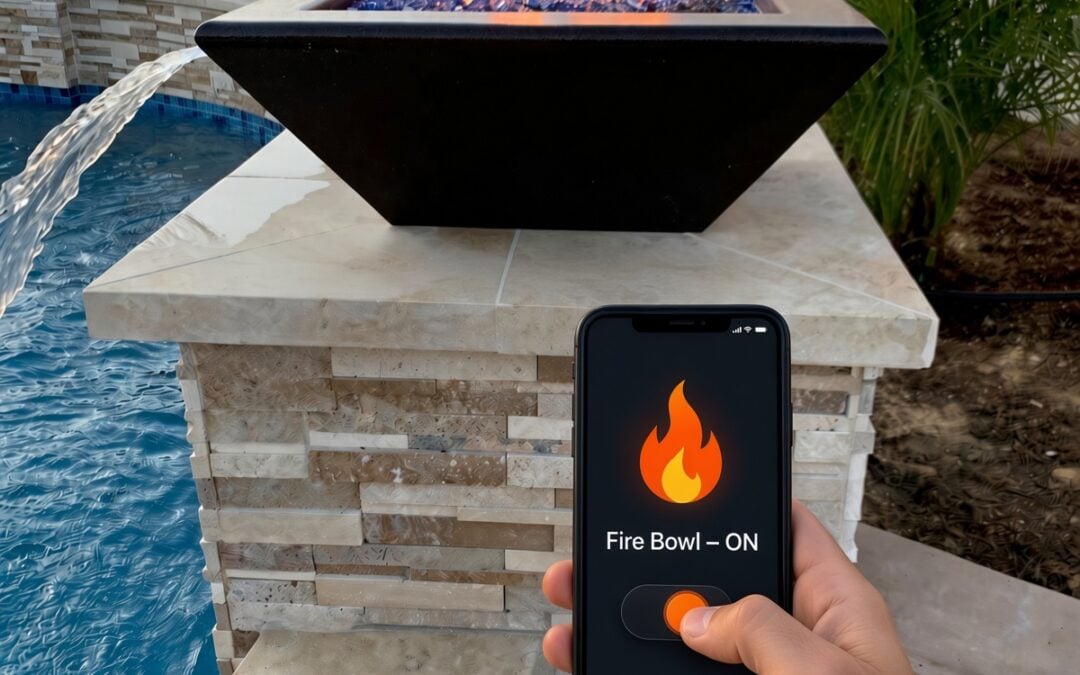
The most effective way to institutionalize this maintenance is a recurring smartphone calendar reminder. Modern phones make the habit nearly automatic.
Set a quarterly reminder—January, April, July, and October work well for most regions—or a monthly reminder during the off-season. Title it clearly: “Exercise outdoor ignition systems – pool heater, grill, fire features.” Attach a short checklist so the task is never ambiguous:
Confirm gas supply is on and propane or natural gas pressure is normal. – The correct nominal operating pressure for a standard low-pressure propane fire pit is 11 inches of water column (11″ w.c. or about 0.4 PSI), with an acceptable range between 11″ and 14″ w.c. – The correct natural gas pressure for a residential fire pit is 7 inches of Water Column (WC), which is equivalent to approximately 0.25 PSI.
Power on the pool heater and allow a complete ignition sequence and three minutes of operation.
Light the barbecue burners (including side burners and infrared elements if present) and run for several minutes.
Activate every fire bowl, fire pit, and outdoor fireplace, establish flame, and run briefly.
Note any unusual sounds, delay in ignition, or error codes for later attention.
Shut everything down and return covers if used.
Performing the entire list in one session creates efficiency. The owner is already outside, tools and flashlights are available if needed, and the mental load of remembering multiple separate tasks disappears.
Calendar reminders also create a historical record. If a system begins showing slower ignition times or occasional lockouts, the owner can look back at previous exercise dates and correlate performance changes with weather events or usage patterns.
For households with multiple outdoor gas appliances, the shared reminder becomes a family or property-management routine. Guests or seasonal staff can be trained to the same simple procedure.
The psychological benefit is real. Knowing that every automatic ignition system was recently exercised removes the low-level anxiety that many owners feel when they decide to use a feature for the first time in months. The system is far more likely to light on the first try, preserving the convenience that justified the purchase.
Practical Considerations and Safety:
Always follow the manufacturer’s lighting and shutdown procedures. Never force a system that is displaying an error code; diagnose or call a qualified technician. Ensure proper ventilation when testing indoor-adjacent or enclosed patio fireplaces. Keep flammable materials clear of all test operations.
If a unit refuses to light during an exercise cycle, the early discovery is itself a success. Parts can be ordered and installed on a normal schedule rather than as an emergency. Many hot surface igniters are field-replaceable, and control boards are often modular. Addressing issues during routine exercise is far less expensive and stressful than a same-day service call on a holiday weekend.
Long-Term Value
Regular exercise of automatic igniters extends component life, reduces emergency service costs, and protects the investment in outdoor living equipment. Pool heaters, premium barbecues, and high-end fire features represent significant capital. The few minutes required to cycle them periodically is one of the highest-return maintenance activities available.
Weather will continue to deposit moisture, promote oxidation, and stress materials. The only practical countermeasure under the owner’s control is periodic operation. A smartphone calendar reminder converts that knowledge into consistent action.
When the first warm evening of the season arrives or the first cool fall night calls for flame, the systems that were exercised months earlier are far more likely to deliver the instant, reliable performance their owners expect. Convenience is preserved, frustration is avoided, and outdoor living remains as effortless as the original design intended.
By treating automatic ignition electronics as active systems that benefit from regular use rather than passive components that can be ignored until needed, owners keep their pool heaters, outdoor barbecues, fire bowls, fire pits, and fireplaces ready for the moments that matter most.