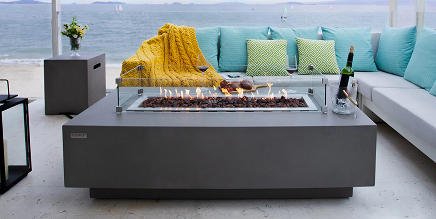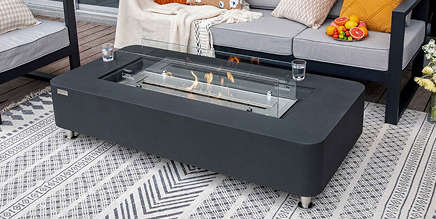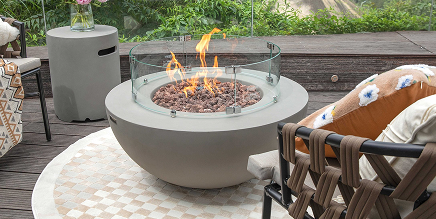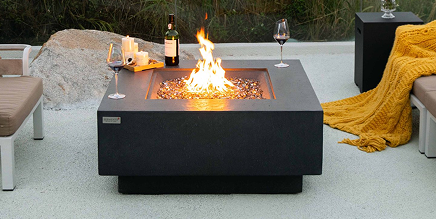
A fire bowl can look perfect in a showroom and still be the wrong choice for a finished backyard. Once you factor in installation, finish matching, long-term exposure, and the visual standards of a custom pool or patio, the question of aluminum vs concrete fire bowls becomes much more practical than stylistic.
For homeowners and trade professionals building a higher-end outdoor space, material choice affects more than appearance. It shapes how easily the bowl installs, how well it holds up over time, how closely it can match surrounding materials, and how much confidence you have in the finished result.
Aluminum vs concrete fire bowls: what changes in real use
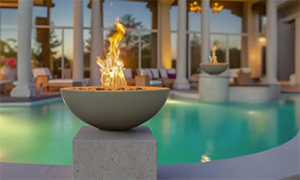
At a glance, both materials can deliver a strong architectural look. Both can serve as a focal point beside a pool, frame an entry sequence, or anchor a seating area. The difference shows up once the bowl has to live outdoors through heat, moisture, weather shifts, and routine use.
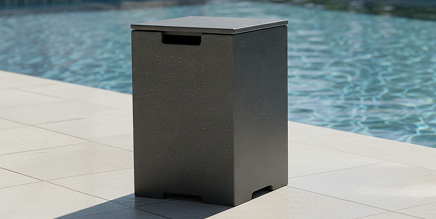
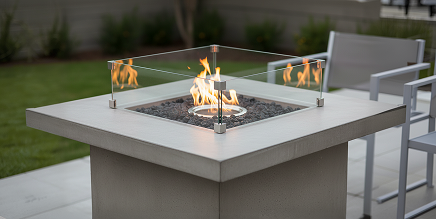
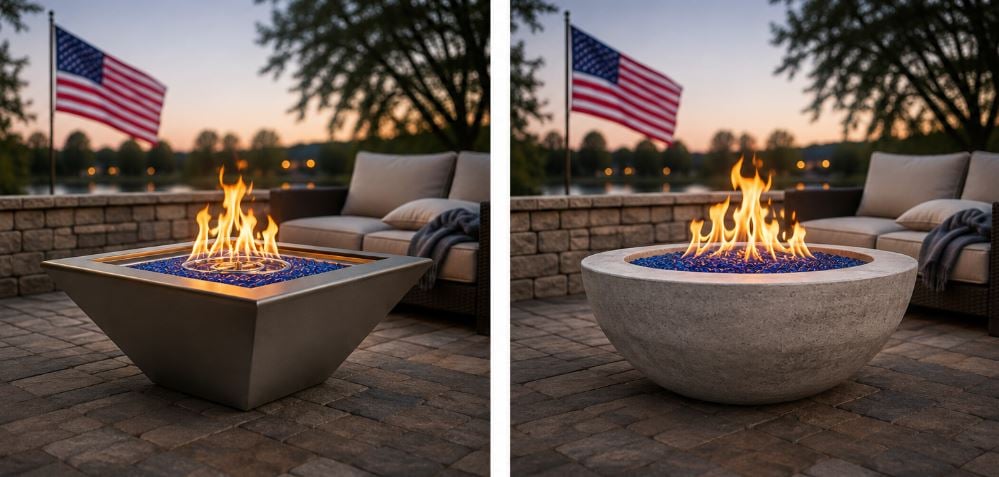
Aluminum fire bowls are typically chosen for their balance of strength, lighter weight, and finish flexibility. In premium applications, that matters because a bowl often needs to coordinate with tile, coping, stucco, metal accents, or other hardscape elements instead of simply sitting nearby as a stand-alone feature.
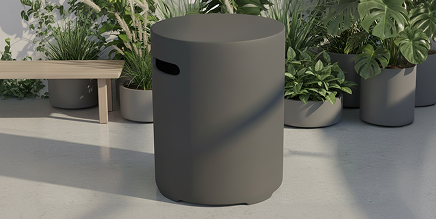
Concrete fire bowls appeal to buyers who want mass and a masonry look. They can feel substantial and permanent, which suits certain design styles. But that same mass can create complications during shipping, handling, placement, and in some settings, long-term surface performance as concrete will fade and crack were powder coated aluminum will maintain that look of new for many years with a simple maintenance program.
Weight and installation are not minor details
This is where many projects start to separate. A concrete fire bowl is heavy. That may sound reassuring, but weight can turn into a constraint when the bowl needs to be placed on columns, near pool bond beams, or in locations where access is limited. More weight usually means more labor, more coordination, and less flexibility if plans shift late in the project.
Aluminum is much lighter, which simplifies transport and installation without making the product feel insubstantial when it is properly built. For contractors and pool builders, that can reduce handling complexity on site. For homeowners, it can mean fewer installation headaches and a cleaner path from design approval to final placement.
This matters even more in remodels. In an existing backyard, moving a heavy concrete bowl through narrow side yards, across finished decking, or around a pool can become a project in itself. A lighter aluminum bowl is often the more practical fit when the design needs to work with a real property rather than a blank slate.
Durability depends on more than raw mass
People often assume concrete is tougher because it feels heavier and more structural. In reality, outdoor durability is more nuanced. Fire bowls deal with repeated heat exposure, changing temperatures, moisture, and in many cases poolside conditions that include splash-out, humidity, and treated water nearby.
Concrete can crack over time. That does not mean every concrete fire bowl fails, but it does mean the material has inherent vulnerability, especially when exposed to freeze-thaw cycles, thermal movement, or inconsistent manufacturing quality. Hairline cracking, surface variation, and weathering may be acceptable to some buyers, but they are not always welcome in a refined outdoor design.
A well-crafted aluminum fire bowl avoids many of those issues. It will not crack like concrete, and when finished properly, it offers dependable long-term performance in exterior environments. Material quality and manufacturing standards still matter, of course. Thin, poorly fabricated metal products are one thing. Premium aluminum construction is another.
For buyers looking for durability with less material risk, aluminum often offers a more controlled outcome over time.
Finish quality and design flexibility
In upscale outdoor spaces, the fire bowl rarely stands alone. It needs to work with the full material palette. That might include porcelain pavers, natural stone, tile spillways, powder-coated railings, stucco walls, outdoor kitchens, and water features. The closer the fire element integrates with those finishes, the more intentional the space feels.
This is one of aluminum’s strongest advantages. It allows for a wider range of finish options and custom color matching that can align more precisely with the surrounding architecture. If a designer wants a bowl to echo bronze accents, coordinate with charcoal coping, or complement a soft stone palette instead of copying it exactly, aluminum gives more room to do that.
Concrete is usually more limited in appearance. It can offer a handsome cast look, but it tends to stay within a narrower aesthetic lane. If that lane matches the project, it can work well. If the design calls for cleaner lines, more refined finish control, or a closer match to surrounding materials, concrete can feel restrictive.
That difference becomes especially clear in custom homes and poolscapes where every finish has been selected with care. In those environments, flexibility is not a luxury. It is part of getting the design right.
Appearance over time
The first-year look and the fifth-year look are not always the same. Concrete develops character, but whether that is attractive or distracting depends on the project. Some owners appreciate subtle variation and patina. Others see discoloration, weathering, or cracking as signs the feature is aging poorly.
Aluminum tends to offer a more consistent visual presentation over time, particularly when paired with a quality exterior finish. For a clean-lined contemporary backyard or a polished resort-style pool area, that consistency can be a major benefit.
There is also a maintenance mindset to consider. If the goal is a crisp, tailored outdoor environment with minimal visual unpredictability, aluminum generally supports that better than concrete. If the goal is a heavier, more weathered, masonry-forward look, concrete may still be the right call.
Style matters, but style is not everything
Concrete fire bowls often pair naturally with rustic, Mediterranean, or heavily masonry-based landscapes. They can look at home alongside plaster walls, textured stone, and traditional hardscape materials where a little variation feels appropriate.
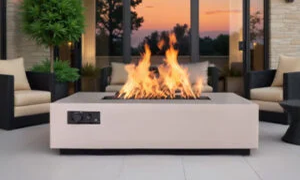
Aluminum fire bowls are more versatile. They can suit modern, transitional, coastal, and even classic outdoor spaces depending on the shape and finish. That range makes them attractive to both homeowners and design professionals who need a fire feature to complement the architecture rather than dominate it.
When comparing aluminum vs concrete fire bowls, the better-looking choice is usually the one that fits the project vocabulary. A bowl should feel integrated with the home and landscape, not selected in isolation.
Cost should be judged against the full project
Entry pricing alone can be misleading. Concrete bowls may appear straightforward at first, but total project cost can rise once shipping, labor, handling, and installation logistics are accounted for. Their weight has real downstream effects.
Aluminum bowls may sit in a more premium category, especially when they are handcrafted and customizable, but they often return value in other ways. Easier handling, refined finish options, strong durability, and better alignment with upscale design standards can justify the investment.
For trade professionals, that calculation is familiar. A material that reduces site complications and helps deliver a cleaner final presentation often saves more than it costs. For homeowners, the same logic applies. The least expensive option on paper is not always the best fit for a six-figure outdoor project.
Which material is right for your project?
If your priority is a lighter, more adaptable, design-forward fire feature with strong long-term reliability, aluminum is usually the better choice. It works especially well for custom pool environments, elevated patio designs, and projects where finish coordination matters.
If your project calls for a heavier masonry expression and the site can comfortably handle the installation demands, concrete may still make sense. It can be visually effective in the right setting, particularly when a cast, grounded appearance is part of the design intent.
For many premium backyards, aluminum offers the better balance. It delivers durability without excess weight, visual sophistication without design limitations, and a more controlled end result in spaces where details are expected to hold up.
At USA Fire Bowls, that balance is exactly why aluminum continues to be such a strong material for handcrafted outdoor fire features. When a fire bowl is meant to complement a luxury poolscape instead of merely occupy it, material choice becomes part of the design standard.
The best fire bowl is not the one that sounds toughest in a product label. It is the one that fits the structure, the finish palette, and the level of quality the rest of the backyard already demands.