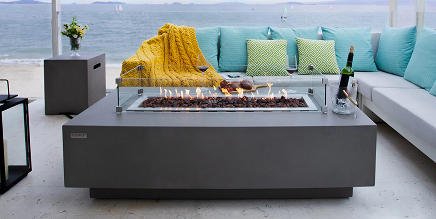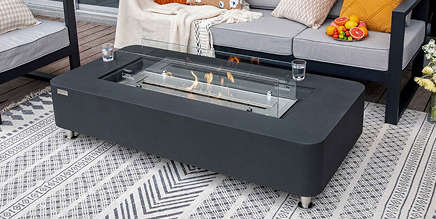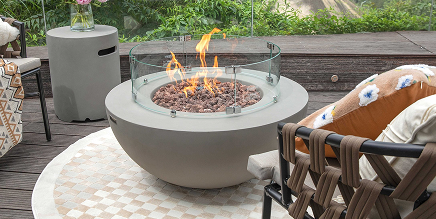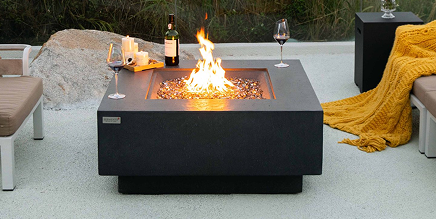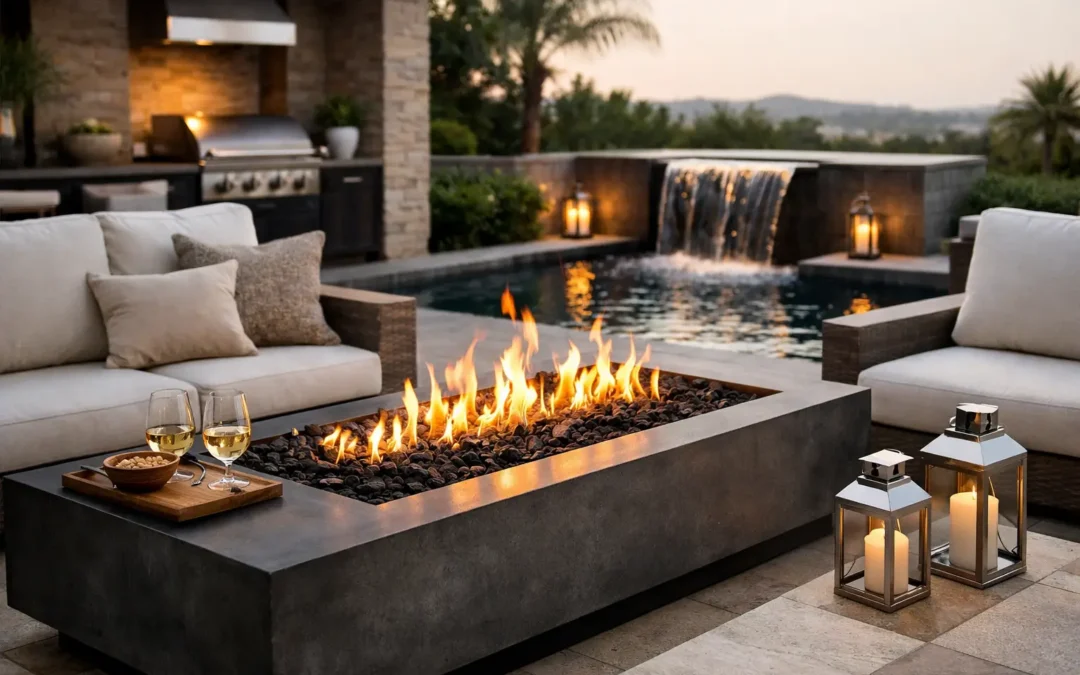
A fire feature can look perfectly proportioned in a design rendering and still disappoint once it is lit. The difference usually comes down to the parts beneath and around the flame. The best outdoor fire pit components work as a coordinated system, delivering a clean flame, dependable operation, weather resistance, and a finished appearance worthy of a custom poolscape or patio.
For a luxury outdoor project, components should never be selected as an afterthought. The burner, ignition method, media, enclosure, flame guard, and cover all affect how the feature performs and how it holds up through changing seasons. A high-quality fire bowl or square fire pit deserves components built to the same standard.
Start With the Fire Feature’s Intended Use
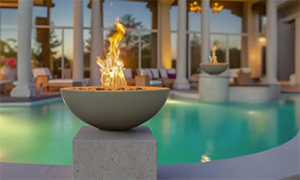
Before choosing individual parts, define what the fire feature needs to do. A pair of fire bowls flanking a pool may be designed primarily for visual impact, while a large square fire pit in a conversation area must provide a fuller, more social flame. A tabletop fire bowl has different scale, fuel, and clearance needs than a permanent gas fire feature integrated into a hardscape.
This decision informs the appropriate burner size, flame height, ignition system, and media volume. It also helps prevent a common design mistake: installing a burner that is too small for a wide opening. The result is often a flame that feels visually lost inside an otherwise substantial bowl or fire pit.
For pool builders and landscape professionals, this is also the point to coordinate gas supply, electrical access for electronic ignition, drainage, and service access. Planning these details before stone, tile, or decking is installed protects the design and reduces costly rework later.
The Best Outdoor Fire Pit Components, Explained
A properly sized stainless-steel burner
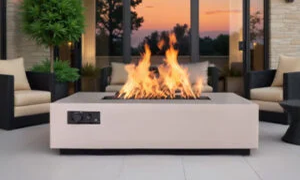
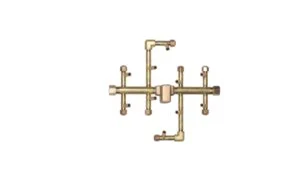
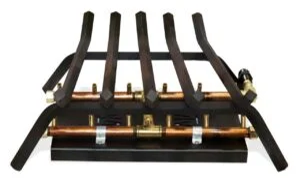
The burner is the performance center of a gas fire feature. It determines the shape and distribution of the flame, so its dimensions should relate directly to the opening of the bowl or fire pit. Round burners suit round vessels, while linear or H-style configurations may be better for rectangles and larger square fire pits.
Stainless steel is the preferred material for premium outdoor applications because it is well suited to heat, moisture, and exposure. In poolside settings, where chlorinated water, salt air, and cleaning products may be present, material quality matters even more. A burner built from suitable stainless steel is a practical investment in consistent performance and long-term appearance.
Burner pans are often valuable in custom installations. A pan creates a defined area for the burner and fire media, supports a cleaner installation, and can make future servicing more straightforward. The right choice depends on the fire feature design, but the goal remains the same: a burner that sits securely, receives adequate fuel, and produces an even flame across the intended area.
An ignition system that matches the project
Manual ignition can be appropriate for straightforward fire features where the homeowner is comfortable lighting the burner according to the manufacturer’s instructions. It offers simplicity and can be a sensible choice for a feature used occasionally.
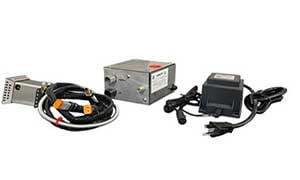
Electronic ignition is often the better fit for refined entertaining spaces, especially when convenience and automatic safety functions are priorities. Depending on the system selected, electronic ignition can support wall switches, remote controls, timers, or smart-home integration. It also requires thoughtful installation, including electrical planning and protected access to the control components.
The trade-off is clear. Manual systems generally involve fewer electrical requirements, while electronic systems provide a more polished user experience and may offer additional flame-sensing safety features. The best choice depends on how often the fire feature will be used, who will operate it, and how the overall outdoor space is controlled.
Fire media with the right scale and finish
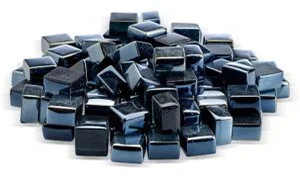
Fire media gives the flame its visual foundation. It should complement the fire feature’s finish and surrounding architecture without competing with the rest of the landscape. Fire glass is a popular option for contemporary pools, modern patios, and clean-lined aluminum fire bowls because it catches light beautifully even when the burner is off.
Color selection deserves the same attention as tile, coping, and outdoor furnishings. Neutral reflective glass can support a crisp architectural palette, while darker tones can create contrast against light stone. Copper, bronze, or blue shades may work well when they echo accents elsewhere in the design.
Media size matters as much as color. Smaller glass can create a refined, jewel-like surface, while larger pieces read more substantial in an oversized fire pit. The media must be rated for fire-feature use and installed at an appropriate depth. Too much media can interfere with flame performance; too little may leave a burner looking exposed and unfinished.
Lava rock is another option, particularly when a more natural texture is desired or when it is used as a base layer beneath decorative fire glass. The final choice should serve the design rather than follow a trend. A sleek pool terrace and a rustic stone gathering area call for different visual treatments.
A flame guard for wind and definition
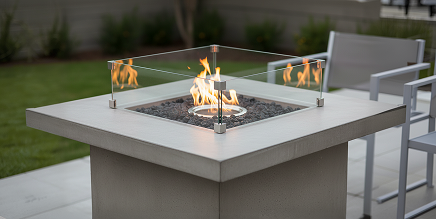
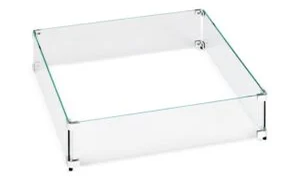
A glass flame guard can be both a safety-minded and design-conscious addition. It helps define the fire area, offers a degree of protection from wind, and creates a polished edge around the flame. For fire features in open yards, elevated patios, or breezy coastal environments, it can help the flame appear more stable and intentional.
Flame guards should be properly sized for the fire feature and should not interfere with ventilation or access. They are particularly effective on square and rectangular fire pits where their crisp geometry reinforces the architectural form of the piece. In some installations, local codes or project requirements may influence whether a guard is needed, so verify requirements before finalizing the specification.
A fitted burner cover and protective cover
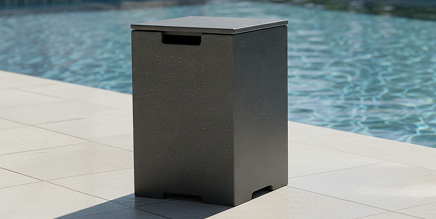
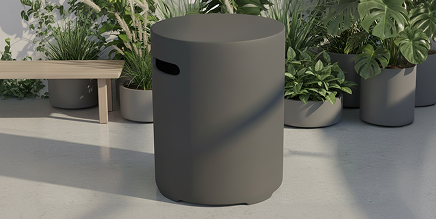
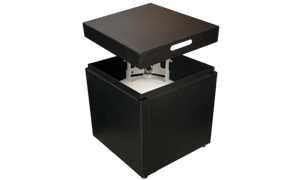
These are two different components, and both earn their place in a premium installation. A burner cover rests over the media area when the fire feature is not in use. It keeps leaves, dirt, and moisture away from the burner and can turn the top of a fire pit into a more usable surface when the unit is completely cool.
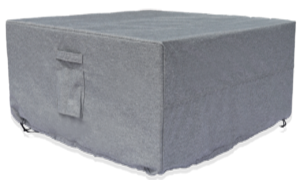
A full protective cover shields the exterior of the bowl or fire pit from dust, debris, and prolonged weather exposure. Even durable powder-coated aluminum and stainless-steel components benefit from routine protection, especially during long periods of disuse or harsh seasonal conditions.
Look for covers designed for the exact shape and dimensions of the feature. A loose, generic cover can trap water, catch wind, and wear against finished surfaces. A properly fitted cover supports the clean, cared-for look that high-end outdoor spaces require.
Do Not Overlook the Enclosure and Drainage
The visible flame may receive all the attention, but the enclosure carries the system. A quality fire bowl or fire pit body should be built from materials suited to exterior exposure, with enough structural integrity to support its burner, media, and finish over time. Powder-coated aluminum is especially well suited to projects that need a refined appearance without the excessive weight and corrosion concerns associated with some alternatives.
Drainage is equally essential. Water must not be allowed to collect around the burner, gas connections, or electronic components. This is particularly relevant for fire bowls placed near pools, water features, or irrigated planting areas. The installation should provide appropriate drainage pathways and follow the product’s requirements for ventilation and access.
For custom exterior environments, color matching can also be a component of the broader specification. Coordinating the fire feature finish with tile, stone, cabinetry, or metal details creates a more resolved outdoor design. USA Fire Bowls builds handcrafted aluminum fire features in the United States with customization options that help designers carry that visual continuity through the entire space.
Specify Safety and Service Access Early
A premium fire feature should be easy to enjoy, not difficult to maintain. Gas shutoff locations, control panels, ignition boxes, and electrical connections need accessible, protected locations. Concealing these elements is good design. Making them impossible to service is not.
Work with qualified professionals for gas and electrical installation, and follow applicable local codes, clearances, and manufacturer instructions. Pool decks, covered patios, and outdoor kitchens can introduce additional requirements related to combustible materials, ventilation, and nearby structures. These details vary by project, so there is no one-size-fits-all component package.
The right system balances appearance with practical ownership. Select components that suit the feature’s scale, environment, fuel source, and intended use, then give the installation the planning it deserves. When every part is chosen with purpose, the flame becomes more than a finishing touch – it becomes the element that makes the entire outdoor setting feel complete.