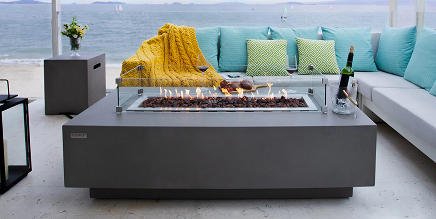
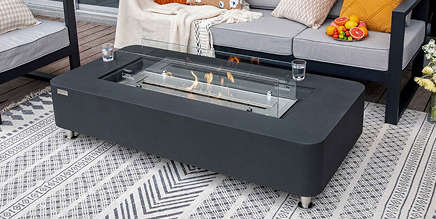
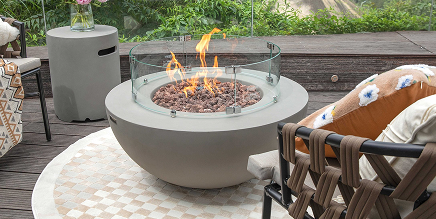
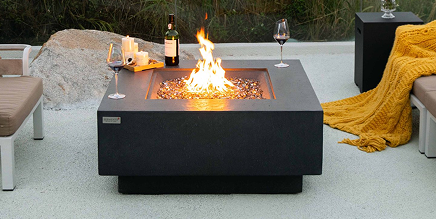
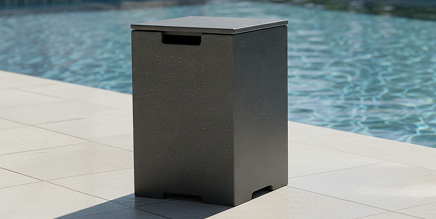
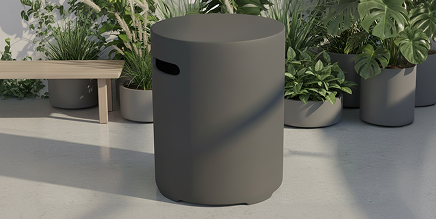
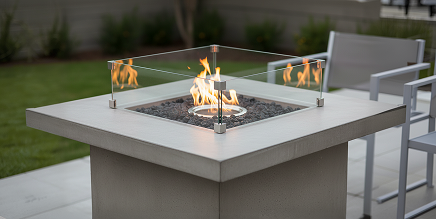
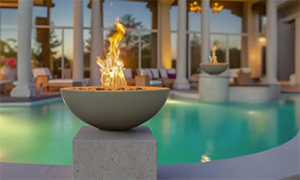
A fire bowl beside a pool is built to live outdoors, not retreat indoors at the first sign of rain. Still, the answer to can fire bowls get wet is more useful than a simple yes or no: the bowl’s exterior can handle normal weather exposure, but water should never be ignored inside the burner area, ignition components, or gas controls.
For a premium fire feature, proper drainage, a fitted cover, and a quick post-storm check preserve both its appearance and reliable operation. Those details matter even more in a refined poolscape, where a fire bowl is expected to perform as beautifully as it looks.
Can Fire Bowls Get Wet in the Rain?
Yes. A quality outdoor fire bowl is designed to tolerate rain and ordinary outdoor moisture. Powder-coated aluminum bodies are particularly well suited to exterior environments because aluminum will not rust like untreated steel. Stainless-steel burners also offer strong corrosion resistance when correctly specified and maintained.
That does not mean a fire bowl should be treated as waterproof in every respect. Rainwater can collect in the pan, settle around the burner ports, saturate fire media, or enter electronic ignition and control areas if the feature is left uncovered for extended periods. Water is also more likely to create problems when drainage is blocked, the bowl is installed without proper clearance, or a cover traps moisture rather than shedding it.
A well-made fire bowl should withstand a passing storm. The goal is to keep water from remaining where it can interfere with fuel delivery, ignition, drainage, or the finish over time.
What Rain Can Affect on a Fire Bowl
The exterior shell is usually the least concerning part of the assembly. For handcrafted aluminum fire bowls with a durable powder-coated finish, rain alone is not a reason for alarm. The finish is intended to provide a polished, durable surface for patios, pool decks, and landscaped outdoor living spaces.
The functional components deserve closer attention. Burner ports can hold water, especially when fire glass or lava rock shifts and prevents drainage. If moisture remains in the burner, the flame pattern may be uneven on the next use. In more severe cases, debris and mineral residue can partially block gas ports.
Electronic ignition systems are another consideration. Components are selected for outdoor use, but standing water and repeated saturation can affect an igniter, pilot assembly, wiring connection, or control module. A match-lit system has fewer electrical components, but it still requires a dry, unobstructed burner before lighting.
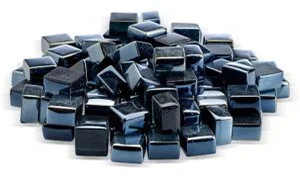
Fire media can also retain water. Wet fire glass is not necessarily damaged by rain, but it should be allowed to drain and dry before operation. Trying to light a fire feature while water is pooled below or around the media can lead to delayed ignition, sputtering, or an irregular flame.
Standing Water Is the Real Concern
A fire bowl can get wet. It should not sit in water.
Standing water is usually an installation or maintenance issue rather than a material failure. Drainage openings in the fire pan and beneath the bowl must remain clear so rain can exit as intended. On a pool deck or raised pedestal, the structure below the bowl also needs a route for water to escape. Water trapped inside an enclosure can create hidden moisture problems around gas connections and ignition components.
During installation, contractors should follow the fire bowl’s specifications for ventilation, drainage, gas-line routing, and access to service components. Do not add sealant, stone, tile, or landscaping materials in a way that closes off required drainage paths. Likewise, do not drill new holes in the fire bowl or burner pan unless the manufacturer has specifically approved that modification.
For homeowners, the practical check is straightforward: after a heavy rain, look for water pooling in the burner pan or beneath the bowl. If it is present, do not light the feature. Remove the cover if one is in place, allow the assembly to drain and dry, and identify what is preventing water from moving out.
Pool Water, Salt, and Chemicals Require More Care
Rainwater is one thing. Frequent pool splash, saltwater exposure, and chemical residue are more demanding on any outdoor metal finish.
Poolside fire bowls are often positioned near water by design, and premium materials are chosen with that setting in mind. Even so, chlorinated or saltwater droplets should not be allowed to build up on the bowl, burner, or fire media. After heavy splash exposure, gently rinse the exterior with clean fresh water and dry it with a soft cloth. This removes residues before they can dull a finish or contribute to surface staining.
Avoid abrasive pads, harsh solvents, and acidic cleaners. A premium powder-coated finish does not need aggressive treatment. Mild soap, water, and a non-abrasive cloth are generally the right approach for routine exterior cleaning.
What to Do Before Lighting After Rain
Never assume a fire bowl is ready to operate simply because the sky has cleared. A brief inspection protects the feature and avoids an unpleasant surprise when guests are gathered around the patio.
First, confirm that the gas supply is off before checking the burner area. Remove any protective cover only after the bowl has fully cooled, then inspect the fire media and burner pan for pooled water, leaves, mulch, or other debris. If water is visible, allow it to drain completely. Do not attempt to force ignition or use the burner to dry the assembly.
Once the burner area is dry, check that the burner ports are clear and that fire glass or lava rock has not shifted into a position that obstructs them. If your fire bowl uses an electronic igniter, inspect the visible components for moisture and allow additional drying time when needed. If you smell gas, hear an unusual hiss, or experience repeated ignition failure, stop and have the system evaluated by a qualified gas professional.
It is also wise to test the flame pattern after a major storm. A healthy burner should produce an even, controlled flame across its designed surface. Uneven flames can indicate wet media, blocked ports, low gas pressure, or another issue that deserves attention before regular use.
When a Protective Cover Makes Sense
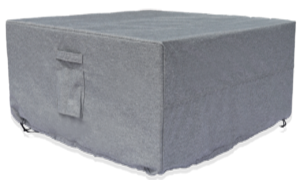
A fitted protective cover is one of the simplest ways to reduce weather-related maintenance. It keeps leaves, dirt, bird debris, and much of the direct rainfall out of the burner area, particularly during long periods when the fire bowl is not being used.
Covers are most valuable in regions with seasonal rain, heavy tree cover, wind-blown debris, or winter downtime. They also help preserve a clean, presentation-ready appearance for outdoor entertaining. For trade professionals, specifying a cover at the time of purchase gives clients a practical way to protect the visual investment after installation.
A cover is not a substitute for correct drainage. Choose one that fits properly and sheds water rather than allowing it to pond. Before covering the feature, turn off the gas supply and make sure the bowl is completely cool. Never place a cover over an operating or recently extinguished fire bowl.
A Seasonal Care Routine for Outdoor Fire Bowls
Premium outdoor features benefit from light, consistent care rather than occasional intensive cleaning. At the start of the season, inspect the burner, ignition area, media, and drainage paths. Clear debris, wipe down the exterior, and verify that the feature lights and burns evenly.
After significant storms, repeat a shorter version of that inspection. During months of infrequent use, keep the bowl covered when cool and dry, while checking periodically for trapped moisture or debris. For installations in freeze-prone areas, follow the product’s seasonal shutdown guidance and have gas-related service performed by an experienced professional when appropriate.
USA Fire Bowls are handcrafted for the demands of elevated outdoor environments, but their best long-term performance comes from pairing durable materials with thoughtful installation and routine attention. A fire bowl should feel effortless during an evening by the pool, not uncertain because yesterday’s rain was overlooked.
Treat rain as a normal part of outdoor living, then give the burner area the same care you would give any precision outdoor appliance. A dry, clear, well-drained fire bowl is ready to bring warmth and visual presence back to the patio when the weather turns in your favor.