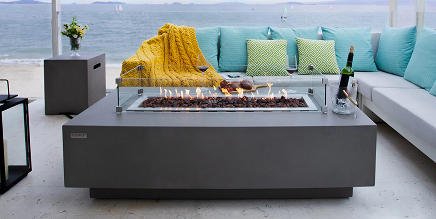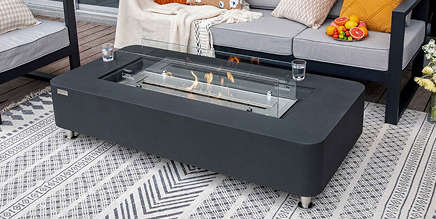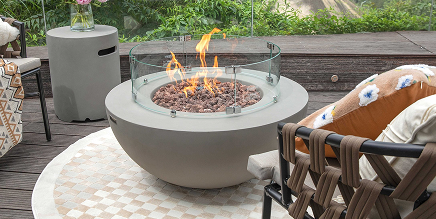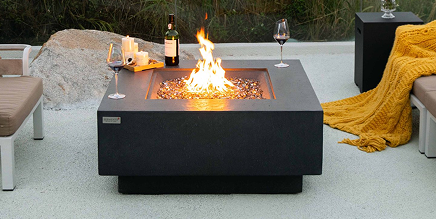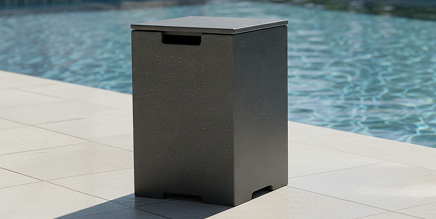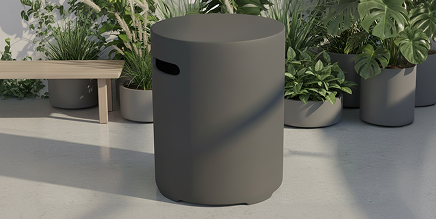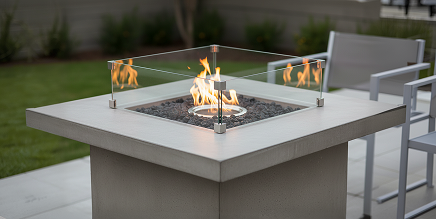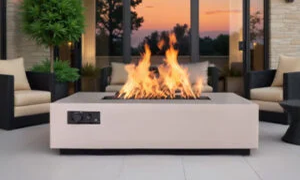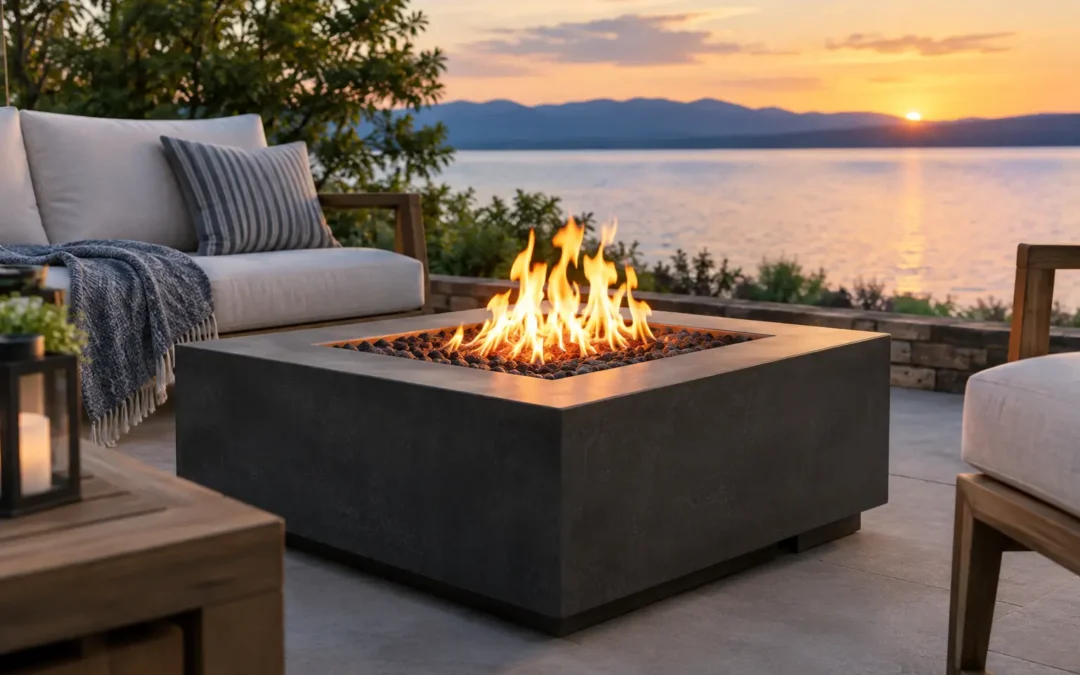
A fire feature can photograph beautifully and still fall short once it reaches the job site. Thin metal, an undersized burner, an uneven finish, or vague installation guidance can turn a focal point into a costly compromise. The most useful fire pit reviews look beyond a five-star rating to reveal how a product performs, ages, and fits into a finished pool or patio environment.
For homeowners and trade professionals, reviews are most valuable when they answer the questions product photography cannot: Does the finish hold up? Is the flame proportionate to the bowl? Did the dimensions work in the intended setting? Was the unit packaged, installed, and supported appropriately? Reading with those questions in mind leads to a better specification and a more convincing outdoor space.
How to Read Fire Pit Reviews With Context
A review from a homeowner who needed a compact gathering spot has different value from one written by a pool builder completing a high-end project. Before weighing any opinion, consider the reviewer’s use case. A patio fire pit intended primarily for warmth will be judged differently than a square fire bowl designed to create a visual anchor beside a pool.
Look for descriptions of the setting, fuel type, product size, and installation method. A reviewer who explains that a feature was installed on a raised stone pedestal near a pool gives you meaningful context. A brief comment that says only that the product is nice does not tell you whether it will suit your project.
It also helps to separate product feedback from fulfillment feedback. Transit damage, carrier scheduling, or a delayed contractor may be frustrating, but they are not necessarily evidence of poor construction. Conversely, repeated comments about warped panels, failing coatings, or burner issues deserve close attention because they point to the product itself.
Give More Weight to Long-Term Ownership
The strongest reviews often come after a season or more of use. Initial excitement is understandable, but premium outdoor fire features should be assessed for durability as well as first impressions. Look for comments about finish condition after sun, rain, pool chemicals, and regular cleaning.
For coastal installations or regions with severe winters, ask more specific questions. Outdoor conditions are not interchangeable. A feature that performs well in a covered inland patio may need different material choices, placement, or protective accessories in a salt-air environment or freeze-thaw climate.
Materials Matter More Than Marketing Language
Many fire pit reviews use words such as heavy-duty or premium without explaining what those terms mean. Material details provide a more reliable foundation for comparison. For decorative fire bowls and architectural fire features, aluminum construction offers a meaningful advantage: it resists rust while remaining practical to position during installation. A properly applied powder-coated finish adds another layer of protection and provides the color flexibility needed for design-driven spaces.
Steel can be appropriate in certain applications, but the thickness of the material, coating system, drainage design, and local exposure all affect longevity. A broad claim of metal construction is not enough. Buyers should want to know what metal is used, how the body is fabricated, and how exposed seams and edges are finished.
The burner deserves equal scrutiny. Stainless steel is a sensible choice for a component exposed to heat and weather, and the quality of the burner pan, burner ports, and gas connections influences both flame presentation and service life. In reviews, note whether owners mention consistent ignition, even flame distribution, and durable internal components rather than focusing only on exterior appearance.
A Finish Should Belong to the Landscape
In a luxury backyard, a fire feature should coordinate with the project rather than look selected from a generic outdoor decor aisle. Reviews can help confirm whether a finish appears as expected in natural light, but they cannot replace thoughtful material selection.
Consider the relationship between the fire feature and nearby tile, coping, stone, cabinetry, and furniture. Dark charcoal can create crisp contrast against pale travertine. A warm bronze or custom color may better complement desert stone, wood tones, or architectural metalwork. Because screens and photographs shift color, a finish decision should be treated as part of the wider design process, not an afterthought.
Judge Flame Performance in the Actual Setting
A dramatic flame is not simply a matter of choosing the highest BTU rating. Burner size, media depth, fuel supply, wind exposure, and the proportions of the bowl all shape what the flame looks like. A large square or rectangular fire feature with a small burner can appear underpowered, while an oversized burner in a compact vessel may look aggressive and be harder to manage.
Reviews are especially useful when they mention flame consistency across the full burner area. Hot spots, weak sections, or frequent ignition trouble can diminish the effect of an otherwise handsome piece. If a reviewer shares details about fuel type, wind conditions, and fire media, their experience is more useful than a general comment about a big flame.
Natural gas and propane also involve different planning considerations. Natural gas is often preferred for permanently installed fire features because it supports convenient, repeatable operation. Propane can suit locations where a gas line is impractical, but tank placement and access need to be resolved early. In either case, qualified gas and electrical professionals should handle installation according to applicable codes and the manufacturer’s instructions.
Size Is a Design Decision, Not a Product Filter
A common reason for disappointing fire pit reviews is not a defective product. It is an incorrectly sized product. What looks substantial online can feel underscaled beside a broad pool deck, while an oversized unit can crowd circulation paths or obstruct a carefully planned view.
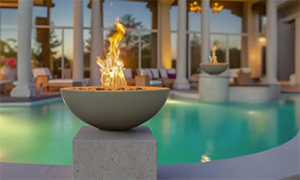
Start with the fire feature’s role. A pair of matching bowls can frame a pool’s far edge and create symmetry from inside the home. A single square fire bowl may establish a strong center point within a lounge area. A rectangular fire pit can reinforce the long horizontal lines of a retaining wall, outdoor kitchen, or linear pool.
Then consider viewing distance. A feature seen from across a pool generally needs more visual presence than one placed next to seating. The bowl’s exterior dimensions, flame opening, pedestal height, and surrounding hardscape should be considered together. For trade professionals, scaled plans and field verification remain more dependable than estimating from photographs.
What Negative Reviews Can Tell You
A negative review is not automatically a reason to reject a product. It can reveal whether the buyer’s expectations, site conditions, or installation process differed from the intended application. The key is identifying patterns.
Repeated complaints about paint fading may signal poor coating quality, but they may also point to an exposed location without a protective cover. Complaints about low flame may stem from a restricted gas line, improper pressure, wind, or an incorrect media setup. A credible manufacturer should provide clear specifications and installation guidance that help prevent these issues before the feature is ordered.
Be cautious when reviews focus exclusively on price. Premium fire features cost more because fabrication, material selection, burner components, finish work, packaging, and support all matter. The lowest initial price may not represent the lowest long-term cost when replacement, refinishing, or service becomes necessary.
Questions Worth Asking Before You Buy
When reviews raise questions, use them to guide a more productive conversation with the manufacturer or installer. Ask about the following details before finalizing a specification:
- What are the body, burner, and burner pan materials?
- Which fuel configurations and ignition options are available?
- What clearance, ventilation, drainage, and access requirements apply?
- Can the finish be coordinated with the project’s tile, stone, or architectural palette?
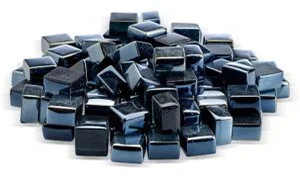
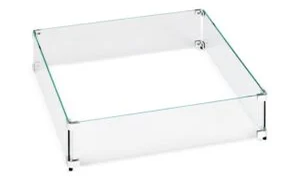
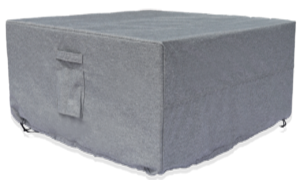
- Which cover, burner cover, flame guard, and fire media options are compatible?
These questions move the decision from general preference to project-specific fit. They also help prevent a common luxury-outdoor mistake: selecting the fire feature at the end, after utilities, structure, and placement options have already been limited.
Specify for the Finished Space You Want
The best fire pit reviews confirm that a product performs as promised, but they should not make the design decision for you. Use them to validate craftsmanship, support, materials, and real-world performance. Then select a shape, finish, and flame presentation that belongs in the space you are creating.
For a poolside project or custom patio, USA Fire Bowls offers handcrafted aluminum fire features built to support that level of coordination, from square and rectangular forms to tailored finish options and compatible components. A well-specified fire feature should feel permanent, intentional, and proportionate from the first lighting through years of outdoor entertaining.