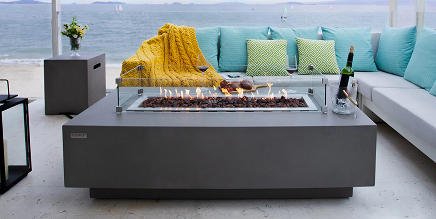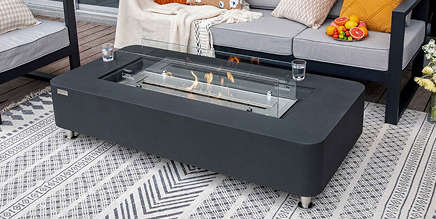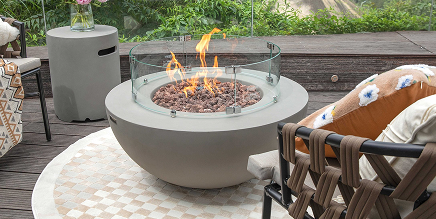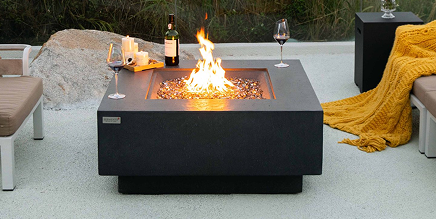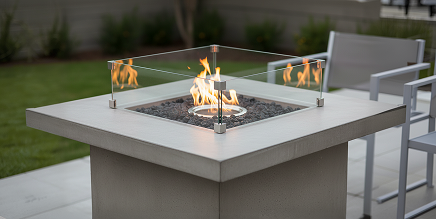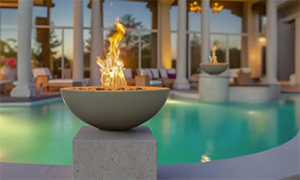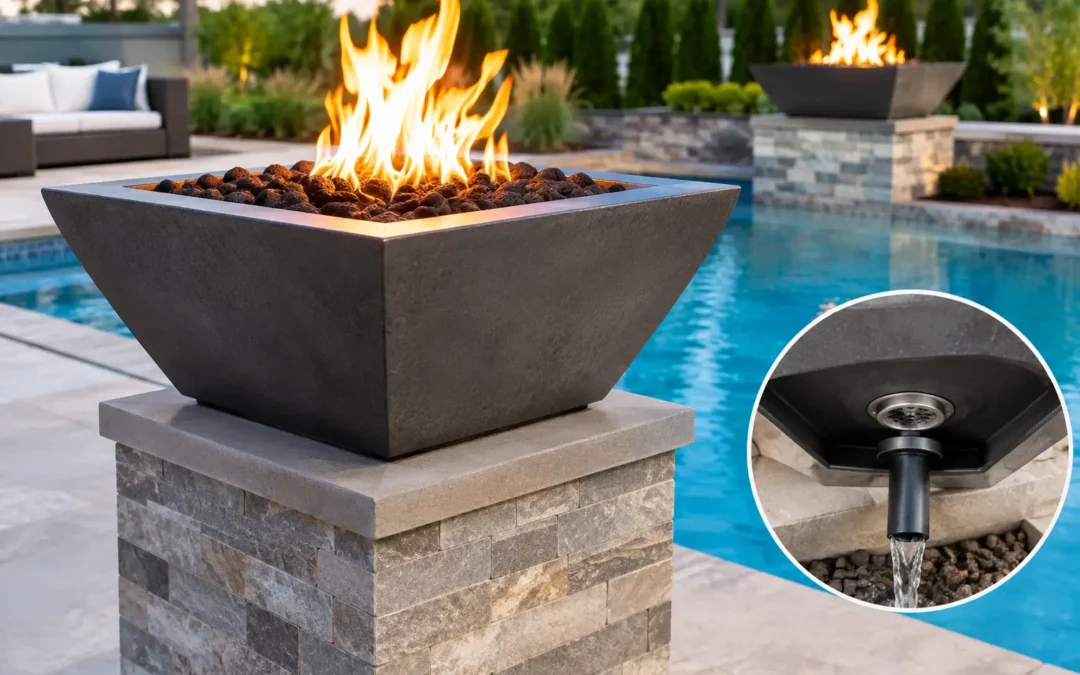
A fire bowl can be beautifully finished, carefully color-matched, and perfectly positioned beside a pool, yet still suffer from a preventable problem: trapped rainwater. Proper fire bowl drainage protects the burner assembly, preserves the finish, and helps the feature perform as intended through changing weather. It is not a decorative detail. It is part of the installation system.
For homeowners, builders, and landscape designers, drainage should be decided before the bowl is set on a pedestal, cap, wall, or equipment pad. Retrofitting a drainage path after gas, electrical, hardscape, and finish materials are in place is more difficult, more expensive, and rarely as clean.
Why fire bowl drainage deserves early planning
Outdoor fire features are exposed to more than occasional rain. They collect irrigation overspray, pool splash, condensation, wind-driven debris, and runoff from surrounding hardscape. In a bowl with decorative fire media, water can sit below the surface where it is not immediately visible. That standing water can affect burner components, encourage staining, and leave sediment behind as it evaporates.
The concern is greater in poolside applications. Chlorinated or saltwater splash is more aggressive than ordinary rainwater, particularly when it dries repeatedly on metal surfaces and fittings. Premium aluminum construction and stainless-steel components provide meaningful durability, but no material benefits from being left submerged or constantly wet.
Drainage also helps maintain the appearance clients expect from a high-end outdoor installation. Water that overflows from a bowl onto a stone veneer, painted pedestal, or adjacent deck can create mineral deposits and discoloration. A well-planned concealed drain route keeps the visual focus where it belongs: on the flame, the fire media, and the architectural composition of the space.
How fire bowl drainage works
A properly designed system gives water a deliberate exit path from the interior of the fire bowl. The exact configuration depends on the bowl design, the type of mounting structure, local site conditions, and the amount of rain or splash exposure the installation will receive.
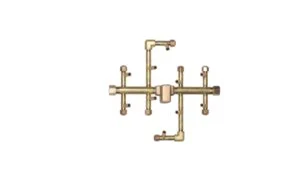
Many installations use a drain opening at the low point of the bowl or fire pan area, connected to a suitable drain line that passes through the supporting structure. The line must remain open, slope appropriately where gravity drainage is used, and discharge at an approved location. The goal is simple: water should leave the bowl without pooling around the burner, gas connections, ignition components, or finished exterior surfaces.
Drainage should never be treated as an improvised hole added after the fact. The location and size of openings must respect the fire bowl’s construction and the manufacturer’s requirements. Modifying a bowl, burner pan, or gas component without approval can compromise performance, finish coverage, warranty protection, or safe operation.
The bowl, burner, and support structure all matter
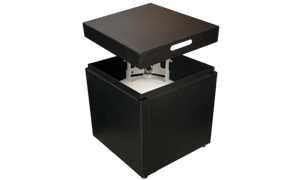
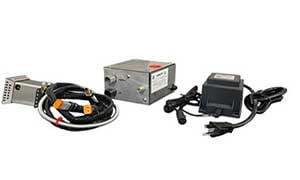
Drainage is a system, not a single fitting. The bowl must have a way to release collected water. The burner area needs to avoid becoming a low point that holds water. The pedestal or masonry enclosure needs enough internal clearance for the drain line, gas line, and any electronic ignition components. Finally, the site needs a legal and practical place for that water to go.
This is why coordination between the fire feature supplier, pool builder, landscape contractor, plumber, and electrician matters. A beautiful bowl cannot compensate for a support structure that blocks its drainage route. Likewise, a clear pipe will not solve a problem if the bowl is installed out of level and water consistently gathers away from the designated drain point.
Choosing the right drainage route
The best route depends on the project. On a raised masonry pedestal, a vertical drain line may run down through the center or rear of the structure before tying into an approved landscape drainage system. On a freestanding patio feature, the bowl may drain through a concealed channel beneath the assembly. In some applications, a gravel-filled drainage zone below the structure may be appropriate, but only when site soil, runoff patterns, and local requirements support that approach.
Direct connection to a pool plumbing system is generally not a default solution for a fire feature. Pool systems are engineered for circulation and filtration, not for handling debris from a fire bowl. Decorative media, ash, leaves, and sediment can create maintenance issues if drainage is routed carelessly. Drainage must also be separated from gas and electrical pathways in a manner that meets applicable codes and installation instructions.
Avoid routing water onto a deck, toward the home, into a planter that remains saturated, or across a walking path. These choices can create slip hazards, staining, erosion, or foundation concerns. The cleanest-looking installation is often the one where the drainage path was considered at the same time as the patio grading and utility layout.
Gravity drainage versus assisted drainage
Gravity drainage is usually the preferred approach because it is simple and does not depend on a pump or electrical equipment. It requires a consistent downhill route and a discharge location below the bowl’s drain point. That may be easy on a sloped lot or during new construction, but more challenging on a flat existing patio.
Where gravity drainage is not practical, an installer may evaluate an assisted solution such as a small basin and pump. This introduces additional maintenance and failure points, so it should be selected for a clear reason, not as a substitute for thoughtful site planning. A pump system must also be accessible for service and designed so a temporary failure does not cause water to back up into the fire feature.
Design details that prevent recurring problems
Level installation is essential. A bowl that is visibly level can still have enough variation to send water away from its drain point, especially in broad square or rectangular fire bowls. Confirm level at the actual finished bearing surface, not just on an unfinished cap or framing component.
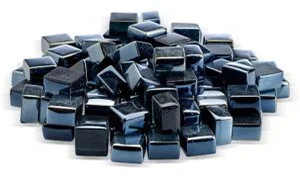
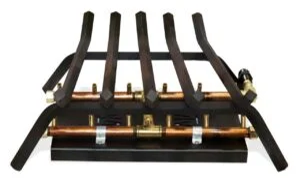
The fire media selection and depth matter as well. Fire glass, lava rock, and other approved media should be installed according to the burner system’s requirements. Excessive media depth can make maintenance harder and may conceal water or debris buildup. Media should not be packed so tightly that it blocks designated drainage openings.
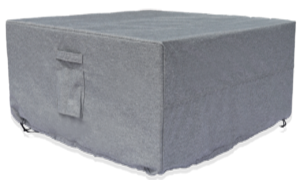
A fitted burner cover is also valuable. It will not replace drainage, and it should not be assumed to make a bowl watertight. Its role is to reduce leaves, dust, and direct rainfall reaching the burner area when the feature is not in use. For seasonal properties or periods of heavy rain, a properly fitted protective cover can further reduce exposure to standing water and debris.
For custom projects, drainage planning should happen alongside finish selection. Powder-coated aluminum bowls can be specified to complement tile, stone, stucco, and exterior paint palettes, but the supporting pedestal and drain termination should be equally considered. A hidden drain route that requires an awkward access panel or interrupts a carefully detailed veneer is a sign that coordination started too late.
Installation mistakes to avoid
The most common mistake is assuming the fire bowl will simply dry out on its own. Sun and heat may evaporate some moisture, but evaporation leaves behind minerals and contaminants. It also does nothing for water collected beneath fire media or around hidden connections.
Another frequent issue is allowing the drain outlet to become clogged with mortar, landscaping soil, insects, or construction debris. Before the final handoff, the installer should verify that water moves freely from the bowl through the full drainage route. This test is especially valuable after hardscape work, when debris has a way of finding every open line.
Do not seal a bowl so completely into a masonry enclosure that service access disappears. Gas connections, ignition components, drainage fittings, and burner hardware may need inspection over the life of the feature. Discreet access is preferable to dismantling stonework for routine service.
Finally, do not let drainage decisions override fuel-system safety. Gas piping, shutoff access, electrical connections, ventilation requirements, and burner clearances must follow the applicable product instructions and local codes. A qualified installer can integrate these needs without turning the finished design into a collection of visible utilities.
A practical maintenance routine
A fire bowl does not need constant attention, but seasonal checks protect a premium installation. After major storms, inspect the bowl for standing water, leaf accumulation, and displaced fire media. Confirm that the drain opening is clear and that water is not collecting beneath the burner area.
At the beginning of the entertaining season, remove loose debris, inspect the burner and ignition components according to their instructions, and check that the bowl remains level. If the feature sits near a pool, wipe away splash residue before it dries. In areas with freezing conditions, follow the manufacturer’s seasonal care guidance and address any water that could remain trapped before a hard freeze.
For homeowners and trade professionals specifying a handcrafted feature, drainage is one of the details that separates an installation that merely looks complete from one designed to last. Give water a clear path out, preserve access for service, and let the fire bowl remain the polished focal point it was chosen to be.