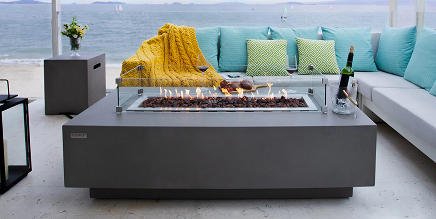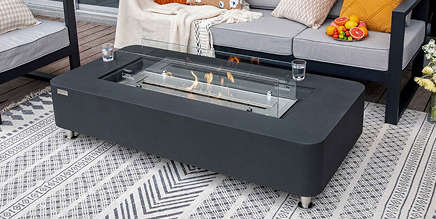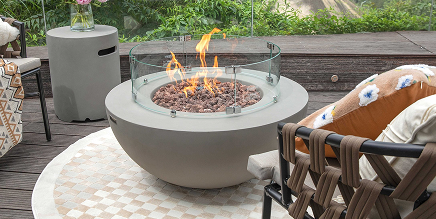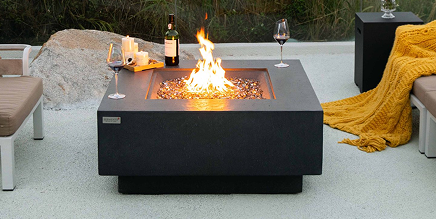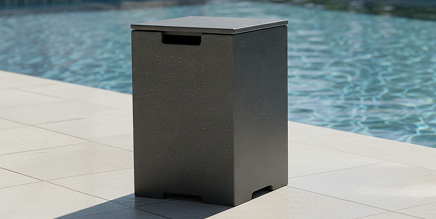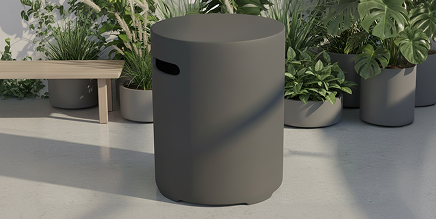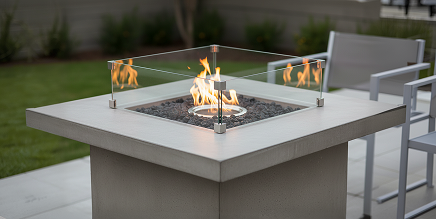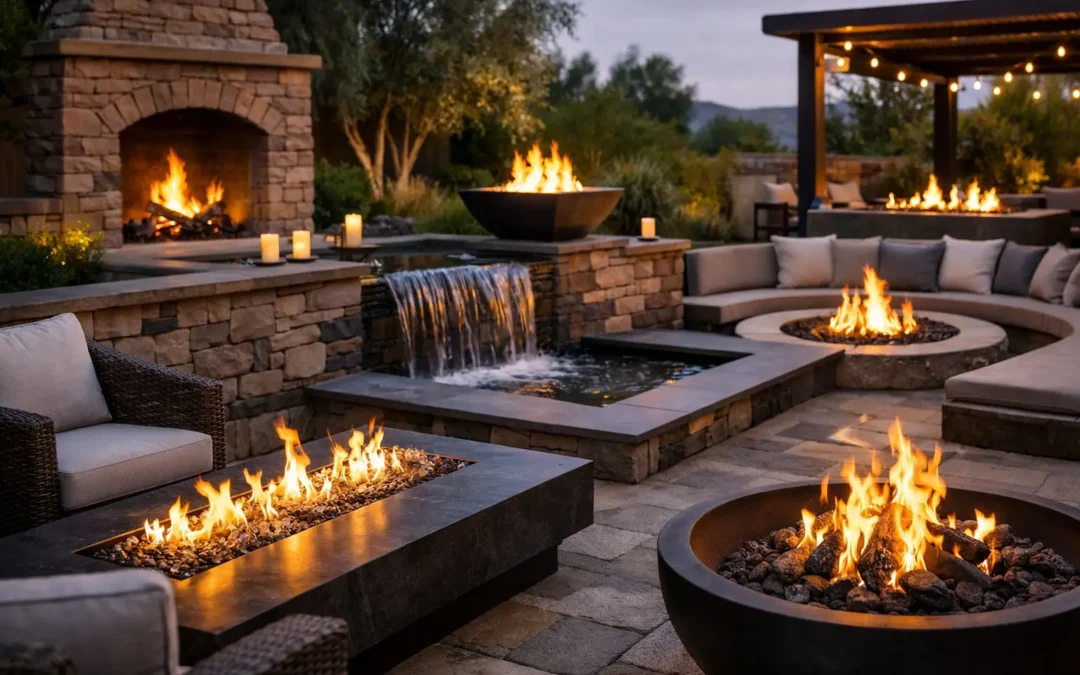
A fire feature can make a backyard feel finished in a way furniture alone never does. It creates a focal point, adds movement after dark, and gives a pool deck or patio the kind of visual weight that makes the whole space feel intentional. The best backyard fire feature ideas do more than add warmth – they reinforce the architecture, complement the hardscape, and hold up beautifully over time.
For high-end outdoor spaces, that last part matters. A fire element should look refined in daylight, perform reliably at night, and feel integrated rather than dropped in as an afterthought. Whether you are planning a new poolscape, upgrading an entertaining area, or sourcing pieces for a client project, the strongest results usually come from choosing a fire feature that fits the layout, materials, and scale of the property.
Backyard fire feature ideas for different layouts
Not every yard needs the same solution. A compact patio has very different needs than a large pool and spa environment, and a feature that works beautifully in one setting can feel undersized or visually heavy in another.
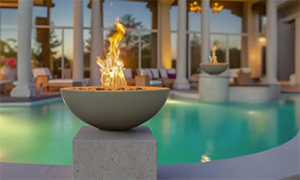
If the backyard revolves around a pool, fire bowls placed on columns, pedestals, or along raised bond beams create a strong architectural rhythm. This approach works especially well when you want the fire to frame a view, define the pool perimeter, or mirror water features for a balanced composition. Fire and water together have a natural contrast that feels elevated without trying too hard.
For a patio or outdoor living room, a centralized fire pit or statement bowl often makes more sense. It anchors seating and gives guests a natural place to gather. In these settings, the shape of the feature matters almost as much as the flame. A clean round form tends to soften hardscaped spaces, while square and rectangular profiles align well with contemporary homes and linear furniture arrangements.
Larger properties can support multiple fire moments rather than one primary feature. That might mean a pair of fire bowls at the pool edge and a separate fire pit lounge farther out in the yard. The key is restraint. Repeating materials and finishes helps the space feel curated instead of crowded.
12 backyard fire feature ideas worth considering
1. Poolside fire bowls on raised columns
This is one of the most effective ways to add drama to a custom pool environment. Elevated fire bowls create a stronger sightline than ground-level features, especially when viewed from the house. They also read as architectural elements even when not lit, which gives them value throughout the day.
2. Matching fire and water bowls
For projects that call for a more dynamic focal point, combining flame with water flow brings movement and sound into the design. These features tend to work best in formal poolscapes and resort-style backyards where symmetry and visual impact are part of the brief.
3. A single oversized statement fire bowl
Sometimes one well-scaled piece does more than several smaller ones. An oversized fire bowl can define an entry to the patio, terminate an axis in the landscape, or act as a sculptural centerpiece in a minimalist backyard.
4. A fire pit integrated into a conversation area
This is the classic entertaining setup for a reason. A dedicated seating zone centered around fire extends patio use into cooler evenings and makes the yard feel active after sunset. The trade-off is that it asks for more floor space than a perimeter fire bowl installation.
5. Linear fire features for modern homes
A long, narrow flame presentation can be an excellent fit for contemporary architecture. It works particularly well alongside low seating walls, outdoor dining terraces, or covered patios where horizontal lines dominate the design.
6. Fire bowls flanking steps or transitions
Placed at key transition points, fire features can help lead the eye through the landscape. This works well near broad staircases, entrances to pool decks, or the edge of a terrace where the grade changes.
7. Fire features on retaining walls
Where the yard already includes substantial masonry, integrating fire into a retaining or seat wall can make the overall design feel more custom. It also reduces the sense of adding another standalone object to an already busy footprint.
8. Compact fire bowls for smaller patios
Not every backyard has room for a large lounge arrangement. A smaller fire bowl can still deliver atmosphere without dominating the layout, especially in courtyard-style patios or side-yard entertaining spaces.
9. Tabletop fire features for layered lighting
These are not a replacement for a main fire element, but they can be useful as accents. On outdoor dining tables or side tables in lounge spaces, they add a quieter flame presence and help build depth across the backyard at night.
10. Fire features coordinated with outdoor kitchens
In a large entertaining yard, a fire element near an outdoor kitchen or bar can help visually connect the cooking and lounge areas. It keeps the warm, social center of the yard active even when dinner service winds down.
11. Sculptural specialty bowls
In some projects, a more distinctive silhouette or motif is exactly what the space calls for. The trick is making sure the feature still aligns with the overall design language of the property rather than becoming a novelty piece.
12. Custom-color fire bowls matched to stone or tile
This is one of the most overlooked design decisions and one of the most important. A fire feature that coordinates with coping, veneer, decking, or exterior paint feels built for the space. One that clashes with surrounding finishes can look expensive and still feel out of place.
What separates a premium fire feature from a decorative accessory
In upscale outdoor environments, appearance is only half the equation. Materials, burner quality, finish durability, and installation planning all affect whether a fire feature keeps its value over time.
Aluminum and stainless steel are strong choices because they offer durability without the fragility or inconsistency that can come with lower-grade materials. That matters in exposed backyards, especially around pools where moisture, chemical exposure, and heat all put stress on outdoor products. Handcrafted construction also tends to show in the details – cleaner edges, more consistent finishes, and a more substantial overall presence.
Customization is another dividing line. In a luxury backyard, the fire feature should work with the project palette, not force the palette to work around it. Custom sizing, finish options, and color matching allow the fire element to support the design instead of competing with it.
How to choose the right fuel and flame presentation
Gas fire features are usually the preferred option for residential projects that prioritize convenience, clean operation, and dependable ignition. Natural gas is ideal when a permanent line is available, while propane can work well in situations where utility access is limited.
The right choice depends on the site. Natural gas offers easier long-term use for frequently lit features, but propane can simplify installation in some backyards. The main point is to plan the fuel source early, because it affects placement, ventilation, and service access.
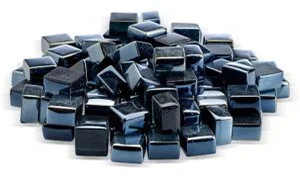
Flame style matters too. A soft, broad flame can feel relaxed and residential. A taller, more dramatic presentation may be better suited to large-scale poolscapes or formal landscapes where visual impact is part of the goal. Media choices like fire glass also shape the look, adding reflectivity and color contrast when used thoughtfully.
Placement mistakes that can weaken the design
A fire feature should never feel isolated. One common mistake is placing it where it technically fits but visually disconnects from seating, circulation, or the main view from the house. Another is undersizing the feature for the space. In large backyards with generous hardscaping, a small bowl or pit can disappear once furniture, planters, and landscape lighting are in place.
There is also the question of balance. Too many focal points can flatten the overall design because nothing stands out. If the pool, spa, outdoor kitchen, and pergola are already carrying a lot of visual weight, the fire feature may need to be quieter and more architectural.
Safety and code requirements obviously matter, but even from a design perspective, proper clearance is part of the equation. Fire should feel intentional and comfortable, never squeezed into a location that compromises movement or seating.
Backyard fire feature ideas should reflect how the space is actually used
The most successful fire features are not chosen in isolation. They are selected based on how the backyard functions at night, where people gather, what the home’s architecture is saying, and how much permanence the project deserves.
For homeowners, that usually means deciding whether the fire feature is meant to entertain, frame the pool, or serve as a visual centerpiece from inside the home. For builders and designers, it means choosing a product that is dependable to install, durable in the field, and refined enough to meet the standards of the overall project. That is where specialized manufacturers such as USA Fire Bowls tend to stand apart from mass-market options.
If you are weighing backyard fire feature ideas, start with the space itself rather than the trend. The right piece should look like it belongs there on day one and still feel right years later, after the rest of the backyard has fully settled into place.