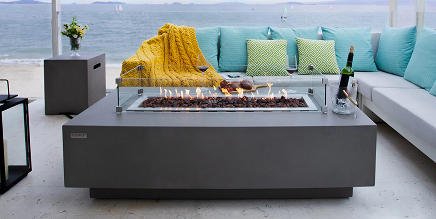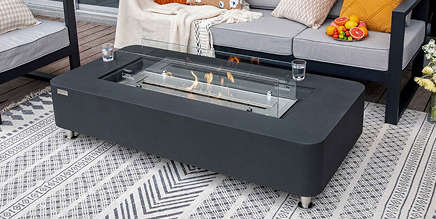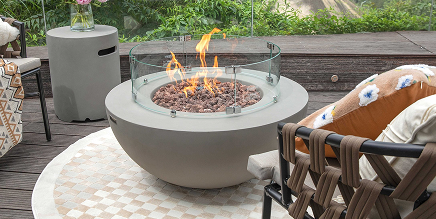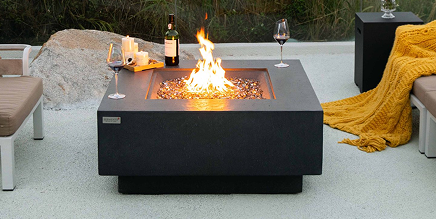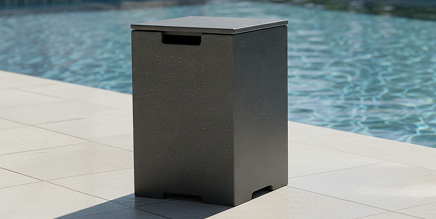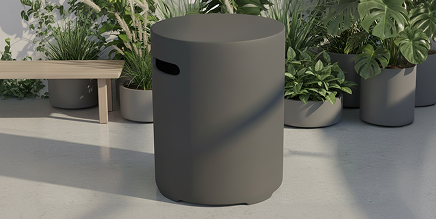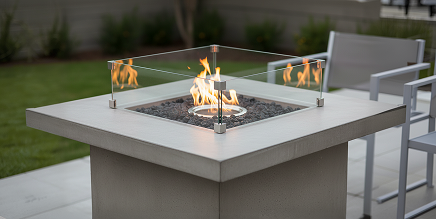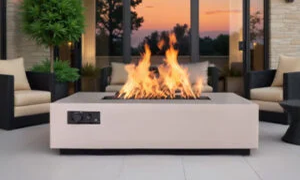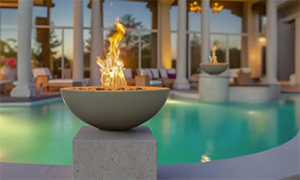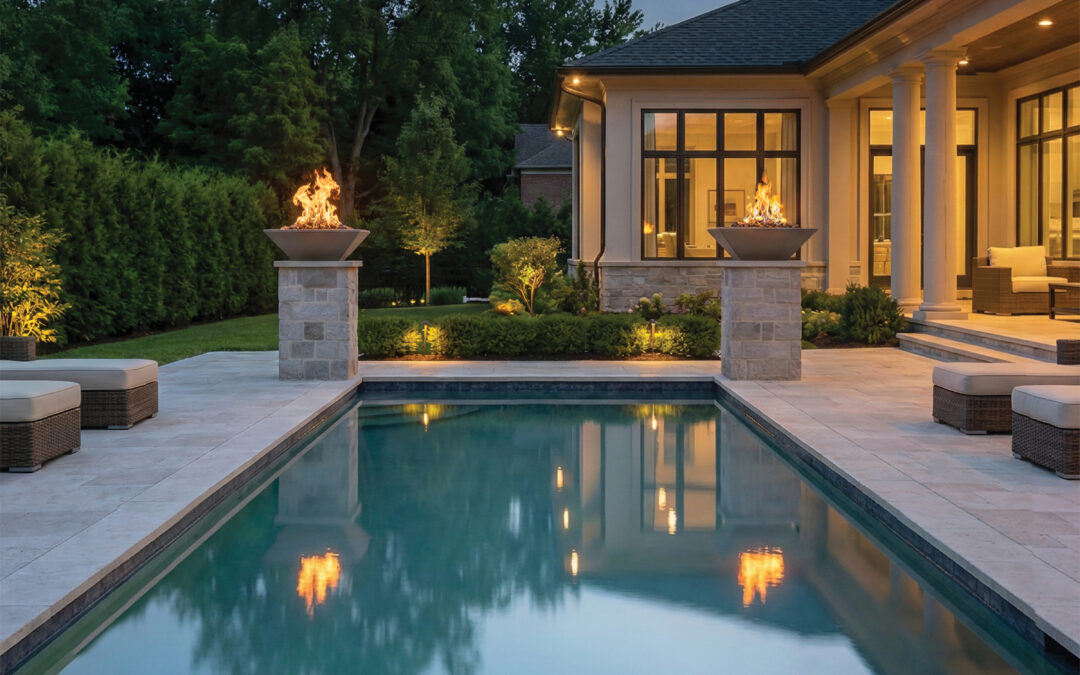
A pool fire bowl can make a clean, modern poolscape feel finished, or it can look like an afterthought that never quite belonged there. The difference usually comes down to selection. If you are figuring out how to choose pool fire bowls, the right answer is not just about shape or flame size. It is about proportion, materials, fuel planning, finish coordination, and how the feature will live with the rest of the outdoor design for years. Guide to choosing a Fire Bowl
In higher-end backyards, fire bowls are rarely stand-alone accents. They are part of a larger composition that may include raised bond beams, sheer descents, spa spillways, porcelain decking, natural stone, and carefully selected lighting. A bowl that looks impressive on its own can still feel wrong if it is too small for the coping, too ornate for the architecture, or built from materials that will not hold up well near water and weather.
Start with the role the fire bowls will play
Before comparing styles, decide what the bowls need to do in the space. Some installations are primarily architectural. The fire creates a strong visual anchor at the corners of a pool, at the end of a vanishing edge, or along a raised wall. In that case, symmetry, profile, and finish often matter more than oversized flame.
Other projects are designed around entertaining. The bowls are there to add drama at night, frame a view, and create a stronger resort-like atmosphere. In those settings, flame presence may need to be more pronounced, especially if the yard is large or the pool is visible from inside the home through expansive glass.
This is where many buyers make the first smart decision. They stop asking, Which bowl do I like best? and start asking, What does this feature need to accomplish in this setting? That shift usually leads to better scale, better placement, and a more cohesive result.
How to choose pool fire bowls that fit the scale of the project
Scale is one of the most overlooked parts of the buying process. A fire bowl may look substantial in a product photo and then feel undersized once it is installed beside a wide pool deck, tall columns, or a large raised wall. On the other hand, an oversized bowl can dominate a refined design and make the whole installation feel heavy.
Start by looking at the surrounding architecture. If the home has strong horizontal lines and broad outdoor spaces, a bowl with enough visual weight to hold its own will usually perform better. If the setting is more restrained, a lower-profile bowl may feel more intentional.
Placement matters just as much as dimensions. Bowls installed on columns or pedestals should relate to the width and height of the base beneath them. A generous pedestal with a small bowl on top tends to look disconnected. A properly proportioned bowl feels integrated, as though both pieces were designed together.
Professionals often evaluate scale from the most common viewing angles, not just from the installation point. Think about how the fire bowls will read from the patio, from the spa, from the outdoor kitchen, and from inside the home at night. The best choice usually feels balanced from every major vantage point.
Material quality matters more around pools
Pool environments are demanding. Water, wind, sun, chemicals, and temperature changes all work against outdoor materials. That is why construction quality should be part of the design conversation from the beginning, not something considered after a style has been chosen.
Well-built aluminum and stainless-steel fire bowls are often preferred in upscale pool applications because they offer durability without the cracking risk associated with some heavier cast materials. They also support cleaner fabrication and more consistent finishes, which matters when the project calls for a polished, architectural look.
If the bowls will sit close to chlorinated or saltwater pools, corrosion resistance becomes even more important. This is not the place to compromise for a lower upfront price. A premium fire feature should still look intentional after seasons of exposure, not just on installation day.
Craftsmanship also shows up in places buyers do not always notice immediately, such as fit, finish consistency, burner integration, and how cleanly the bowl works with accessories like burner covers and flame guards. Those details affect both performance and long-term satisfaction.
Choose a style that works with the architecture
The right bowl should support the design language of the property. On a modern home, simple silhouettes and crisp lines usually look strongest. On a more transitional property, a rounded profile can add softness without becoming overly decorative. In either case, restraint tends to age better than trend-driven styling.
This is especially important when the fire bowls are permanent architectural features rather than movable patio accessories. A pool remodel or new build has a long design horizon. The safest choice is usually the one that feels integrated with the home, hardscape, and waterline materials rather than competing with them.
Color and finish should be considered early. A bowl can either blend into the material palette or serve as a deliberate contrast. Both approaches can work. A custom finish that coordinates with surrounding stone, tile, stucco, or metal accents often gives the installation a more tailored appearance, particularly in projects where every exterior material has been carefully selected.
Decide on fuel type before finalizing the bowl
Fuel planning should never be treated as a minor technical detail. It affects installation, flame character, operating convenience, and sometimes the overall cost of the project.
For most permanent poolside installations, natural gas or propane are the practical choices. Natural gas is often attractive when a line is already available or planned, especially for homeowners who want simple operation without refilling tanks. Propane can make sense when natural gas is not available, but it requires thoughtful planning for tank placement and service access.
The visual difference in flame performance can also matter. Burner design, fuel type, and media selection all influence how the fire presents. If a client wants a bold, defined flame line that remains visually effective in open-air settings, the system needs to be sized and configured accordingly.
This is where working backward from the desired experience helps. Do you want a subtle ambient flame, or a stronger visual statement? The answer should guide the burner setup as much as the bowl style.
Think through installation conditions early
A fire bowl that is perfect on paper can become complicated if installation realities are not addressed upfront. Pool fire bowls are often integrated into masonry columns, walls, or raised structures, which means coordination with builders, plumbers, electricians, and landscape professionals matters.
Ventilation, gas routing, ignition access, and serviceability should all be discussed before purchase. So should local code requirements. A refined result depends on more than the bowl itself. It depends on whether the installation has been planned with enough care to protect both performance and appearance.
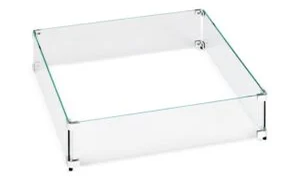
Wind exposure is another variable worth evaluating. Some pool decks are relatively protected, while others sit in open areas where flame movement can become erratic. In those situations, accessories such as flame guards may help preserve the visual quality of the fire while adding another layer of practical protection.
Fire media and accessories affect the final look
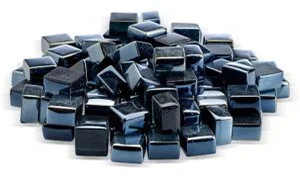
The bowl is the structure, but the visible experience comes from the flame and the media around it. Fire glass, lava rock, and other burner media can shift the appearance from understated to dramatic. The choice should reflect the design intent of the space.
For cleaner, more contemporary projects, fire glass often complements the look well. In more organic settings, a different media texture may feel more natural. Neither is universally better. The right choice depends on the material palette and the style of the surrounding landscape.
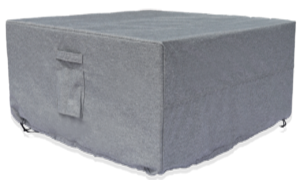
Accessories deserve more attention than they usually get. Burner covers help protect the system when the feature is not in use and keep the bowl looking finished in daylight. Protective covers can extend the life of the unit. These are practical additions, but they also support the long-term presentation of a premium outdoor installation.
Balance customization with timeline and budget
Customization is often what separates a merely attractive fire feature from one that feels fully integrated into a high-end landscape. Custom color matching, adjusted dimensions, and tailored design details can make a meaningful difference when the rest of the project is highly specific.
That said, custom work comes with trade-offs. It may require more lead time, more design coordination, and a larger budget than a ready-to-ship option. For some projects, that is exactly the right investment. For others, a well-made standard model in the right finish may deliver the look the client wants without slowing construction.
The key is to be honest about priorities. If perfect visual alignment with tile, coping, or architectural finishes is central to the project, customization is often worth it. If speed is the bigger concern, narrowing the selection to proven standard models may be the smarter move.
The best choice feels designed, not added
When buyers ask how to choose pool fire bowls, they are often looking for a checklist. In practice, the strongest decisions come from seeing the bowl as part of the architecture, not as a decorative extra. The right piece is scaled correctly, built from materials that belong near water, coordinated with the finish palette, and matched to the fuel and installation plan.
For homeowners and trade professionals alike, that is what creates a result with staying power. A premium fire bowl should bring warmth and visual drama, but it should also feel inevitable in the space, as if the pool was always meant to have it there.