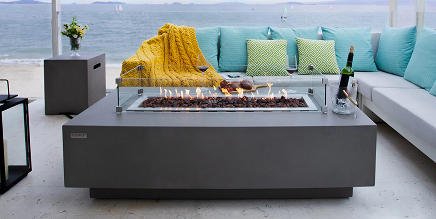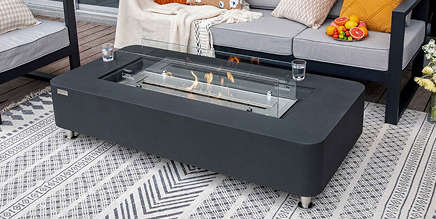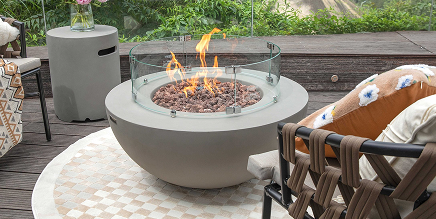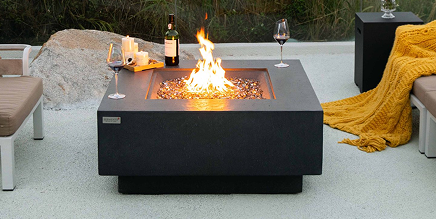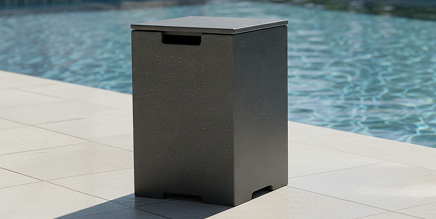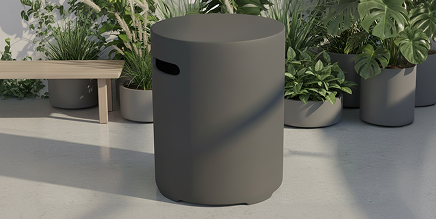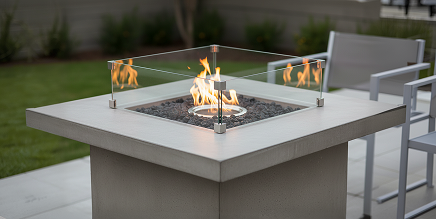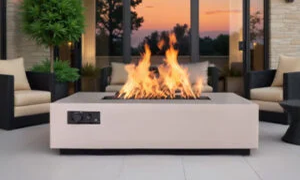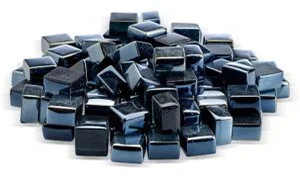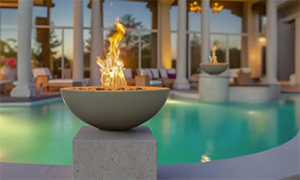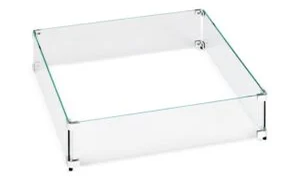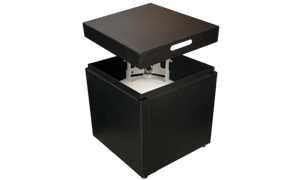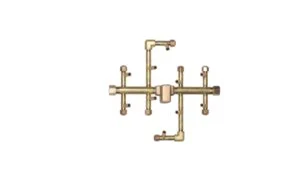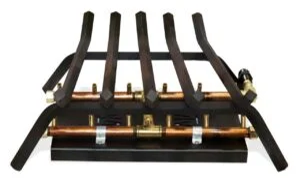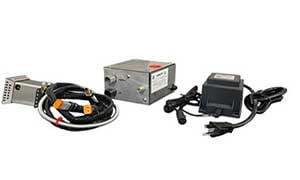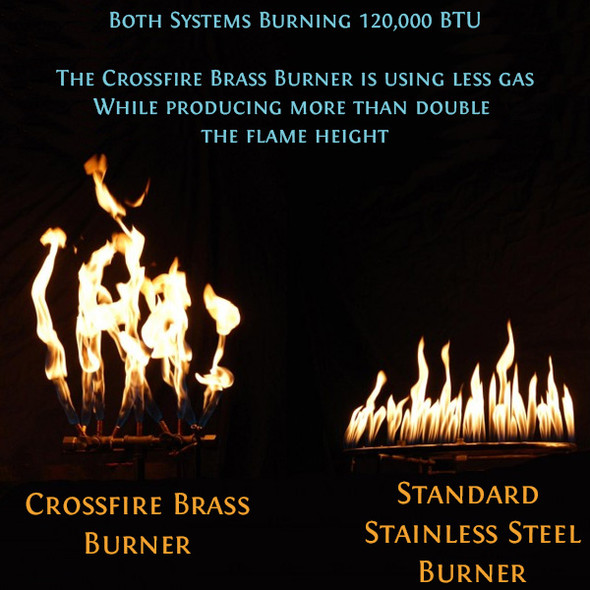
A premium fire feature is judged in the first few seconds after ignition. The flame has to light cleanly, burn evenly, and look intentional against the stone, tile, or coping around it. That is why warming trends brass burners come up so often in high-end outdoor projects. They are not just a hidden component. They play a major role in flame quality, longevity, and how confidently a fire feature performs over time. Click Here for Warming Trends Brass Burners
For homeowners planning a custom backyard and for trade professionals specifying poolside fire bowls, the burner is one of the most consequential technical choices in the entire build. Finish colors, bowl shapes, and media selection affect the visual statement, but the burner determines whether that statement feels refined or disappointing. If the flame pattern is uneven, if ignition becomes inconsistent, or if corrosion starts to show up too early, the entire installation loses value.
Why warming trends brass burners matter
Brass burners have earned attention in the luxury outdoor market because material choice matters in harsh environments. A fire feature installed near a pool, in a coastal region, or in an exposed patio setting deals with moisture, temperature swings, and regular use. In those conditions, lower-grade burner materials can become the weak point.
Warming Trends brass burners are generally associated with durability and a more stable long-term performance profile than many entry-level alternatives. Brass resists corrosion more effectively than some common metals used in mass-market burner assemblies, which is especially relevant around chlorine-treated pools and humid outdoor settings. For a premium project, that matters not only for lifespan but for maintenance expectations. Clients investing in a custom fire bowl or integrated fire feature usually want a component system that supports the overall quality of the installation rather than forcing early replacement.
There is also the flame itself. In higher-end outdoor design, people do not want a burner that simply produces fire. They want a flame presentation that feels deliberate and balanced. Burner engineering affects flame height, consistency, and pattern, all of which shape the visual impact of a fire bowl after dark.
Material quality is not a small detail
Burner material is easy to overlook because it sits beneath the fire media, often out of sight. But in practice, it is one of the least decorative and most important decisions in the system. Brass has a strong reputation because it combines structural integrity with corrosion resistance in a way that supports outdoor use well.
That does not mean every project automatically needs a brass burner. There are applications where other materials can be serviceable, especially in milder environments or lower-use installations. But for premium residential projects and professionally designed outdoor spaces, the decision usually leans toward components built for long service life. A burner is not the place to save a small amount upfront if the broader project includes custom masonry, pool construction, premium tile, and carefully selected fire media.
For builders and designers, this is often less about brand preference alone and more about risk management. A quality burner helps reduce the chance that the fire feature becomes the callback item months after completion. That is a practical benefit, not just a marketing point.
Flame presentation and design impact
The burner shapes the visual result
When clients picture a fire bowl, they usually imagine the bowl itself, the finish, and the dancing flame. What they rarely visualize is the burner underneath creating that flame pattern. Yet that is exactly what defines whether the fire reads as luxurious or ordinary.
A well-designed burner supports a more even flame across the media bed. In a round bowl, that can create a full, centered presentation rather than isolated hot spots or dead zones. In linear or custom applications, burner layout becomes even more critical because the eye quickly notices inconsistency.
This is one reason spec decisions should be tied to the intended design effect. If the fire feature is the focal point of a poolscape, the burner should be selected with the same care as the bowl finish and surrounding hardscape. The internal performance has to match the external design language.
Flame height is only part of the story
Buyers often ask about bigger flames, but a more refined question is whether the flame looks proportionate to the vessel and setting. Excessive flame can feel unbalanced in a smaller bowl, while underpowered flame can make a larger feature seem visually flat. Burner design, gas pressure, and media choice all interact here.
The best result is not always the highest flame. It is the flame that suits the scale of the bowl, reads clearly from seating areas, and remains stable in real outdoor conditions.
Where brass burners make the most sense
Warming Trends brass burners tend to make the strongest case in installations where the fire feature is expected to perform for years with minimal compromise. Poolside fire bowls are a good example. Water exposure, splash, chemically treated environments, and outdoor debris all increase stress on internal components.
They also make sense in custom patio builds where the fire feature is integrated into a broader architectural plan. If the surrounding project includes premium masonry, custom coping, and a coordinated material palette, the internal burner should reflect that same standard. A luxury installation should not rely on an economy-grade core component.
For professionals, there is another factor: predictability. When specifying burners for client projects, known material quality and performance standards simplify planning. That is especially valuable when a fire feature is being installed into a finished or nearly finished environment where rework would be expensive and disruptive.
Trade-offs buyers should understand
A brass burner is not simply the right answer in every case without qualification. The most obvious trade-off is cost. Brass burners usually sit at a higher price point than lower-tier alternatives, and that affects budget discussions. For some buyers, especially those comparing components line by line, that premium can look optional.
In reality, the question is whether the installation is being treated as a decorative purchase or as a long-term built-in feature. If it is the latter, burner quality becomes easier to justify. The burner is one of the least visible parts of the system, but one of the most expensive to revisit after installation.
There is also the issue of compatibility. Burner selection should always be aligned with the bowl size, fuel type, ignition system, ventilation requirements, and intended fire media. A premium burner still has to be specified correctly. Good material does not compensate for a poor fit or an improperly planned installation.
That is why serious outdoor fire projects benefit from a component-based mindset. The bowl, burner, ignition, pan, media, and installation details need to work together as one system.
How to evaluate warming trends brass burners for a project
Start by looking at the environment. If the fire feature will sit near a pool, in a humid climate, or in an exposed backyard with frequent use, burner material should carry more weight in the buying decision. Brass has a strong advantage in those conditions.
Then consider the role of the fire feature in the design. If it is a focal element visible from the house, reflected in the pool, or positioned near primary seating, flame quality deserves close attention. This is where burner engineering matters as much as appearance.
Installation planning is next. Make sure the burner is appropriate for the vessel dimensions and fuel configuration. Trade professionals will already think in terms of clearances, ventilation, gas supply, and ignition integration, but homeowners benefit from understanding that these details are inseparable from burner performance.
Finally, think beyond launch day. A fire bowl can look beautiful when first installed with almost any burner. The more revealing question is how it performs after seasons of use. Premium outdoor living spaces deserve components selected for that longer horizon.
For brands and builders focused on handcrafted, design-driven fire features, the burner is not an afterthought. It is part of the standard. That is why companies such as USA Fire Bowls put so much emphasis on durable construction, visual cohesion, and component quality across the full fire feature system.
Warming trends brass burners in luxury outdoor spaces
In upscale backyard design, small component decisions have a way of becoming very visible over time. A burner that resists corrosion, supports a balanced flame, and aligns with a premium build standard helps protect the overall investment. That is the real appeal of warming trends brass burners. They fit projects where appearance and performance are expected to hold up together. See all brass burners here
If you are building a fire feature meant to complement custom stonework, water features, and thoughtfully designed outdoor living areas, the burner deserves the same level of scrutiny as every visible finish. The flame should feel as well-made as the space around it.