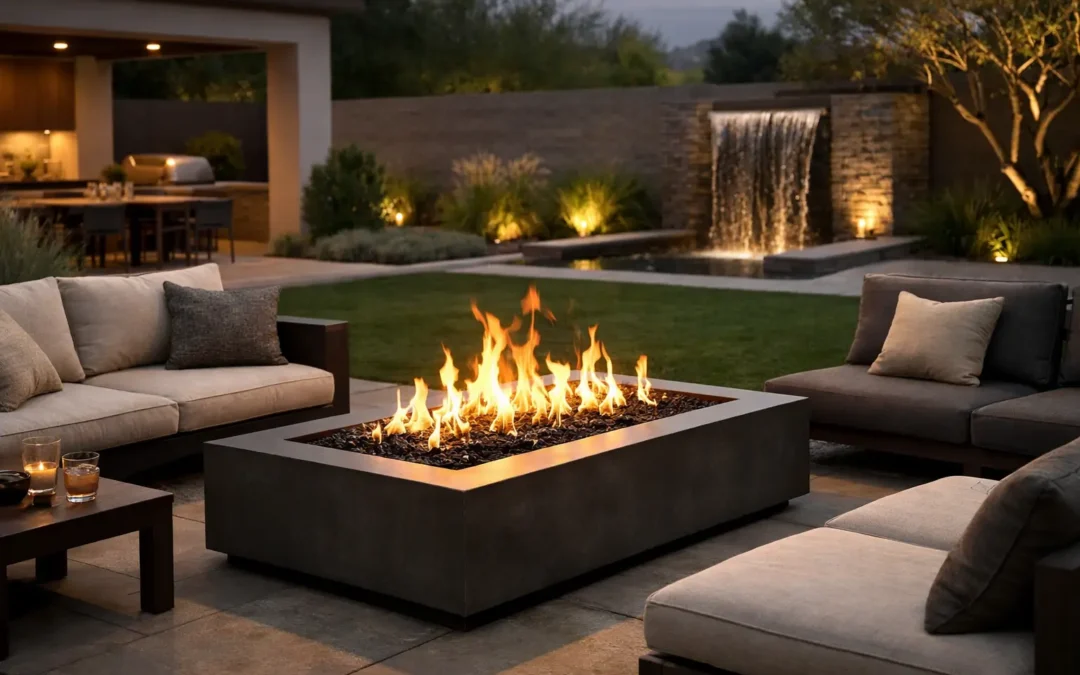
A fire feature can either complete a backyard or look like an afterthought placed on a finished patio. The difference comes down to proportion, placement, material quality, and how well the flame element relates to the pool, hardscape, and architecture around it. For homeowners and trade professionals planning backyard fire pits, the goal is not simply adding warmth. It is creating a focal point that feels native to the entire outdoor design.
A well-chosen fire pit gives an evening landscape a sense of structure. It draws people toward a seating area, reflects across pool water, and gives patios a destination after sunset. Yet the same feature can feel undersized against a large pool deck, visually disconnected from the home, or difficult to maintain if the planning stops at appearance alone.
Start With the Role of the Fire Feature
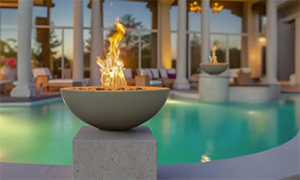
Before selecting a shape, decide what the fire pit needs to do in the space. A low, wide fire feature near lounge seating creates a conversational center. Elevated fire bowls positioned along a pool perimeter function more like architectural accents, adding movement and reflected light without taking up usable patio space. A linear fire pit can define the edge of an outdoor room or create a deliberate transition between dining and lounging zones.
These uses call for different proportions. A seating-centered fire pit should be large enough to hold visual weight among surrounding furnishings, while maintaining comfortable circulation. Poolside fire bowls typically benefit from repetition and symmetry. A pair placed at opposing corners of a pool, for example, can make an expansive water feature feel composed rather than empty.
The strongest designs consider the view from inside the home as carefully as the view from the patio. Ask where the feature will be seen through windows, across the pool, and from the primary entertaining area. A fire pit that has presence from several vantage points delivers more value than one visible only from a single chair.
Choosing Shapes for Backyard Fire Pits
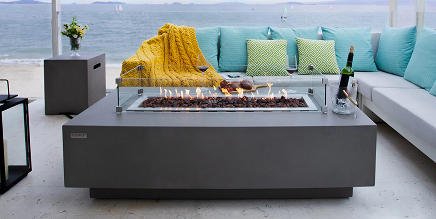
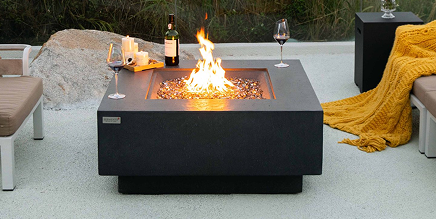
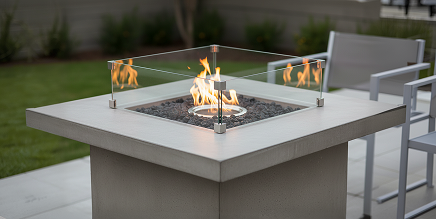
Shape establishes the personality of a fire feature long before the burner is lit. Square fire pits are often the right choice for structured, contemporary spaces. Their clean geometry works naturally with rectilinear pools, large-format pavers, modern patio furniture, and straight-edged planters. They also provide a generous, grounded footprint that suits central seating arrangements.
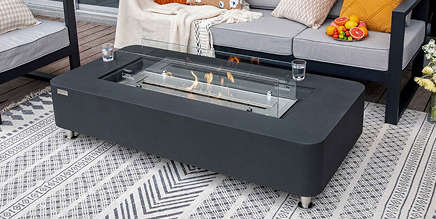
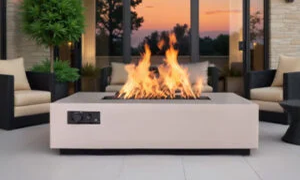
Rectangle fire pits bring a more directional quality. They work especially well along a retaining wall, at the end of a pool, or between two furniture groupings where a square unit would interrupt circulation. In a long, narrow backyard, a rectangular feature can reinforce the geometry of the site rather than compete with it.
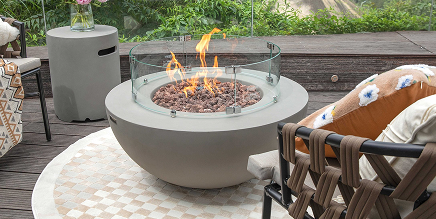
Round forms have a softer, more traditional presence and may complement curved pools or informal garden settings. Still, a shape should not be selected in isolation. Look at the dominant lines already established by the pool coping, roofline, outdoor kitchen, and furniture. When the fire feature repeats those visual cues, it feels intentional.
Scale matters just as much as shape. A compact tabletop bowl can provide ambient flame on a dining table, but it will not anchor a broad pool deck. Conversely, an oversized fire pit can overwhelm a small courtyard or create too much visual density near an already prominent spa. Measure furniture clearances, walkways, and the open area around the feature before finalizing dimensions.
Materials That Hold Up to Outdoor Living
Premium backyard fire pits need materials that support both the visual standard of the project and the realities of weather, heat, moisture, and regular use. Aluminum construction is a compelling choice for high-end outdoor fire bowls because it resists rust, remains manageable during installation, and supports refined powder-coated finishes. Stainless-steel components provide dependable performance where heat and fuel delivery demand it.
A powder-coated exterior offers design flexibility that raw metal cannot. The right color can coordinate with dark window frames, bronze patio furnishings, charcoal coping, warm stucco, or custom tile. For designers and builders, custom color matching can be the detail that turns a fire feature from a separate purchase into an integrated part of the specification.
Finish selection should account for the environment. Near a pool, water chemistry, splashing, and exposure to sun all deserve consideration. In coastal areas, salt air introduces another layer of material demand. A beautiful finish is worth protecting, but it should begin with a well-built substrate and an exterior-rated coating designed for the application.
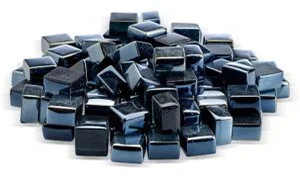
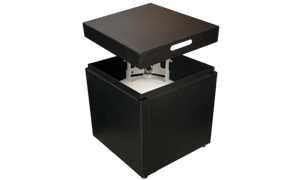
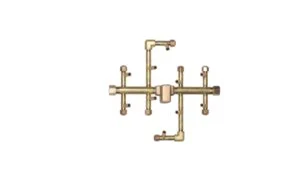
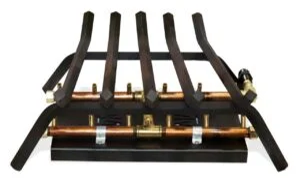
The burner system also deserves close attention. A properly sized burner creates a flame pattern that suits the bowl or pit instead of leaving dead areas or concentrating fire in one small section. Fire media, including fire glass, changes the visual effect by reflecting light and concealing the burner components. It can also be selected to complement surrounding finishes, from restrained neutral palettes to more dramatic blue or copper tones.
Place Fire With Safety and Comfort in Mind
Fire features should always be planned around manufacturer requirements, local codes, fuel type, and site-specific conditions. A beautiful installation is not successful if it creates clearance concerns, obstructs access, or places flame too close to combustible materials, low branches, structures, or overhead elements.
For pool environments, placement deserves additional thought. Fire bowls can create striking reflections on water, but they should not compromise safe movement around the pool edge or interfere with access to equipment. The best location usually preserves a clear circulation path while giving the feature enough visual distance to read as an intentional focal point.
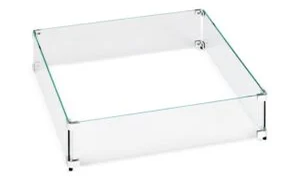
Wind is another practical factor that affects both comfort and performance. An exposed patio may require a flame guard to help protect the flame from gusts and improve the experience for nearby guests. It depends on the local conditions, the burner configuration, and the openness of the site. A feature that looks perfect in a rendering should also function well on a breezy evening.
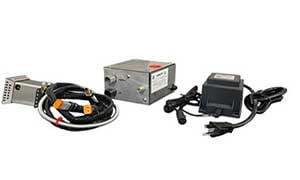
Fuel planning belongs early in the process, particularly for permanent installations. Natural gas can provide convenience for a fixed feature, while propane may suit locations where a gas line is not practical. Coordinate fuel access, shutoff placement, ignition requirements, and installation responsibilities before hardscape work is complete. This is far easier than revising a finished patio later.
Design Around the Flame, Not Just the Vessel
The bowl or fire pit provides the form, but the flame creates the experience. Consider the desired mood. A broad, moderate flame can feel elegant and calm beside a pool. A taller, more active flame may suit a dramatic entry court or a large entertaining terrace. The right output is not always the highest output. It should fit the scale of the setting and the way people will use the area.
Surrounding materials influence the effect. Dark stone and water amplify firelight at night, while pale travertine can create a brighter, more resort-like setting in daylight. A fire bowl set on a raised pedestal may become a sculptural statement. A fire pit integrated into a low wall can make a seating area feel settled and protected.
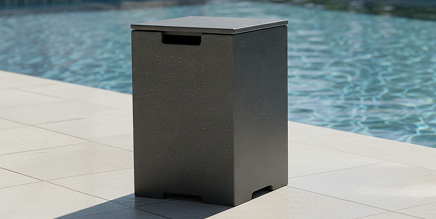
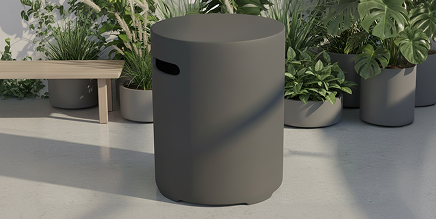
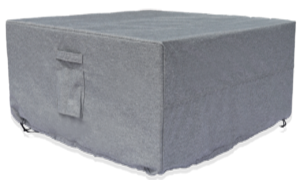
Avoid treating accessories as an afterthought. A fitted burner cover protects the interior when the feature is not in use and can provide a cleaner off-season appearance. A protective exterior cover helps preserve the finish from debris and weather exposure. These details support the long-term condition of a premium investment, especially in homes where the backyard is used year-round.
Plan for Installation and Long-Term Care
A handcrafted fire feature deserves installation that matches its quality. Work with qualified professionals for gas, electrical, and structural requirements, and confirm that the supporting surface is level and appropriate for the product. Pool builders and landscape contractors should coordinate the fire feature with drainage, coping, equipment access, and final finish schedules.
Ongoing care is straightforward when built into the ownership plan. Keep the burner area free of leaves and debris, follow the manufacturer’s cleaning guidance, and use covers when the feature is not in service. Inspect components periodically, particularly after storms, seasonal shutdowns, or long periods without use. A small amount of routine attention helps maintain both appearance and reliable operation.
For a custom project, finalize the fire feature early enough that color, dimensions, burner configuration, and accessories can be coordinated with the larger build. Waiting until the end often limits choices and can turn a designed focal point into a compromise.
The most memorable outdoor spaces are not defined by how many features they contain. They are defined by a few well-resolved elements that make people want to stay outside longer. Choose a fire feature with the scale, finish, and construction to earn that place in the landscape.