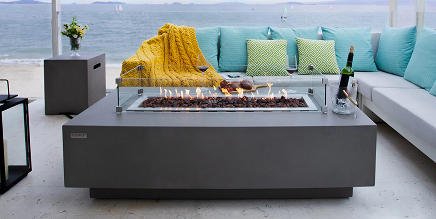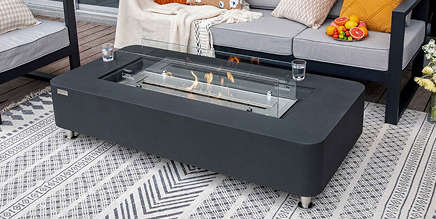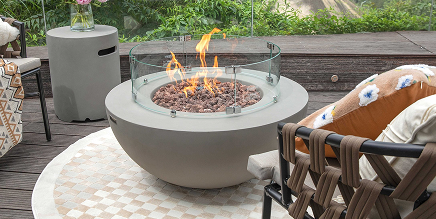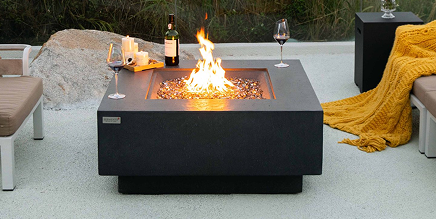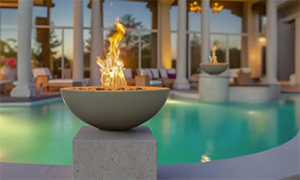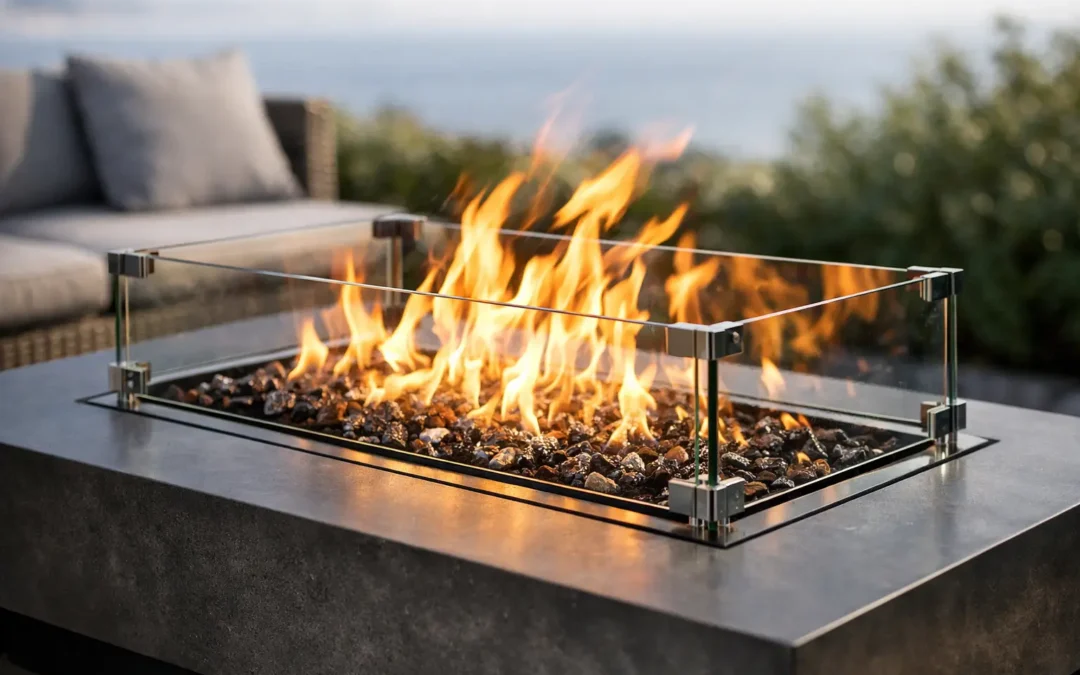
A fire bowl can look perfectly composed at sunset, then lose its clean flame line the moment an afternoon breeze moves across the pool deck. The best flame guards for wind do more than create a visual boundary around the burner. They stabilize the flame, reduce nuisance flame blowout, help contain fire media, and preserve the polished look expected of a premium patio or poolside fire feature.
For homeowners, builders, and landscape professionals, the right choice is rarely about buying the tallest glass enclosure available. Flame guard performance depends on the burner configuration, the bowl opening, local wind exposure, and the way the feature is positioned within the overall outdoor design.
What a Flame Guard Can and Cannot Do
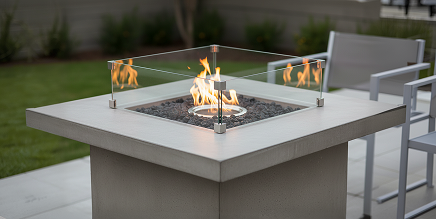
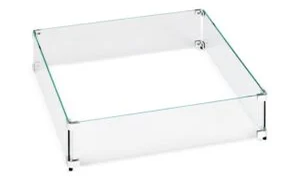
A flame guard is a tempered-glass wind barrier that surrounds a gas fire pit or fire bowl burner. Its primary role is to reduce direct wind crossing the flame. By interrupting that airflow, the guard helps the flame burn more consistently and can reduce the amount of gas required to maintain an attractive presentation in moderate conditions.
It also creates a refined architectural frame. On a square or rectangular fire feature, clear glass defines the fire area without blocking views of water, stone, tile, or the surrounding landscape. That matters on high-end projects where the fire feature is intended to complement the setting rather than dominate it.
A flame guard is not a solution for unsafe weather. Strong gusts can still push flames, affect ignition, or create conditions where the fire feature should not be operated. If wind is consistently severe, the better answer may include site planning, landscaping, walls, screens, or a different fire feature location. Never rely on a glass guard to make operation safe in high winds.
Best Flame Guards for Wind: What to Look For
The most effective flame guard is correctly proportioned to the burner and fire opening. A quality guard should provide meaningful wind protection while leaving appropriate clearance around the flame and allowing the system to function as designed.
Tempered glass is the standard
Outdoor flame guards should use heat-resistant tempered glass, not ordinary window glass or acrylic panels. Tempered glass is designed to tolerate the heat and temperature changes associated with a properly installed gas fire feature. It also provides the crisp, nearly invisible appearance that suits contemporary poolscapes and tailored outdoor rooms.
Glass thickness affects the sense of quality as well as durability. Thicker tempered panels generally feel more substantial and hold their line better across longer spans. For a premium fire bowl, flimsy glass and lightweight hardware can undermine an otherwise well-built installation.
Height should match the wind exposure
Flame guard height is one of the first specifications buyers notice, but higher is not automatically better. A taller guard can offer more protection from crosswinds, particularly on open patios, elevated decks, and properties with broad, unobstructed views. Yet excessive height can make a low-profile fire bowl feel boxed in and may interrupt sightlines from lounge seating or inside the home.
For many residential fire bowls and fire pits, a guard around 6 inches high offers an effective balance of flame control and visual openness. More exposed locations may benefit from 8-inch glass, provided the burner manufacturer allows that configuration and the fire feature remains proportional. The goal is to shield the base of the flame from direct wind, not to build a glass enclosure around it.
A complete perimeter performs better
A four-sided flame guard is generally the strongest option for a square fire bowl or square fire pit because wind can approach from any direction. It gives the burner consistent protection while retaining an open top for heat release and viewing.
On a rectangular fire feature, a full-perimeter guard remains the most dependable choice when the feature is placed in an open area. In a protected courtyard or against a substantial windbreak, a partial guard may be appropriate for a specific design intent, but it will not control wind as evenly. The more exposed the site, the more valuable full coverage becomes.
Secure connectors matter
The glass panels are only as dependable as the corner connectors and support hardware that hold them in place. Look for durable metal clips or brackets designed for outdoor conditions and sized for the glass thickness. Stainless-steel components are a strong choice around pools and coastal environments because they offer better corrosion resistance than lower-grade hardware.
A well-made guard should sit level, feel secure, and maintain even panel spacing. Loose connectors, uneven edges, and glass that rocks in position are not minor cosmetic concerns. They can affect both long-term appearance and safe use.
Start With the Burner, Not the Glass
A flame guard must fit the burner system and the fire feature opening. This is especially important with custom bowls, where dimensions, media depth, burner pan size, and ignition components may vary.
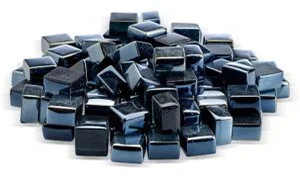
The guard should surround the active flame area without crowding it. It needs adequate space from the burner so glass is not exposed to unnecessary heat concentration, and it must not interfere with the burner lid, access panel, ignition system, or decorative fire media. Fire glass, lava rock, and ceramic logs each occupy space differently, so the final layout should be considered before ordering.
For a square fire bowl, measure the usable flat surface around the burner rather than assuming the overall bowl dimension is the right reference. A bowl may have a wide top ledge but a smaller burner opening. For a rectangle, confirm both the interior length and width, as well as any features that extend above the burner pan.
If you are specifying a feature for a client, retain the burner cut sheet and installation requirements alongside the flame guard dimensions. This simple step helps prevent costly field adjustments after stonework, plumbing, electrical connections, and finish materials are already in place.
Wind Is Often a Site Design Issue
The same flame guard can perform very differently in two backyards. A sheltered patio bordered by a home, mature landscaping, and a privacy wall may only see occasional light breezes. An infinity-edge pool deck, rooftop terrace, waterfront property, or hillside yard may receive regular directional gusts that cross the burner at speed.
Before selecting a guard, observe the area at the time the fire feature will be used most often. Evening conditions can be different from midday conditions, particularly near water or in canyons and coastal areas. Note whether wind funnels between walls, comes across the pool surface, or wraps around the corner of the home.
When possible, position the fire feature so seating, low walls, planters, and architectural elements help temper the wind without trapping heat or obstructing required clearances. A thoughtfully placed fire bowl often needs less intervention than one installed directly in the path of prevailing wind.
Design Details That Keep the Glass Looking Premium
Clear flame guards are intentionally subtle, which means fingerprints, mineral deposits, soot, and hard-water spotting become noticeable quickly. This is particularly relevant near swimming pools, fountains, and saltwater environments.
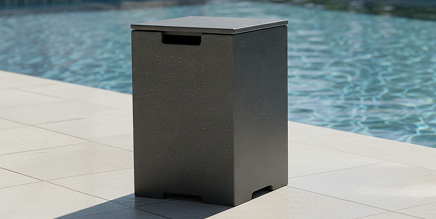
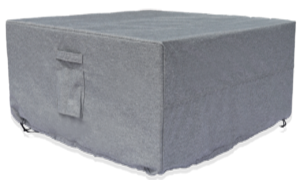
Use a non-abrasive glass cleaner after the feature has fully cooled, and avoid harsh tools that can scratch the surface. If pool splash is frequent, routine wiping prevents mineral residue from becoming difficult to remove. A fitted burner cover is also useful when the fire feature is not in operation, keeping leaves, dirt, and irrigation overspray away from the burner and glass.
Consider how the guard works with the bowl finish and surrounding materials. Clear glass pairs easily with powder-coated aluminum, porcelain pavers, natural stone, and tile because it adds definition without introducing another dominant color. For designers seeking a more tailored appearance, the clean geometry of a square or rectangular guard can echo the lines of a modern pool, retaining wall, or outdoor kitchen.
Installation and Operation Considerations
A flame guard should be installed on a stable, level surface designed to support it. Do not place it on loose fire glass, uneven stone, or a ledge that is too narrow to support the hardware securely. Confirm that glass panels do not overhang areas where they may be easily bumped by furniture, pool traffic, or an opened burner cover.
Follow the fire feature and burner manufacturer’s clearance, ventilation, and installation requirements. This is not an accessory to improvise with. The burner must receive adequate airflow, and the finished installation must preserve access for service and seasonal maintenance.
During use, keep the guard free of towels, cushions, pool toys, and other combustible items. Allow the glass to cool completely before handling it or placing a cover over the fire feature. If flames become erratic, repeatedly extinguish, or lean sharply despite the guard, turn off the feature and assess the wind conditions rather than attempting to compensate by adjusting components on the spot.
Choosing the Right Guard for a Finished Outdoor Space
For a compact, sheltered patio, a lower full-perimeter tempered-glass guard can protect the flame while keeping the bowl visually open. For a broad pool deck or exposed entertaining area, a taller, properly fitted perimeter guard is usually the better investment. On custom projects, the strongest result comes from selecting the burner, bowl, fire media, cover, and wind guard as one coordinated system.
At USA Fire Bowls, that coordinated approach supports fire features that are as considered in daylight as they are after dark. Choose a flame guard that respects the proportions of the bowl, the realities of the site, and the quality of the space around it. When the wind settles in and the flame remains composed, the entire outdoor setting feels more intentional.