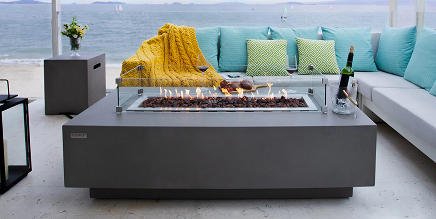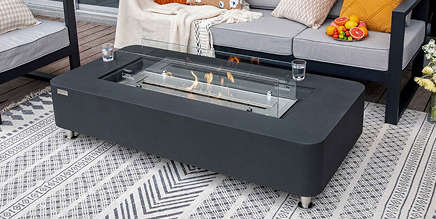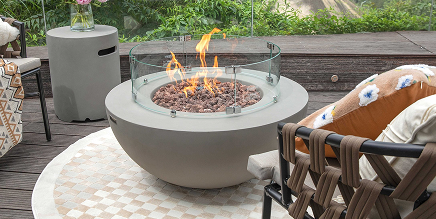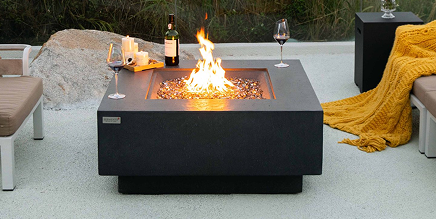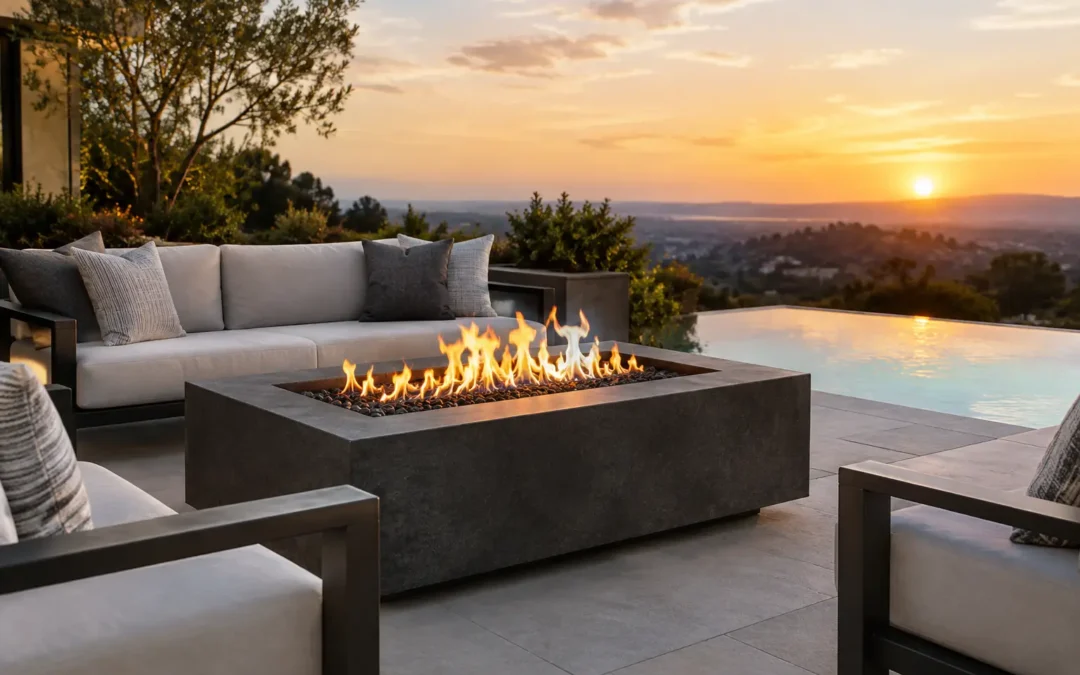
A fire bowl placed at the end of a pool, beside a raised spa, or along a clean-lined patio does more than add warmth. The right fire features create a focal point after sunset, reflect across water, and give an outdoor space the finished, intentional character expected in a custom backyard. The wrong choice can feel undersized, overly decorative, or disconnected from the architecture around it.
For luxury residential projects, selection is less about choosing a flame and more about coordinating proportion, material, fuel, finish, and installation from the beginning. A well-designed fire feature should look composed in daylight, perform reliably at night, and remain appropriate for the climate and setting year after year.
Start With the View, Not the Product
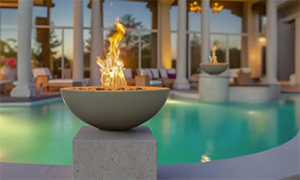
The strongest outdoor fire designs begin with sightlines. Stand at the home’s main glass doors, the primary seating area, and the pool deck. Consider what the feature will frame from each position. A pair of square fire bowls may establish symmetry at the far edge of a pool. A long rectangular fire pit can define the border of a lounge area without blocking views across the yard.
This step also determines whether the feature should be a destination or an accent. A substantial fire pit invites people to gather around it and needs clearance for seating and circulation. Fire bowls are often viewed from a distance, particularly when installed on pool columns, pedestals, or retaining walls. Their job is architectural: they establish rhythm, create vertical interest, and bring a warm point of light to the landscape.
Placement should account for wind, mature planting, rooflines, and the path people take through the space. A dramatic flame has little value if prevailing wind pushes heat or smoke toward a dining table. Gas fire features avoid the ash of wood-burning models, but flame movement and comfort still depend on thoughtful placement.
Choosing Fire Features That Fit the Scale
Scale is where many outdoor installations either feel custom or feel improvised. A large pool with broad coping, tall planters, and expansive hardscape usually needs fire bowls with enough visual weight to hold their own. Small tabletop bowls can be beautiful in intimate seating zones, but they can disappear when used as the only source of fire beside a large swimming pool.
Consider the dimensions of surrounding elements rather than evaluating a fire bowl in isolation. The width of a pool column, the depth of a wall cap, and the size of nearby furniture all affect what looks balanced. A bowl should generally feel anchored to its base, not oversized enough to look precarious or so small that it appears accidental.
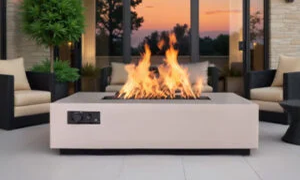
Rectangle fire pits offer a different kind of proportion. Their horizontal shape works especially well alongside sectional seating, linear pools, and contemporary patios. They can echo a long waterline tile detail or repeat the geometry of the home’s windows and roof overhangs. Square fire pits tend to suit centered gathering spaces and more symmetrical layouts.
For trade professionals, scale decisions should be made early enough to coordinate gas stub locations, structural support, and finish materials. Retrofitting a larger feature after a pool deck or wall is complete is rarely the cleanest or most economical path.
Select Materials Built for the Environment
Outdoor fire features must handle heat, moisture, ultraviolet exposure, and the realities of landscape maintenance. In poolside settings, material quality matters even more. Water chemistry, splashing, coastal air, and irrigation overspray can all be hard on finishes and components over time.
Handcrafted aluminum fire bowls are a smart option for many premium installations because aluminum resists corrosion and is far lighter than concrete or cast stone. A quality powder-coated finish adds color flexibility while providing a durable exterior surface. This combination is particularly useful when a homeowner wants the fire feature to coordinate with dark window frames, bronze accents, stucco tones, tile, or custom cabinetry.
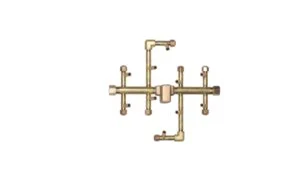
Stainless-steel burners and internal components are equally important. The visible bowl may receive the most attention, but the burner is responsible for flame pattern, fuel distribution, and long-term performance. A premium exterior should be paired with components designed for outdoor use, rather than a decorative enclosure built around a generic burner.
Material choice still depends on the project. Concrete can deliver a substantial, monolithic appearance, but it is heavy and may require more structural consideration. Metal bowls offer cleaner lines, lighter handling, and broad finish options. The right answer is the material that supports both the visual concept and the conditions of the installation.
Match Fuel Type and Ignition to How the Space Will Be Used
Natural gas and propane each have clear advantages. Natural gas is often preferred for permanent installations because it provides a continuous fuel source and eliminates tank changes. It requires properly sized gas lines and should be planned with a qualified installer. Propane can be practical where a natural gas connection is unavailable, though tank access and concealment need to be considered in the design.
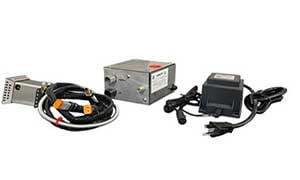
Ignition choice should reflect the owner’s expectations. A manual match-lit system can be appropriate for a straightforward, lower-complexity installation. Electronic ignition adds convenience and can be especially appealing where homeowners want controlled operation from a switch, remote, or integrated outdoor system. More advanced systems may include flame sensing and automatic shutoff functions, but they also introduce additional electrical and service considerations.
Do not treat burner output as a simple bigger-is-better specification. Higher BTU output can create a more commanding flame, yet it may be excessive for a protected seating area or a narrow courtyard. The desired visual effect, wind exposure, bowl size, and local fuel supply should all inform the burner selection.
Finish the Flame With the Right Details
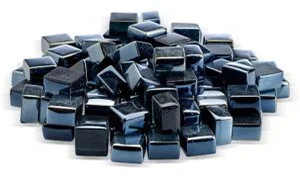
Fire media has a major influence on the finished appearance. Fire glass creates a crisp, reflective surface that complements contemporary landscapes and pool tile. Lava rock has a more natural texture and can suit rustic or organic designs. The media should support the overall material palette, not compete with it.
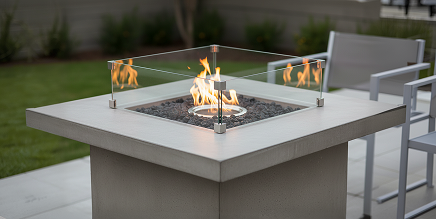
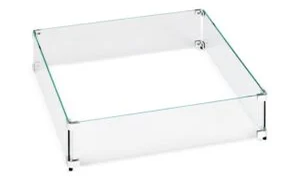
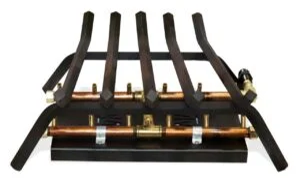
Flame guards are another detail worth considering. In windy areas, properly designed guards can help protect and stabilize the flame while adding a refined, finished edge around the burner opening. They should be sized specifically for the feature and integrated so they do not overwhelm the bowl’s silhouette.
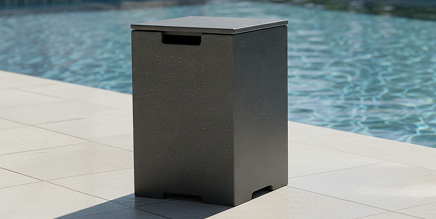
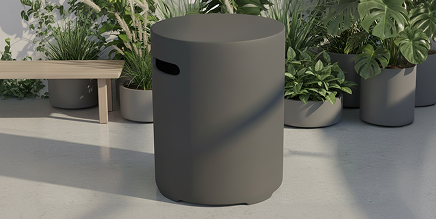
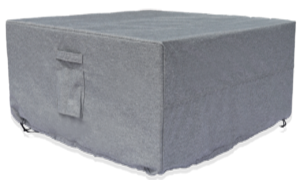
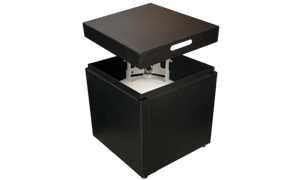
Covers matter, too. A burner cover can convert a fire pit into usable surface area when it is not in operation. A protective cover helps shield the feature from debris and weather between uses. These are practical accessories, but they also protect the investment in a premium outdoor setting.
Use Color as an Architectural Connection
A fire feature does not need to be neutral to look sophisticated. Custom color matching can tie bowls to gate frames, metal pergola details, window trim, pool coping, or outdoor kitchen cabinetry. This is especially valuable in projects where the landscape has a deliberate, limited color palette.
The best color decisions are usually made from physical samples in natural light. A charcoal finish may read as warm brown near travertine, while a bronze can appear nearly black against pale stone. Powder-coated aluminum gives designers and homeowners flexibility, but the selected finish should also be practical for the environment. Very light colors may show soot or debris more readily, while extremely dark surfaces can absorb significant heat under direct sun.
At USA Fire Bowls, handcrafted aluminum construction and custom finish options make it possible to specify square and rectangular fire elements that feel integrated with the project rather than added at the end.
Plan Installation Before Construction Is Complete
The most polished fire installations are coordinated with the pool builder, landscape designer, electrician, and gas professional before the hardscape is finalized. Gas lines, electrical connections, drainage, ventilation requirements, and service access all need a defined plan. A fire bowl mounted on a column also requires a base designed to carry its weight and accommodate the required utilities.
Local codes and manufacturer requirements should guide clearances from structures, combustible materials, and pool equipment. A licensed professional should handle gas and electrical work, and the completed system should be tested before decorative media is placed. For homeowners, this planning protects both safety and the clean visual result that justified the investment.
The most memorable fire features are not simply the ones with the largest flames. They are the ones that look inevitable in their setting: balanced with the pool, tailored to the architecture, built from materials suited to the environment, and ready to make every evening outside feel more considered.