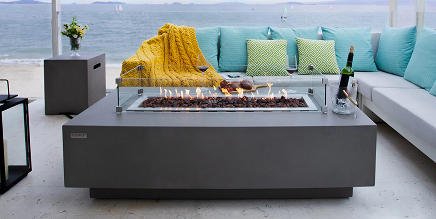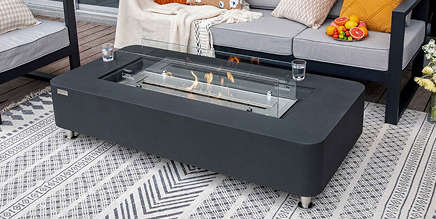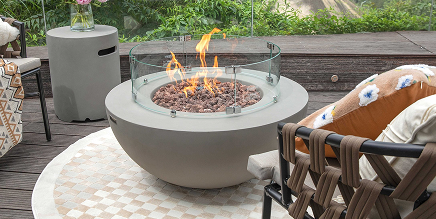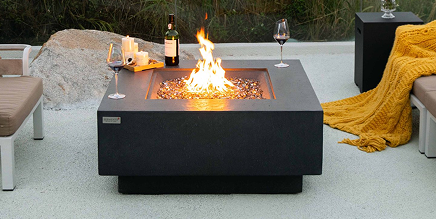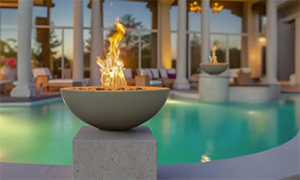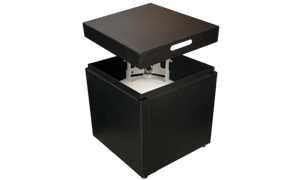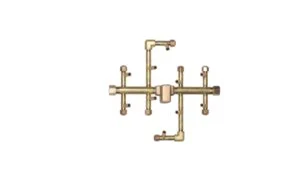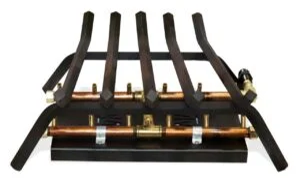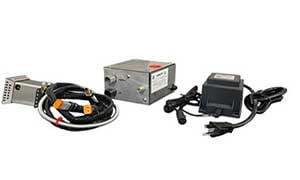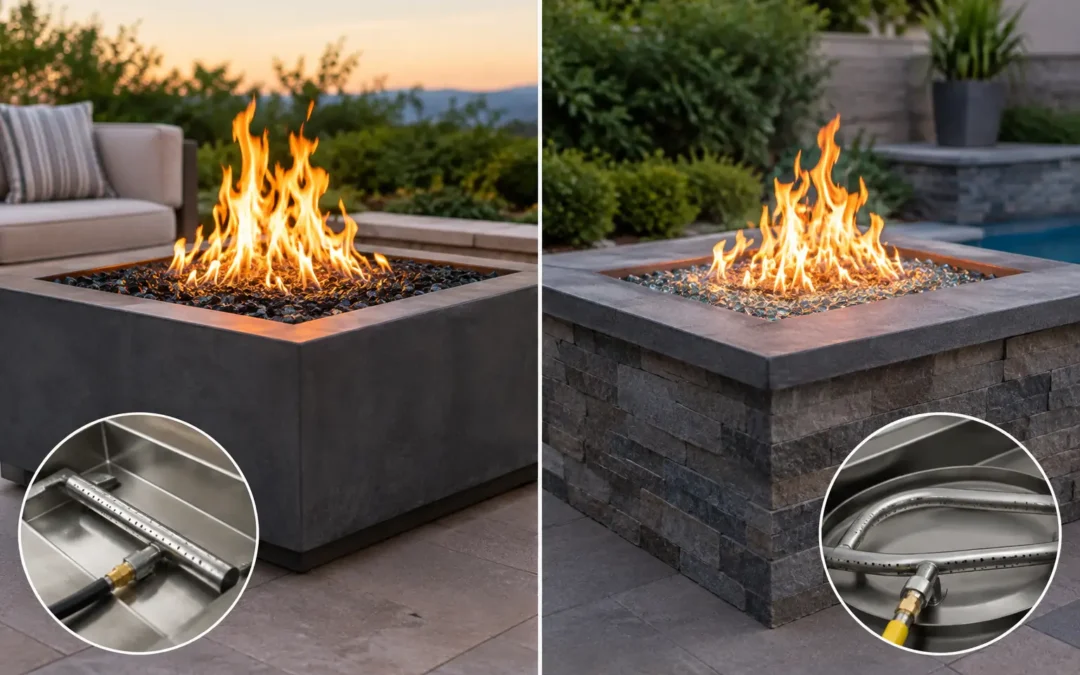
A fire bowl can look perfectly at home beside a pool, on a raised patio wall, or at the end of a long water feature – until the fuel source dictates an installation that does not suit the space. When comparing propane versus natural gas burners, the better choice is rarely about flame alone. It is about how the fuel system supports the project’s layout, finish details, daily use, and long-term service requirements.
For a permanent, design-led outdoor installation, the burner should be selected early in the planning process. Fuel affects where the fire bowl can sit, how it is supplied, what components are required, and how the finished feature performs on a cool evening or during a large gathering.
Propane Versus Natural Gas Burners: The Core Difference
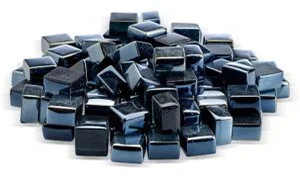
Both propane and natural gas can produce an impressive, properly controlled flame in a premium fire bowl. Both can be paired with media such as fire glass or lava rock, electronic ignition systems, manual controls, and a burner sized for the bowl’s opening. The meaningful differences are in delivery and logistics.
Natural gas arrives through a fixed utility line. Once a qualified installer has run an appropriately sized gas line to the fire feature, the bowl has a continuous fuel supply. There are no tanks to exchange, conceal, or monitor before entertaining. For homes with existing natural gas service and a permanent patio or poolscape plan, that convenience is a major advantage.
Propane is stored onsite in a tank, whether it is a portable cylinder or a larger permanently installed tank. This makes propane a practical option for properties without natural gas service, detached outdoor areas, and locations where extending a gas line would require extensive hardscape demolition. It also gives designers flexibility when a fixed gas connection is not feasible.
Neither fuel is universally superior. A well-designed propane system often makes more sense than a costly natural-gas run, while natural gas is typically the cleaner operational fit for a fire feature intended to be used several nights each week.
Choose Fuel Based on the Installation, Not Just the Bowl
The best fuel decision starts below the fire bowl. A custom fire feature may be mounted on a pedestal, integrated into a masonry surround, positioned on a pool coping wall, or placed as a freestanding focal point. Each condition creates different requirements for gas routing, ventilation, access, and service.
Natural gas for permanent, frequently used fire features
Natural gas is often preferred for a permanent backyard installation where the homeowner expects to use the fire bowl regularly. It supports an uninterrupted experience: turn the feature on, enjoy the flame, and turn it off without checking a gauge or arranging a refill.
That simplicity is especially valuable around pools and larger entertaining areas with multiple fire features. A professionally planned gas system can supply several bowls, a fire pit, or an outdoor kitchen, provided the line sizing and total BTU demand are properly calculated. Undersized gas lines are a common source of disappointing flame height, particularly when more than one appliance is operating.
The trade-off is upfront work. A natural-gas installation may require trenching, permits, coordination with a pool builder or landscape contractor, and careful planning before concrete, pavers, or finished planting go in. Retrofitting is possible, but it is usually more expensive and visually disruptive than including the line during construction.
Propane for flexibility and properties without gas service
Propane is an excellent solution where natural gas is unavailable or impractical. Rural properties, second homes, and projects with long distances between the house and the fire feature are common examples. A propane tank can serve a fire bowl with the right regulator, gas piping, and installation plan.
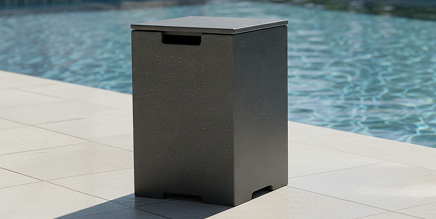
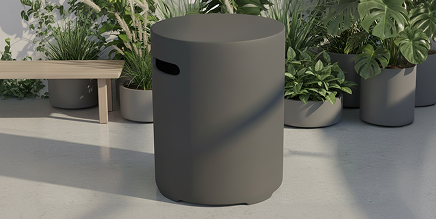
For a high-end project, tank placement deserves the same design attention as the bowl itself. A portable cylinder should not become an afterthought beside a finished feature. It needs a properly ventilated, code-compliant enclosure with practical access for replacement. Larger propane tanks can be located away from the entertaining area, subject to local requirements, then connected through professionally installed piping.
Propane can also be the right answer for a remodel where the patio is complete and no gas stub is available. The cost and disruption of extending natural gas may outweigh the convenience of an endless fuel supply.
Flame Performance Depends on Proper Sizing
A common assumption is that propane always produces a better flame because it carries more energy per unit of volume. In practice, the visual result depends on the entire system: burner design, BTU rating, orifice sizing, incoming gas pressure, media depth, wind exposure, and the dimensions of the fire bowl.
Natural gas burners move a larger volume of fuel to achieve their rated output. Propane burners use different orifices and pressure regulation. For that reason, a burner built for one fuel must not simply be connected to the other. The correct burner configuration and approved conversion components are essential for safe ignition, stable flames, and proper combustion.
For poolside fire bowls, visual proportion matters as much as heat output. An oversized burner can create a flame that overwhelms the vessel or puts excessive heat near surrounding finishes. An undersized burner can look flat and underwhelming once covered with fire media. The goal is a full, balanced flame pattern that complements the bowl’s scale without compromising clearances or comfort.
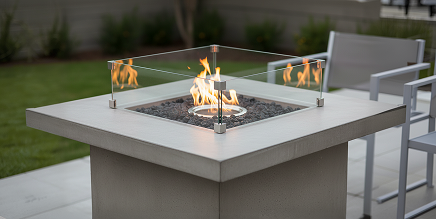
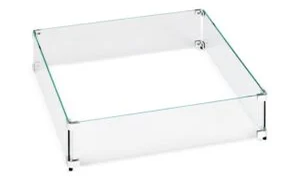
Wind is another factor worth addressing early. Open patios, elevated decks, and exposed coastal locations can distort even a well-tuned flame. A properly designed wind guard or flame guard may improve appearance and help keep fire media in place, but it should be selected for the specific bowl and burner configuration rather than treated as a universal add-on.
Cost: Separate Installation Cost From Operating Cost
Fuel prices vary by location and change over time, so broad claims about one being always cheaper are not useful. Natural gas is often less expensive to operate per hour in many markets, while propane typically carries a higher per-unit fuel cost. But operating cost is only one part of the investment.
Natural gas can have a higher initial installation cost when a line must be run across a property or beneath finished hardscape. Propane may reduce that initial construction scope, but it introduces ongoing tank refills or delivery service. The right comparison is the total cost over the expected life of the project, not just the first invoice or the first season of fuel use.
For builders and designers, the most effective approach is to confirm fuel availability and gas-line feasibility before the fire bowl style, burner size, and control system are finalized. That prevents late-stage changes that can affect the budget, schedule, and finished composition.
Controls, Ignition, and Everyday Ownership
Both propane and natural gas systems can use manual key valves, match-lit configurations where permitted, or electronic ignition systems. Electronic ignition is often well suited to premium outdoor spaces because it offers controlled startup and flame sensing. Depending on the system, controls may be placed at the feature, integrated into a wall switch, or coordinated with broader outdoor automation.
The fuel type still affects ownership. Natural gas offers the least routine fuel management. With propane, homeowners need a reliable plan for monitoring supply, especially before events or during colder seasons when a fire feature sees more use. A nearly empty propane tank can result in weak performance or an unexpected interruption.
Service access matters with either option. Valves, ignition components, regulators, and connections should remain reachable for inspection and maintenance. A beautiful fire bowl installation should look finished, but it should never be built in a way that makes basic service unnecessarily difficult.
Safety and Code Requirements Are Part of Good Design
Gas fire features are not generic patio accessories. They should be installed according to the manufacturer’s requirements, local building and fire codes, and the direction of qualified licensed professionals. Clearances from combustible materials, proper ventilation for propane storage, gas shutoff access, drainage considerations, and ignition-system requirements all deserve attention.
This is particularly important around swimming pools, where water, electrical equipment, coping materials, and traffic patterns converge. The bowl location should provide visual drama without creating a pinch point for guests or placing intense heat too close to furniture, umbrellas, plantings, or finished surfaces.
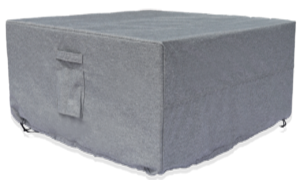
Premium aluminum fire bowls with stainless-steel burner components are built for outdoor durability, but durable materials do not replace correct installation. Protecting the feature with an appropriate cover when it is not in use and keeping burner ports free of debris will help preserve its appearance and performance.
The Better Burner Is the One That Fits the Property
Choose natural gas when the project has access to utility gas, the feature will be used often, and the construction plan can accommodate properly sized permanent piping. Choose propane when gas service is unavailable, the fire bowl is part of a complex retrofit, or installation flexibility matters more than eliminating fuel management.
For USA Fire Bowls customers, the strongest result comes from coordinating the bowl, burner, fire media, ignition method, fuel source, and surrounding finishes as one design decision. A well-proportioned flame should feel like it belongs to the architecture and landscape, not like an appliance added after the patio was complete.
Before selecting a fuel type, walk the site with the people responsible for the pool, hardscape, gas work, and electrical controls. That early conversation often reveals the most elegant solution – and ensures the finished fire feature is as dependable as it is striking.