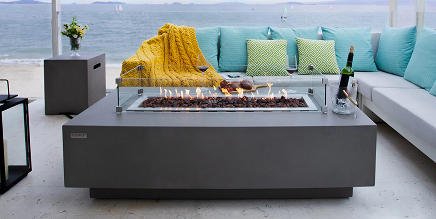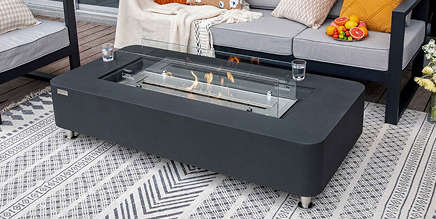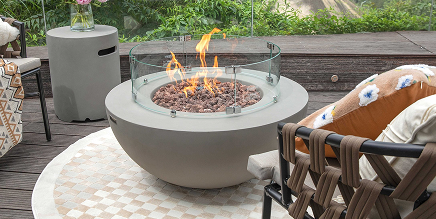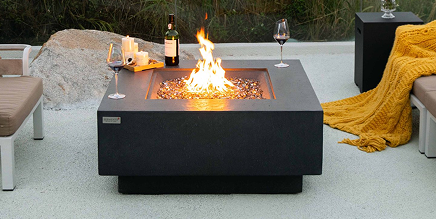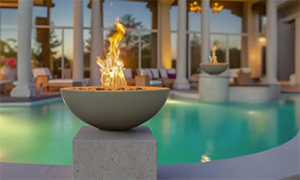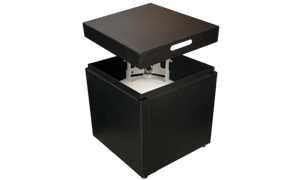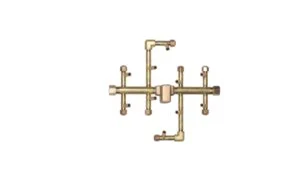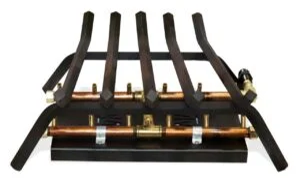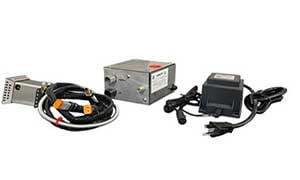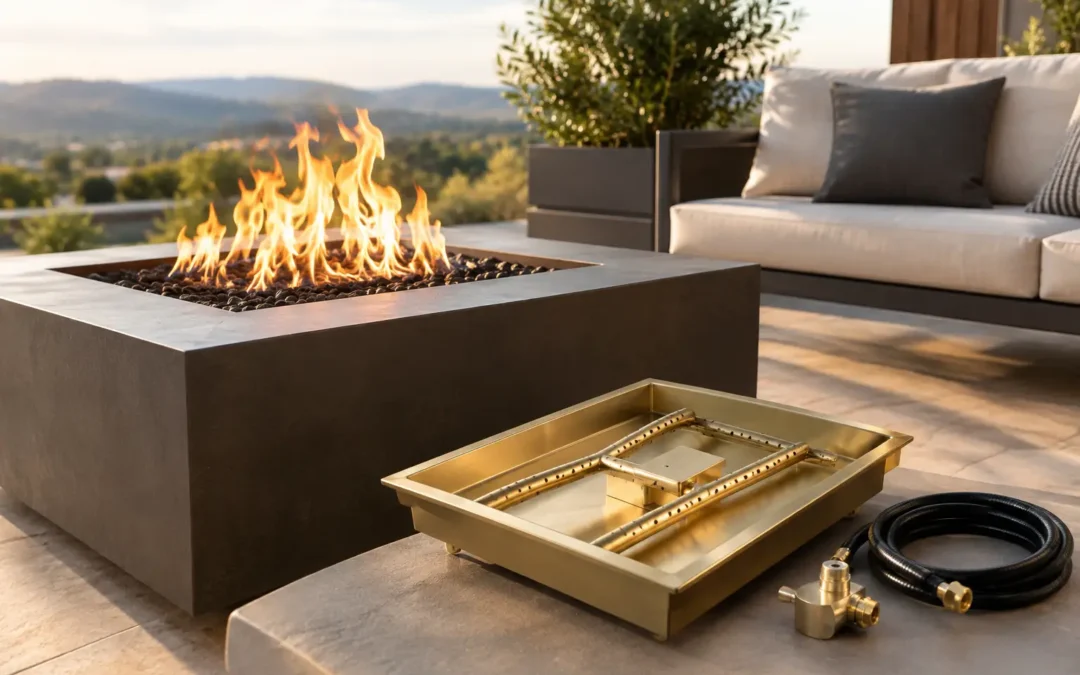
A fire bowl can retain its sculptural presence for years, yet the flame often reveals when its internal components no longer match the caliber of the setting. A Warming Trends brass burner upgrade can give a poolside bowl, fire pit, or custom patio feature a more consistent flame pattern, a higher-end material specification, and the dependable foundation a luxury outdoor project requires.
This is not simply a matter of replacing one ring with another. Burner dimensions, fuel type, media depth, ignition components, enclosure ventilation, and the gas supply all affect the finished result. A well-planned upgrade protects the investment in the feature itself while making the flame look intentional after sunset.
Why Upgrade to a Brass Burner?
The burner is the working center of a fire feature. It directs gas through carefully placed ports to create the flame shape that homeowners and designers notice first. When a burner has deteriorated, produces uneven flame, or was undersized from the beginning, even a beautifully finished fire bowl can feel underwhelming.
Brass is a strong choice for many premium outdoor applications because it is selected for durability and resistance to corrosion. That does not mean it is maintenance-free or immune to the effects of weather, heat, chemicals, and coastal exposure. It does mean the material is well suited to owners and trade professionals who want a more substantial component than a basic, light-duty burner.
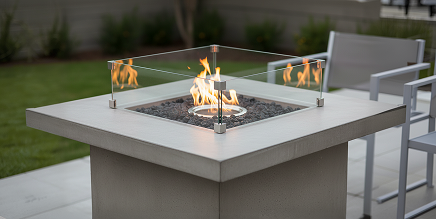
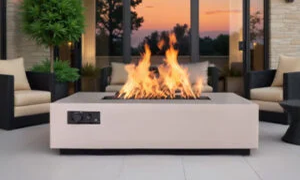
The visual benefit matters, too. A properly sized burner creates a fuller, more balanced field of flame. In a contemporary square fire bowl, that controlled geometry reinforces the clean lines of the vessel. In a rectangular fire pit, it can establish a long, even ribbon of fire that gives a seating area a defined focal point.
For a new construction project, specifying the burner early helps coordinate the pan, media, gas line, and control system. For an existing feature, the upgrade can correct common issues without requiring a complete rebuild, provided the enclosure and gas system are compatible.
Start With the Fire Feature, Not the Burner
The most common specification mistake is choosing a burner based on the exterior size of the bowl or fire pit. The burner must fit the usable interior opening and work with the burner pan, not simply fill the vessel from edge to edge.
Measure the interior dimensions of the opening, accounting for the lip, the pan, and the room needed around the burner for fire media. A burner that is too large can crowd the pan, place flames too close to the feature walls, and create an overly dense flame bed. One that is too small may leave a broad, empty field of media and fail to provide the visual scale the design calls for.
The desired flame presentation also guides the choice. A square burner complements square bowls and can distribute flame evenly across a symmetrical opening. A linear burner is usually the natural fit for a rectangle fire pit. Round burners suit circular bowls, while custom configurations may be appropriate for unusually shaped architectural features.
Consider the intended viewing distance. A fire feature beside a pool may be appreciated from a patio, through a wall of glass, and from the water itself. It generally benefits from a flame pattern that reads clearly from several angles rather than a burner selected only for maximum output.
Match Fuel, BTUs, and Ignition Components
Natural gas and liquid propane systems are not interchangeable. Burner ports, valves, and orifices must be configured for the correct fuel, and an upgrade should never assume that an existing gas connection is suitable without verification.
A licensed gas professional should confirm that the supply line can provide the burner’s required capacity at the feature location. This is particularly important on larger fire pits, long runs from the meter or tank, and projects where multiple appliances operate at the same time. A burner can be correctly sized for the bowl but still perform poorly if the gas line is undersized or pressure is inadequate.
The ignition method deserves equal attention. A match-lit system offers a straightforward approach when manual operation is appropriate. Electronic ignition systems add convenience and can support automated controls, but they require compatible electrical components, sensors, valves, and weather-conscious installation practices. Replacing only the burner while leaving mismatched control components in place can create performance and safety problems.
For existing installations, inspect the shutoff valve, flex connector where applicable, pan, pilot assembly, and wiring before ordering parts. An upgrade often becomes more efficient when related worn components are addressed at the same time rather than after the new burner is installed.
Planning a Warming Trends Brass Burner Upgrade
A Warming Trends brass burner upgrade should be treated as a system decision. Confirm the manufacturer’s required clearances, approved media depth, fuel configuration, and installation instructions for the exact burner and ignition setup being used. Those details take priority over general rules of thumb.
Begin with the condition of the current fire feature. A solid aluminum fire bowl or properly built masonry fire pit may be an excellent candidate for a burner replacement. If the burner pan is warped, corroded, poorly drained, or not designed to support the new burner, it should be evaluated as part of the project. The same applies to the enclosure below. It needs the ventilation, drainage, and service access required for safe operation.
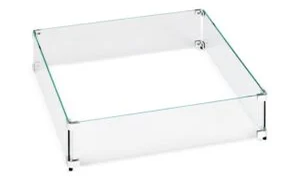
In pool environments, placement is especially consequential. Wind crossing the water can disrupt a flame, while splash exposure and pool chemicals create a harsher setting for any exterior component. A flame guard may improve wind performance and add a refined finished edge, but it must be selected and installed to suit the fire feature and burner configuration. It is not a universal correction for an incorrectly sized burner or inadequate gas supply.
USA Fire Bowls approaches these decisions from the complete fire feature outward, coordinating handcrafted bowl proportions, burner layouts, finishes, and accessories so the visible design and internal components support each other.
Choose Fire Media for Performance and Finish
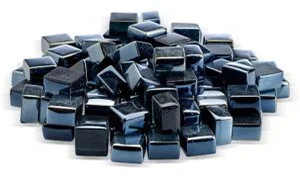
Fire glass is often the finishing material that makes a burner upgrade immediately visible. Its color can echo pool tile, coping, stucco, metal accents, or landscape lighting, giving the fire feature a deliberate place in the overall exterior palette. A darker glass can make the flame feel dramatic at night, while lighter or reflective tones can brighten the bowl during the day.
Appearance should not override installation requirements. Media must be rated for use in gas fire features, and it should be installed at the depth specified for the burner system. Too much media can obstruct burner ports, trap heat, and produce uneven flames. Too little can expose the burner and leave the presentation looking unfinished.
In some installations, a base layer of appropriate material beneath decorative fire glass helps manage depth and cost. The exact approach depends on the burner and pan design. Avoid treating decorative media as interchangeable with ordinary landscape stone. Materials that are not intended for fire use can crack, pop, or compromise performance when heated.
Installation Details That Protect the Investment
A premium burner deserves a professional installation. Before the feature is put back into service, connections should be tested according to applicable codes and manufacturer instructions. Never test a gas leak with an open flame. Confirm that the burner is level, ports are clear, media is correctly placed, and the flame is stable after ignition.
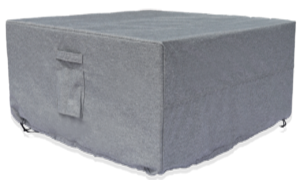
Protective covers are useful when the unit has fully cooled and is not in use, particularly during periods of heavy debris, rain, or seasonal downtime. Keep drainage paths clear, remove leaves from the pan area, and inspect the burner periodically before the entertaining season begins. Brass can develop a natural change in surface appearance over time, especially outdoors, but unusual blockage, weak flame, or inconsistent ignition should be addressed promptly rather than covered up with more fire glass.
For builders and designers, document the burner model, fuel type, ignition system, and service access points at project closeout. That small step makes future maintenance easier and gives the homeowner confidence that the feature was built as a complete, serviceable system.
The right burner upgrade should make the fire feature feel more resolved, not merely hotter. When the flame scale, material quality, media, and surrounding architecture are specified together, the result is a poolside or patio centerpiece that holds its presence long after the first lighting of the evening.