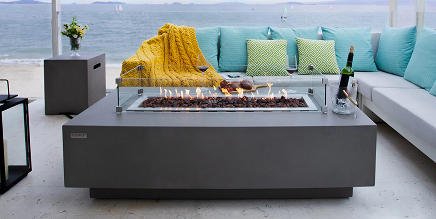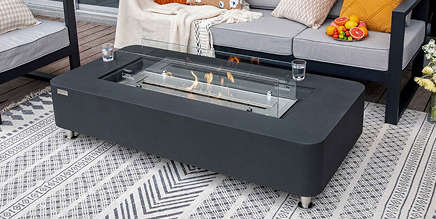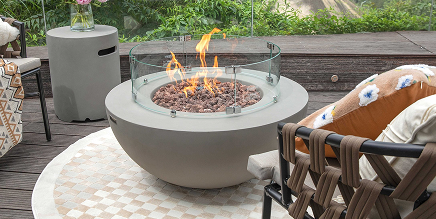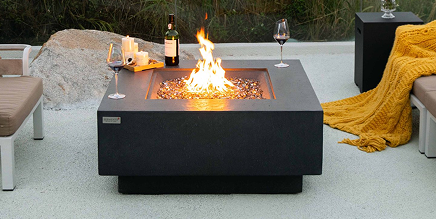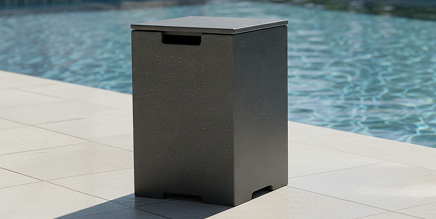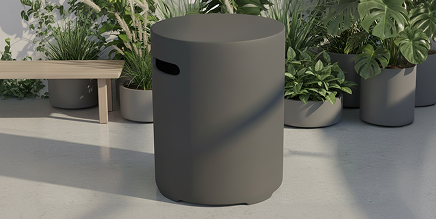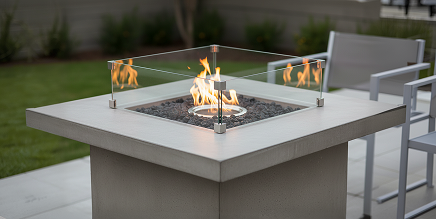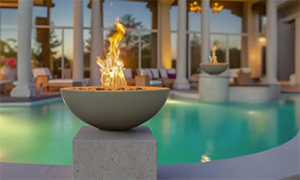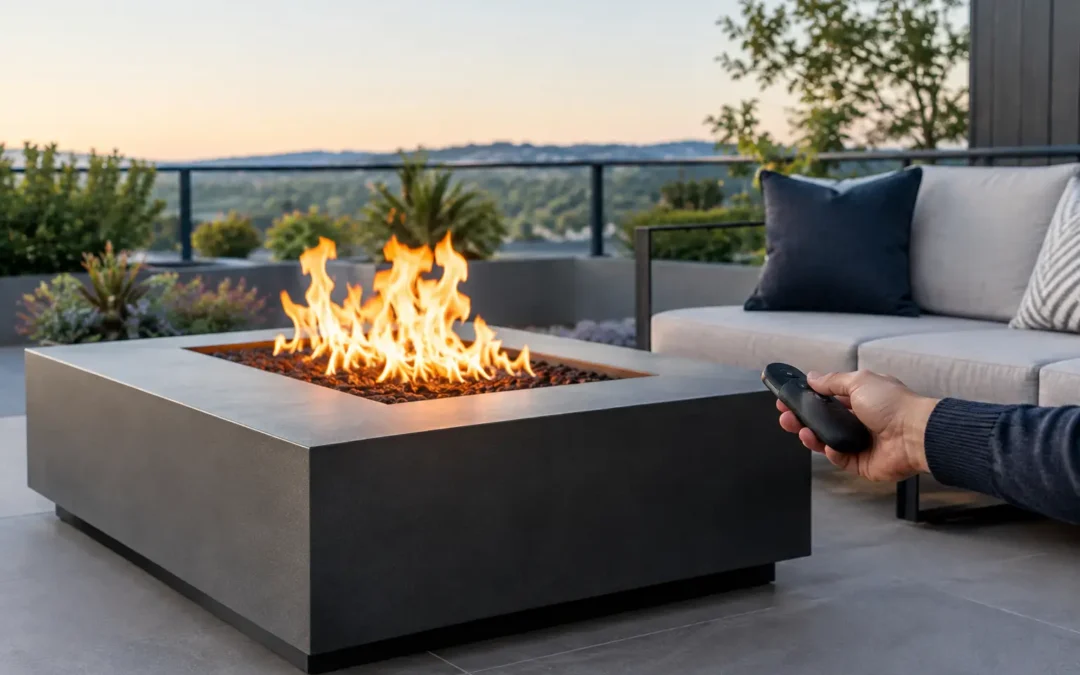
A fire bowl can look simple from across the pool: a clean architectural form, a measured flame, and a finish that belongs with the surrounding tile or stone. Behind that presentation is an ignition system that determines how the feature starts, how safely it operates, and how naturally it fits into daily use. When you select a fire bowl ignition system, the right choice begins with the way the outdoor space will actually be used, not with a control option alone.
For a custom poolscape, the ignition system should support the design rather than complicate it. A homeowner may want a reliable feature that starts with a switch before guests arrive. A pool builder may need a system that meets the project’s gas, electrical, and local code requirements while keeping service access practical. Both need dependable components sized correctly for the burner and fuel supply.
Start With the Desired Fire Bowl Experience
The first decision is whether the fire feature should be manually lit or electronically controlled. Neither approach is automatically better. The best option depends on convenience expectations, available power, project budget, and the level of automation planned for the property.
A match-lit system is straightforward. Gas is turned on at a keyed valve or control valve, then ignited manually with an appropriate long lighter or ignition source. With fewer electronic components, it can be a sensible choice for a patio or landscape setting where the bowl will be used occasionally and electrical service is limited. It also gives owners a direct, uncomplicated operating method.
The trade-off is hands-on operation. The user must be present to light the burner, and the system generally will not integrate with a remote, wall switch, or pool automation platform. For high-end pool environments where the fire bowls are part of an evening entertaining routine, that extra step can feel out of place.
Electronic ignition systems provide a more refined ownership experience. Depending on the system selected, the burner can be activated from a wall switch, remote control, dedicated control panel, or compatible automation system. These systems are often preferred when bowls are positioned across a pool, mounted on columns, or installed where manual lighting would be inconvenient.
How to Select a Fire Bowl Ignition System for Safety
Safety is not an accessory to the ignition system. It is the reason the system must be matched to the burner, gas type, and installation conditions from the beginning.
An electronic system typically uses a flame-sensing safety feature. When the control calls for fire, it opens the gas valve and initiates ignition. If a flame is not established or is lost, the system is designed to stop the gas flow rather than allow unburned gas to continue feeding the burner. This added protection is a major reason electronic ignition is commonly specified for professionally built pool and patio projects.
Some systems use intermittent pilot ignition, where a pilot flame starts only during the ignition sequence. Others use direct ignition methods designed for specific burner assemblies. The correct configuration depends on the manufacturer’s approved components and the installation design. A burner, valve, ignition module, and control package should never be assembled from unrelated parts simply because the connections appear compatible.
Match-lit systems also require careful planning. A properly located gas shutoff, an accessible control valve, and clear lighting procedures are essential. A manual system does not eliminate the need for qualified installation or code compliance. It simply changes how the feature is operated.
For any gas fire bowl, use an installer qualified to work with outdoor gas appliances. The installer should verify fuel type, gas pressure, pipe sizing, burner capacity, ventilation requirements, clearances, and the location of the emergency shutoff. Local requirements can vary, particularly around pools, electrical equipment, and combustible structures.
Match the System to Natural Gas or Propane
Natural gas and liquid propane have different delivery characteristics, so the ignition system and burner must be configured for the fuel being used. This is not a finish-level decision that can be settled after the bowl is installed.
Natural gas is often practical for permanent fire bowls near a home’s existing gas service. It provides a continuous fuel source, but the gas line must be correctly sized for the total BTU demand and the distance from the meter or supply connection. An undersized line can leave a premium burner producing a disappointing, uneven flame.
Liquid propane is useful where natural gas is unavailable, but it requires a properly sized external tank and propane-specific components. Propane is heavier than air, which makes ventilation and enclosure design especially important. The burner pan, bowl cavity, and surrounding structure must not create a place where gas can collect.
The right question is not simply, “Which fuel burns hotter?” The practical question is whether the site can reliably supply the fuel volume required by the selected burner while meeting the installation instructions and applicable code. Your installer should confirm this before finish materials, coping, or masonry details make adjustments difficult.
Plan for Power, Controls, and Service Access
Electronic ignition brings convenience, but it also needs a protected power source and a thoughtful control plan. Most systems require electrical power for the ignition module, valve, and controls. The precise voltage and wiring requirements vary by system, so they should be confirmed before construction begins.
A basic wall switch can be an excellent choice for a clean, predictable setup. It gives the homeowner an easy way to operate the bowl without adding layers of programming. Remote controls offer flexibility for entertaining areas, while pool and home automation integration can create a more coordinated experience. With the right controls, fire bowls can be activated alongside landscape lighting, pool lighting, and water features.
Automation is appealing, but it should be selected with care. More advanced controls can require additional wiring, programming, and coordination among the pool builder, electrician, and automation technician. For a homeowner who simply wants a dependable flame at the touch of a switch, a simpler electronic system may be the better long-term choice.
Service access matters just as much. Ignition modules, valves, junction boxes, and shutoffs should remain reachable after the project is complete. Concealing every mechanical component may look clean on installation day, but it can turn routine inspection or future service into unnecessary demolition. A well-designed project protects the equipment without making it inaccessible.
Consider Wind, Water, and the Bowl Location
Poolside fire bowls live in demanding conditions. Wind can disrupt ignition and push flames unevenly across the burner. Splashing water, irrigation overspray, and coastal air can affect components over time. The ignition system should be specified with the actual environment in mind.
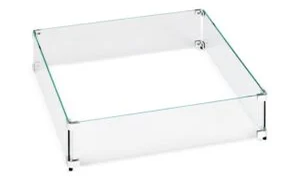
A protected location and properly proportioned flame guard can improve flame performance in breezy settings. Flame guards also create a visual boundary around the fire media while helping reduce the effect of wind. They must be sized and installed according to the burner and manufacturer’s recommendations, not treated as a decorative afterthought.
The bowl itself should be built for the environment as well. Powder-coated aluminum bodies and stainless-steel burner components are well suited to premium outdoor applications when they are properly maintained and paired with suitable internal components. In a salt-air location or a highly exposed setting, discuss material selection and maintenance expectations before ordering.
Drainage deserves equal attention. A fire bowl should not become a basin for rainwater, pool splash, or irrigation runoff. Water inside the burner area can affect performance and shorten component life. The installation should provide an appropriate path for water to drain without compromising the bowl, gas plumbing, or ignition equipment.
Choose Flame Media After the Burner Is Specified
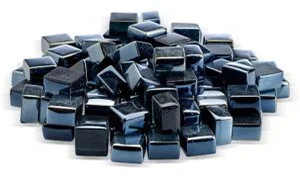
Fire glass, lava rock, and other approved media influence the appearance of the flame, but they should be selected after the burner and ignition system are established. Too much media, the wrong media size, or material placed where it interferes with ignition can affect flame pattern and startup reliability.
Fire glass is often selected for a more polished poolside presentation because it reflects light and can coordinate with tile, stone, and exterior finishes. Lava rock offers a more organic texture and can be useful as a base layer where appropriate. The key is to use media approved for fire features and follow the burner manufacturer’s coverage guidance.
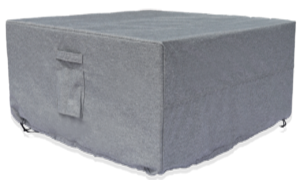
A burner cover is also worth considering. It helps keep leaves, debris, and moisture away from the burner when the bowl is not in use. For seasonal properties or exposed patios, a fitted protective cover adds another layer of care for the finished feature.
Coordinate the Decision Before Fabrication
Custom fire bowls are most successful when the ignition approach is decided early. Bowl dimensions, burner size, gas-entry location, drainage, access panels, media depth, and control placement all affect one another. Waiting until the bowl is set in place to determine where power or gas controls will go can limit the options.
For trade professionals, this coordination should happen alongside the pool equipment plan and hardscape drawings. For homeowners, it means bringing the pool builder, landscape designer, electrician, and fire feature supplier into the conversation before the final order. USA Fire Bowls can help align a handcrafted bowl’s form, finish, and component requirements with the larger outdoor design.
The most satisfying fire feature is not necessarily the one with the most technology. It is the one that lights reliably, fits the way the property is enjoyed, and preserves the composed look of the space long after installation day.