A well-designed pool is no longer treated as a standalone backyard feature. The strongest poolscape trends frame the water as part of a complete outdoor environment, with thoughtful circulation, architectural materials, layered lighting, and focal points that make the space as compelling after sunset as it is at noon. For homeowners and design professionals, that shift changes the conversation from selecting a pool finish to creating a setting with lasting presence.
The common thread is intentionality. Luxury poolscapes are becoming less crowded with one-off accessories and more coordinated around a small number of substantial, durable elements. A fire bowl placed along a waterline, a generous tanning ledge, or a sculptural retaining wall can do more for the finished design than a collection of trendy additions.
Poolscape Trends Center on Architectural Cohesion
The most successful pool projects now carry the architecture of the home into the landscape. Rather than treating the patio, pool coping, kitchen, fire features, and planting areas as separate decisions, designers are coordinating them as one visual system.
This often means limiting the material palette. Honed stone, porcelain pavers, textured concrete, plaster, tile, and metal can work beautifully together, but every finish should have a clear role. A warm limestone-look deck may be paired with charcoal tile, black window frames, and a powder-coated fire feature in a complementary neutral. The result feels tailored rather than assembled.
Color matching has become especially valuable in this approach. A standard black or bronze fire bowl can suit many settings, but custom powder-coated finishes give builders and homeowners more control when matching masonry, exterior trim, tile accents, or contemporary furnishings. That level of coordination matters most in clean-lined spaces, where a mismatched feature is immediately noticeable.
Quiet finishes are replacing visual clutter
Highly polished surfaces and busy mosaic fields still have a place, particularly in formal or resort-inspired designs. Yet many current projects lean toward matte, tactile finishes that look refined in bright sun and are forgiving of everyday use. Soft gray, sand, clay, charcoal, deep blue, and muted green are appearing more often than stark contrast at every surface.
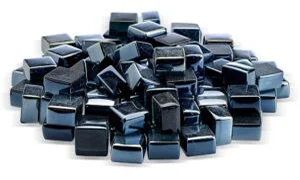
This does not mean the poolscape should be flat. Texture provides the visual interest. Split-face stone, ribbed tile, hand-troweled plaster, fire glass, and layered planting create depth without asking every element to compete for attention.
Fire and Water Remain a Defining Pairing
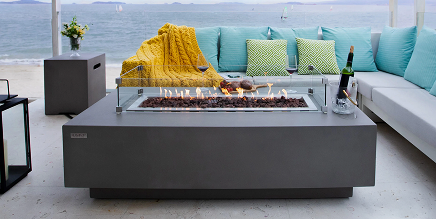
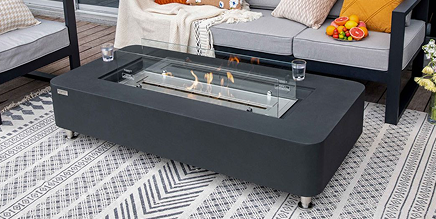
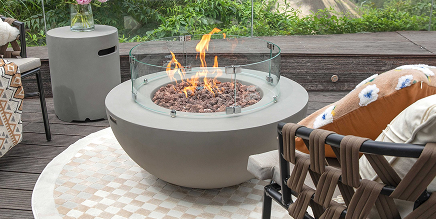
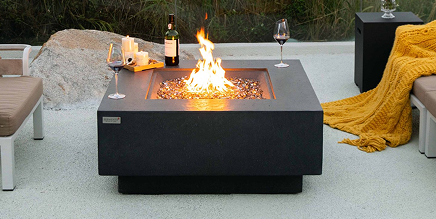
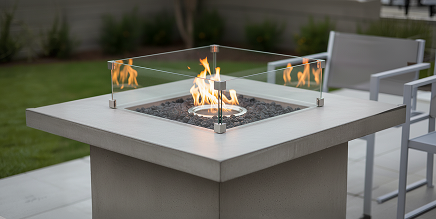
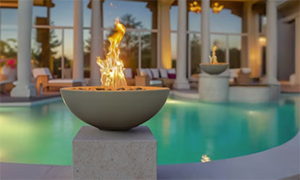
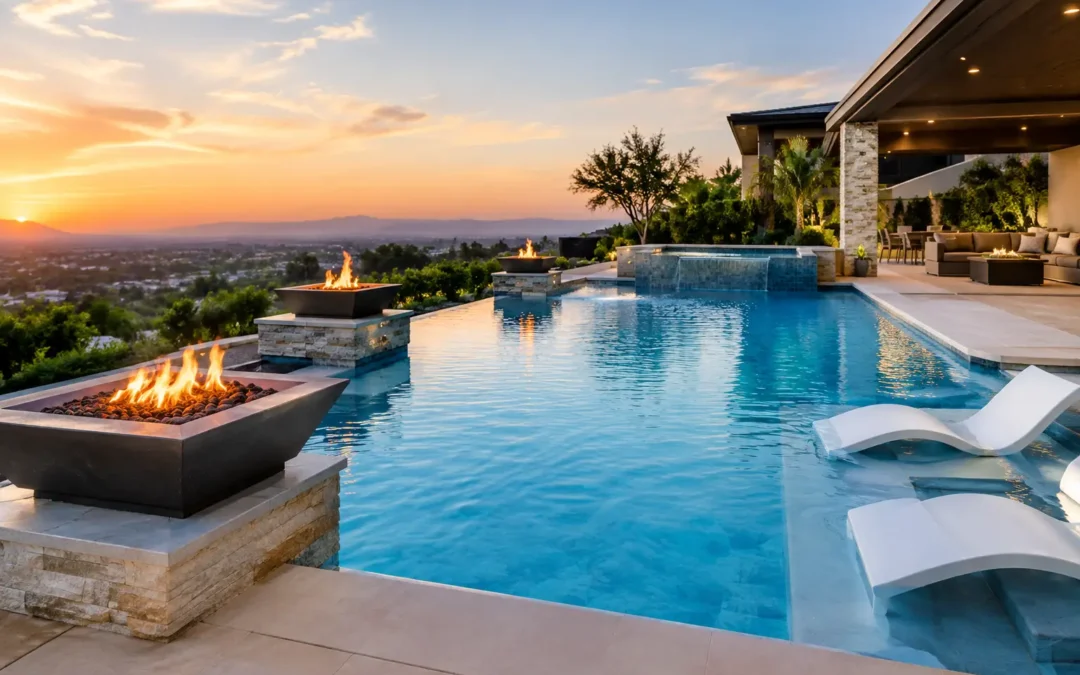
Few outdoor elements create the same immediate impact as flame near water. Fire bowls positioned on pedestals, raised walls, or pool columns bring motion and warmth to the pool edge, extending the usefulness of the area into cooler evenings and giving the entire yard a stronger nighttime identity.
The best installations make fire features feel built into the plan from the beginning. Their scale should relate to the pool, the width of surrounding hardscape, and the viewing distance from the house. A bowl that is too small can disappear against a large pool deck, while an oversized unit can overwhelm a compact courtyard. Placement matters just as much. A symmetrical pair can frame an infinity edge or stair axis, while a single bowl can anchor a lounge zone or draw the eye toward a distant view.
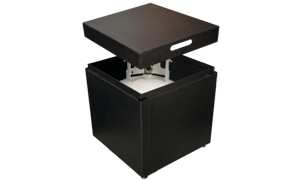
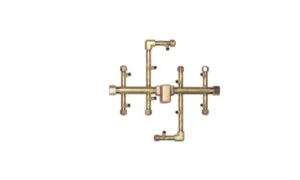
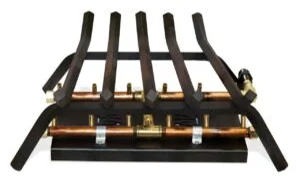
Material selection is not merely aesthetic. Poolside conditions expose outdoor features to moisture, chemical residue, heat, wind, and frequent cleaning. Handcrafted aluminum construction with durable powder coating offers a practical advantage because it resists corrosion while providing the crisp, substantial form expected in a high-end project. Stainless-steel burner components further support dependable performance in an exposed setting.
At USA Fire Bowls, customization is particularly useful for projects where a fire feature must complement specific tile, stone, or architectural colors rather than settle for an off-the-shelf finish.
Plan for the flame, not just the bowl
A beautiful fire bowl depends on appropriate gas supply, burner sizing, drainage, ventilation, clearances, and professional installation. A builder should confirm local code requirements and coordinate gas and electrical work early, especially when features are incorporated into raised structures or near an automatic pool cover.
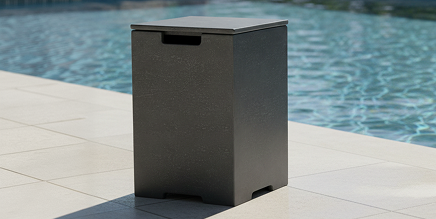
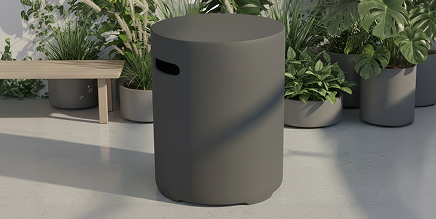
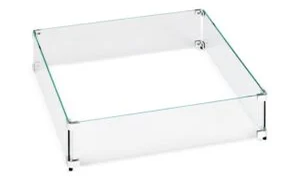
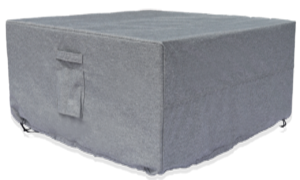
Wind exposure deserves an honest assessment. An elevated ridge-line property may require a different placement strategy, burner configuration, or flame guard than a protected courtyard. Flame guards can improve both safety and visual consistency in breezy conditions, while burner covers protect components when the feature is not in use. These practical details protect the investment and preserve the polished appearance that the design calls for.
Resort Comfort Is Moving Closer to the Water
Today’s poolscapes increasingly prioritize how people actually use the space. Large tanning ledges, shallow social shelves, in-water loungers, integrated benches, and wide entry steps are replacing the old idea that a pool is primarily for swimming laps. These features make the water accessible to guests who want to relax without fully entering the pool.
The same thinking extends beyond the water. Deep seating, dining areas with shade, outdoor kitchens, and fire-adjacent conversation spaces are planned as connected zones rather than isolated destinations. Clear pathways between the house, kitchen, pool, and seating area make entertaining easier and reduce the need to cross wet surfaces with food or glassware.
For smaller yards, the answer is not necessarily to add every amenity. A compact pool with one excellent lounge zone and a carefully placed fire feature can feel more luxurious than a crowded layout. The trend is toward fewer elements with better proportions, stronger materials, and a clear purpose.
Landscape Design Is Becoming More Structural
Planting is moving beyond perimeter decoration. In many premium poolscapes, landscaping is used to shape views, provide privacy, soften hardscape, and create a sense of arrival. Clipped hedges, ornamental grasses, multi-trunk trees, drought-conscious planting, and oversized planters can establish structure without blocking air flow or making maintenance difficult.
The right approach depends on climate, sun exposure, and the desired level of upkeep. Lush tropical planting can deliver dramatic privacy, but it may introduce more debris into the pool and demand more irrigation. A more restrained, climate-adapted palette often offers cleaner sight lines and easier long-term care. Experienced designers weigh the immediate visual effect against how the property will look after a windy week, a hot summer, or several years of growth.
Privacy screens and retaining walls are also becoming design opportunities. Finished in stone, tile, stucco, or metal panels, they can hide equipment, define an outdoor room, and establish a backdrop for fire and water features. When these surfaces are planned early, they eliminate the afterthought look that can weaken an otherwise expensive build.
Lighting Is Designed for Mood and Wayfinding
Pool lighting remains essential, but the goal is moving beyond making the water glow. Layered lighting helps guests move comfortably through the yard while highlighting focal points without turning the space into a stage set. Low path lights, discreet step lights, wall washes, subtle uplighting in trees, and carefully aimed illumination at fire features create dimension after dark.
Warm white lighting usually supports a more timeless result than a constantly changing color program. Color-changing pool lights can still be enjoyable for celebrations, especially when controlled thoughtfully, but they are most effective as an option rather than the default nightly setting. The fire itself often provides the strongest warm accent, which is another reason to position it where it can be seen from primary seating areas and inside the home.
Durability Is the Luxury Detail That Lasts
The strongest trend is less about a particular shape or finish and more about choosing materials that hold their character over time. Outdoor spaces receive intense UV exposure, pool moisture, spills, heat cycles, and daily wear. Premium poolscapes account for those realities from the start.
That means selecting fade-resistant finishes, corrosion-conscious metals, quality burners, serviceable components, and protective accessories where appropriate. It also means avoiding decisions based solely on a photograph. A dramatic surface may look exceptional at installation but become difficult to maintain, slippery when wet, or visually tiring over a large area.
For homeowners, the most valuable question is not whether an element is fashionable this season. Ask whether it supports the way the backyard will be used five or ten years from now. For builders and designers, that same discipline builds trust: recommend the feature that suits the site, performs reliably, and strengthens the overall composition.
A poolscape earns its staying power when every detail, from the flame height to the coping color, feels considered. Choose fewer pieces, specify them well, and give fire, water, and gathering spaces room to do what they do best.