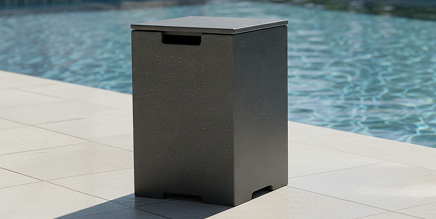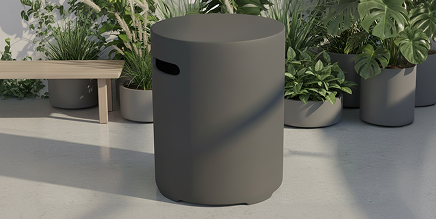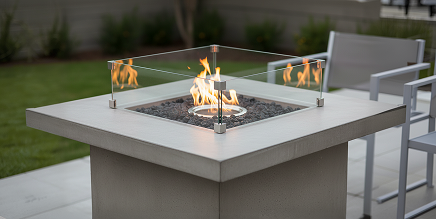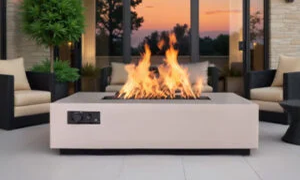
A fire feature can either complete a backyard or compete with it. That is the core lesson in this backyard fire bowl design case study. The project looked simple at first glance – one premium fire element for a newly finished patio and pool zone – but the real work was in proportion, placement, finish coordination, and long-term performance.
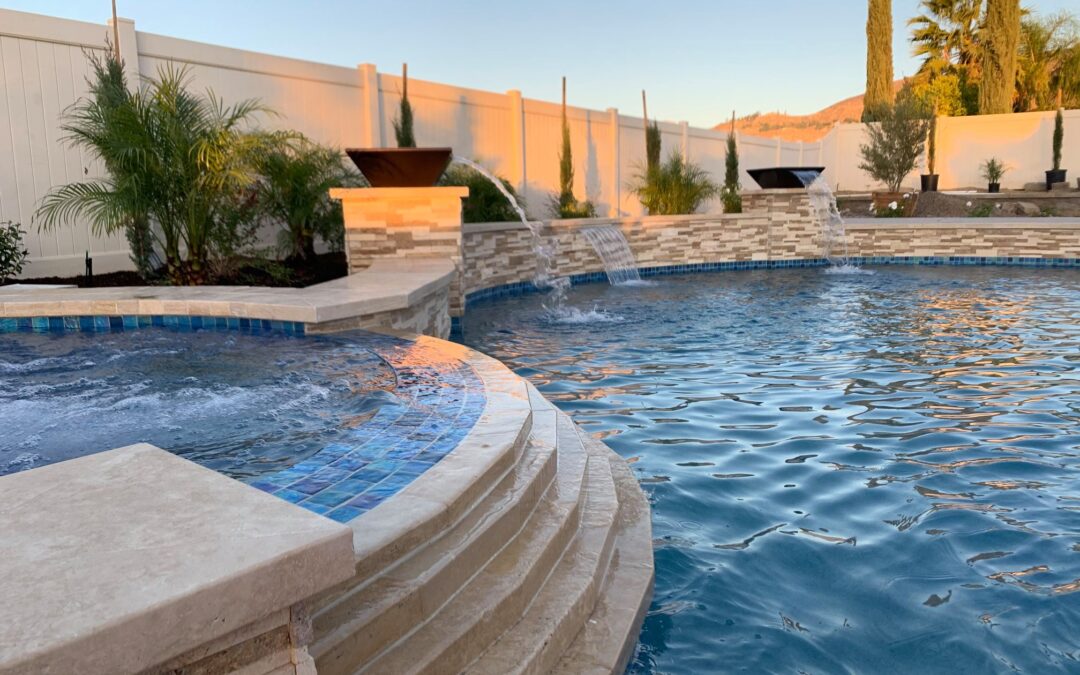
The setting was a high-end residential backyard with a rectangular pool, large-format stone decking, and a covered outdoor living area positioned off the rear elevation of the home. The homeowners wanted a fire feature that felt architectural rather than decorative. They were not looking for a casual concrete bowl to down grade their investment. They wanted a piece that could hold visual weight during the day and deliver a clean, controlled flame presentation at night. Founder and CEO Jesse Oren has 35 Years in the swimming pool industry. 1000’s of designs stretch across several states including coastal builds that require special attention to adverse conditions. So, for your high-end designs the only choice for usafirebowls was to construct the fire bowls from 5150 aluminum is a 5000-series wrought alloy where magnesium is the main added element. It is non-heat-treatable, gains strength from work hardening, and resists rust very well in wet or marine places. (Note: “5150” is also famously used as a proprietary aerospace-grade alloy name by Rawlings for high-performance baseball bats).
Project goals in this backyard fire bowl design case study
The design brief came down to three priorities. First, the fire bowl needed to match the quality level of the surrounding construction. Second, it had to relate to the pool and patio materials without disappearing into them. Third, it needed to perform reliably in an exposed outdoor environment with minimal visual clutter.
That combination is where many backyard fire projects go off track. A bowl that looks strong in a product photo can feel undersized on a large deck. A finish that seems neutral in a showroom can turn flat next to natural stone. And a flame that appears dramatic in marketing imagery may be too tall, too noisy, or too wind-sensitive for a refined backyard setting.
In this case, the client initially considered a wide, low-profile fire pit. It would have added more flame area, but it also would have spread the visual footprint too far across the patio. The cleaner solution was a fire bowl with a more sculptural presence and a tighter overall footprint.
Why the Knife Edge Bowl out sells all other shapes.
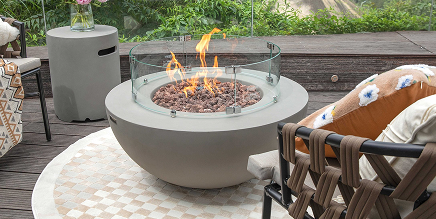
The knife edge bowl shape solved two design problems at once. Used on a curved design it allows the visual of elegance in combination of the visual lines. For the straight-line pools, it continues that compliment. Designers who miss this find out after they call out a round bowl on a straight-lined design. For a round bowl to work correctly on a straight-lined pool design you would need another round object in the space for the viewer to connect that choice, like a fire pit next to the pool into a landscape dominated by straight lines, and it gave the fire feature a sense of intentional mass without requiring a large installation area. That matters in luxury backyards where circulation paths, furniture layouts, and pool setbacks are already doing a lot of work.
A fire bowl also tends to read as a finished object rather than site-built hardscape. For homeowners and trade professionals alike, that can be a major advantage. It creates a focal point without forcing the entire patio to revolve around a masonry structure.
There is a trade-off, of course. A bowl does not provide the same social seating pattern as a central fire pit. If the goal is to gather eight people around one feature, a different format may be better. But for this project, the fire element was meant to anchor a visual axis between the pool edge and the lounge area, not serve as the only entertainment zone.
Sizing the bowl to the site
Scale was the first major design decision. The patio was broad, the house elevation was tall, and the pool introduced a strong horizontal line across the yard. A small bowl would have looked like an accessory. An oversized bowl would have become too dominant and started to compete with the architecture.
The selected diameter landed in the middle ground that premium exterior design often demands. Large enough to hold presence, restrained enough to preserve balance. This is where many buyers benefit from slowing down. Bigger is not always better. In outdoor design, correct proportion is what makes a piece look expensive.
Material choice and why it mattered
The bowl needed to withstand weather exposure, heat, and the realities of ongoing outdoor use. Material quality was not an upgrade in this project. It was a baseline requirement.
Durable metal construction made sense because it offered clean detailing, dependable structural integrity, and finish flexibility. In premium applications, aluminum and stainless steel are especially valuable because they support long-term performance without the visual heaviness of cast concrete. They also allow for refined manufacturing tolerances, which show up in the final result more than many homeowners expect.
Good craftsmanship is easy to miss when it is done well. Clean edges, stable construction, consistent finish application, and properly integrated burner components tend to disappear into the design. That is exactly the point. A premium fire bowl should feel resolved, not improvised.
Finish selection and visual coordination
The finish was one of the most important decisions in this backyard fire bowl design case study because the surrounding palette was already sophisticated. The deck stone carried warm gray and taupe variation. The coping had a slightly deeper tone. The home exterior mixed smooth stucco with dark-framed openings. A generic black finish would have worked, but it would have felt expected.
Instead, the chosen finish was calibrated to bridge the hardscape and the architecture. It pulled enough depth from the darker elements of the home while still sitting comfortably against the stone. That subtle coordination is what keeps a fire feature from looking like a late-stage add-on.
This is also where customization matters. In a design-driven backyard, color matching is not a vanity detail. It is how the fire feature becomes part of the environment rather than a separate object placed into it. For homeowners building once and planning to live with the result for years, that distinction is worth attention.
Placement near the pool and lounge zone
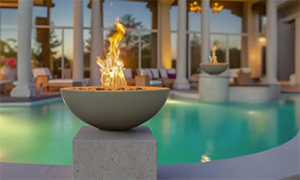
The bowl was installed where it could be seen from the main interior sightline, the covered seating area, and the far side of the pool. That location created layered value. During the day, the bowl acted as a sculptural marker. At night, the flame reflected lightly off the water and helped define the perimeter of the entertainment space.
Placement around water always requires discipline. Too close, and the feature can feel crowded or create practical concerns depending on the site layout. Too far away, and the fire loses its relationship to the pool entirely. The right spacing lets both elements read clearly.
The team also considered prevailing wind patterns, furniture arrangement, and service access. These are not glamorous parts of the design process, but they separate successful installations from frustrating ones. A fire bowl should look clean in photos and function well on an ordinary evening.
Flame presentation, media, and usability
The homeowners wanted a flame that felt elegant rather than aggressive. That led to a burner configuration and media selection that emphasized a stable, balanced flame profile instead of sheer height.
This is another area where preference and context matter. Some clients want a dramatic vertical flame for maximum impact. Others prefer a lower, fuller flame that complements conversation and ambient lighting. Neither is universally right. In a refined backyard with pool lighting, landscape lighting, and architectural lighting already in play, the quieter flame profile usually looks more intentional.
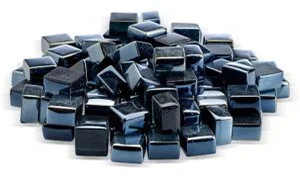
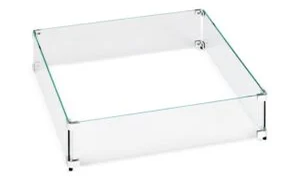
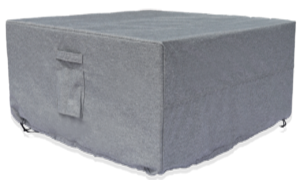
Fire glass was selected to support that clean presentation. It added light reflection and surface finish without cluttering the bowl. Accessories also mattered. A properly fitted cover helps preserve the feature when not in use, and burner protection contributes to long-term reliability.
The result after installation
Once installed, the bowl did what the best outdoor fire features do. It made the whole space feel finished. It did not overpower the patio. It did not get lost against the pool. It gave the backyard a focal point that worked from multiple angles and at multiple times of day.
Just as important, it matched the construction quality around it. That is where premium buyers tend to feel the difference most clearly. In an upscale exterior, every element is judged against everything else. A fire feature has to earn its place beside custom stonework, detailed pool construction, and high-end outdoor furnishings.
For trade professionals, this project reinforced a practical point. Clients often respond strongly to fire bowls because they combine sculpture, utility, and customization in one package. They are especially effective when the design needs a focal point but the site plan does not support a large central fire pit.
For homeowners, the takeaway is simpler. The best fire bowl choice is rarely the one with the biggest flame or the boldest shape. It is the one that fits the architecture, respects the materials around it, and still looks right after the excitement of installation day has passed.
A well-chosen fire bowl should not feel trendy. It should feel inevitable, as if the backyard was always meant to have it there.