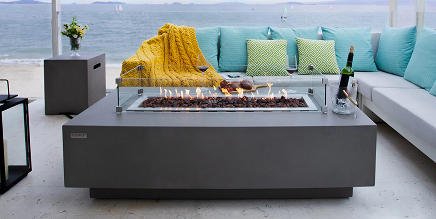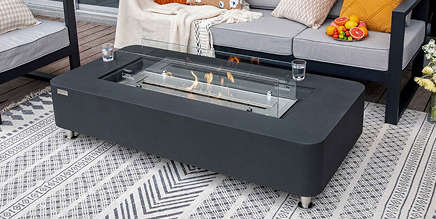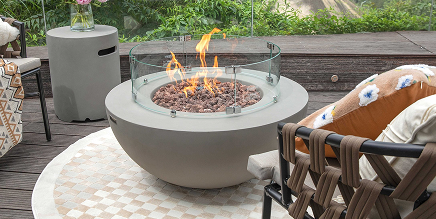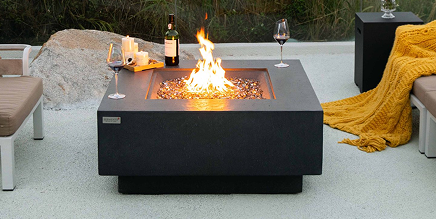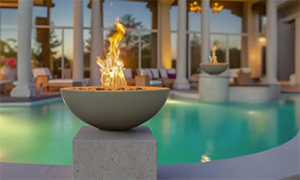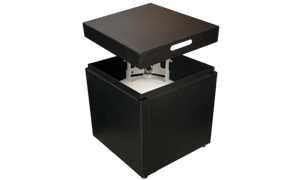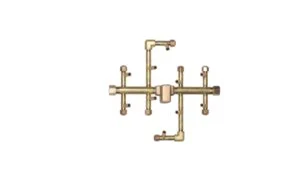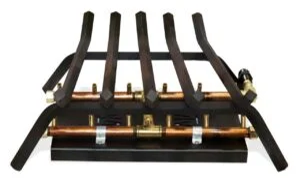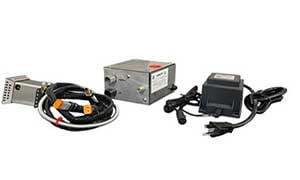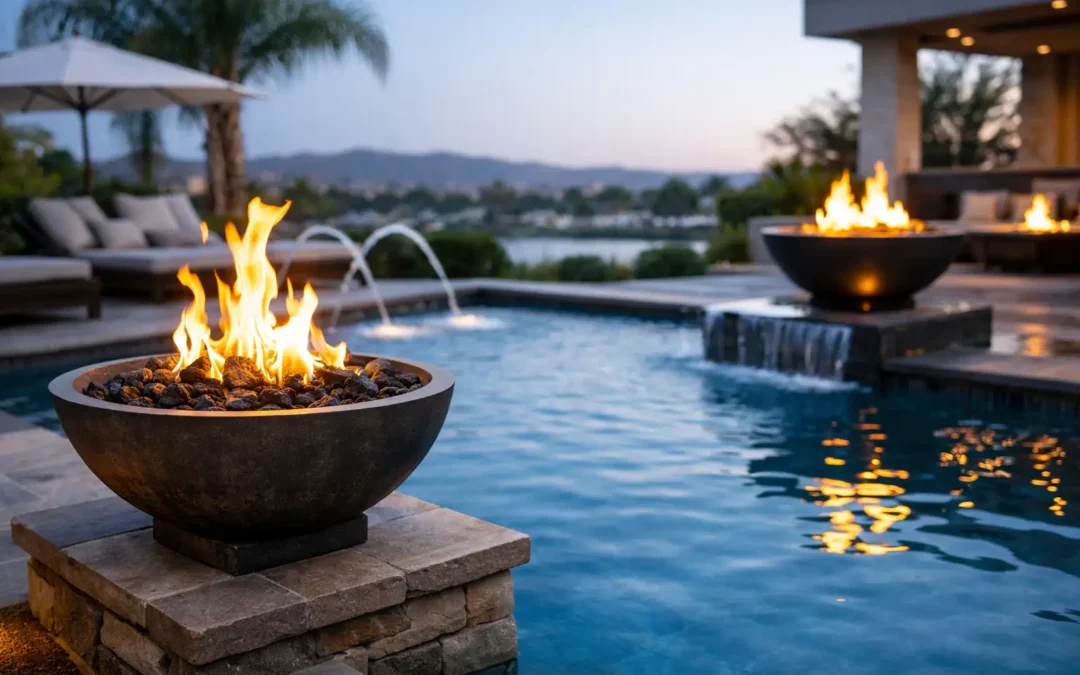
A well-designed pool does not end at the waterline. The best projects carry visual weight outward – across hardscape, raised walls, entry points, and seating areas. That is where decorative pool fire bowls earn their place. They are not just accents. Done well, they become architectural markers that give a poolscape rhythm, symmetry, and presence after dark.
For homeowners building a high-end backyard, and for designers specifying details that have to hold up both visually and structurally, the appeal is straightforward. A fire bowl introduces movement, contrast, and warmth to a setting that can otherwise lean too cool or too static. The key is choosing a piece that belongs in the space rather than simply sitting beside it.
Why decorative pool fire bowls matter in luxury outdoor design
In premium outdoor environments, every visible element has to contribute to the composition. A fire bowl can frame a vanishing edge, anchor the corners of a raised beam, or create a stronger transition between pool and patio. It adds height where flat hardscape needs dimension and provides a focal point when water features, lighting, and planting alone are not enough.
The visual effect is only part of the equation. Fire also changes how a space feels at night. It softens large expanses of stone and water, adds a sense of occupancy even when no one is swimming, and extends the usefulness of the yard for entertaining. In practical terms, that means the fire bowl is doing two jobs at once – contributing to the architecture and improving the experience of the space.
That said, not every pool needs them. In a compact yard, oversized bowls can crowd circulation or overpower the vessel. On a very minimalist project, one well-placed feature may be stronger than a pair. The right choice depends on scale, sightlines, and how the pool is actually used.
Choosing decorative pool fire bowls with the right visual weight
The first decision is usually shape. Round bowls tend to feel softer and more traditional, which works well against curved coping, organic landscaping, or classic backyard layouts. Square and rectangular forms read cleaner and more architectural. They often make more sense with modern pools, geometric paving patterns, and linear raised walls.
Size matters more than most buyers expect. A bowl that looks substantial in a product photo can feel undersized on a long pool or a broad deck. At the same time, going too large can create awkward proportions, especially if the bowl sits on a narrow column or pedestal. A good rule is to think about the bowl in relation to the full scene, not as an isolated object. Consider the height of adjacent walls, the width of the beam, and the distance from key viewing points such as the back door, outdoor kitchen, or covered patio.
Flame presence matters too. Some buyers focus heavily on bowl diameter and overlook burner size, but the flame is what gives the piece life after sunset. If the flame looks too small for the body of the bowl, the feature can feel visually flat. A properly matched burner gives the bowl balance and keeps it from reading as decorative only.
Finish, color, and material are where premium projects separate themselves
A decorative fire bowl should coordinate with its environment, not compete with it. In luxury pool design, that often means aligning the bowl with stone veneer, coping, tile, stucco, or metal accents already present in the yard. Off-the-shelf finishes can work, but custom color matching is often what makes a fire feature look specified rather than added later.
This is one reason material quality matters so much. A well-built aluminum or stainless-steel fire bowl offers strength, cleaner fabrication, and better long-term durability than many mass-market alternatives. In demanding outdoor conditions, especially around chemically treated water, low-grade materials tend to show their weaknesses quickly. Warping, corrosion, finish degradation, and inconsistent burner performance are not small issues when the fire bowl is sitting at the edge of a carefully built pool.
For homeowners, the benefit of better construction is straightforward: the piece keeps its appearance and function over time. For builders and designers, it reduces callbacks and protects the quality of the overall project. Premium outdoor features have to perform in real environments, not just look good on delivery day.
Placement can make a great fire bowl look average
The most successful installations feel intentional. Fire bowls are often placed symmetrically on raised walls, flanking a spa spillway, defining pool corners, or marking the far edge of the water. Those placements work because they establish order and create a strong nighttime composition.
But symmetry is not the only path. On some projects, a single bowl used as a focal point can be more refined than a matched pair. This is especially true when the yard has a dominant view line or one major feature wall. In those cases, restraint can be the better design decision.
Spacing and elevation deserve attention early. If the bowls are too close to seating, the flame may feel aggressive rather than inviting. Too far from the viewer, and the visual effect can get lost. Elevation also changes perception. A bowl set too low may disappear into surrounding hardscape, while one set too high can feel detached from the pool structure. The best installations account for how the bowl will be seen from both standing and seated positions.
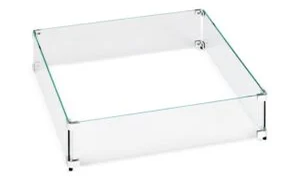
Wind exposure is another real-world factor. Open backyards, hilltop properties, and coastal environments may require accessories such as flame guards or more careful siting. A dramatic flame loses its impact if it is constantly distorted or difficult to maintain.
Fuel type and ignition should match the project, not just the budget
Most decorative pool fire bowls for high-end residential use are configured for natural gas or propane. Natural gas is often preferred for permanent installations because it offers continuous fuel supply and cleaner long-term integration with the property. Propane can be useful where gas lines are not available or where installation flexibility matters more.
The better option depends on the site. For a custom pool build, planning for natural gas early usually creates the cleanest result. For a retrofit, propane may reduce complexity. What matters is not just initial install cost, but the total ownership experience – fuel access, convenience, serviceability, and how the system fits the architecture.
Ignition style matters as well. A premium fire feature should feel dependable and easy to operate. Electronic ignition systems can offer convenience and cleaner control, while match-lit configurations may suit certain applications and budgets. Neither is universally right. The right choice depends on how frequently the feature will be used, who will operate it, and how integrated the project needs to be.
The installation standard has to match the product standard
Even a beautifully made bowl can underperform if the installation is rushed. Gas planning, ventilation, drainage, access to components, and support structure all matter. Poolside fire features sit in an environment where moisture, heat, and finish materials intersect, so details cannot be treated casually.
For homeowners, this usually means involving the builder or installer early and confirming compatibility before the project is too far along. For trade professionals, it means specifying products built with clear installation requirements and dependable component quality. A premium feature should not create uncertainty in the field.
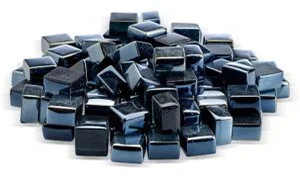
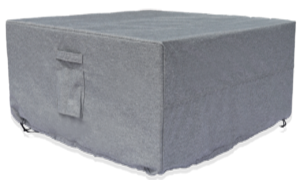
Accessories also play a role in long-term performance. Burner covers, protective covers, and the right media are not afterthoughts on a high-end project. They help preserve the look of the feature and support consistent operation between uses. The same is true of flame guards in exposed conditions.
What buyers often get wrong
The most common mistake is treating the bowl as standalone decor. Decorative pool fire bowls work best when they are selected as part of the full exterior palette. Shape, scale, finish, flame presentation, and installation method should all be considered together.
Another mistake is underestimating the difference between handcrafted, purpose-built fire features and generic outdoor products. Around a pool, details show. Misaligned proportions, weak finishes, and low-quality burners become obvious quickly in a setting built around clean lines and reflective surfaces.
That is why serious buyers tend to focus on craftsmanship, material integrity, and customization rather than shopping by price alone. A premium fire bowl is not meant to disappear into the background. It should look resolved, perform reliably, and hold its place within the architecture year after year.
For projects where every outdoor element has to feel considered, that standard matters. A fire bowl is a visual statement, but it is also a construction decision. Choose one that respects both, and the entire pool environment feels more complete once the sun goes down.