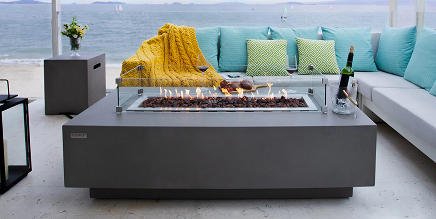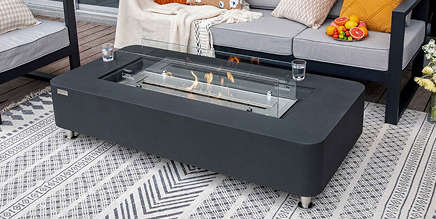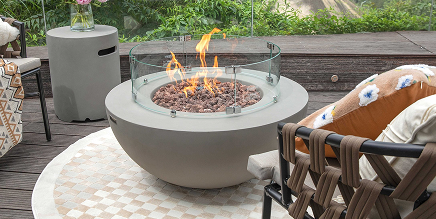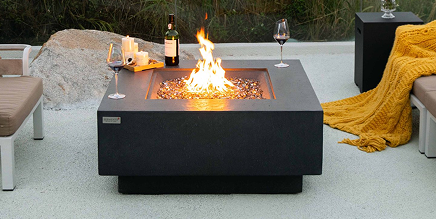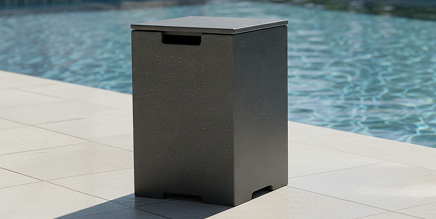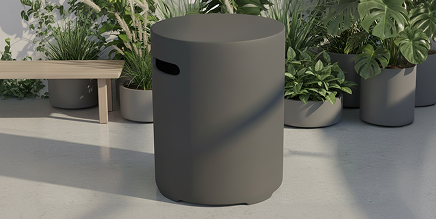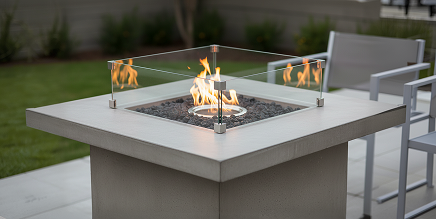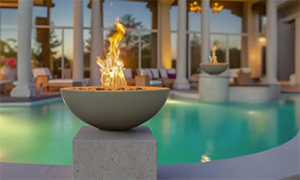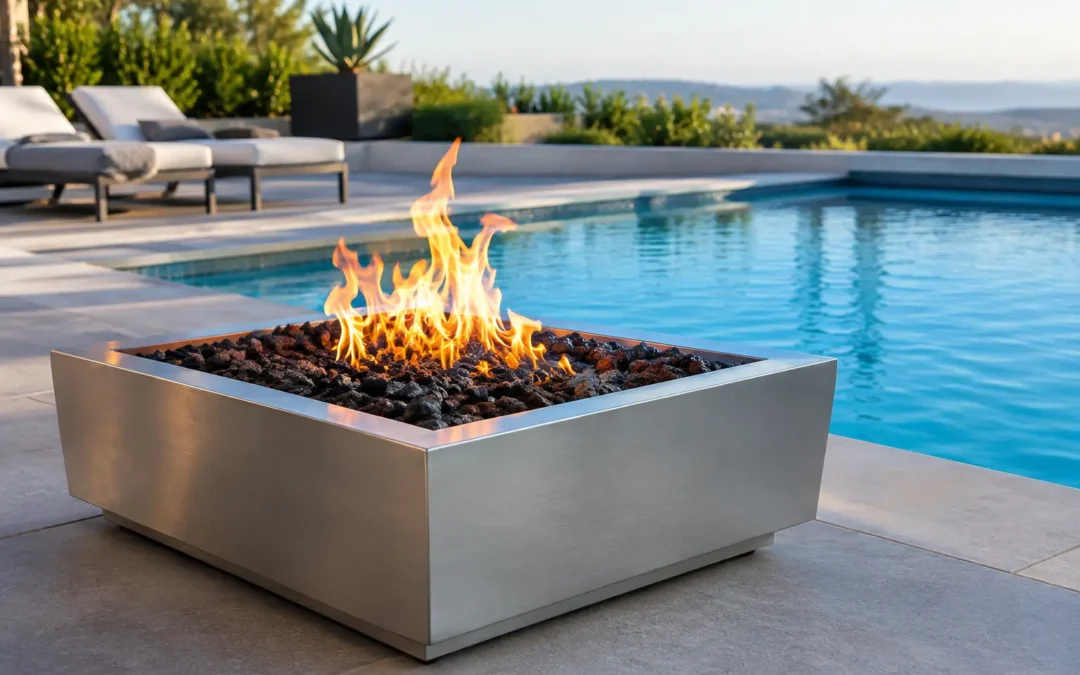
A fire bowl set beside a pool has to handle more than heat and good looks. It faces splash-out, humidity, cleaning chemicals, sun, windblown debris, and seasonal weather. So, do aluminum bowls rust? No – aluminum does not rust in the way iron or steel does. It can, however, oxidize or corrode when its protective finish is compromised or when harsh conditions are left unaddressed.
For homeowners, pool builders, and landscape professionals, that distinction matters. A premium aluminum fire bowl with a properly maintained powder-coated finish is an excellent choice for a refined outdoor setting because it offers corrosion resistance without the weight and maintenance demands of many steel alternatives.
Do Aluminum Bowls Rust Like Steel?
Rust is iron oxide. It forms when iron or steel reacts with oxygen and moisture, creating the familiar reddish-brown surface deterioration that can spread, flake, and weaken the metal over time. Aluminum contains no iron, so it cannot develop traditional rust.
When bare aluminum is exposed to air, it naturally develops a very thin oxide layer. Unlike rust on untreated steel, this aluminum oxide layer is generally stable and adheres to the surface. It helps slow further corrosion rather than continually breaking away.
That does not mean aluminum is immune to damage. In the wrong environment, aluminum can develop dull spots, white or chalky oxidation, pitting, or discoloration. Around pools and coastal properties, those concerns deserve thoughtful material selection and regular care. The goal is not to treat aluminum as indestructible. It is to specify a well-built, properly finished bowl and preserve the protective surface designed to do the hard work.
Why Powder-Coated Aluminum Performs Well Outdoors
Premium outdoor fire bowls commonly use aluminum because it is naturally corrosion resistant, lightweight enough for practical installation, and highly adaptable to custom fabrication. A quality powder-coated finish adds another important layer of defense.
Powder coating is a dry finish applied to prepared metal and cured under heat. It creates a durable, uniform exterior surface that protects the aluminum from direct exposure while giving designers a wide range of color options. For a custom patio or poolscape, that means the fire feature can be coordinated with coping, tile, stucco, stone, cabinetry, or architectural metal details.
The finish is only as dependable as the work beneath it. Proper surface preparation, clean welds, thoughtful drainage, and controlled coating application all affect long-term performance. This is why handcrafted, purpose-built fire bowls are different from thin, generic outdoor decor. A bowl designed for permanent outdoor living should account for water management, burner access, heat, and the realities of its installation environment.
At USA Fire Bowls, aluminum construction and powder-coated finishes are selected with these real-world conditions in mind, particularly for elevated poolside and backyard installations where visual consistency matters as much as everyday durability.
What Can Cause Aluminum Corrosion?
Most visible problems begin when contaminants remain on the finish or when damage exposes the metal for extended periods. Pool water is a central consideration. Occasional clean splash-out is not automatically harmful, but repeated chemical residue left to dry on a fire bowl can wear on the coating over time. Saltwater pools require even more attention because chlorides can accelerate corrosion where finishes are chipped, scratched, or poorly maintained.
Coastal air presents a similar challenge. Salt-laden moisture settles onto exterior surfaces, even when a property is not directly on the beach. In these environments, more frequent rinsing is a sensible part of ownership.
Standing water is another avoidable issue. A fire bowl should drain as intended, and its installation should not create a low spot that holds water against the base or inside the vessel. Debris can block drainage openings, so leaves, mulch, and fire glass dust should be cleared during routine cleaning.
Physical damage also matters. Dragging a bowl across stone, stacking objects on its rim, using abrasive tools, or allowing hardscape equipment to strike the finish can create chips. A small scratch does not mean the feature is failing, but it should be cleaned, monitored, and repaired according to the manufacturer’s recommendations before corrosion has an opportunity to spread beneath the coating.
Dissimilar Metals Need Attention
Aluminum can experience galvanic corrosion when it remains wet while in direct electrical contact with certain dissimilar metals. This is primarily an installation issue, not a reason to avoid aluminum. Correct fasteners, suitable isolation materials, and professionally planned mounting details help prevent the problem.
For fire features, components also serve different jobs. A powder-coated aluminum bowl provides the decorative outer structure, while a stainless-steel burner and appropriate gas components are selected for flame performance and heat exposure. Using the correct materials in the correct locations is part of a durable design.
Poolside Habits That Protect the Finish
Good care is straightforward and does not require aggressive cleaners. Rinse the exterior periodically with fresh water, especially after heavy pool use, dust storms, salt exposure, or nearby landscape work. Use a soft cloth or nonabrasive sponge with mild soap when needed, then rinse thoroughly and let the surface dry.
Avoid acidic cleaners, harsh degreasers, bleach-heavy products, steel wool, and abrasive scouring pads. These can dull or damage a powder-coated surface. Pool service chemicals should also be stored and handled away from the fire feature. Spills should be rinsed promptly rather than left to evaporate on the finish.
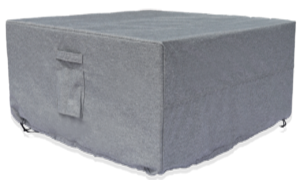
A protective cover is valuable when the bowl is not in use for extended periods, but it should be used correctly. Cover the unit only after it has cooled completely, and do not trap heavy moisture, leaves, or dirt beneath the cover. During wet seasons, inspect the bowl occasionally rather than assuming a cover eliminates the need for care.
For most residential installations, a brief visual inspection every few months is enough. Look at the rim, lower edges, drainage areas, mounting points, and places where accessories contact the bowl. If you notice chalking, bubbling, chips, or unusual discoloration, address the area early. Prompt attention is far easier than restoring a neglected surface.
Heat, Weather, and Finish Expectations
A properly specified fire bowl is engineered to manage normal operating heat, but its exterior finish will still live outdoors year-round. Sun exposure can gradually affect any exterior color, particularly very dark shades and intensely saturated custom colors. High-quality coating, appropriate care, and a location that avoids unnecessary abuse all help preserve appearance.
It also helps to separate normal aging from a material problem. Light surface dust, minor weathering, or an occasional water spot can be part of outdoor ownership. Peeling coating, severe pitting, standing water, or corrosion around damaged areas signals that maintenance or installation conditions need attention.
For projects in coastal regions, freeze-thaw climates, or high-splash pool zones, discuss site conditions before selecting a finish and installation approach. The right answer may include a more frequent cleaning schedule, a carefully detailed base, additional drainage planning, or placement farther from the pool edge. These are practical design decisions that protect a premium investment without compromising the visual intent of the space.
Aluminum Versus Steel for Outdoor Fire Bowls
Steel can be an excellent material in the right application, especially when a specific structural or design requirement calls for it. But untreated or inadequately protected steel has a much greater risk of traditional rust outdoors. Even coated steel can rust once moisture reaches exposed metal at seams, scratches, or edges.
Aluminum does not carry that same red-rust concern. It is particularly appealing for decorative fire bowls because it combines a clean architectural profile with corrosion resistance and extensive finish flexibility. Its lighter weight can also simplify handling during installation, though a completed fire feature must always be installed on a stable, properly prepared surface.
The trade-off is that aluminum still needs a quality finish and sensible care. It should not be treated as a maintenance-free material, particularly around chlorinated or saltwater pools. For a luxury outdoor environment, that is a reasonable exchange: a durable, customizable material paired with simple routines that preserve its appearance.
A Lasting Finish Starts With the Right Details
An aluminum fire bowl should remain a focal point, not become another surface demanding constant attention. Choose a bowl built for outdoor use, protect its powder-coated finish from avoidable chemical and physical damage, keep drainage clear, and rinse off pool or coastal residue before it lingers. Those small habits help the feature hold its color, craftsmanship, and presence through years of gatherings by the fire.