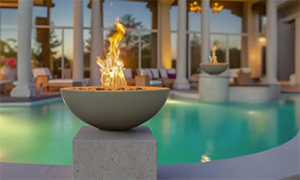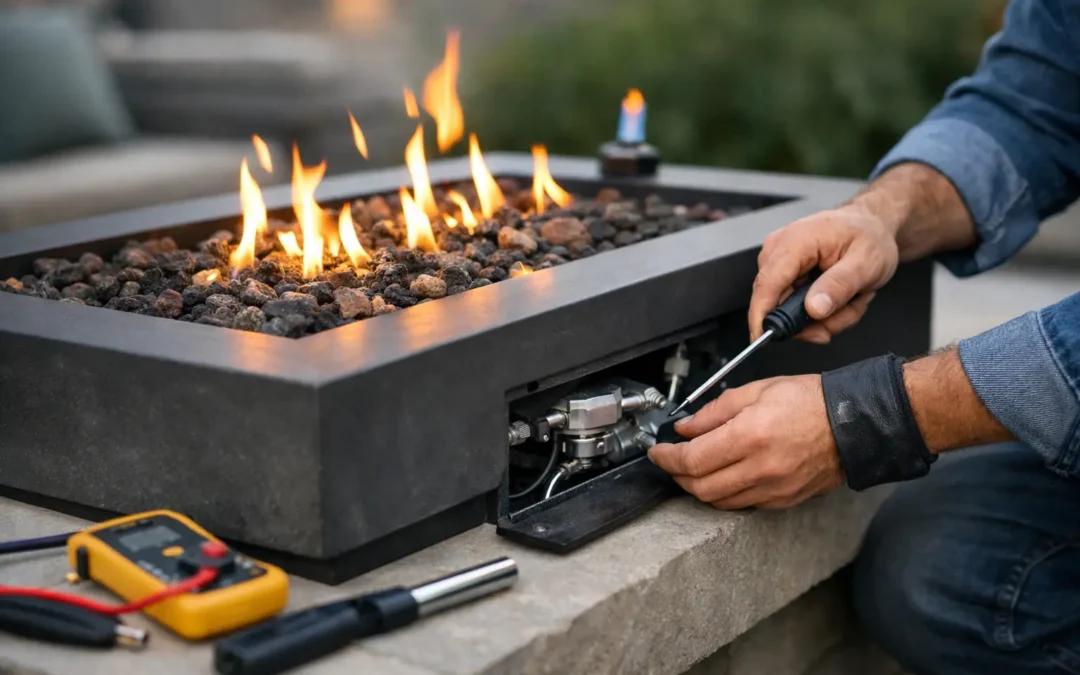
A fire bowl that will not light can bring a finished poolscape or patio project to a standstill. Most fire bowl ignition failures are not caused by the bowl itself. They are usually traced to fuel delivery, electrical power, burner setup, moisture, or an installation detail that needs professional correction. A methodical approach protects the feature, preserves the surrounding finish work, and gets the flame presentation back to where it belongs.
For homeowners, the priority is recognizing when a simple visual check is appropriate and when it is time to stop and call the installer or a licensed gas professional. For pool builders and landscape contractors, early diagnosis helps prevent repeat service calls and protects the refined experience clients expect from a premium outdoor fire feature.
Start With Safety Before Troubleshooting
If you smell gas, hear a sustained hissing sound, or see signs of a damaged gas line, do not attempt to ignite the fire bowl again. Turn off the gas supply if it can be done safely, keep all ignition sources away from the area, and contact a qualified gas professional. Never use an open flame to search for a leak.
The same caution applies when a burner lights with a delayed whoosh, produces unusually tall or uneven flames, or repeatedly shuts down after ignition. Those symptoms can point to an issue with gas pressure, burner media placement, venting, or the ignition system. A luxury fire feature should operate with controlled, consistent performance. Anything less deserves attention before it becomes a larger service issue.
Common Causes of Fire Bowl Ignition Failures
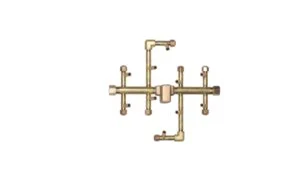
A dependable ignition sequence requires several systems to work together. Gas must reach the burner at the proper pressure, electrical components must receive power where applicable, and the igniter must create a spark in the right location. Even a carefully handcrafted aluminum fire bowl with a quality stainless-steel burner depends on correct installation and maintenance.
Gas Supply Is Restricted or Turned Off
A closed shutoff valve is the simplest explanation for a no-light condition, particularly after seasonal service, pool work, or landscaping around the feature. Confirm that the main gas supply and the local valve serving the fire bowl are open. If the bowl uses a propane supply, verify that the tank contains fuel and that its valve is fully open.
Low gas pressure can be less obvious. An undersized line, an improperly selected regulator, excessive distance from the gas source, or multiple appliances operating at once may leave the burner without enough fuel to ignite or sustain a proper flame. This is not a situation to solve by adjusting components at random. A licensed installer should confirm line sizing, fuel type, pressure, and regulator specifications against the burner requirements.
Moisture Has Affected the Ignition Area
Fire bowls located beside pools, fountains, and irrigation zones naturally encounter water. After heavy rain, overactive sprinklers, or a pool deck washdown, moisture can collect near the igniter, pilot assembly, control box, or burner ports. The result may be a weak spark, no spark, or a burner that lights only intermittently.
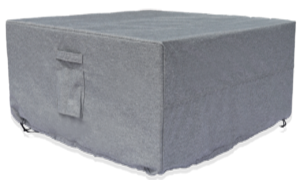
Allow the area to dry thoroughly before attempting another ignition cycle. Inspect for standing water, soaked fire media, and sprinkler heads aimed toward the bowl. Protective covers help limit debris and moisture when the feature is not in use, but they should only be installed after the bowl is completely cool and should never be placed over an operating fire feature.
The Igniter Cannot Create a Reliable Spark
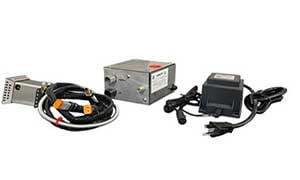
Electronic ignition systems need a sound electrical connection, appropriate grounding, and a clean ignition point. A clicking sound without visible spark can indicate a worn electrode, loose wire, damaged insulation, or a failed ignition module. If there is no clicking at all, the source may be a tripped GFCI outlet, a switched-off breaker, drained battery backup, or a control issue.
Before opening any enclosure, check the obvious exterior conditions: Is the control switch on? Has a nearby GFCI receptacle tripped? Has a breaker been reset? If power is available but the system still will not spark, service should be handled by a qualified technician. Electrical components near water require particular care, especially in pool environments.
Fire Media Is Blocking the Burner
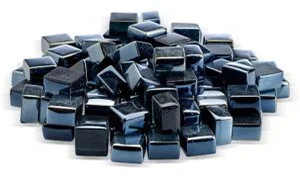
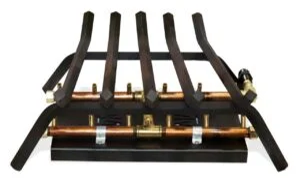
Fire glass and lava rock create the finished look clients want, but too much media can interfere with ignition and flame distribution. Media piled directly over burner ports may trap gas beneath the surface, causing delayed ignition or uneven flame. Fine debris, broken glass fragments, leaves, and insects can also block ports over time.
With the gas supply off and the unit fully cool, visually inspect the media. It should sit evenly and should not be packed into burner openings or around the igniter. Follow the burner manufacturer’s recommended media depth rather than assuming more fire glass creates a better flame. In practice, the right amount produces a cleaner, more controlled result and makes future maintenance easier.
Airflow or Ventilation Has Been Compromised
A fire bowl needs the correct relationship between the burner, enclosure, and surrounding air. If an access cavity has been sealed too tightly, filled with construction debris, or altered after installation, the burner may not draw air correctly. Wind can also affect ignition, especially on exposed rooftops, elevated patios, or open backyard properties.
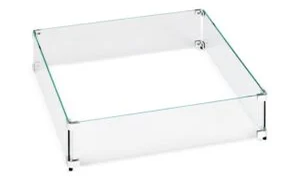
Do not cover required vents, pack insulation around gas components, or store pool chemicals and landscape supplies inside a fire bowl enclosure. Where wind is the primary factor, a properly designed flame guard can improve flame stability while preserving the visual character of the feature. The correct solution depends on the burner configuration and local installation conditions.
A Practical Diagnostic Sequence
Start with the least invasive checks and move no further than your experience allows. First, confirm there is no gas odor and that the bowl is cool. Then verify the control is set correctly, the shutoff valve is open, and electrical power is available to the ignition system.
Next, observe what happens during a normal ignition attempt. A visible spark with no flame often points toward fuel delivery. No spark may point toward power, wiring, or the igniter. A brief flame that immediately goes out can indicate a flame-sensing, pressure, or control issue. Write down the behavior rather than repeating ignition attempts several times. That information gives an installer a much better starting point.
If the bowl has recently been installed, focus on installation variables first. Fuel conversion errors, improper gas line sizing, incorrect burner orientation, and wiring omissions are more likely than wear-related component failure. If the feature has performed well for years and then develops trouble, seasonal moisture, debris, damaged wires, aging ignition components, or changes to the gas system become more likely.
When a Professional Should Take Over
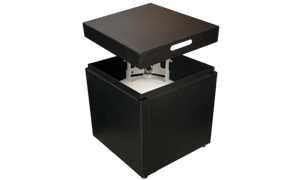
Gas and electrical repairs are not ordinary homeowner maintenance. A qualified professional should inspect any suspected leak, damaged gas connection, failed ignition module, corroded wiring, burner modification, or recurring ignition issue. This is especially true when a fire bowl is integrated into masonry, pool coping, a raised planter, or a custom outdoor kitchen where access can be limited.
Trade professionals should also document the burner model, fuel type, ignition method, and gas pressure during commissioning. A clear service record makes future troubleshooting faster and helps ensure replacement parts match the original system. It is a small step that supports long-term reliability on custom projects.
Design Choices That Reduce Future Problems
The best prevention begins before the fire bowl is set in place. Select a bowl and burner system designed for the intended fuel source and installation environment. Plan accessible service space for valves, controls, and electrical connections instead of burying critical components behind permanent finishes.
Material selection matters as well. Powder-coated aluminum construction offers durability without the weight and corrosion concerns associated with many steel outdoor features, while stainless-steel burner components are well suited to repeated exposure to heat and weather. For poolside installations, thoughtful placement away from direct irrigation and heavy splash zones can reduce moisture-related service needs.
USA Fire Bowls builds handcrafted fire features for design-driven outdoor spaces, but even premium materials perform best when matched with correct gas planning, drainage, ventilation, and professional installation. Custom color and finish decisions should complement the landscape, while service access and burner performance remain part of the design conversation from the beginning.
A fire bowl is meant to create a calm focal point after sunset, not uncertainty at the push of a switch. Treat unusual ignition behavior as an early service signal, and address it before the next gathering. The result is safer operation, a cleaner flame, and an outdoor space that continues to look as considered as it did on installation day.