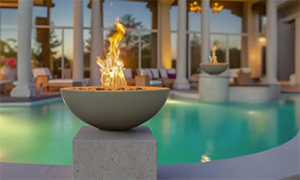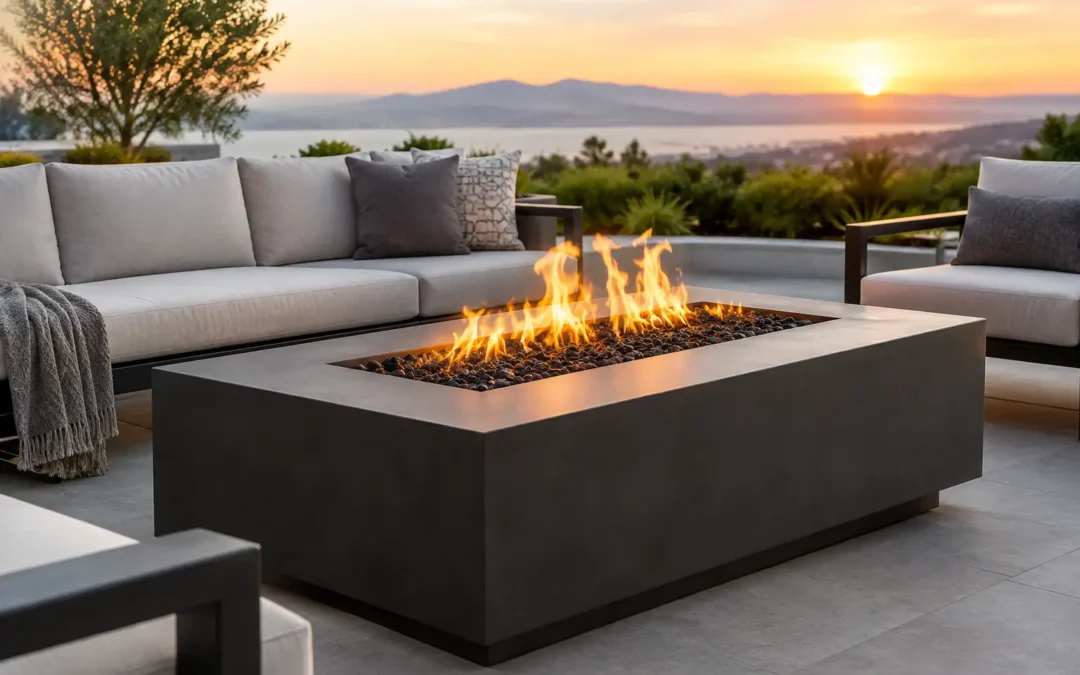
A fire bowl becomes part of the architecture of an outdoor space. It may frame a pool, anchor a patio seating area, or create a focal point visible from inside the home. That is why fire bowl warranties deserve the same attention as finish selection, fuel type, and burner size. A warranty is not simply a line item after purchase. It is a practical indication of how a manufacturer stands behind the materials, construction, and components that make the feature perform over time.
For homeowners and trade professionals, the right question is not just, “How long is the warranty?” It is, “What does the warranty actually protect, and what conditions must be met for coverage to apply?” The answer depends on the bowl’s construction, its installed environment, its gas system, and how it is maintained after installation.
What Fire Bowl Warranties Typically Cover
A well-written warranty separates the fire bowl structure from the mechanical components that create the flame. The structural portion may address defects in materials and workmanship, such as a failure in the aluminum body, welded assembly, or powder-coated finish caused by a manufacturing issue. Burner assemblies, ignition systems, valves, and electronic components commonly carry their own terms because they have different operating demands and service requirements.
Coverage is designed for defects, not every outcome that can occur outdoors. A handcrafted aluminum fire bowl built with stainless-steel components offers excellent corrosion resistance and long-term durability, but no outdoor feature is immune to conditions outside its intended use. Windblown debris, standing water, severe weather, improper cleaning products, physical impact, and unapproved modifications can all affect both performance and warranty eligibility.
This distinction matters on a high-end project. A premium fire feature should be built to withstand the outdoor environment, yet it should also be installed and cared for as a permanent architectural element rather than treated like portable patio decor.
Structural body and finish
The fire bowl body is the visual foundation of the piece. Premium aluminum construction is valued because it resists rust, keeps weight manageable for installation planning, and accepts a refined powder-coated finish. Warranty language for the body generally focuses on workmanship and material defects rather than normal aging.
A finish may naturally change over years of exposure to direct sun, coastal air, pool chemicals, hard water, and seasonal weather. Minor variation in color or surface appearance can be an expected result of an exterior installation, particularly when a bowl is positioned close to a saltwater pool or frequently exposed to splash-out. A good warranty clarifies the difference between a coating failure and normal environmental wear.
Burners, valves, and ignition systems
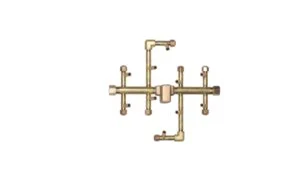
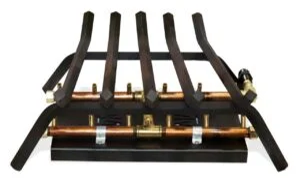
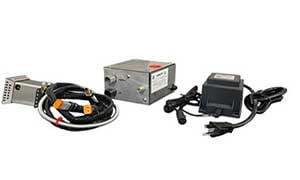
The burner system deserves its own review. Stainless-steel burners are selected for their ability to perform in demanding outdoor conditions, but they still depend on correct fuel supply, clean ports, proper drainage, and qualified installation. Electronic ignition systems and gas controls may have separate, often more limited, coverage periods than the bowl itself.
For designers and builders, this is a reason to specify the entire system early. The bowl, burner, pan, ignition method, gas line sizing, media, and control location should work together. Mixing components without confirming compatibility can create performance issues that a product warranty was never intended to cover.
Conditions That Can Affect Warranty Coverage
Most warranty questions are not about the promise itself. They arise after an installation detail or maintenance decision creates an avoidable problem. Understanding the common exclusions before installation protects the project, the homeowner, and the long-term appearance of the fire feature.
Improper installation is one of the most significant concerns. Gas-fired bowls require correct fuel configuration, adequate gas pressure, approved fittings, and installation in accordance with applicable local codes. A licensed professional should handle gas connections and electrical work where applicable. If a bowl is installed without proper ventilation, drainage, support, or clearance from combustible materials, the resulting damage may fall outside manufacturer coverage.
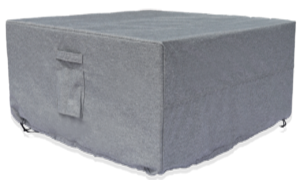
Water management is equally important for poolside applications. A fire bowl should not sit where irrigation, rainwater, or pool water can collect inside the burner area. Standing water can obstruct burner ports, contribute to mineral buildup, and interfere with ignition components. Covers help keep debris and moisture out when the feature is not in use, but a cover is not a substitute for a properly planned drainage path.
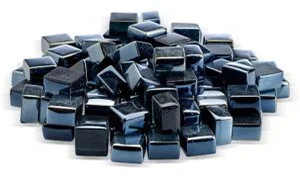
Using the wrong media or adding too much media can also create issues. Fire glass and other approved decorative media should be placed according to burner guidance so flame patterns remain even and gas can move freely. Overfilling a burner pan may affect ignition and flame performance. Never use materials that are not approved for fire-feature use.
How Materials Influence Long-Term Confidence
The strongest warranty is supported by thoughtful material selection. It cannot turn a poorly built fire bowl into a durable one. For that reason, buyers should look beyond broad promises and examine the construction behind them.
Handcrafted aluminum bowls offer a meaningful advantage over steel products that may be more vulnerable to corrosion in wet or coastal settings. Aluminum does not rust in the same way as ordinary steel, while stainless-steel burner components provide a durable platform for gas combustion. Powder coating adds a protective, design-forward finish that can be coordinated with tile, stone, cabinetry, or architectural metalwork.
At USA Fire Bowls, made-in-USA fabrication and custom color capabilities support projects where the fire feature must look intentional from every angle. That level of customization also makes documentation more important. Save the order details for custom colors, burner configuration, fuel type, and accessories. If a service question arises later, accurate records help identify the exact system installed.
Material quality does not remove the need for maintenance. It changes the baseline from which the product ages. A carefully built bowl, correctly installed and routinely protected, is positioned to deliver years of visual impact with fewer preventable issues.
Questions to Ask Before You Buy
Before selecting a fire bowl, request the written warranty and read it alongside the installation instructions. Do not rely only on a product-page summary or a verbal description. The written terms should identify the covered product, the duration of coverage, required proof of purchase, and the process for submitting a claim.
Ask whether coverage differs for the bowl, burner, ignition system, and finish. Confirm whether labor, shipping, removal, reinstallation, or damage to surrounding surfaces are included or excluded. Those costs can be significant on a finished pool deck, especially when the gas line or electrical connection is concealed within masonry.
Trade professionals should also confirm who holds responsibility after handoff. A pool builder may install the fire feature, while a homeowner handles ongoing cleaning and seasonal protection. Clear documentation helps everyone understand what proper care looks like and prevents a service request from becoming a dispute over installation responsibility.
Protecting Your Fire Bowl After Installation
Simple, consistent care supports both appearance and reliable operation. Keep the burner area free of leaves, dirt, insects, and excess media. Use a properly fitted protective cover during extended periods of nonuse, especially through wet seasons or construction activity. If the bowl is near a pool, rinse away chemical residue or hard-water deposits using cleaning methods approved for the finish.
Inspect the fire feature before the first use of each season. Look for blocked burner ports, loose connections, damaged ignition wiring, or signs that water has entered the pan. If the flame pattern changes noticeably, or if the burner does not ignite as expected, stop using the feature until the cause is identified. Routine service is less disruptive than repairing a problem after it affects the finish, components, or surrounding hardscape.
A warranty should provide confidence, not encourage complacency. Choose a fire bowl whose construction matches the caliber of the project, have it installed with care, and keep its documentation close at hand. That approach protects more than a purchase – it protects the atmosphere your outdoor space was designed to create.