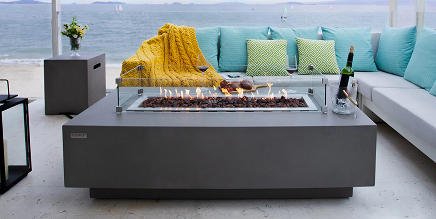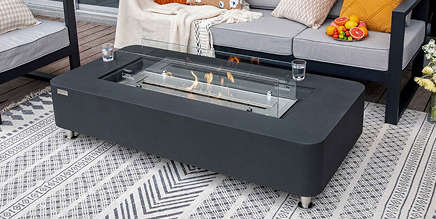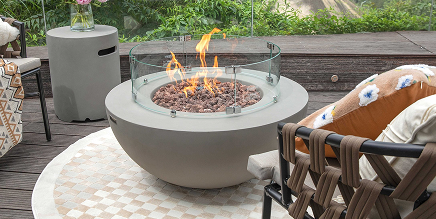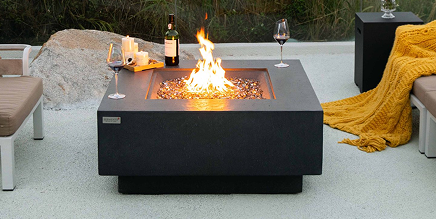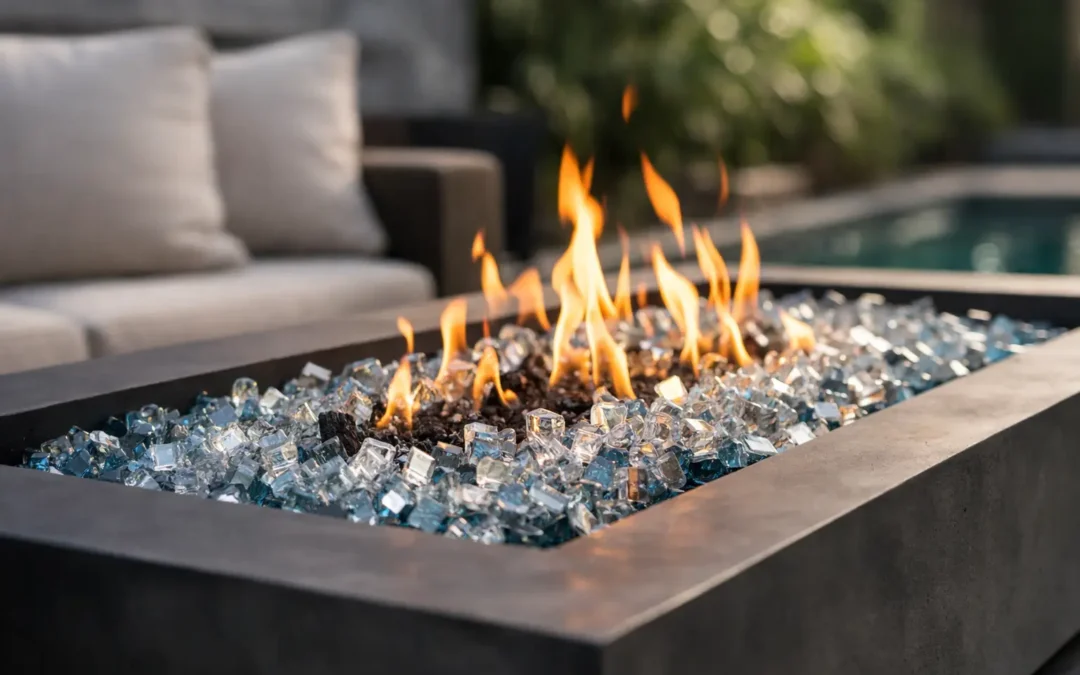
A fire bowl can have the right burner, premium finish, and carefully selected glass color, then still look underbuilt if the media bed is too shallow. Set the fire glass depth too high, and the burner may struggle for the airflow it needs. The goal is not simply to fill the cavity. It is to create a clean, proportional flame presentation while protecting the burner system and preserving the refined appearance of the feature.
For most outdoor fire bowls and fire pits, a properly planned media bed is one of the details that separates a finished installation from a fire feature that feels improvised. The right depth depends on the burner, fuel type, pan configuration, and the interior dimensions of the bowl or pit.
Why Fire Glass Depth Changes Flame Performance
Fire glass is decorative media, but it also sits directly within the burner environment. Its depth affects how much of the burner is covered, how freely air moves through the media, and how the flame appears above the surface.
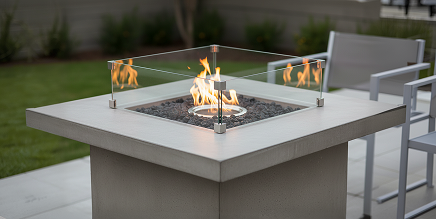
A shallow layer can leave the burner, pan, or interior components too visible. The flames may look disconnected from the glass bed rather than emerging naturally through it. This is especially noticeable in larger square and rectangular fire features, where a thin layer can expose wide areas of unfinished substrate around the burner.
An overly deep layer creates a different problem. Excessive glass can restrict the open space around burner ports and interfere with proper combustion. Flames may appear weak, uneven, or delayed across the burner. With a gas fire feature, the burner must always operate according to its specific manufacturer instructions. Decorative media should enhance the fire, not bury the components responsible for producing it.
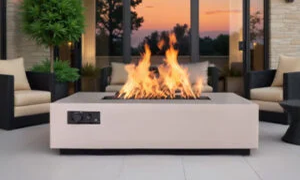
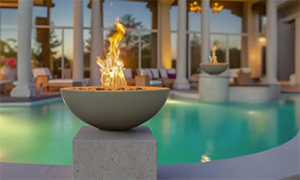
The visual effect matters as much as the mechanical one in a high-end pool or patio setting. A well-proportioned media bed gives the flame a substantial base and makes the fire feature feel intentional from every viewing angle, whether it is seen from a lounge area, through sliding glass doors, or across the waterline of a pool.
A Practical Starting Point for Fire Glass Depth
For many fire bowls and fire pits, a finished fire glass depth of approximately 2 inches is a reliable starting point. That amount typically provides enough coverage for a polished appearance without adding unnecessary weight or crowding the burner area.
Depending on the burner design and the depth of the interior cavity, the final visible layer may range from about 1 1/2 to 3 inches. A compact fire bowl with a shallow media tray may need less. A broad, low-profile rectangular fire pit may benefit from a slightly deeper bed to avoid a sparse appearance across its larger surface.
That range is a planning guideline, not a substitute for the burner instructions. Some burner systems are designed to be covered by media, while others are intended to remain more exposed. Burner pans, protective plates, and purpose-built media trays also change the amount of fire glass required. Confirm the approved media type and coverage method before ordering glass or beginning installation.
For liquid propane systems, this step deserves particular care. Propane burners must be matched to the correct valve, air mixer, and burner configuration. Do not assume a depth that works with a natural gas burner will produce the same result with propane. The fire feature’s listed burner specifications should always take priority.
Calculate the Amount of Fire Glass Before You Order
The simplest way to estimate glass quantity is to calculate the usable surface area of the media bed, then multiply it by the planned depth. Measure the interior area that will actually receive glass, not the overall exterior dimensions of the fire bowl or fire pit.
For a square feature, multiply the interior length by the interior width. For a rectangle, use the same calculation. Then multiply that area by your desired glass depth. This provides a volume estimate, which can be converted into the weight of fire glass needed based on the product’s stated coverage rate.
For round bowls, calculate the area using the interior radius rather than the outside diameter. Remember that a burner pan, raised burner, or internal support can displace a meaningful amount of media. Ordering solely from the full cavity dimensions often results in too much glass.
A few installation details can also affect the total:
- A shallow stainless steel burner pan reduces the volume that needs to be filled.
- A deep fire bowl cavity may require an approved non-combustible base material beneath the finish layer.
- Larger fire glass pieces create a different surface profile than smaller media, even at the same measured depth.
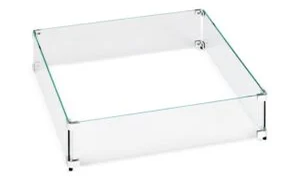
- A flame guard or wind guard does not change the required media depth, but it can make a properly tuned flame appear more consistent in exposed locations.
When the project calls for a deep cavity, it is rarely necessary or cost-effective to fill the entire space with decorative fire glass. A properly specified base layer or pan can reduce media requirements while maintaining the correct finished depth at the surface. This also makes future service easier, since technicians can access the burner without removing an excessive volume of glass.
Signs the Fire Glass Is Too Shallow or Too Deep
The surface of the media bed offers useful visual clues after installation. If the burner ring, burner pan, or unfilled interior floor is obvious from normal viewing distance, the layer may be too shallow. Sparse glass also tends to look less substantial in large-format fire bowls, particularly when the bowl is positioned near substantial stone coping, porcelain tile, or a wide patio.
If the glass is piled high over the burner, however, more is not better. Flames that are inconsistent, noticeably reduced, or concentrated in only a few locations can indicate that the media is not installed according to the burner requirements. Remove excess material and inspect the burner ports for obstruction. Never alter burner orifice sizing, gas connections, or air-mixing components to compensate for a media issue.
A clean install should produce an even, intentional glass surface. The burner should be concealed only to the degree recommended for that system, and the flame should rise evenly without appearing smothered by the media. Before the project is complete, test the feature under normal operating conditions and observe it from the primary seating areas.
Choose Media That Supports the Overall Design
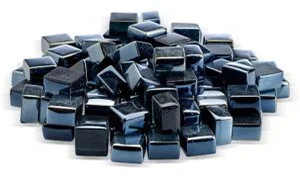
Depth and color work together. Reflective fire glass can make a shallow bed appear brighter and more dimensional, while darker or matte media often benefits from sufficient depth to retain visual richness after the flames are off. For a contemporary poolscape, a cool gray, black, blue, or clear glass can complement tile and water finishes. Warmer bronze, copper, and amber tones can connect a fire feature to natural stone, wood accents, and desert-inspired landscaping.
Glass size also affects the finished look. Smaller pieces create a finer, more uniform surface, while larger pieces produce stronger texture and bolder reflections. Neither is universally better. A sleek, architectural fire bowl often suits a consistent small-to-medium glass profile, while a more expressive patio feature may call for a larger, more sculptural media blend.
Use fire glass specifically rated for outdoor gas fire features. Decorative craft glass, landscape glass, and unknown recycled materials are not appropriate substitutes. Purpose-made fire media is manufactured to tolerate the heat conditions around a gas burner and to deliver a cleaner, more reliable presentation.
Installation Details That Protect the Investment
Begin with a clean, dry fire feature and verify that the burner assembly is secured and correctly connected. Place approved filler or base material first when the design calls for it, then add fire glass gradually. Spread it evenly by hand, taking care not to force pieces into burner ports or cover components beyond the burner manufacturer’s instructions.
Keep the media surface level unless the fire feature was specifically designed for a contoured presentation. A mounded center may look appealing before ignition, but it can make flames appear uneven and can expose bare areas near the edges. In a square or rectangular fire pit, level glass reinforces the clean geometry that makes those forms so effective in modern outdoor spaces.
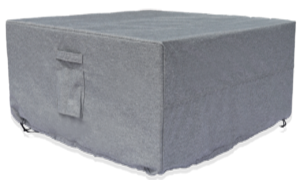
After the first burn, allow the feature to cool completely and inspect the surface again. Glass can settle slightly during use, especially after shipping or the first few heat cycles. A small adjustment at this stage is normal. Periodic cleaning and a protective cover will help keep leaves, dirt, and moisture from dulling the media between uses.
For custom installations, USA Fire Bowls can help align the bowl dimensions, burner configuration, and media presentation so the finished piece looks considered rather than overfilled. This planning is particularly valuable when matching a fire feature to pool tile, coping, or a custom powder-coated finish.
The best fire glass installation is rarely the deepest one. It is the one that gives the flame room to perform, provides a full and polished surface, and holds its visual standard long after the first evening the fire bowl is lit.