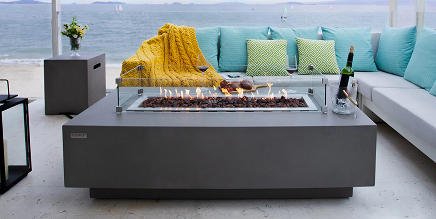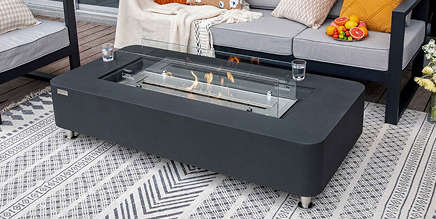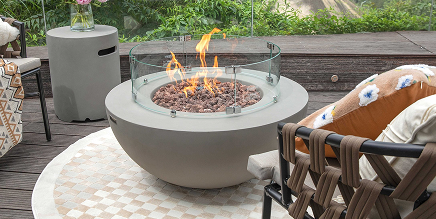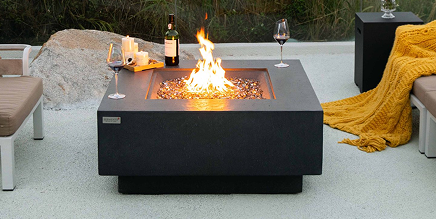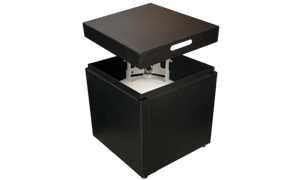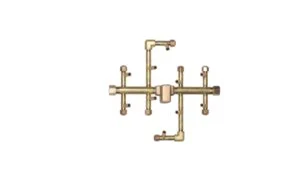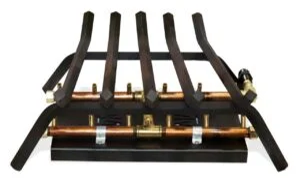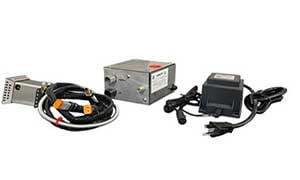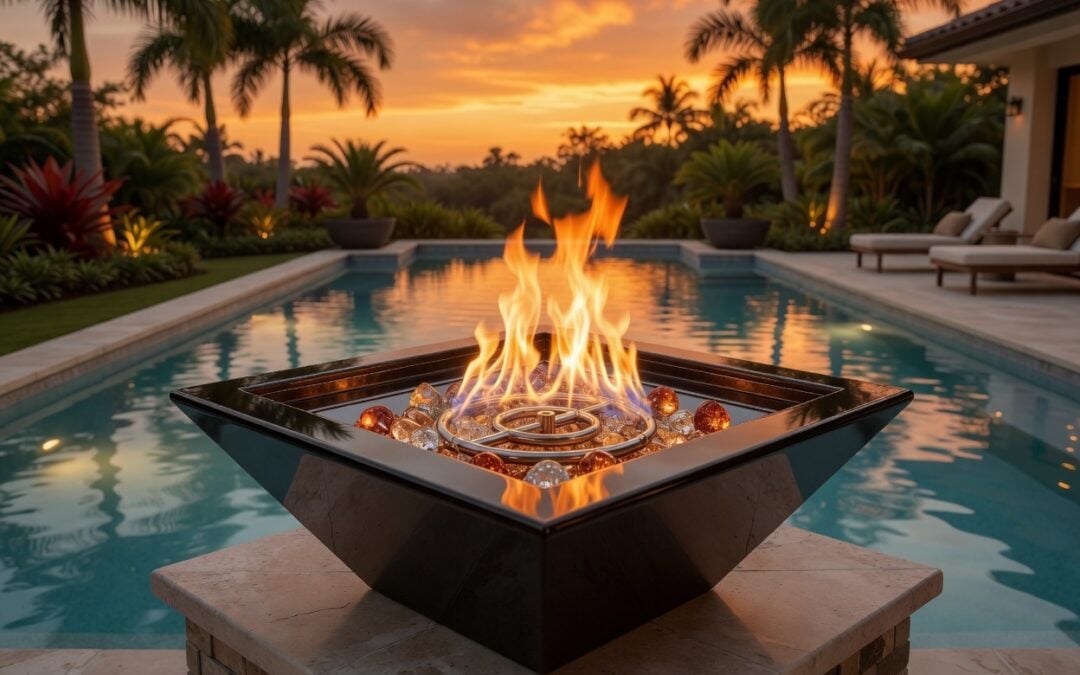
If you are asking how much are pool fire bowls, the real answer starts with what kind of backyard you are building. A simple decorative fire feature for a modest pool layout lives in a very different price range than a handcrafted, fully customized bowl designed to anchor a luxury outdoor space. The gap can be significant, and it should be. Materials, burner quality, ignition style, finish options, and installation requirements all affect cost.
For homeowners and trade professionals alike, the better question is not just what a pool fire bowl costs. It is what you are getting for that price, how long it will last, and whether it fits the visual and structural standards of the project.
How much are pool fire bowls in real-world price ranges?
Pool fire bowls typically range from a few hundred dollars at the low end to several thousand dollars per bowl for premium models. In most upscale residential projects, a quality pool fire bowl often falls somewhere between about $1,000 and $3,500 before installation. Custom designs, larger formats, premium finishes, advanced ignition systems, and matching accessories can move that higher.
That range is broad because not all fire bowls are built for the same purpose. Some lower-cost options are essentially decorative outdoor burners made with lighter materials and limited finish choices. Premium pool fire bowls are usually engineered with stronger construction, more refined burners, better resistance to outdoor exposure, and a design standard that complements stone, tile, coping, and water features.
If you are comparing products, it helps to separate the purchase into two categories. First is the bowl itself, including the housing and burner system. Second is the installed project cost, which may include gas plumbing, ignition setup, mounting, media, and labor.
What drives the cost of pool fire bowls?
The biggest factor is build quality. A handcrafted fire bowl made from durable aluminum or stainless steel will generally cost more than a mass-produced unit made with thinner materials or less weather-resistant construction. That higher price is not just about appearance. It affects durability, finish longevity, and how well the bowl holds up around moisture, chlorine exposure, and year-round outdoor use.
Size also matters. A compact bowl for a subtle accent is going to cost less than a larger statement piece designed to frame a pool entry, spa spillway, or raised beam. Larger bowls require more material, larger burners, and often more fuel capacity.
Ignition style changes pricing quickly. Match-lit models are generally more affordable and mechanically simpler. Electronic ignition systems add convenience and a more polished user experience, but they also add cost through components, wiring, and installation complexity. For some projects, that upgrade is worth every dollar. For others, a simpler ignition setup is the right fit.
Finish and customization are another major variable. Standard finishes tend to keep pricing more predictable. Custom color matching, specialty textures, or tailored dimensions move the bowl into a more design-specific category. For high-end poolscapes, that customization is often what makes the fire feature feel integrated instead of added on later.
Entry-level vs premium pool fire bowls
Lower-priced fire bowls can look appealing at first because the sticker price seems easier to justify. But in a pool environment, lower cost can come with trade-offs. The materials may not perform as well over time, the finish may not coordinate with surrounding hardscape, and the burner system may not produce the kind of flame presence buyers expect in a premium setting.
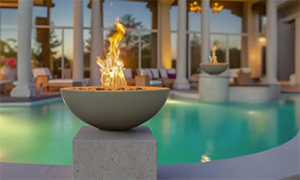
A premium pool fire bowl usually reflects tighter fabrication standards, stronger metal construction, and greater attention to visual proportion. That matters when the bowl is installed at the edge of a pool, on a raised wall, or as part of a carefully designed outdoor entertaining area. In those spaces, fire features are not filler. They are focal points.
For design professionals, this is especially important. A budget bowl that looks out of place can weaken the entire presentation of the project. A well-built bowl with the right finish and flame profile supports the architecture instead of competing with it.
How much are pool fire bowls when you include installation?
This is where many buyers underestimate the total investment. The bowl itself is only part of the cost. Installed pricing may include gas line extension, key valve placement, ignition wiring, venting considerations, mounting surfaces, media, and labor from licensed professionals.
For straightforward installations, labor may be relatively controlled. But if the fire bowl is being added to an existing poolscape, installation can become more involved. Retrofitting gas lines, opening finished surfaces, or coordinating with pool equipment and electrical systems can raise the project cost well beyond the base price of the bowl.
As a rough planning range, a premium bowl that sells for $1,500 to $3,000 could become a $2,500 to $6,000 or more installed feature depending on site conditions and system choices. On larger custom projects with multiple bowls, automation, and detailed masonry integration, costs climb accordingly.
That does not mean the higher number is excessive. It means pool fire bowls are architectural fire features, not off-the-shelf patio accessories.
Material choice affects both price and long-term value
When buyers ask how much are pool fire bowls, material is one of the most practical places to focus. Aluminum and stainless steel are popular in premium fire bowl construction for a reason. They offer durability, cleaner fabrication, and strong performance in demanding outdoor environments.
A lower upfront price can look attractive if you are only comparing product photos. But if the bowl is being installed near a pool, it needs to handle moisture, temperature changes, and regular exposure without becoming a maintenance problem. Better materials usually mean a stronger finish system, more reliable structure, and a longer service life.
That is often where premium value becomes clear. You are not only paying for the first season. You are paying for how the bowl looks and performs after years of use.
Customization can raise the price, but it often improves the result
In luxury outdoor design, the right color and shape are not small details. A fire bowl that complements coping, tile, plaster, and nearby architectural finishes creates a much more cohesive environment. That is why custom sizing and custom color matching are often worth considering.
Customization does increase price, but it can also protect the larger investment you are making in the landscape and pool design. A standard product that almost matches usually reads exactly that way. A tailored fire bowl feels intentional.
For builders and designers, this matters during client presentation as much as in the finished installation. The fire feature should support the project’s visual language, not interrupt it.
Should you buy based on price alone?
Usually, no. Price matters, but it should be weighed against finish quality, burner performance, construction method, and support after the sale. A low-cost bowl that requires replacement, refinishing, or burner upgrades is not necessarily the better value.
It also depends on the role the fire bowls play in the project. If they are a minor decorative accent in a simple backyard, your budget may stay modest. If they sit on columns at the far edge of an infinity pool or frame the main entertaining area, they carry much more visual responsibility. That calls for a product with stronger presence and more refined construction.
This is where specialized manufacturers stand apart from generic outdoor decor brands. A company focused specifically on premium fire features for pools and patios is more likely to understand sizing, compatibility, ignition options, and finish expectations at a professional level. For example, USA Fire Bowls builds handcrafted models in California with an emphasis on durable materials and customization, which is exactly the kind of difference buyers should pay attention to when comparing options.
What is a reasonable budget for most buyers?
For many homeowners building or upgrading a higher-end pool area, a realistic starting budget is around $1,000 to $2,500 per bowl for a quality product. If you want premium materials, a stronger burner system, or a customized finish, moving into the $2,500 to $4,000 range per bowl is common. Installation is separate and should be planned early.
For trade professionals, the smarter approach is to budget by project level rather than by product category alone. A clean, well-made fire bowl can be one of the most visible finishing elements in an outdoor space. Treating it as an architectural detail instead of a last-minute add-on usually leads to a better result.
The right pool fire bowl is rarely the cheapest one. It is the one that looks right, performs reliably, and holds its place in the design long after the installation crew leaves.