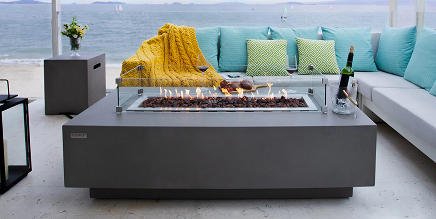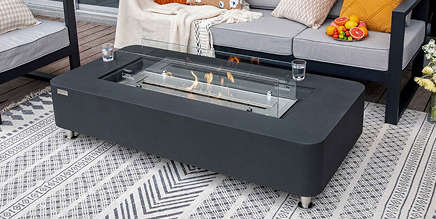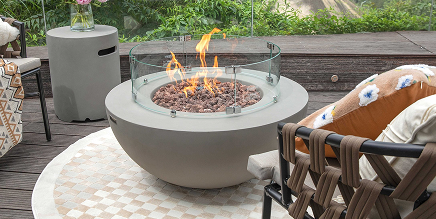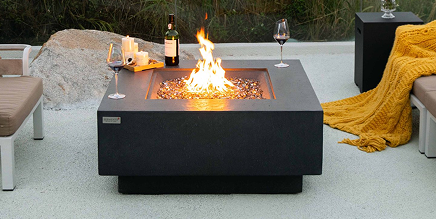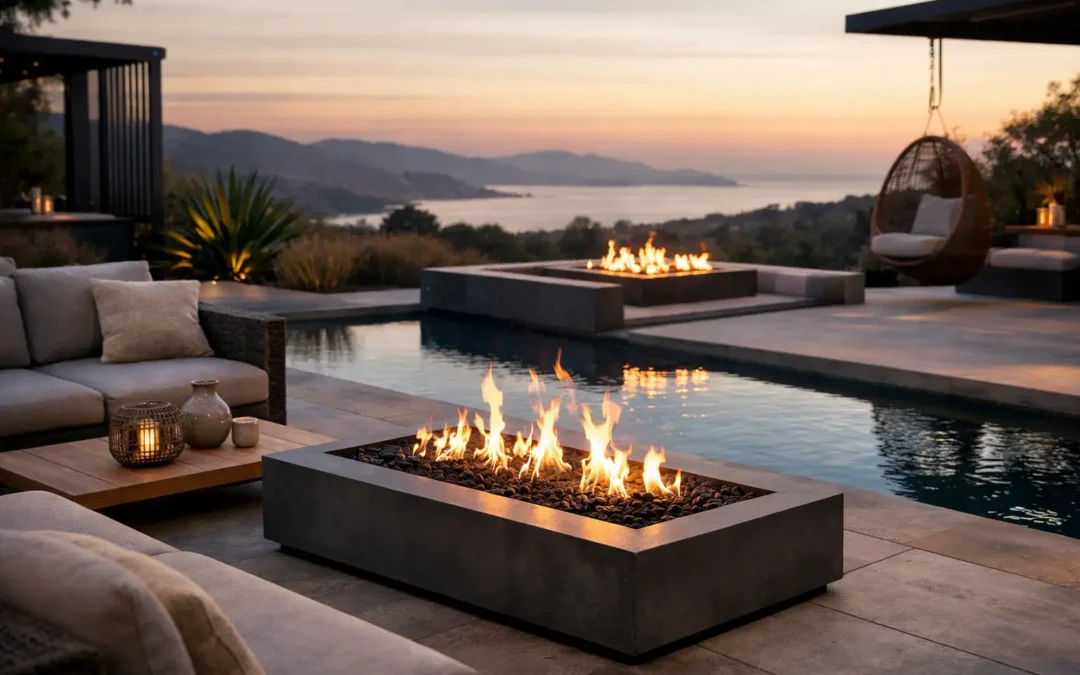
A fire feature can either complete a poolscape or look like an afterthought placed beside it. The outdoor fire feature trends 2026 point decisively toward intentional integration: pieces selected for their relationship to water, hardscape, architecture, and the way a backyard is used after sunset. For luxury homeowners and trade professionals, the goal is no longer simply adding flame. It is creating a focal point with the finish quality, scale, and dependable construction to belong in a refined outdoor environment.
Outdoor Fire Feature Trends 2026: Designed for the Entire Landscape
The strongest trend is not a single shape, fuel type, or finish. It is coordination. Outdoor fire features are increasingly specified early in a project, alongside pool tile, coping, decking, exterior paint, and planting plans. This gives designers more control over sightlines, material transitions, and the visual rhythm of the yard.
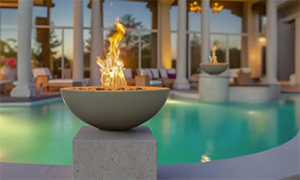
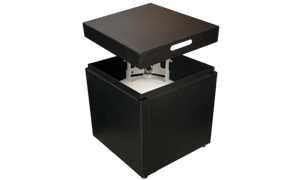
A pair of square fire bowls, for example, can frame a raised spa or define the outer edge of a pool. Low rectangular fire pits can anchor a conversation area without interrupting views across the yard. The feature becomes part of the composition rather than a standalone accessory.
This approach also changes how buyers should evaluate scale. A bowl that appears substantial in a product image may feel undersized against a broad pool deck, tall retaining wall, or expansive patio. Conversely, an oversized feature can overwhelm a compact courtyard. In 2026, proportion will matter as much as flame height. Measure the installation area, consider the primary viewing angles, and account for nearby furnishings before selecting dimensions.
Architectural Shapes Remain the Premium Choice
Organic and sculptural outdoor furnishings have their place, but square and rectangular fire features continue to lead in contemporary pool and patio design. Their clean geometry complements the straight lines found in modern pools, pavers, retaining walls, outdoor kitchens, and covered patios.
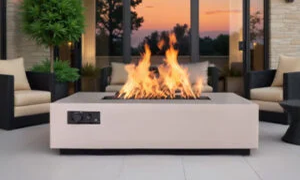
Square fire bowls create a strong visual marker at corners, on pedestals, or alongside water features. Their symmetry works especially well when used in pairs or balanced across a pool axis. Rectangular fire pits and fire tables bring a lower, more horizontal presence to lounge settings, where they can define seating without competing with the home’s architecture.
The key is to avoid treating geometry as a rigid rule. A traditional home with natural stone can still benefit from a square bowl when the finish and surrounding materials soften the effect. Likewise, a contemporary home may call for a warmer presentation through amber fire glass or a textured powder-coated color. The form should support the project’s architecture, not follow a trend in isolation.
Fire and Water Continue to Share the Stage
Fire bowls positioned near swimming pools remain one of the most requested applications for upscale outdoor spaces. The contrast of reflected flame and water creates visual depth that lighting alone cannot duplicate. It also gives the pool area a purpose after daylight swimming hours have ended.
The best poolside installations balance drama with practical planning. Bowls should be sized and located to preserve circulation around the deck, maintain appropriate clearances, and avoid blocking important views. Fuel routing, drainage, wind exposure, and service access should be considered before hardscape is finalized. For trade professionals, bringing these details into the early design phase prevents expensive changes later.
There is also growing interest in layered experiences: fire bowls near the pool, a separate fire pit at the lounge, and low-level landscape lighting connecting the two spaces. Not every property needs multiple flame features, but larger yards often benefit from distinct zones rather than one oversized centerpiece trying to serve every use.
Finish Customization Is Becoming a Design Requirement
Standard black remains a classic choice, particularly against pale coping or light concrete. But color matching is becoming more central to high-end outdoor projects. Homeowners and designers want fire features that coordinate with charcoal stucco, bronze window frames, warm wood tones, dark pool tile, or the subtle gray-brown shades within natural stone.
Powder-coated aluminum offers a compelling balance of visual flexibility and outdoor durability. A quality finish can give a fire bowl the crisp, tailored presence demanded by modern exterior design while supporting long-term performance in changing weather conditions. Aluminum construction also avoids the corrosion concerns associated with some heavier ferrous metals, an important consideration in wet poolside environments and coastal regions.
Customization should be used with discipline. Matching every finish exactly can make an outdoor space feel overly uniform. Often, the better choice is a complementary tone that ties into an existing detail, such as gate hardware, lighting fixtures, or outdoor kitchen cabinetry. Requesting samples and reviewing them in natural light is worthwhile, since a color can read very differently beside water, stone, and landscaping than it does indoors.
Clean Flame Presentation Matters More Than Maximum Output
Bigger flames are not always better flames. In 2026, the premium preference is for a consistent, well-proportioned fire presentation that enhances conversation and ambience without making a seating area uncomfortable. Burner design, media depth, wind conditions, and bowl dimensions all affect how the flame looks in real use.
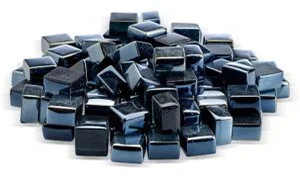
Fire glass remains popular because it delivers color, reflective texture, and a finished appearance around the burner. Neutral shades work well for understated architectural projects, while cobalt, bronze, or warm amber glass can add a controlled accent. The choice should relate to the larger palette, particularly at night when fire media becomes more visually prominent.
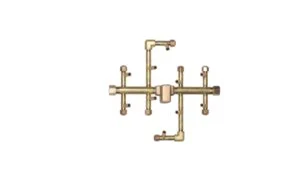
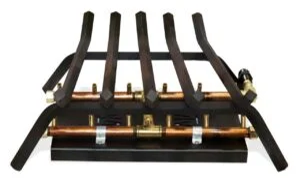
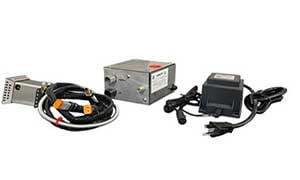
Fuel selection depends on the project. Natural gas can be an excellent choice for a permanent installation with available utility service and frequent use. Propane provides flexibility where a gas line is impractical, though tank placement and access deserve careful planning. In either case, properly matched burners, ignition components, and controls are essential. A decorative vessel is only as satisfying as the system that produces its flame.
Wind Protection and Covers Are Part of the Specification
The refined outdoor spaces gaining attention are designed to look polished between gatherings, not only while the fire is lit. That is why flame guards, burner covers, and weather-resistant protective covers are becoming standard considerations rather than optional afterthoughts.
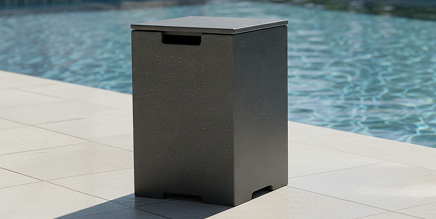
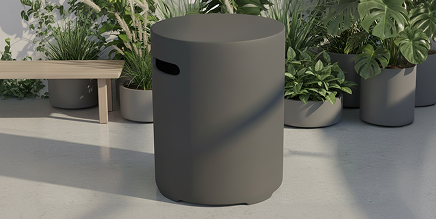
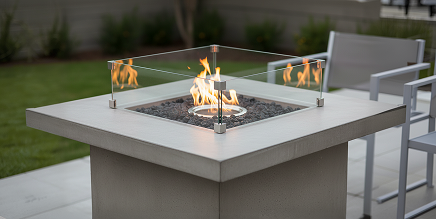
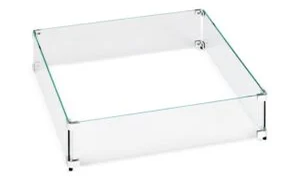
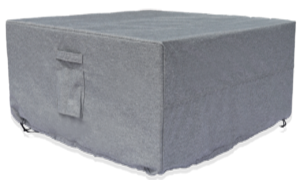
A flame guard can improve wind performance and provide a finished boundary around the fire media. A fitted burner cover helps keep the interior clean when the feature is not in use. A full protective cover can preserve the exterior finish from debris, rain, and harsh sun exposure. These components also help a backyard retain its orderly appearance through changing seasons.
For homeowners, this means fewer compromises between beauty and maintenance. For builders and designers, it means specifying a complete fire feature package that will continue to present well after turnover.
Handcrafted Construction Has Greater Value Than Ever
As outdoor living investments rise, buyers are looking beyond surface appearance. Thin materials, poorly protected components, and generic finishes may lower the initial price, but they can create avoidable frustration in a demanding exterior setting. Premium projects increasingly call for fire features built with substantial aluminum bodies, stainless-steel burner components, and finishes chosen for real outdoor exposure.
American-made craftsmanship also carries practical advantages when customization, replacement components, and knowledgeable product support matter. USA Fire Bowls builds handcrafted aluminum fire features in Murrieta, California, with custom options suited to design-driven pool and patio projects. For a contractor managing a detailed installation, confidence in the product’s construction and specifications is not a luxury. It is part of delivering the project correctly.
Before purchasing, confirm the feature’s intended fuel type, installation requirements, overall dimensions, material construction, drainage needs, and included components. Local codes and manufacturer instructions should guide placement and installation, particularly around pools, structures, combustible materials, and utilities. A qualified installer can help ensure the design vision is executed safely.
The Most Lasting Trend Is a Feature That Belongs
The outdoor spaces that will feel current beyond 2026 are not chasing novelty. They use fire as an architectural material: measured, durable, and coordinated with everything around it. Select a bowl or fire pit that has enough presence for the setting, a finish that supports the palette, and construction that can meet the demands of outdoor life. When those decisions are made well, the flame does more than brighten the patio. It gives the entire landscape a reason to be enjoyed after dark.