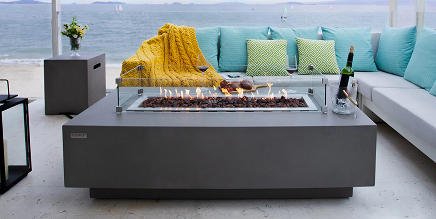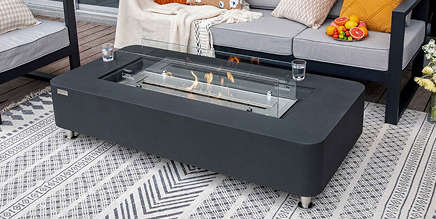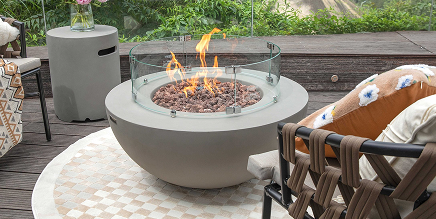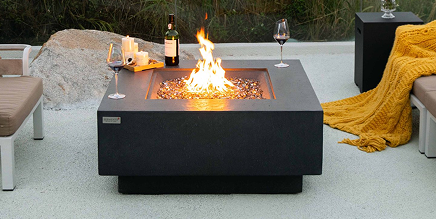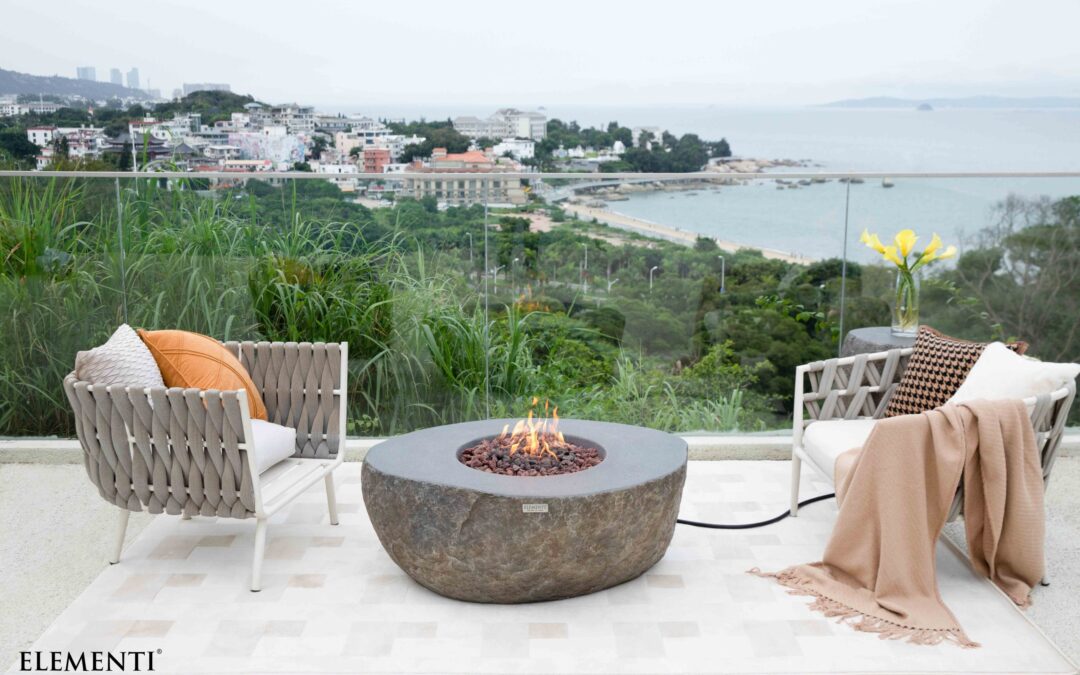
A well-designed patio changes character after sunset. What reads as stone, water, and architecture during the day becomes something more atmospheric at night, and patio fire features are often the element that makes that transition feel intentional rather than incidental. The right fire feature does more than add heat. It creates a focal point, reinforces material choices, and gives the patio a stronger sense of scale and purpose.Elementi Fire Pits
For homeowners investing in a custom backyard and for professionals specifying products for design-driven projects, the question is rarely whether fire belongs in the space. The real question is which type of fire feature belongs there, and how it should relate to seating, hardscape, water, and the home itself.
Why patio fire features matter in premium outdoor design
In high-end outdoor environments, every feature has to do more than exist on its own. A patio fire element should work with the architecture, support the way the space is used, and still hold up over time. That is why selection should never come down to appearance alone.
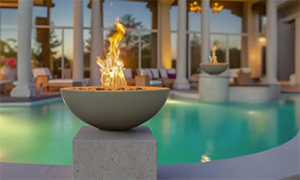
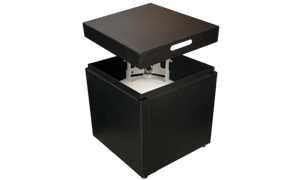
A fire bowl, fire pit, or tabletop feature can change how people move through the patio. It can anchor a conversation area, frame the edge of a pool deck, or soften a large expanse of pavers with warmth and light. In more structured layouts, fire adds vertical interest and rhythm. In softer landscape designs, it introduces contrast and definition.
There is also a practical side. Premium patio fire features can extend the useful hours of an outdoor living area, especially in transitional seasons and cooler evenings. But heat output should be considered alongside flame presentation, material durability, and maintenance expectations. The most visually striking piece is not always the right choice if it overwhelms the space or requires compromises the project does not support.
Choosing the right type of patio fire features
The best choice usually starts with how the patio is meant to function. If the goal is conversation and gathering, a fire pit often makes sense because it creates a shared focal point and naturally draws seating around it. If the objective is more architectural, individual fire bowls can define edges, punctuate entry points, or add symmetry near steps, columns, or poolscapes.
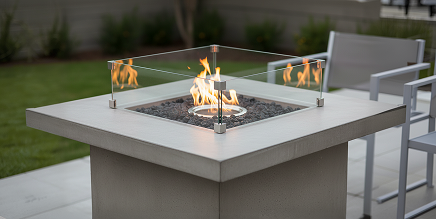
Tabletop fire bowls suit smaller patios, secondary seating areas, and projects where scale needs to stay restrained. They do not command the same visual presence as a larger bowl or pit, but that is often the point. In compact outdoor spaces, restraint can look more refined than oversizing a feature just to make a statement.
For larger patios, multiple fire elements often work better than one oversized centerpiece. A pair of bowls can frame a view or connect the patio visually to a pool beyond it. A single pit in a large open layout can feel isolated unless the furniture plan and paving pattern are designed around it. Good fire feature selection is really a study in proportion.
Shape, scale, and visual balance
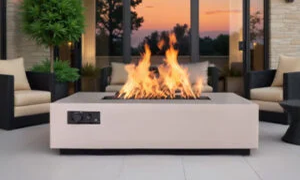
Shape matters more than many buyers expect. A round fire bowl tends to feel softer and more sculptural. It works well in curved landscapes, around freeform pools, and in patios where furniture arrangements are more relaxed. A square or rectangular feature feels more architectural and generally aligns well with linear paving patterns, modern homes, and structured seating plans.
Scale is where many projects either come together or start to feel off. A feature that is too small can disappear into the hardscape, while one that is too large may dominate the patio and make furniture placement awkward. The right scale depends on the footprint of the patio, the ceiling line of nearby architecture, and the visual weight of surrounding materials such as natural stone, concrete, or large-format tile.
This is also where custom sizing and finish options become valuable. In premium projects, standard dimensions do not always align with the realities of the design. A handcrafted fire bowl built with attention to proportion can look integrated in a way that generic, mass-market units rarely do.
Fuel type affects both performance and design
When buyers compare patio fire features, fuel choice often gets framed as a simple propane-versus-natural-gas decision. In practice, it affects installation, maintenance, flame consistency, and the overall look of the finished space.
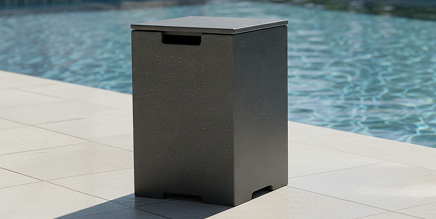
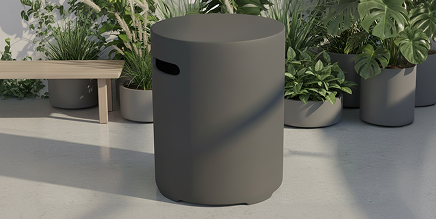
Natural gas is often preferred for permanent installations because it offers continuous fuel supply and supports a cleaner built-in presentation. For custom patios and pool environments, that usually means less visual interruption and a more polished final result. Propane can still be a strong option when gas lines are not available or when flexibility is necessary, but storage and concealment need to be planned carefully so the patio does not lose its visual cohesion.
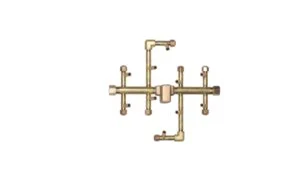
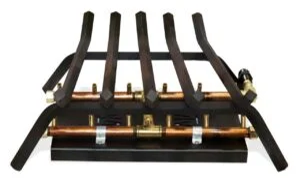
There is also the experience of the flame itself. Burner design, media selection, and wind exposure all affect how fire reads in the space. A premium installation should not only ignite reliably but also present a flame pattern that feels substantial and controlled. That is a major difference between decorative fire done well and outdoor fire that looks like an afterthought.
Materials and construction are not a minor detail
Patio fire features live outdoors year-round, often near water, irrigation, sun exposure, and changing temperatures. In poolside settings especially, the wrong material choice can show wear quickly. That is why construction quality matters just as much as appearance.
Aluminum and stainless steel are widely valued in premium outdoor fire products for good reason. They offer strong durability, resist corrosion more effectively than lower-grade alternatives, and hold up better in environments where moisture and chemicals are part of daily exposure. For homeowners making a long-term investment and for trade professionals protecting their reputation, this is not a luxury detail. It is part of specifying correctly.
Finish quality matters too. A fire feature should not fight with the surrounding palette. It should reinforce it. Custom color matching and finish selection can help tie the piece into coping, veneer, tile, or stucco so the fire feature looks designed with the patio rather than placed onto it after decisions were already made.
Placement can make or break the result
A beautiful fire feature in the wrong location will still feel wrong. Placement affects comfort, safety, circulation, and the visual hierarchy of the patio.
In seating areas, the fire should feel accessible without forcing furniture too close together. On pool decks, bowls often work best where they frame the waterline, mark transitions, or add emphasis at the far end of a view. Near outdoor dining areas, the flame should add ambiance without competing with conversation or service flow.
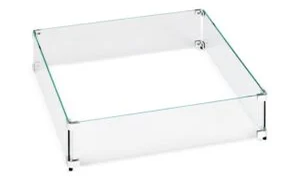
Wind is another factor that should not be guessed at. A patio that feels calm in the afternoon may behave very differently at night. Prevailing breezes can disrupt flame shape, reduce comfort, and influence whether a flame guard is worth including. Elevation changes, walls, and nearby structures all play a role.
Professionals know that coordination with utilities and hardscape planning should happen early. Homeowners benefit from the same mindset. The best fire feature installations are not squeezed into leftover space. They are part of the design from the beginning.
Accessories and finishing details
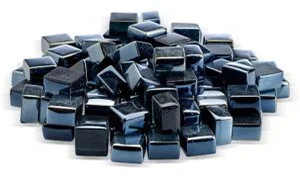
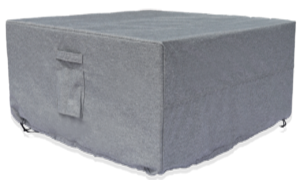
The supporting components around the fire feature often determine whether the final installation feels complete. Fire glass, burner covers, protective covers, and flame guards are not secondary purchases in a premium setting. They affect both presentation and longevity.
Fire glass can shift the tone of the feature from understated to more reflective and dramatic, depending on color and surrounding materials. Burner covers help preserve a clean look when the feature is not in use. Protective covers matter for weather exposure and long-term finish protection. These details are easy to overlook during selection and deeply noticeable once the project is finished.
That is one reason specialized manufacturers tend to offer better outcomes than general outdoor decor brands. The product ecosystem matters. A well-built bowl or pit should be supported by components designed to fit properly and perform consistently, not pieced together from generic parts.
What buyers should prioritize before they purchase
Most regrets in this category come from solving for one variable and ignoring the others. Some buyers choose only on appearance and later realize the scale is wrong. Others focus on BTUs and miss the importance of material quality or finish integration. The strongest results happen when design, durability, and installation needs are considered together.
For homeowners, that usually means thinking beyond the product photo and asking how the feature will look from inside the house, across the pool, and from the primary seating area. For contractors and designers, it means choosing pieces that are dependable to install, visually credible in a luxury setting, and built to hold their finish and structure over time.
USA Fire Bowls serves this part of the market well because the products are handcrafted in the United States, built with premium materials, and designed with customization in mind. That combination matters when the fire feature is expected to do more than fill space. It has to elevate the project.
The best patio fire features feel inevitable once they are installed, as if the space was always meant to include them. That is usually the clearest sign that the choice was the right one.