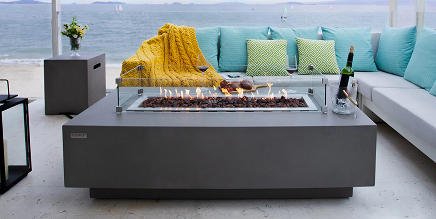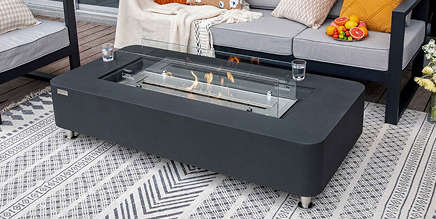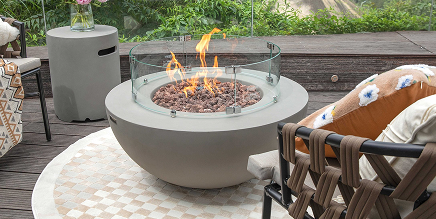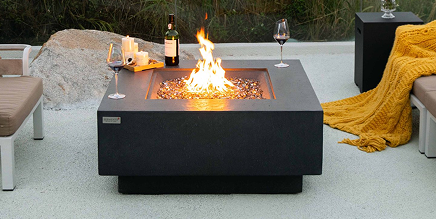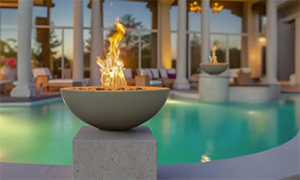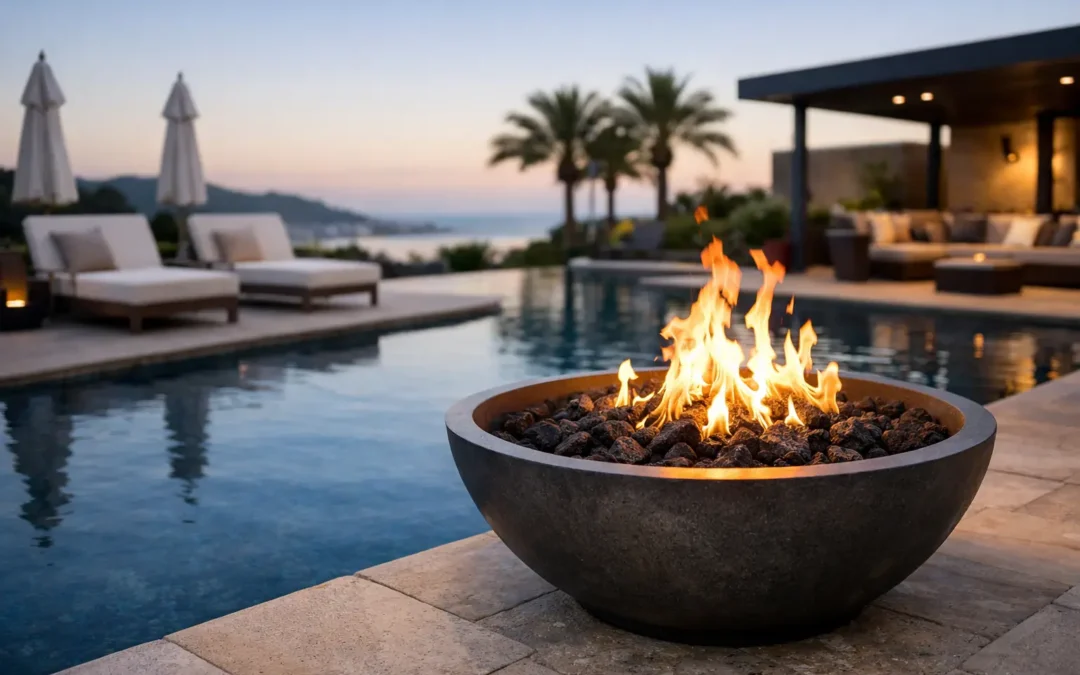
A fire bowl set beside still water changes the entire character of a backyard. It adds movement, warmth, and a strong architectural focal point, but only when the scale, finish, flame pattern, and construction are right. This pool fire bowl buying guide is built for homeowners, builders, and designers who want more than a decorative accent. The goal is to choose a feature that looks refined from day one and continues to perform in a demanding outdoor environment.
What a pool fire bowl should do
A premium pool fire bowl is not just a source of flame. It has to work as part of a larger outdoor composition. Around a pool, every material is under pressure from sun exposure, moisture, chemical drift, and changing temperatures. A bowl that looks good in a product photo can feel undersized, out of place, or poorly built once it is installed on a raised beam or pedestal.
That is why the first buying decision is not color or shape. It is purpose. Some fire bowls are meant to frame a pool perimeter and create symmetry. Others are designed to anchor a spa wall, define a view line, or add drama at the far end of the water. Once you know the role the bowl needs to play, the rest of the choices become more precise.
Pool fire bowl buying guide: start with placement
Placement affects nearly everything, from bowl size to ignition access. A pair of bowls on columns at the end of a pool usually needs enough visual weight to read from the house. A single bowl near a spa or tanning ledge may be more sculptural and intimate. If the bowl is positioned where people walk close to it, clearance and flame height matter more than they would on a distant water feature wall.
Wind is another factor buyers often underestimate. An exposed backyard can make a large flame look uneven or cause it to sit lower than expected. In those conditions, burner design and optional flame protection become more important. If your site has regular crosswinds, it is worth planning for that early rather than trying to correct it after installation.
You also need to think about service access. A clean installation should still allow room for gas connections, ignition components, and future maintenance. This matters even more in custom outdoor environments where fire bowls are integrated into stonework, tile, or concrete structures.
Size should match the setting
Bigger is not always better. A bowl that is too large can overpower a clean pool design, while one that is too small can disappear against broad decking, tall columns, or expansive waterlines. The right diameter depends on viewing distance, pedestal size, and how many other strong visual elements already exist in the space.
In general, compact bowls work well in tighter courtyards, secondary seating areas, or projects where multiple fire features are used together. Larger bowls tend to suit long pool runs, formal entries, and homes with a more substantial architectural language. The best result feels intentional, not oversized for effect.
Material quality matters more around water
Pool environments are hard on outdoor products. That makes material selection one of the most important parts of any pool fire bowl buying guide. Low-grade metals and thin construction may reduce upfront cost, but they often show wear quickly when exposed to moisture, heat, and pool chemicals.
Handcrafted aluminum and stainless steel are strong choices because they offer durability without the fragility or inconsistency that can come with lower-end alternatives. They also support a cleaner finish and more dependable long-term performance. For premium projects, this is not just about longevity. It is about keeping the feature visually sharp in a setting where details are highly visible.
Construction quality also affects fit and finish. Well-made bowls have cleaner edges, more consistent shapes, and stronger structural integrity. If the installation is part of a high-end poolscape, those differences are obvious.
Finish and color should work with the hardscape
A fire bowl should belong to the project, not fight it. The best finish is usually the one that echoes nearby materials such as coping, tile, plaster tones, outdoor kitchen cabinetry, or architectural trim. Matte black can look striking in modern settings. Bronze and warmer custom tones often pair well with natural stone and traditional landscapes.
Custom color matching can make a major difference when the goal is a cohesive exterior design. For homeowners and trade professionals working on tailored outdoor spaces, that flexibility is often worth far more than choosing from a limited off-the-shelf palette.
Choosing the right fuel and ignition
Most pool fire bowls are fueled by natural gas or propane, and the right choice depends on site conditions. Natural gas is often preferred for permanent installations because it offers a consistent fuel source and simpler long-term operation. Propane may be practical in locations where gas lines are not easily available, but it requires more planning for tank storage and access.
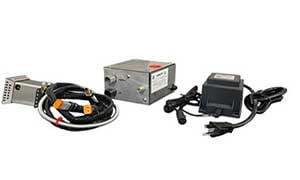
Ignition deserves the same level of attention as the bowl itself. Match-lit systems can be appropriate in some settings, especially when simplicity is the priority. Electronic ignition offers greater convenience and a more polished user experience, particularly in upscale backyards designed for frequent entertaining.
There is no universal answer here. A homeowner may value easy everyday operation, while a builder may be focused on coordinating ignition with the broader gas and electrical plan. The right choice is the one that fits both the project design and the expected use.
Burner performance affects the finished look
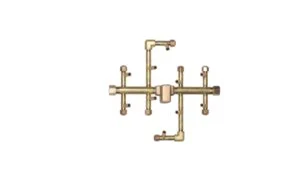
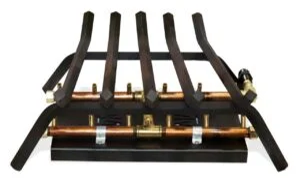
Two bowls can have the same shape and produce very different flame presentations. That difference often comes down to burner design, BTU output, and media selection. Buyers sometimes focus heavily on the bowl shell and overlook the flame itself, even though the flame is what gives the feature presence at night.
A well-designed burner should create a balanced, attractive flame pattern that fits the scale of the bowl. If the flame is too small, the piece can feel underpowered. If it is too aggressive for the bowl size, it can look out of proportion and become less comfortable around seating or walkways.
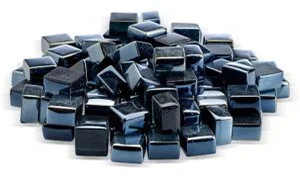
Fire glass and other burner media also influence the final appearance. Reflective media can sharpen the look of the flame and support a more contemporary style. The selection should complement the bowl finish and the surrounding materials rather than compete with them.
Think beyond the bowl itself
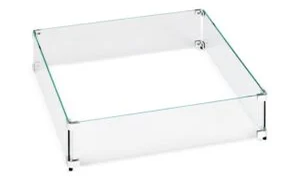
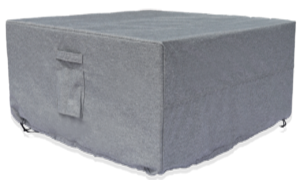
Accessories are not an afterthought in a premium installation. Burner covers and protective covers help preserve the feature when it is not in use. Flame guards may be useful in wind-prone conditions or in layouts where people gather close to the fire. These details protect the investment and improve usability over time.
This is also where specialist manufacturers stand apart from generic outdoor decor brands. Compatibility matters. When the bowl, burner, cover, and accessories are designed to work together, installation tends to be cleaner and performance more predictable.
For homeowners and trade professionals, customization changes the result
The more design-driven the project, the more valuable customization becomes. Standard sizing and standard colors can work well in many backyards, but custom outdoor environments often need more precision. Bowl dimensions may need to align with a wall cap. Finish colors may need to coordinate with specific tile or stone. Ignition and burner configurations may need to fit a broader construction plan.
That is especially true for builders, landscape architects, and designers working on luxury residential projects. A customizable product gives them more control over the final visual outcome and fewer compromises during installation. USA Fire Bowls has built its reputation around that kind of craftsmanship-driven flexibility, which is why custom options matter so much in this category.
Common buying mistakes to avoid
One of the most common mistakes is buying for appearance alone. A bowl may have the right silhouette, but if the material is not suited for poolside conditions or the size does not fit the setting, the result will disappoint.
Another mistake is underplanning the installation. Fuel type, ignition method, drainage, service access, and structural support should be considered early. Fire bowls are often installed as part of a larger build, and problems usually come from coordination gaps rather than the concept itself.
The last mistake is choosing a product that is too generic for the project. In a high-end outdoor space, the fire feature should feel designed for the setting. That usually means stronger materials, cleaner fabrication, and finish options that support the architecture.
A well-chosen pool fire bowl should feel effortless once installed. It should sit naturally within the poolscape, perform reliably, and look as though it was always part of the design. If you select with placement, material quality, flame presentation, and customization in mind, the result will not just add fire to the backyard. It will give the entire space a stronger sense of finish.