What do I buy to protect my pool if I have a salt pool or live near the coast?
Adding a Zink Anode will protect metal on a swimming pool – https://www.amazon.com/briidea-Install-Inline-Anodes-Saltwater/dp/B09YH4BM4W?th=1
What we now know about Salt Water Pools.
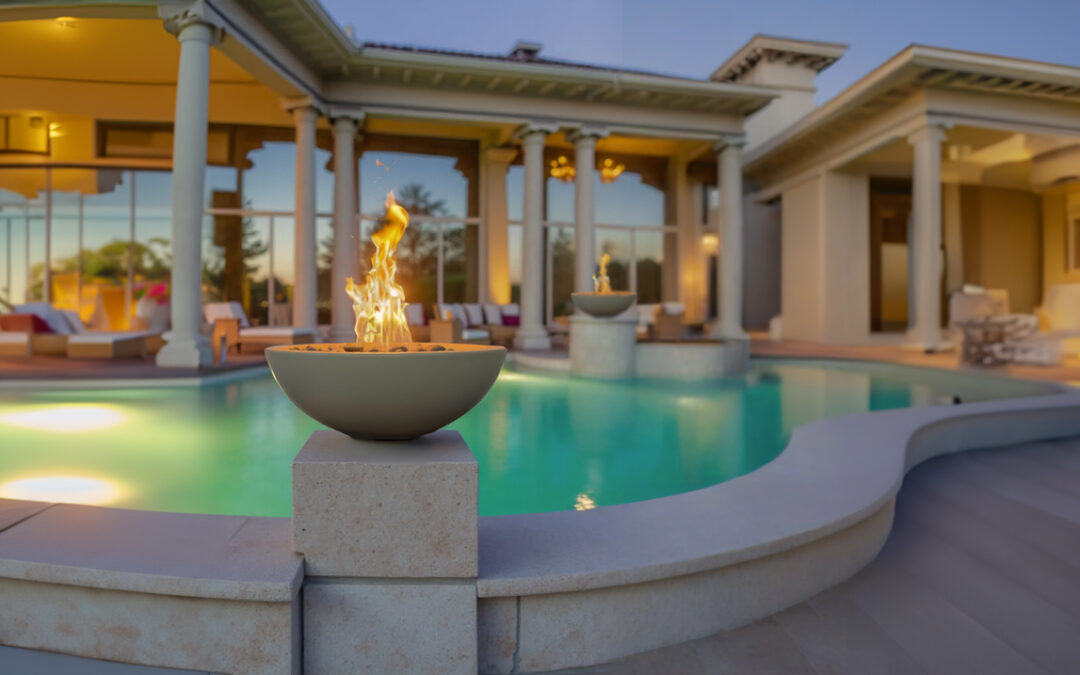
Salt Systems over the past 20 years have become popular. The delicate balance of construction process like rebar in coping and use of metal water features like fire-bowls/ handrails or in-wall decorative brass/stainless water scuppers become a topic as how to use these items and a salt system together. We have provided this Blog to help you to decide should you be building a new pool or have an existing pool and contemplating draining off the water and refilling to maintain low does of chlorine or even change the system it Ozone.
What is Salt Water Corrosion?
More than almost anything else, the corrosive elements of saltwater are the major disadvantages for anyone thinking about installing a salt water pool. To be perfectly fair, both regular chlorine and salt can be corrosive, especially to metals such as in pool ladders. The issue with salt, however, is that salt water and rust go hand in hand. Salt water can be excessively harsh in higher dosages and will not only corrode metals (stainless steel, aluminum and copper, especially) but will also ruin pool finishes.
If you have flagstone or concrete finishes anywhere around your salt water pool, you can expect that to wear away steadily over time. The same goes for tile finishes you may have installed in your pool. The real damage, however, is done to any pool equipment you may have running. Most commonly, salt water pool equipment will develop leaks and require immediate attention. Some Major Pool Companies have stopped offering Salt Systems to avoid the mis-use and failure issues.
How do you treat salt water pool corrosion problems?
In all honesty, salt water corrosion is not necessarily something you can just wipe up, and by the time you notice it, it’s usually time to replace the affected surface or item. Either that or you’ll need to hire a professional pool cleaning company to do the job.
The best advice for existing salt water pool homeowners is to be diligent and work to actively prevent corrosion. Just like any other pool owner, you will need to stay on top of chlorine and other chemical levels in your pool by regularly checking it. Should you start to notice potential corrosion-related issues, contact a professional to help assess the damage and replace any equipment that is damaged or no longer functions properly.
Will the Salt Rust Your Pool?
There is, yes, some risk that the salt in the water will corrode your pool or pool elements. For above ground pools, you should not use a saltwater system with a steel or aluminum pool, as it will destroy the pool. A resin pool, however, should be fine. Vinyl pool liners are also good at resisting damage from salt. If you do use a saltwater system with an above ground pool, you should check and, if necessary, replace metal components regularly.
One vital way of reducing corrosion and rust damage is a sacrificial anode. This is a zinc part that hangs out next to the parts you need to protect and takes the damage for them. You replace the anode about every three years or so. Bear in mind that the anode has to be properly bonded and grounded, and thus you will need a licensed electrician to install it.
Will Adding a Salt System Void the Warranty?
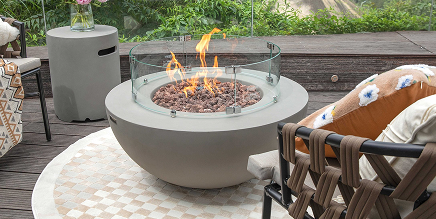
Potentially, yes. Some manufacturers exclude the use of a salt system because if you mess up, you can seriously corrode your pool. Obviously, if your pool is out of warranty this is not a concern. It doesn’t mean that a salt system isn’t compatible with your pool, as long as it’s not primarily of metal construction. USAFirebowls, only warranties its bowls for workmanship not the effects of any chemical choices the pool owner decides to use. We strongly recommend for the application use to be non-salt due to the high probability the user will over use the salt and or leave on the sheer descent for prolonged times allowing all that salt water to corrode the bowl. If Salt systems are used, we recommend rinsing off your fire-bowl after each use. We remind you of those visits to the beach and the amount of rust and re-painting that goes on near salt water. Ozone and Tablets would be a better choice when using any metal products on a pool.