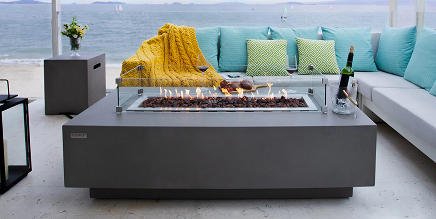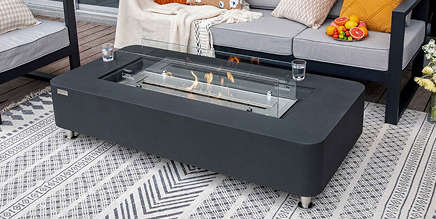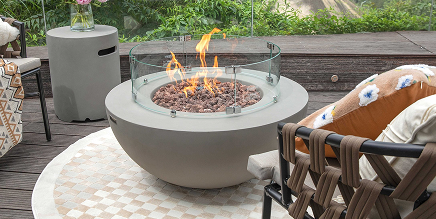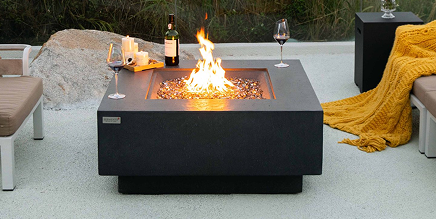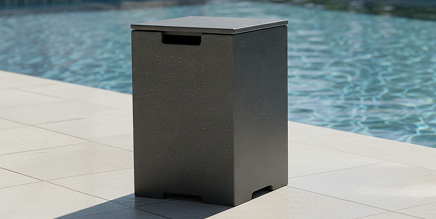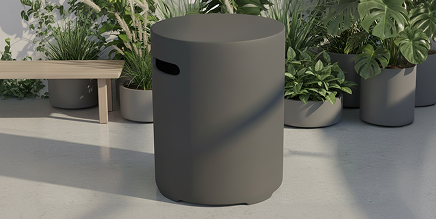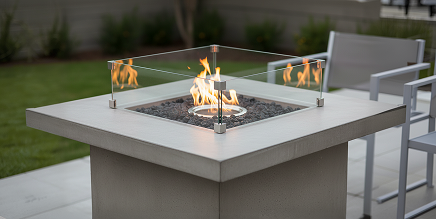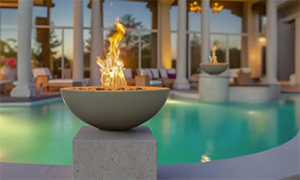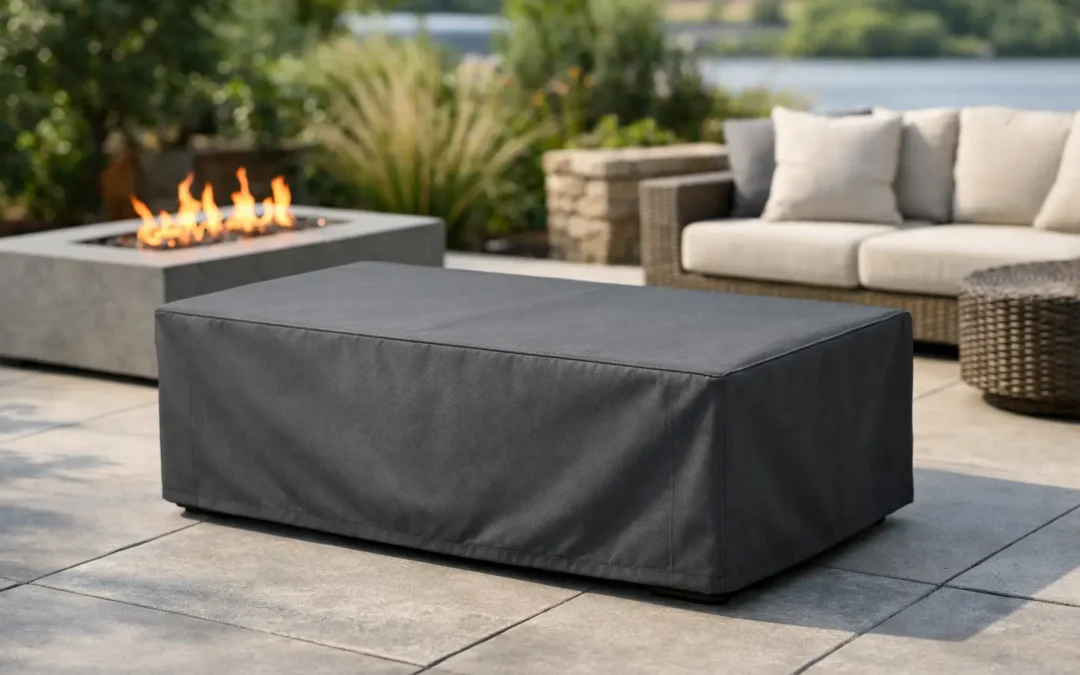
A fire bowl can be the finishing element that makes a pool deck, courtyard, or terrace feel considered after dark. Protective covers for fire bowls help keep that investment looking as refined in the off-hours as it does when the flame is on. More than a seasonal accessory, the right cover protects the bowl’s finish, limits debris around the burner, and reduces the cleanup required before the next gathering.
For premium outdoor environments, a loose-fitting generic cover is rarely the right answer. Fire bowls have distinct proportions, burner configurations, and finish details that deserve a cover designed for the feature itself. The goal is straightforward: protect the piece without trapping moisture, damaging the finish, or creating a cumbersome step in the routine of using it.
Why Protective Covers for Fire Bowls Matter
Outdoor fire features face more than rain. Wind carries leaves, pollen, grit, and poolside debris into burner openings and fire media. Intense sun can gradually affect exposed surfaces, while coastal air, winter weather, and irrigation overspray add their own demands. A quality cover provides a first layer of defense when the fire bowl is not in use.
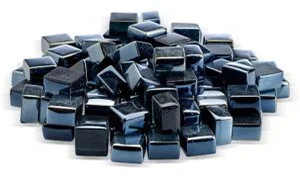
Keeping the burner area cleaner is one of its most practical benefits. Fire glass, lava rock, and burner ports perform best when they are free of leaves, standing water, and other obstructions. A cover will not replace regular inspection, but it can substantially reduce the amount of debris that reaches the fire feature between uses.
It also helps preserve the visual integrity of the installation. A handcrafted, powder-coated aluminum fire bowl is selected to complement surrounding tile, stone, pavers, and waterline finishes. Protecting that exterior surface helps the feature continue to support the overall landscape design rather than becoming another maintenance concern.
For pool builders and landscape professionals, specifying a fitted cover is also a simple way to protect the completed project. It gives homeowners a clear maintenance tool from day one and reinforces the sense that every element of the outdoor space was selected with purpose.
A Protective Cover Is Not a Burner Cover
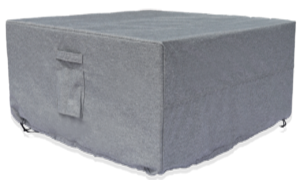
These accessories serve different jobs, and the distinction matters. A protective cover is typically a fabric or weather-resistant cover that goes over the entire fire bowl. It is intended for storage, everyday protection, and periods when the bowl is cool and not operating.
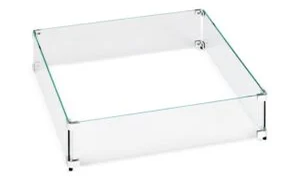
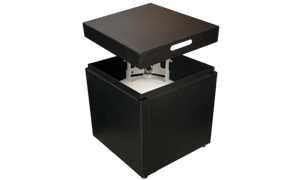
A burner cover is generally a rigid metal component that sits over the burner opening. Depending on the fire bowl design, it can help shield the burner area and create a more finished surface when the feature is off. It may also be useful when a bowl is installed in an exposed location where leaves and debris accumulate quickly.
Some projects benefit from both. The burner cover addresses the fire media and burner area, while the exterior protective cover shields the full bowl from weather and grime. The best configuration depends on the fire bowl’s design, its exposure, and how often the outdoor space is used.
Neither type of cover should be placed over a fire bowl that is still warm. Shut off the gas supply according to the installation instructions, allow the unit to cool completely, and make sure no flame or heat remains before covering it. A cover is a care accessory, not a safety device for an active or recently operated fire feature.
Fit Is the First Buying Decision
The most reliable cover is one made for the precise dimensions and shape of the fire bowl. Square and rectangular fire bowls need covers that account for their corners, coping profile, and overall height. A cover that is too small strains at seams and corners. One that is too large can sag, catch wind, and allow water or debris to collect in folds.
Measure the complete exterior footprint, not simply the burner opening. Include the widest points of the bowl, the overall height, and any projecting edge or lip. If the fire bowl has a raised center section, a recessed burner tray, or a nonstandard custom profile, those details should be part of the selection process.
A tailored cover should sit securely without being difficult to remove. This is especially valuable for features used regularly. If homeowners need several minutes to wrestle a cover into place, they are less likely to use it after a weeknight gathering or a quick poolside evening. A clean fit makes protection part of the normal routine.
Material and Construction Define Long-Term Performance
Weather resistance is essential, but material selection is not as simple as choosing the thickest fabric available. A cover needs to block direct exposure while managing moisture. Fully non-breathable materials can trap condensation against the bowl, particularly in humid regions or after major temperature swings. That moisture can leave marks, encourage mildew on the cover itself, and make the fire feature look neglected when uncovered.
Look for durable, UV-resistant exterior fabric with thoughtful construction. Reinforced seams, strong edge binding, and secure fastening points all matter because covers are pulled on and off repeatedly. The lower edge should remain stable in wind without scraping against the bowl’s finish.
Color is a design consideration as well as a practical one. Neutral, restrained cover colors generally sit more quietly in a finished backyard than bright, generic alternatives. For high-end residences, the covered fire bowl should still look intentional beside furnishings, outdoor kitchens, and the pool.
The construction beneath the cover matters, too. Powder-coated aluminum and stainless-steel components offer a strong foundation for outdoor use, but no material benefits from being left under wet leaves, irrigation runoff, or standing water for extended periods. A cover supports durable construction; it does not eliminate the need for sensible placement and care.
Plan for Water, Wind, and Seasonal Conditions
A cover should shed water rather than create a low point where it can pool. Before covering the bowl, check that the surface is clear of heavy debris and that the cover is positioned to encourage runoff. If water repeatedly collects on top, the issue may be an oversized cover, a sagging section, or the need for a better-supported fit.
Wind exposure deserves equal attention. An open hillside property, rooftop terrace, or coastal backyard may need more secure retention than a sheltered patio. Fastening features should hold the cover in place while avoiding abrasive contact with finished surfaces. Never rely on loose patio furniture, stones, or other improvised weights that can shift and scratch the bowl.
In areas with freezing weather, remove snow buildup from the cover when practical. Heavy accumulation can add unnecessary weight and can force moisture into seams or low spots. In hot, dry climates, UV resistance becomes especially valuable because the cover itself is under constant sun exposure.
If the bowl is near a pool, account for splash zones and irrigation patterns. Chlorinated or saltwater overspray should be rinsed from exterior surfaces as part of normal maintenance, even when a cover is used. The same is true for fertilizer drift and harsh landscape chemicals, which can affect finishes if allowed to remain.
A Simple Care Routine Protects the Entire Feature
The most effective maintenance routine is brief and consistent. Once the bowl has cooled, remove leaves and visible debris from the burner area before installing the cover. Periodically lift the cover and inspect for moisture, insect nests, accumulated debris, or signs that the cover is rubbing against a corner or edge.
Clean the cover according to its material guidance, usually with mild soap, water, and a soft brush or cloth. Let it dry completely before returning it to the bowl. Avoid aggressive cleaners and pressure washing unless the cover manufacturer specifically permits it, since harsh treatment can weaken coatings, seams, or water-resistant finishes.
During long periods without use, it is wise to inspect the burner, ignition components, gas connections, and fire media before lighting the feature again. A protective cover makes that work easier by limiting exposure, but a proper pre-use check remains part of responsible fire feature ownership.
For custom or premium installations, the right accessory should never feel like an afterthought. USA Fire Bowls designs fire features to become architectural elements within outdoor spaces, and a properly fitted protective cover helps preserve that standard between every use.
A covered fire bowl may not be the focal point of the patio during daylight, but it still represents the same attention to detail as the flame itself. Choose a cover that fits the bowl, respects its finish, and makes everyday care easy enough to keep doing.