A polished pool finish can hide a costly problem until the damage is already visible. If you want to use a zinc anode to avoid metal corrosion on a pool, you are not adding an optional extra. You are protecting the metal components that make a luxury poolscape function and look finished, from handrails and light niches to heaters, ladders, and nearby decorative features.
Corrosion in a pool environment is rarely random. It usually points to electrical imbalance, dissimilar metals, water chemistry issues, or all three at once. For homeowners investing in a refined outdoor space – and for builders responsible for long-term performance – a zinc anode is one of the simplest ways to reduce avoidable damage.
Why pool metal corrosion happens in the first place
Pools create an unusually aggressive environment for metal. Water, dissolved minerals, sanitizer, and electrical systems all exist in close proximity. Add different metal types into the same system, and galvanic corrosion becomes a real concern.
Galvanic corrosion happens when two dissimilar metals are connected through an electrolyte, which in this case is pool water or damp soil. One metal gives up electrons and corrodes faster, while the more noble metal is protected. Without a sacrificial component in the system, expensive parts can become the metal that pays the price.
That matters even more in premium pool builds, where finishes and accessories often include stainless steel, copper heat exchangers, bronze fittings, and custom decorative elements. The more sophisticated the design, the more important it becomes to control corrosion proactively rather than waiting for staining, pitting, or equipment failure.
How to use a zinc anode to avoid metal corrosion on a pool
A zinc anode is called sacrificial for a reason. It is designed to corrode first, helping preserve other metal components in and around the pool. Instead of allowing current and galvanic activity to attack rails, anchors, ladders, heaters, or bonded metal features, the zinc takes that wear.
In practical terms, the anode becomes the preferred point of corrosion within the bonded system. That does not eliminate every corrosion risk. If water chemistry is neglected or stray current is present, a zinc anode will not solve the entire problem on its own. But it is a smart and widely used layer of protection.
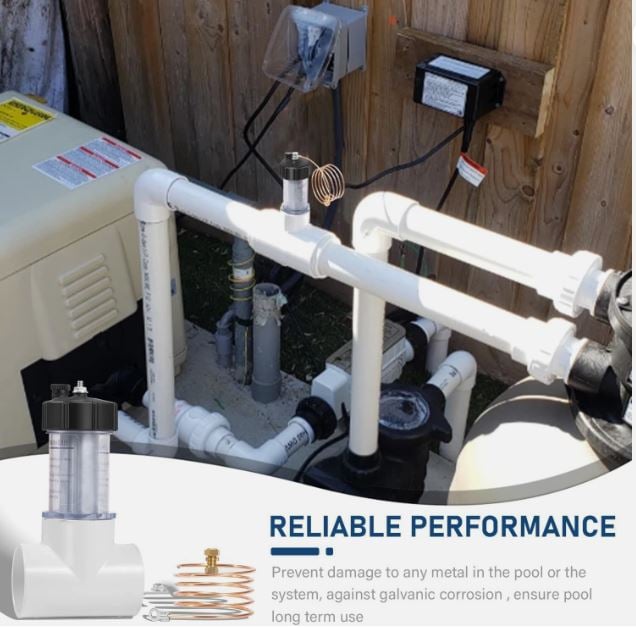
For most pool applications, the anode is installed in one of two ways. It may be attached to the pool bonding grid or connected within the circulation system using an inline anode assembly. Which option makes sense depends on the pool design, construction phase, and the specific metal components you are trying to protect.
Bonding-system anodes
These are commonly buried in damp soil near the equipment pad or installed as part of the bonding network. They are especially useful for protecting bonded metal around the pool shell and deck area. If the project includes handrails, ladders, diving hardware, or other exposed metals, this style of anode is often part of a sound corrosion-control strategy.
Inline anodes
Inline anodes are installed in the plumbing system, usually near the heater or other vulnerable equipment. They can help protect internal metal parts exposed to circulating water. This approach is often considered when heater cores, salt systems, or metal components in the plumbing loop need added protection.
Where a zinc anode matters most in upscale pool projects
High-end pools tend to include more than the basic shell and pump. They often feature spillways, lighting, water features, automation, elevated finishes, and integrated fire elements. Each added component increases the number of materials and connections in the environment.
That does not mean premium design creates poor durability. It means the design has to be matched by a premium approach to protection. If a pool includes stainless steel scuppers, copper-based heater parts, bronze niches, or decorative metal near the waterline, corrosion planning should be part of the build rather than an afterthought.
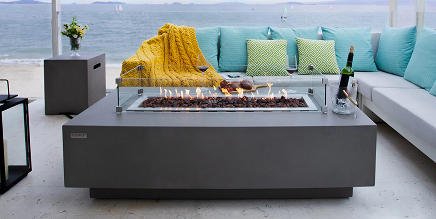
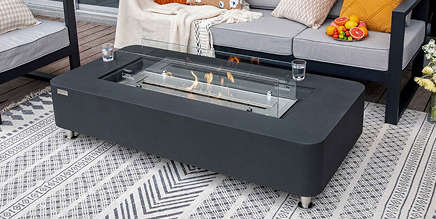
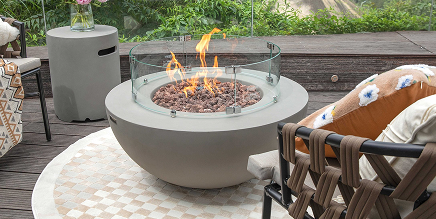
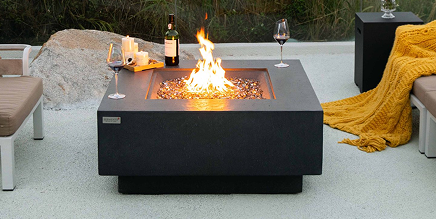
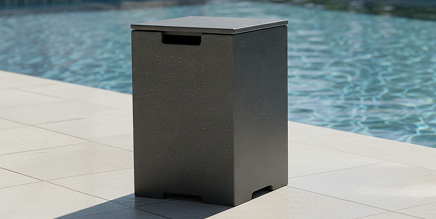
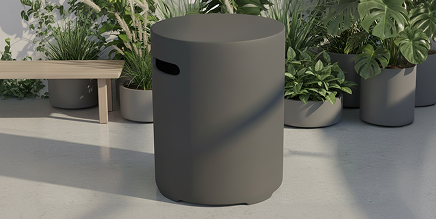
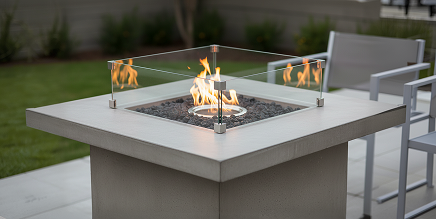
This is especially relevant when the backyard includes custom fire bowls or other architectural accents installed near the pool. Even when a fire feature is built from durable aluminum or stainless steel, the surrounding environment still matters. Splash exposure, chemical drift, bonded metals, and nearby electrical systems all influence long-term performance. In a design-led outdoor space, preserving clean finishes is not just about function. It is about protecting the visual standard of the project.
A zinc anode is not a substitute for proper water chemistry
This is where some pool owners get the wrong idea. They install an anode and assume the corrosion issue has been handled. Not quite.
If pH is consistently low, sanitizer levels are excessive, calcium balance is off, or total alkalinity is poorly managed, metal can still deteriorate. Aggressive water attacks surfaces differently than galvanic corrosion does, but the result is still damage. A zinc anode helps with sacrificial protection. It does not correct chemically aggressive water.
Saltwater pools deserve special attention here. They are not automatically more dangerous, but they do increase conductivity, which can accelerate galvanic activity when bonding, grounding, or chemistry is not dialed in. In those systems, a zinc anode often makes even more sense, but only as part of a complete maintenance approach.
Signs your pool may need better corrosion protection
Corrosion is not always dramatic at first. Often, it starts with subtle warning signs that are easy to dismiss during a busy season.
You might notice rust staining around anchors or fittings, discoloration on metal trim, pitting on rails, premature heater problems, or recurring issues with metal components despite otherwise good maintenance. In some cases, pool owners also see unexplained staining on plaster or finish materials caused by metal ions entering the water.
If those signs appear, the question is not only whether you need a zinc anode. It is whether the entire bonding, grounding, and water chemistry picture has been properly evaluated. A qualified pool professional or electrician should assess the system, especially if stray current is suspected.
Installation decisions depend on the pool and the build stage
For new construction, adding an anode is typically straightforward. It can be designed into the bonding plan and placed where it will offer effective protection from the start. This is the ideal scenario because it treats corrosion prevention as part of the build quality, not as a repair strategy.
For existing pools, retrofit options are still available. An inline anode or bonding-system anode can often be added without rebuilding the project. The right choice depends on equipment layout, access, the metals present, and whether the corrosion concern is primarily in the water system or around bonded site elements.
It also depends on maintenance habits. A sacrificial anode must be inspected and replaced as it wears down. If no one plans to check it, the protection value drops over time. For builders and service professionals, that is a simple point worth communicating to clients early.
What a zinc anode can and cannot do
The value of a zinc anode is real, but it helps to keep expectations precise. It can reduce galvanic corrosion, help protect vulnerable metal components, and extend the service life of expensive pool hardware. It is a relatively modest investment compared with replacing rails, heater parts, anchors, or other installed metals.
What it cannot do is fix improper bonding, correct stray voltage problems, reverse existing corrosion, or compensate for poor chemical maintenance. If a pool has a deeper electrical issue, that needs to be diagnosed directly. Treating a system problem with only a sacrificial anode is like protecting a finish without addressing the source of the wear.
Why this small component protects the bigger investment
Luxury outdoor environments are built around permanence. The stone, tile, metal finishes, waterline details, and fire features are chosen to create a cohesive, elevated result that should hold up season after season. Corrosion works against that goal quietly, then expensively.
That is why experienced builders and discerning homeowners pay attention to details most people never see. To use a zinc anode to avoid metal corrosion on a pool is not overbuilding. It is good stewardship of the entire installation.
If your pool includes premium materials, integrated equipment, or decorative metal near the water, protecting those elements is part of protecting the design. A small sacrificial component may never be the feature anyone notices first, but it can be one of the smartest decisions behind a pool that still looks exceptional years later.