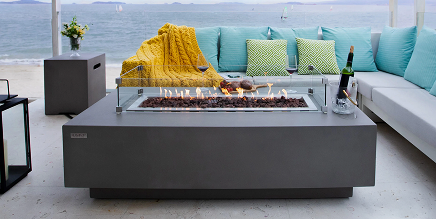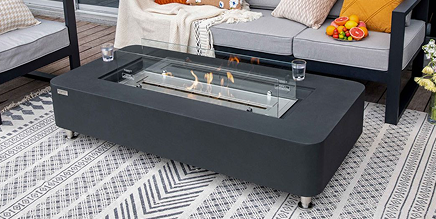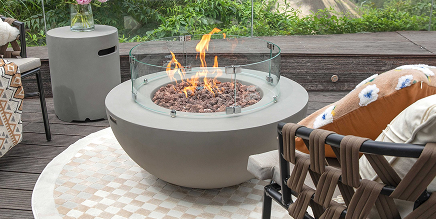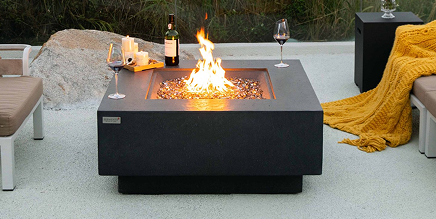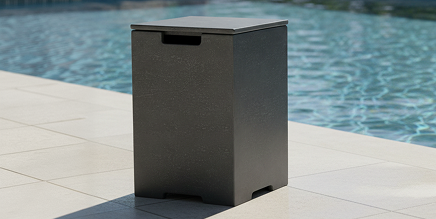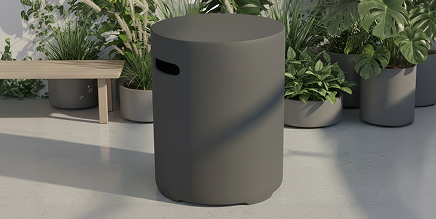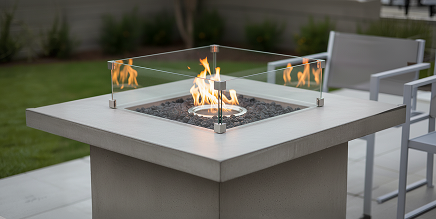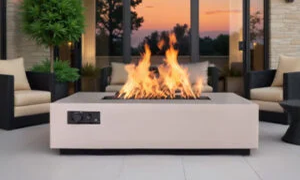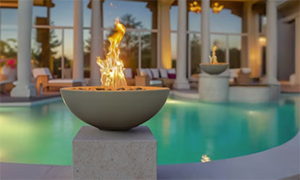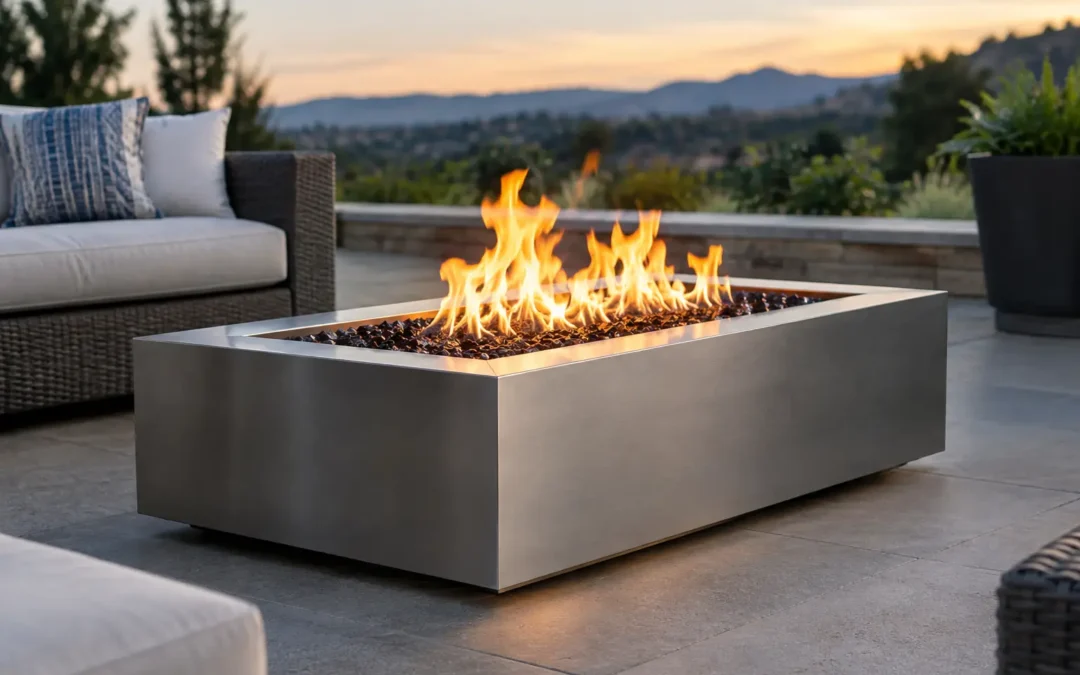
A fire bowl placed beside a pool or at the edge of a formal patio has to do more than look exceptional on installation day. It must stand up to sun, rain, irrigation overspray, heat cycles, pool chemicals, and the occasional bump from outdoor furniture. Aluminum bowl durability is therefore not simply a question of material thickness. It is the result of thoughtful fabrication, protective finishing, proper burner design, and the way the feature is installed and maintained.
For homeowners and design professionals specifying a premium fire feature, aluminum offers a compelling balance of long-term performance and design freedom. The material is naturally resistant to rust, significantly lighter than many alternatives, and well suited to custom square and rectangular forms. Still, not every aluminum bowl is built to the same standard. Details that may be invisible in a product photo – weld quality, drainage, coating preparation, and component selection – have a direct effect on how the bowl performs over time.
Why Aluminum Performs Well Outdoors
Bare steel can corrode when its protective finish is compromised. Aluminum behaves differently. When exposed to air, it forms a thin oxide layer that helps protect the metal beneath it. This natural characteristic makes aluminum a strong candidate for outdoor fire bowls, particularly in humid climates, coastal-adjacent areas, and pool environments where moisture is part of daily life.
That does not mean aluminum is maintenance-free or immune to every form of surface damage. Salt, standing water, abrasive cleaning products, and chemical exposure can all affect the appearance of an exterior finish. The advantage is that aluminum does not develop the red rust associated with ordinary steel. For a fire bowl intended to remain a permanent part of a landscape, that distinction matters.
Weight is another practical benefit. A quality aluminum fire bowl still has substantial presence, but it is more manageable than a comparable cast concrete or heavy steel unit during delivery, placement, and future service access. For pool builders and contractors working around finished decking, plumbing, and tile, easier handling can reduce installation complications without sacrificing a tailored architectural look.
Aluminum Bowl Durability Depends on Construction
The durability of an aluminum bowl begins before the finish is applied. Material gauge, formed corners, welding methods, and structural reinforcement all influence how well the bowl retains its shape through years of outdoor exposure and repeated heating and cooling.
A handcrafted bowl should feel intentional from every angle. Clean, properly executed welds help create a stable enclosure and support crisp lines at corners. This is especially important with square fire bowls, where the geometry leaves little room to conceal poor fabrication. Quality construction also supports the burner pan, media, ignition components, and cover without allowing the body to flex or distort under normal use.
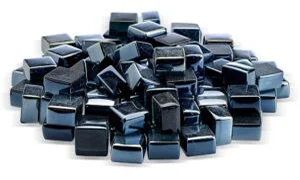
Fire itself introduces a different kind of stress. Aluminum has a lower melting point than steel, but a properly engineered fire bowl keeps intense heat where it belongs: at the burner and above the media bed. The bowl body, burner system, ventilation, and fire media must work together. A correctly sized burner and appropriate clearances help prevent excessive heat transfer to the surrounding structure.
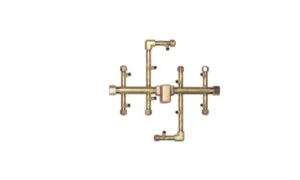
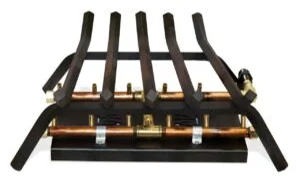
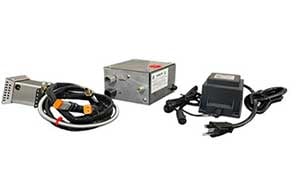
This is why a fire bowl should be considered as a complete system rather than a decorative vessel with flames added later. The burner, pan, gas connections, control components, media, and enclosure are all part of the long-term performance equation.
Powder Coating Is More Than a Color Choice
For a premium outdoor fire bowl, powder coating provides a refined finish while adding a durable protective layer over the aluminum. The process typically involves preparing the metal, applying a dry powder electrostatically, and curing it to create an even, bonded surface. When preparation and application are handled correctly, the result is far more resilient than a basic painted finish.
The coating protects the bowl from UV exposure, moisture, and everyday wear while giving designers broad control over color. A custom color can coordinate with coping, porcelain pavers, stucco, tile, or metal accents throughout the property. That flexibility is particularly valuable in high-end pool projects, where a fire feature should feel integrated into the overall composition rather than added as an afterthought.
Even an excellent powder-coated finish has limits. Dragging stone furniture across the bowl, striking it with metal tools, or using harsh solvents can scratch or dull the surface. Dark colors can show dust, mineral residue, and water spotting more readily than mid-tone or textured finishes. These are manageable trade-offs, not reasons to avoid aluminum. They simply reinforce the value of selecting a finish that suits the site and establishing reasonable care expectations with the owner.
Poolside Conditions Require Smart Details
Poolside installation creates a demanding environment. Chlorinated or saltwater pool spray, automatic fill systems, landscape irrigation, sunscreen residue, and mineral-rich water can all land on the bowl. Over time, deposits may collect on horizontal surfaces, particularly around the rim and burner area.
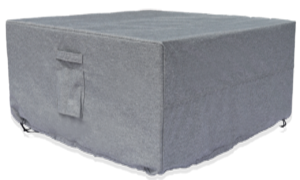
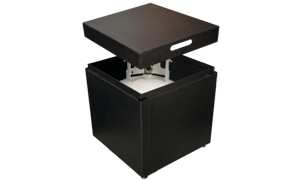
Drainage is one of the most important yet overlooked considerations. Water should not be allowed to sit inside the bowl or beneath fire media for extended periods. A well-designed fire bowl incorporates a path for moisture to escape and should be installed on a level, properly prepared surface that supports its intended drainage plan. Covering the feature when it is not in use can further reduce debris and unnecessary water exposure.
A protective cover is not a substitute for drainage, and drainage is not a substitute for a cover. Together, they help protect the bowl, burner, and decorative media from leaves, dirt, standing water, and seasonal weather. For properties in regions with freezing conditions, this preparation becomes even more valuable. Water that remains trapped in a fire feature can create avoidable problems as temperatures change.
Saltwater pools deserve special attention. Saltwater systems are not maintenance-free from the perspective of surrounding finishes. Airborne salt and splash-out may leave deposits that should be rinsed away with clean water. Homeowners near coastal areas should take the same approach, even when the fire bowl is not directly exposed to ocean spray.
Maintenance That Protects Appearance and Performance
Regular care for an aluminum fire bowl is straightforward, but consistency matters. Allow the unit to cool completely before cleaning. Remove loose debris from the media and surrounding surfaces, then wipe the exterior with a soft cloth, mild soap, and fresh water. Avoid abrasive pads, aggressive degreasers, acidic cleaners, and products not intended for powder-coated metal.
The burner area should also be checked periodically. Leaves, insects, and debris can interfere with flame quality or block burner ports. If the fire bowl has electronic ignition or other gas components, inspect them according to the manufacturer’s instructions and arrange professional service if ignition becomes inconsistent, flames appear uneven, or gas connections require attention.
For trade professionals, maintenance guidance should be part of the handoff process. A client who understands why a cover matters, how to rinse pool residue, and when to call a qualified gas professional is far more likely to enjoy a clean-burning, attractive feature for years.
When Aluminum Is the Right Specification
Aluminum is an excellent choice when the project calls for clean-lined design, custom sizing, custom color, and reliable outdoor performance with less weight than masonry or concrete. It is particularly well suited to elevated decks, rooftop-adjacent outdoor spaces, pool perimeters, and installations where a tailored finish must coordinate with a broader material palette.
It may not be the best choice if the desired aesthetic is intentionally raw, heavily patinated, or industrial. In that case, weathering steel or another material may better serve the design direction, though it brings different maintenance and staining considerations. Similarly, an aluminum bowl should not be selected solely because it is lightweight. The fabrication quality and burner system remain essential.
USA Fire Bowls builds handcrafted aluminum fire bowls with the details that matter in design-forward outdoor settings: powder-coated finishes, refined square and rectangular profiles, and configurations intended for lasting backyard and poolside use. For a custom project, confirm dimensions, fuel type, placement requirements, drainage, and finish selection before fabrication begins.
A well-specified aluminum fire bowl earns its place in the landscape over time. Choose the material for its corrosion resistance and versatility, then protect that investment with thoughtful installation, a quality finish, and simple ongoing care. The reward is a fire feature that continues to look considered long after the first evening it is lit.