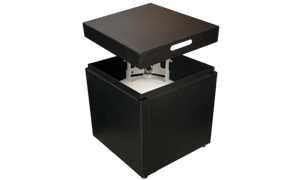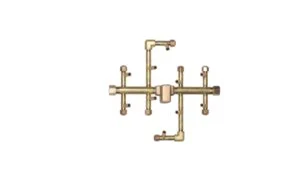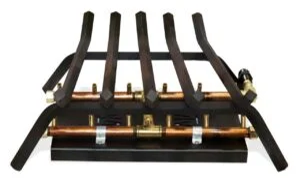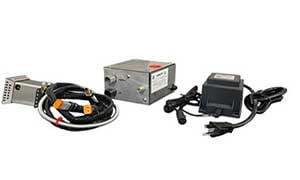
A fire bowl can look impeccably finished from the outside and still perform poorly if its burner system is undersized, improperly fueled, or not matched to the bowl’s interior. The best fire bowl burner kits create a full, balanced flame while respecting the practical requirements of a pool deck, patio, or custom landscape installation. For homeowners and trade professionals, that means looking beyond the burner ring alone.
A complete kit should support the way the feature will be used, the finish materials around it, and the installation conditions beneath it. The right choice delivers reliable ignition, correct gas flow, durable components, and a flame presentation that feels proportional to the fire bowl rather than lost inside it.
What Makes a Fire Bowl Burner Kit Worth Buying
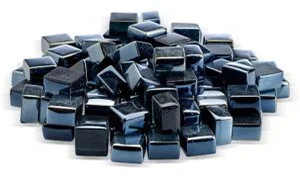
A burner kit is the operating core of a gas fire bowl. Depending on the configuration, it may include a stainless-steel burner, burner pan, gas connection, valve, ignition system, air mixer, and fittings. Decorative fire media, such as fire glass or lava rock, is often selected separately so the final look can be tailored to the project.
Premium installations benefit from treating these parts as a system. A high-output burner connected to an inadequate gas line will not produce its intended flame. An electronic ignition system may be an excellent choice for a built-in poolside feature, but it needs protected components, electrical planning, and service access. A simple match-lit setup has fewer parts, yet it requires the user to light and manage the flame manually.
The best kit is not always the one with the highest BTU rating or the most accessories. It is the one engineered around the bowl size, fuel type, desired flame height, control method, and site conditions.
Selecting the Best Fire Bowl Burner Kits by Application
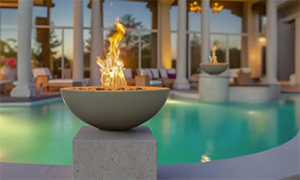
For poolside fire bowls
Pool environments place a higher demand on materials and planning. Moisture, splash exposure, chemical-treated water, and wind can all affect long-term performance. Stainless steel is the preferred burner material for these settings because it resists heat and corrosion better than ordinary steel. It is also wise to choose a burner configuration that keeps the flame comfortably within the bowl’s opening, especially where traffic moves near the water’s edge.
Electronic ignition is often a strong fit for poolside projects because the feature can be started from a switch, remote control, or compatible automation system. The trade-off is complexity. The installer must plan for electrical supply, correct drainage, weather protection, and access to the ignition components after the bowl is set in place.
For patios and entertainment areas
A patio fire bowl may call for a more dramatic flame and easier everyday operation. If the bowl is close to seating, scale matters. A burner that is too small can make a substantial bowl appear unfinished, while an oversized burner can produce more heat and flame movement than the seating layout comfortably allows.
For these spaces, the burner’s shape matters as much as its output. A round bowl usually pairs naturally with a round burner, while square and rectangular fire bowls are often better served by a square, H-style, or linear burner pattern. The goal is even flame coverage that follows the geometry of the feature.
For custom masonry or built-in surrounds
A burner kit installed in a built-in structure requires careful coordination with the fabricator, contractor, or pool builder. The enclosure must provide adequate ventilation, the gas components need an accessible shutoff, and the burner pan should sit at the correct height beneath the fire media. These details are not cosmetic. They affect ignition reliability, drainage, and future maintenance.
This is also where a properly sized pan becomes particularly valuable. A pan creates a finished surface beneath the media and can reduce the amount of fire glass required. It helps establish a clean, intentional reveal around the burner rather than leaving a deep cavity that consumes material and obscures the flame.
Match Fuel Type Before Choosing Flame Output
Natural gas and propane are not interchangeable without the correct burner configuration. Each fuel requires appropriate orifices and air-to-fuel mixing to burn properly. Ordering a burner designed for the available fuel source is essential for flame quality and safe operation.
Natural gas is common in permanent residential installations because it is supplied through a dedicated line and does not require tank replacement. It works well for larger fire bowls and frequently used outdoor features, provided the gas line has been correctly sized for the required BTU load.
Propane can be practical where natural gas is unavailable or where a feature needs more location flexibility. However, the tank placement, regulator, ventilation, and access for replacement all need to be considered before the fire bowl is installed. A concealed propane tank can preserve the visual presentation of the patio, but it must never be enclosed without the proper ventilation and code-compliant design.
Do not select output based on a product number alone. The stated BTU capacity is only meaningful when the fuel supply, line length, pipe diameter, and connected appliances can support it. A qualified gas professional can confirm whether the planned supply will deliver the pressure and volume the burner requires.
Burner Size, Pan Size, and Media Depth
Fire bowl proportions are where a high-end installation separates itself from a generic backyard feature. The burner should be sized to create a meaningful flame field while maintaining clearance from the inside edge of the bowl. That clearance gives the flame room to move and helps keep fire media positioned where it belongs.
The pan should fit the available opening, not simply the outside dimensions of the bowl. Measure the finished interior ledge, account for the support structure, and leave room for expansion and service access. A pan that is too large may bind against the enclosure. One that is too small can expose too much unfinished interior space around the media.
Fire glass depth also affects the result. Too little media can expose the burner and pan. Too much can restrict flame movement or bury burner ports, particularly with smaller glass sizes. The manufacturer’s recommendation should guide the final depth, and the media should be rated for use in gas fire features.
For a visually refined result, coordinate the fire glass color with the bowl finish, surrounding stone, pool tile, and hardware. Neutral reflective glass can amplify flame brightness, while darker tones create a more architectural appearance during the day. The best choice depends on whether the design calls for a focal point or a quieter complement to the landscape.
Choose an Ignition System That Fits How the Feature Will Be Used
Match-lit burners are straightforward and often cost-effective. The gas is opened manually and lit with a long lighter or match. They can suit smaller, less frequently used fire bowls where simple operation is preferred and the shutoff is conveniently located.
Push-button spark ignition adds a familiar grill-style starting method. It can be suitable for accessible fire features but still depends on a manual gas valve and proper lighting procedure.
Electronic ignition offers the most polished operating experience for integrated outdoor environments. It can provide flame sensing and automatic shutoff if the flame is lost, depending on the system selected. It is especially useful for fire bowls incorporated into pool and landscape controls, but it should be installed with attention to drainage, wiring protection, and future serviceability.
In premium projects, convenience should not eliminate access. An ignition module, gas valve, and electrical connections eventually need inspection or replacement. Plan an access panel or equipment location before stonework, tile, or decking is finalized.
Materials and Details That Protect Long-Term Performance
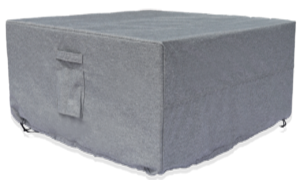
Stainless-steel burners and pans are a sensible starting point for outdoor fire features, particularly near pools. Look for clean welds, properly formed burner ports, and components intended for outdoor gas use. A burner cover is also a worthwhile accessory when the feature will be off for extended periods. It helps keep leaves, debris, and moisture out of the burner area while preserving the appearance of the fire media.
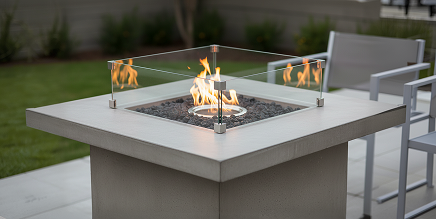
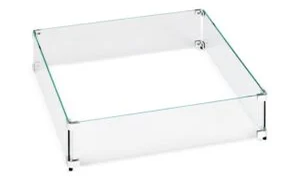
A flame guard can be valuable in breezier locations, though it should be sized and installed for the specific bowl. It can help define the fire feature visually and reduce wind disruption, but glass reflects heat and must be considered within the full burner and bowl design.
At USA Fire Bowls, the fire feature and burner system should be selected together whenever possible. A handcrafted aluminum bowl, durable burner components, and a burner layout matched to the bowl’s proportions create a more convincing finished result than treating the burner as an afterthought.
Installation Decisions That Should Not Be Left Until the End
Gas-fired outdoor features should be installed according to local code and manufacturer requirements by qualified professionals. The installation plan should account for gas shutoff placement, burner ventilation, electrical requirements for electronic ignition, drainage below the pan, and clearances from combustible materials.
For pool builders and landscape professionals, coordinate these details before the finish stage. For homeowners, ask for the burner specification early enough that the gas line, electrical conduit, and access points can be built into the project cleanly. Retrofitting a beautiful patio to correct an undersized gas line or inaccessible ignition module is costly and avoidable.
A fire bowl earns its place in an outdoor design when its flame looks intentional, starts reliably, and continues to perform season after season. Choose the burner kit with the same care you give the bowl finish, pool tile, and stonework, and the feature will feel like it belonged in the space from the beginning.