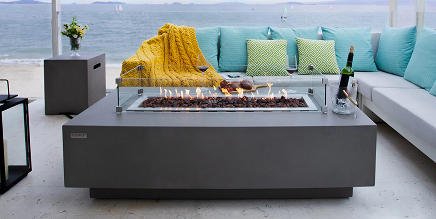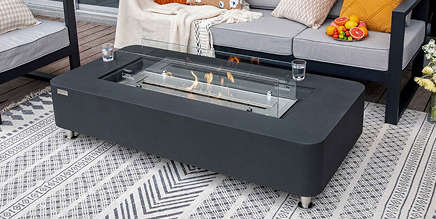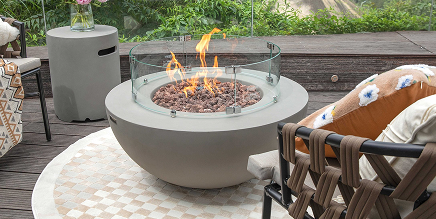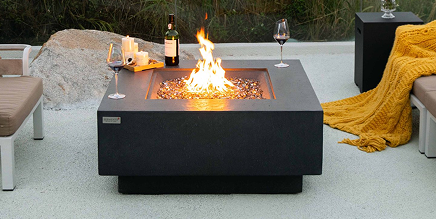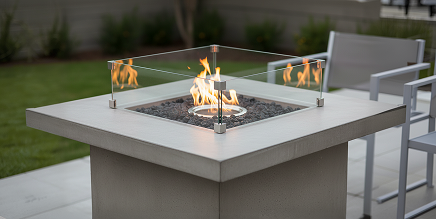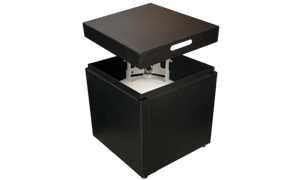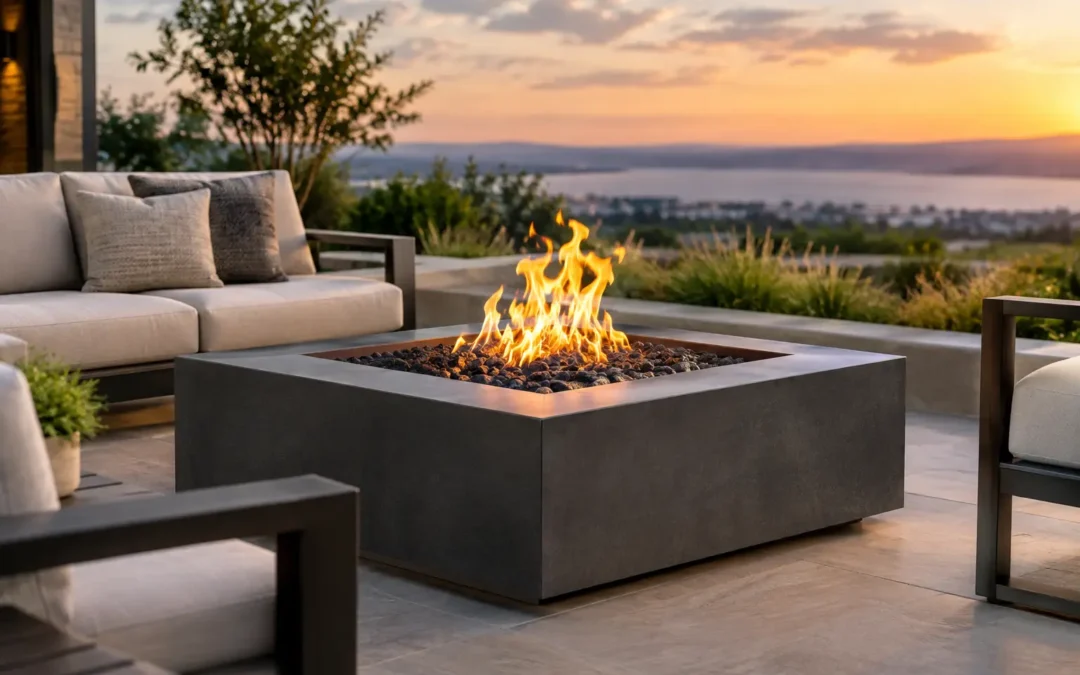
A square fire bowl does more than add warmth after sunset. It establishes a deliberate focal point, giving a pool shelf, patio wall, or hardscape courtyard the kind of visual structure that luxury outdoor spaces require. The best square fire bowls balance that strong geometry with dependable construction, a properly proportioned flame, and finishes that belong with the surrounding architecture rather than competing with it.
For homeowners, builders, and designers, the right choice is rarely about finding the largest bowl or the biggest flame. It is about selecting a fire feature that will look considered from every angle, hold up outdoors, and work comfortably within the layout of the space.
What Separates the Best Square Fire Bowls
Square bowls have a naturally architectural presence. Their straight lines echo pavers, coping, retaining walls, modern patio furniture, and rectilinear pool designs. Where a round bowl can soften a setting, a square profile adds definition. That makes it especially effective in contemporary, transitional, and resort-inspired landscapes.
The best square fire bowls are built around more than appearance. The bowl itself should be structurally suited to year-round exterior exposure, while the burner system should produce an even, controlled flame. Details such as the finish quality, burner material, drainage planning, media depth, and lid or cover options affect both the daily experience and the feature’s long-term condition.
A premium bowl also gives the project room to be specific. The right color can connect the fire feature to dark window frames, stucco, pool tile, stone veneer, or a custom outdoor kitchen. That level of coordination is difficult to achieve with generic, off-the-shelf fire décor.
Start With the Setting, Not the Bowl Size
A fire bowl should feel scaled to the area around it. On a large pool deck or broad terrace, a small bowl can disappear once furniture, planters, and people occupy the space. In a compact courtyard, an oversized feature can restrict circulation and make the seating zone feel crowded.
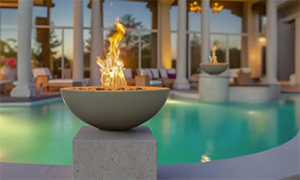
Before choosing a size, identify the bowl’s role. A pair of matching bowls at the corners of a pool creates symmetry and frames a long waterline. One larger bowl at the end of a view corridor can serve as a destination point. On a low wall near a lounge area, a modest square bowl may be all that is needed to create a warm evening atmosphere.
Consider viewing distance as carefully as footprint. A feature seen primarily from inside the home needs enough visual weight to register through glass. A bowl beside a seating group is experienced at close range, so the finish, media, and flame height become more noticeable. Square bowls often look best when their dimensions relate to nearby elements, such as the width of a planter, the modules of a paver pattern, or the proportions of a raised wall.
Pairing Bowls Around a Pool
Paired fire bowls can make a pool feel intentional and balanced, especially when placed at opposing corners, flanking an elevated spa, or punctuating a perimeter wall. Consistency matters. Matching bowl dimensions, finish, fire media, and burner style produce a composed result.
That does not mean every project needs symmetry. A single square bowl may be the better decision when the yard has a primary view axis or when one side of the pool carries more visual weight. The goal is to create balance across the entire landscape, not simply to repeat objects.
Choose Materials Built for Exterior Use
Material selection is where a fire bowl moves from decorative accessory to lasting outdoor feature. Aluminum is a strong choice for premium square bowls because it is lightweight relative to its strength and naturally resistant to corrosion. When paired with a quality powder-coated finish, it offers a clean, durable surface that suits poolside environments and varied climates.
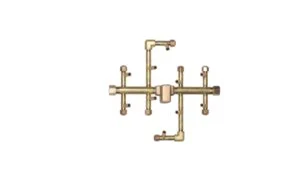
Stainless-steel burner components are equally important. The burner sits at the center of the system, exposed to heat, moisture, and outdoor debris. A well-made stainless-steel burner supports consistent flame distribution and helps the feature retain its performance over time.
The finish deserves more attention than it usually gets. Dark charcoal, matte black, bronze, warm gray, and custom color-matched options can each change the bowl’s relationship to the hardscape. A black bowl may sharpen a pale travertine deck. A warmer finish can complement natural stone or wood-toned furnishings. Custom color matching is particularly valuable when a designer is working from a defined material palette and wants the fire feature to feel integrated rather than added at the end.
Select the Right Fuel and Flame Experience
Natural gas and propane each have a place in outdoor fire bowl projects. Natural gas is often preferred for permanent installations because it provides continuous fuel through a properly installed gas line. It is practical for frequently used poolside features, entertaining areas, and multi-bowl layouts where refilling portable fuel sources would be inconvenient.
Propane can offer more flexibility where a gas line is not available or practical. It requires a thoughtful plan for tank placement and access, particularly in refined outdoor settings where visible equipment can undermine the design. The fuel source should be determined early, before construction makes routing gas lines or locating a concealed tank enclosure more difficult.
Flame height is not simply a matter of more being better. An oversized flame can feel harsh in a sheltered seating area, while a flame that is too low may not have enough presence across an expansive pool deck. Burner size, bowl dimensions, wind exposure, and the desired mood should work together. A broad, evenly distributed flame generally reads as more refined than a narrow, overly aggressive column of fire.
Fire Media Changes the Look
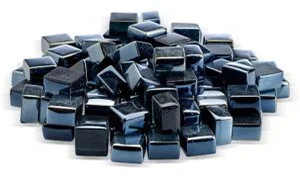
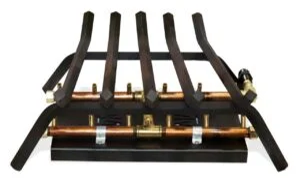
Fire glass is a popular choice for square bowls because its clean, reflective surface supports modern geometry. Black, clear, blue, bronze, and mixed tones each create a different effect as the flame moves across the burner. Media should complement the bowl finish and nearby materials, but it should not become visually busier than the space itself.
Lava rock offers a more natural, textured appearance and can work well in rustic or organic landscapes. The decision is aesthetic, but it also affects the bowl’s overall character. Crisp square forms with glossy fire glass feel tailored and contemporary. A square bowl with natural stone-oriented surroundings may benefit from a more subdued media choice.
Plan the Installation Before Ordering
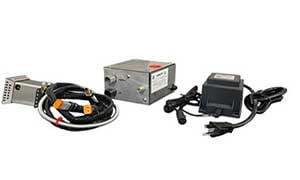
A beautiful fire bowl cannot compensate for an improvised installation. The supporting surface must be level, stable, and appropriate for the bowl’s weight and operating conditions. Gas connections should be handled by qualified professionals in accordance with local codes, and the feature must have proper clearance from structures, furnishings, vegetation, and overhead elements.
For pool and water-feature applications, coordinate the fire bowl with the pool builder and landscape contractor before finalizing plumbing, electrical work, coping, and wall caps. This is especially important for bowls installed on raised structures or integrated near water. The routing of gas lines, access for servicing, drainage, and the relationship between flame and splash zones should all be considered as part of the build, not treated as late-stage details.
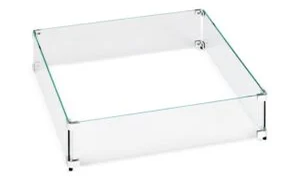
Wind also deserves a site-specific assessment. An exposed ridge, coastal yard, or open patio may benefit from a flame guard designed for the feature. A properly selected guard can help protect the flame from gusts while preserving the bowl’s clean appearance. It is not a substitute for sensible placement, but it can make a meaningful difference in real-world use.
Practical Details That Protect the Investment
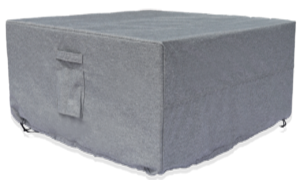
A fitted burner cover helps keep leaves, dust, and moisture away from the burner area when the bowl is not in use. A protective exterior cover adds another layer of defense during extended periods of rain, seasonal downtime, or construction activity nearby. These accessories are modest compared with the cost of the fire feature, yet they support a cleaner operating surface and a better-looking finish.
Regular care is straightforward. Remove debris before lighting, inspect fire media periodically, and follow the manufacturer’s operating guidance for ignition and shutoff. Do not use the bowl as a table when it is operating or while components remain hot. If a burner shows uneven flames, blocked ports, or signs of damage, address the issue before continued use.
For custom residential projects, USA Fire Bowls offers handcrafted square aluminum fire bowls that can be specified around the color, scale, and architectural direction of the space. That matters when the fire feature is expected to perform as a permanent design element rather than a temporary outdoor accessory.
Make the Fire Bowl Part of the Architecture
The most successful square fire bowl installations look inevitable, as though the patio, pool, and flame were designed together from the beginning. Give the bowl enough surrounding space to be seen, choose materials that support the climate and use pattern, and let its finish participate in the larger palette.
A well-proportioned square bowl brings order to an outdoor room during the day and a focused sense of occasion at night. When it is selected with the same care as stone, tile, and lighting, it becomes one of the details guests remember long after the evening ends.