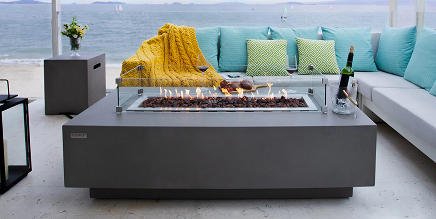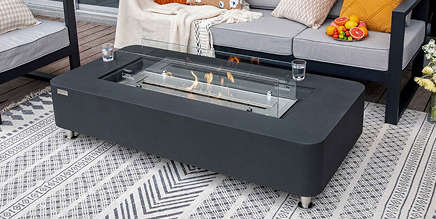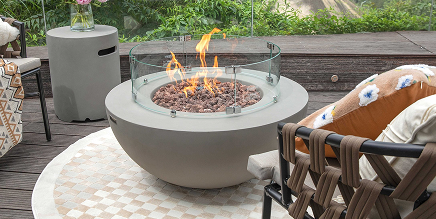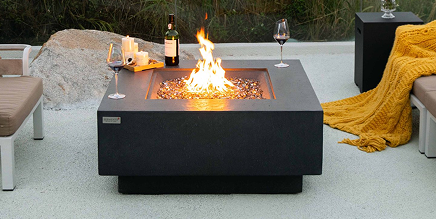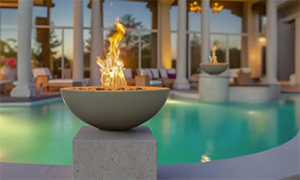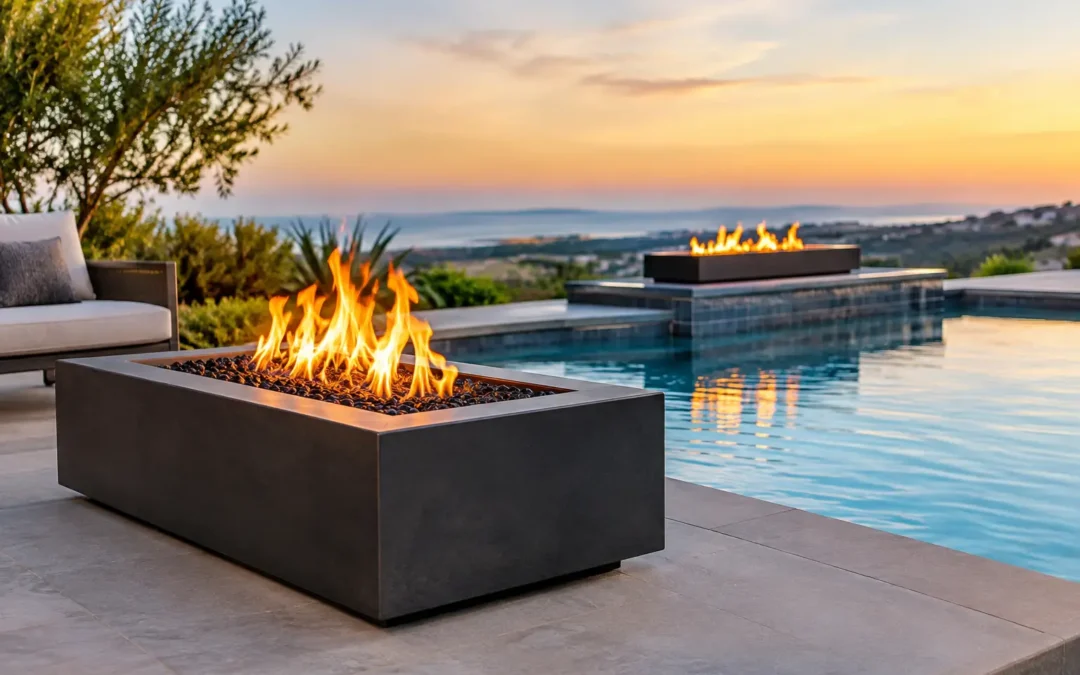
A fire bowl placed at the edge of a new pool can become the project’s defining detail – or its most expensive coordination problem. The difference is rarely the bowl alone. Successful contractor fire installations depend on decisions made well before the coping is set, the deck is poured, or the gas line is buried. For pool builders, landscape contractors, and homeowners managing a premium backyard project, fire features need to be treated as integrated architectural elements rather than accessories added at the end.
Start Fire Feature Planning Before Hardscape Work
A fire bowl has visual presence, but its installation involves far more than selecting a shape and finish. Fuel type, burner configuration, gas-line sizing, equipment access, drainage, clearances, structural support, and local requirements all need a place in the construction plan.
The most costly mistakes happen when a fire feature is chosen after the pool shell, decking, and planting layout are already underway. A contractor may then need to revise underground gas routing, open finished hardscape, or compromise the intended placement to reach a fuel source. Early coordination protects the design and the project schedule.
For a typical poolside installation, the fire feature location should be established alongside the pool layout, water-feature locations, electrical planning, and outdoor kitchen footprint. Confirm where the gas connection will emerge, where any control components will be located, and how service access will be maintained after the project is complete. A clean finished view should never come at the expense of an inaccessible valve, ignition component, or connection point.
Specify the Bowl for the Setting, Not Just the View
A large fire bowl can look dramatic in a showroom or product photo, but scale changes outdoors. A compact courtyard may call for a pair of proportionate square bowls that frame a spa. A broad pool deck may support larger features positioned on pedestals, raised walls, or pool columns. The right choice depends on viewing distance, surrounding architecture, and how people will move through the space.
Material quality matters just as much as proportion. Outdoor fire features remain exposed to moisture, heat, pool chemicals, sun, wind, and seasonal debris. Powder-coated aluminum bodies offer a refined appearance with a practical advantage: they are substantially lighter than many masonry or concrete alternatives and resist corrosion when properly built and maintained. Stainless-steel burners and internal components add another layer of long-term performance where heat and weather demand more from the installation.
Finish selection should support the broader palette instead of competing with it. A charcoal bowl can ground pale stone decking. A warm bronze or custom color may tie into exterior metalwork, tile accents, or architectural window frames. For design-driven projects, custom color matching is often the detail that makes a fire feature feel specified rather than simply placed.
USA Fire Bowls builds handcrafted aluminum fire bowls in Murrieta, California for this type of coordination, with square and rectangular forms that can be tailored to upscale pool and patio environments.
Contractor Fire Installations Need a Clear Fuel Strategy
Natural gas and propane can both create an exceptional flame presentation, but they require different planning. Natural gas is often the preferred option for permanent residential installations because it provides a continuous fuel supply. It also requires adequate supply capacity from the existing meter and properly planned underground routing to the feature location.
Propane may be appropriate where natural gas is unavailable or when site conditions make a permanent gas extension impractical. The trade-off is tank placement, refilling logistics, and the need to keep the fuel source thoughtfully concealed while remaining accessible. The tank should not become an afterthought in an otherwise polished outdoor plan.
Burner output, line length, total BTU demand, and other gas appliances all affect the fuel-system design. A property with a fire pit, outdoor kitchen, pool heater, spa heater, and multiple fire bowls may need a much more careful capacity review than a simple patio addition. The licensed gas professional should size and install the system according to the applicable local code and the fire feature manufacturer’s requirements. Contractors should avoid assuming that an existing stub-out is sufficient simply because it is nearby.
Manual and Electronic Ignition Affect the Experience
Ignition choice influences both budget and daily use. A manual system can be a straightforward fit for a feature that will be operated occasionally and supervised closely. Electronic ignition systems add convenience and can support remote operation or integration with pool automation, depending on the equipment selected.
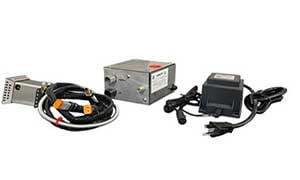
Electronic systems also introduce additional planning considerations. They may need electrical power, weather-protected component placement, accessible service areas, and coordination with the pool electrician or automation installer. The higher initial investment can be worthwhile for homeowners who expect frequent use and want the fire elements to operate as intentionally as the lighting and water features.
Build for Service Access, Drainage, and Real Weather
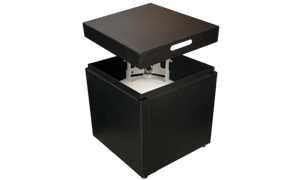
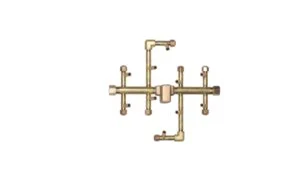
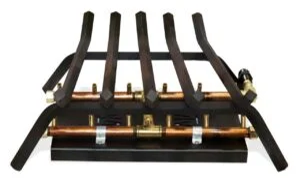
The visible bowl is only one part of a complete installation. Behind the finished flame are burners, connections, media, control components, and structural supports that must withstand outdoor conditions and still be reachable for inspection or maintenance.
Drainage deserves particular attention around pools, raised planters, and masonry columns. Water should not collect beneath the bowl or inside concealed cavities. Standing water can affect components, stain adjacent finishes, and create preventable service issues. The exact drainage approach depends on the construction method and site conditions, but the principle is consistent: water needs a deliberate path away from the feature.
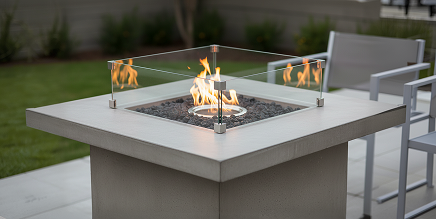
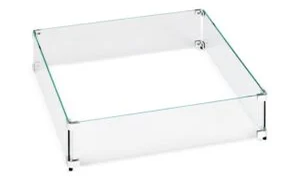
Wind exposure also changes performance. A dramatic open-air overlook may offer spectacular views, but frequent gusts can disrupt flame patterns and reduce comfort. Flame guards can improve performance in certain applications while adding a crisp visual boundary around the burner. They are not a universal answer, however. The feature’s location, burner design, and local conditions should guide the decision.
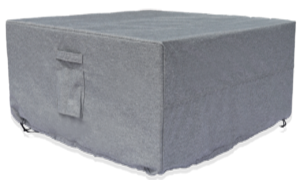
For projects in regions with freeze-thaw weather, winterization procedures and protective covers should be considered before installation. In warmer climates, UV exposure, dust, and poolside splash may be the larger concerns. A quality cover helps preserve the finish and keeps debris out of the burner area when the feature is not in use.
Coordinate Fire, Water, and Finish Materials Carefully
Fire and water create a compelling contrast, which is why fire bowls are so effective beside swimming pools and spas. But the visual relationship only works when the physical installation is equally considered. Placement should preserve comfortable circulation around the pool, avoid obstructing views from seating areas, and keep heat away from surfaces or materials not intended for it.
It is also wise to think beyond the daytime rendering. At night, the flame will reflect across water, glass, polished stone, and nearby windows. A bowl that appears centered from one angle may feel visually off-balance from the main lounge area or interior sightline. Review the placement from the home, the pool, the primary seating zone, and the approach into the backyard.
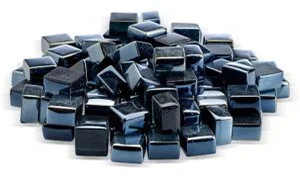
Fire media has a major effect on the final appearance. Fire glass can create a clean, contemporary look and offers color options that coordinate with tile or landscape finishes. The amount, size, and color of media should complement the flame rather than obscure it. Overfilling a burner pan may interfere with flame performance, while too little media can leave the installation looking unfinished.
A Pre-Installation Check That Prevents Rework
Before setting the bowl in its final location, the project team should verify the essentials together. This is especially valuable when the pool builder, hardscape crew, gas contractor, electrician, and landscape designer are working on overlapping schedules.
- Confirm the final model, fuel type, burner configuration, and ignition method.
- Verify that the supporting structure is level, stable, and sized for the selected bowl.
- Confirm gas capacity, line routing, shutoff access, and required testing with the licensed installer.
- Review drainage paths, electrical needs, and access for future service.
- Check clearances from structures, furnishings, plant material, and combustible finishes against manufacturer instructions and local requirements.
This short review is not administrative overhead. It is the point where a contractor protects the design intent from field surprises. It also gives homeowners confidence that the feature they approved will perform as beautifully as it looks.
Treat the Final Commissioning as Part of the Craft
Once installation is complete, the first light should not be rushed. The contractor or qualified installer should confirm proper operation, inspect the flame pattern, review the control process, and explain basic care to the homeowner. If the feature includes electronic ignition or automation, test it under normal operating conditions rather than assuming the connection is complete.
A premium fire feature earns its place by making the outdoor environment feel finished after sunset. Plan it early, install it with the same discipline given to the pool and hardscape, and the result will feel less like an added amenity and more like a permanent part of the home’s architecture.