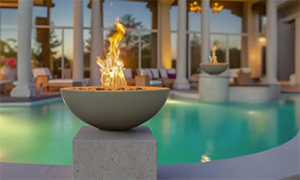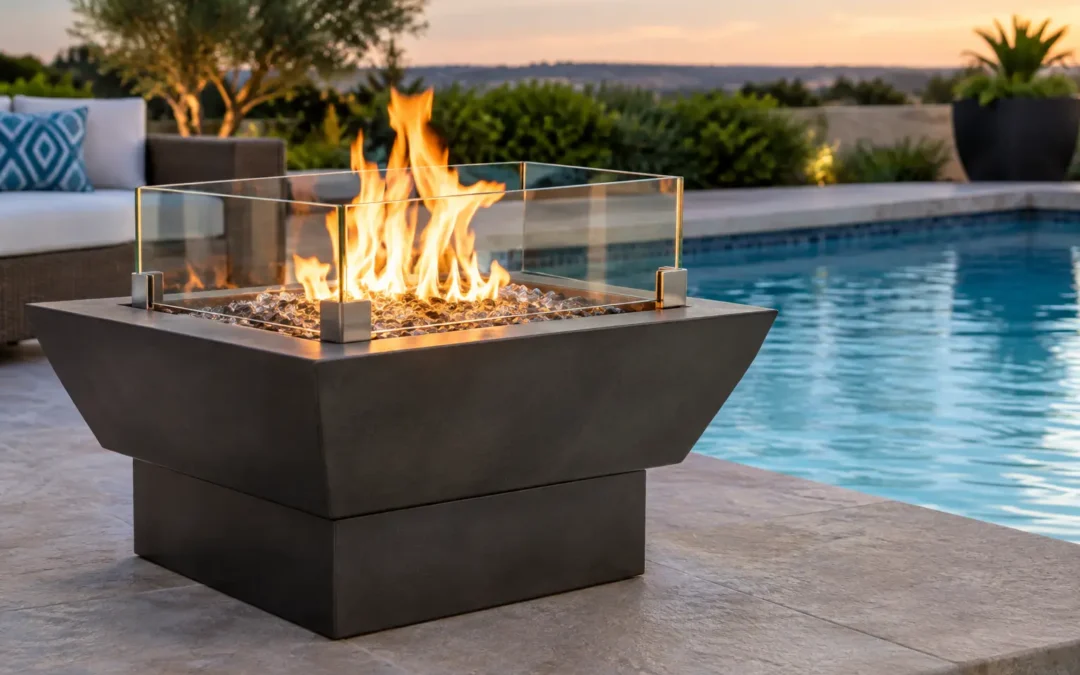
A fire bowl can be beautifully finished, precisely installed, and paired with the right fire media, yet still lose much of its impact when a crosswind pushes the flame sideways. That is the practical reason a fire bowl flame guard review matters. For pool patios and elevated outdoor living areas, a well-made glass wind guard does more than add a polished architectural detail. It helps preserve the flame presentation the fire feature was designed to deliver.
For homeowners, builders, and landscape professionals, the best flame guard is rarely the largest or the least expensive option. It is the one that fits the bowl, burner, media depth, and surrounding sightlines correctly. Here is what separates a worthwhile flame guard from a decorative accessory that creates more questions than value.
What a Flame Guard Actually Does
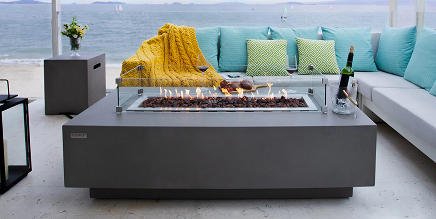
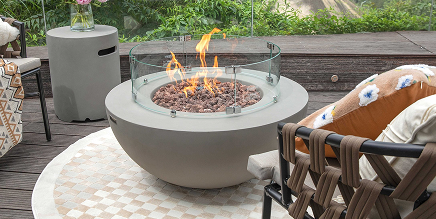
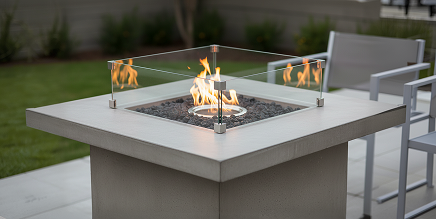
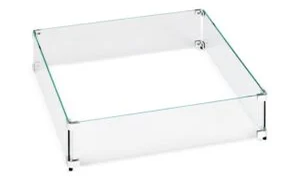
A flame guard, often called a wind guard or windscreen, is a frame-and-glass enclosure positioned around a fire bowl burner. Its primary job is to reduce direct wind exposure. By interrupting gusts before they reach the flame, the guard helps the fire burn more consistently and reduces the distracting flicker and flame lean that can occur on open patios, rooftops, and pool decks.
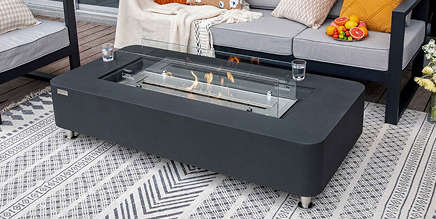
The visual benefit is equally significant. Clear glass establishes a clean perimeter around the burner without blocking the view of the flame. On a square or rectangle fire bowl, that crisp geometry can make the feature feel more intentional, particularly when the bowl is set against linear coping, contemporary pavers, or a structured pool design.
A flame guard is not a safety enclosure, nor does it make an operating fire feature safe to touch or eliminate the need for adult supervision. The glass and metal frame can become hot during operation. It should also never be treated as a substitute for proper gas installation, required clearances, or the operating guidance supplied with the burner and fire bowl.
Fire Bowl Flame Guard Review: What Matters Most
The strongest flame guards earn their place through material quality, precise fit, and proportion. Each factor affects how the guard looks after installation and how reliably it performs through changing weather.
Tempered glass is non-negotiable
The glass should be tempered and intended for use around an outdoor fire feature. Tempered glass is designed to handle the elevated temperatures and thermal changes associated with a properly installed fire bowl better than ordinary window glass. It also provides a cleaner, more substantial look than thin acrylic panels, which can scratch, haze, or feel out of place beside premium stone and metal finishes.
Glass thickness matters visually as well as structurally. A substantial panel reads as part of the fire feature rather than an afterthought. Edge finishing should be smooth, and corners should be protected by a stable frame or purpose-built hardware. If the glass shifts, rattles, or sits unevenly, the entire assembly can look unfinished.
The fit should follow the burner, not just the bowl
One of the most common selection mistakes is ordering a guard based only on the outside dimensions of the fire bowl. The relevant area is the burner pan and the usable surface surrounding it. A guard that is too small can crowd the fire media or interfere with burner access. One that is oversized may look disconnected from the flame and consume valuable tabletop space.
A properly sized guard creates a measured buffer around the burner while leaving room for the specified depth of fire glass or lava rock. It should sit level, remain stable, and allow the flame to rise freely without contacting the glass. Exact clearance requirements vary by burner design, BTU output, bowl configuration, and manufacturer instructions, so a standard measurement is not a responsible shortcut.
For custom projects, it is wise to confirm the finished burner opening, not just the dimensions shown on an early landscape plan. Coping thickness, tile overhangs, and fabricated bowl tolerances can all change the final available area.
Frame details determine long-term appearance
The frame is easy to overlook until it begins to discolor, loosen, or clash with the rest of the feature. Stainless steel hardware and corrosion-resistant construction are particularly valuable in exposed outdoor environments. This becomes more relevant near saltwater pools, coastal properties, and climates with frequent rain, where lesser materials can deteriorate quickly.
A minimal frame generally suits a contemporary fire bowl because it keeps attention on the flame. At the same time, the frame must provide enough rigidity to hold the glass securely. The best designs balance those two requirements rather than chasing an almost invisible look at the expense of stability.
Where a Flame Guard Delivers the Most Value
Wind guards are not equally necessary in every backyard. A sheltered courtyard with masonry walls, mature hedges, and a lower-output burner may have little wind disruption. In that setting, a guard can still add visual definition, but its performance value may be secondary.
The case is stronger around swimming pools, on broad open patios, at higher elevations, and in coastal or hillside settings. These areas often receive intermittent gusts that are strong enough to disturb a flame but not strong enough to send guests indoors. A guard helps maintain the calm, upright flame pattern that makes a fire bowl effective as an evening focal point.
There is also a practical advantage for entertaining. When flames stay more consistent, guests can sit around the feature without the repeated visual distraction of a flame bending sharply in one direction. That may sound minor, but high-end outdoor spaces are defined by these details. A well-composed fire feature should feel dependable, not temperamental.
The Trade-Offs to Consider Before Ordering
Glass wind guards are not automatically the right choice for every installation. They add height around the burner, which may alter the view from adjacent lounge chairs or from inside the home. On a low-profile bowl, a tall guard can create a more pronounced glass box than some homeowners expect.
They also require cleaning. Outdoor glass collects dust, water spots, pollen, and fingerprints. Poolside installations may need more frequent care because splashing and airborne minerals can leave residue. Regular cleaning with products appropriate for tempered glass keeps the panels clear and prevents buildup from diminishing the guard’s purpose.
Heat management deserves attention, too. A guard changes how heat and airflow behave around a burner. That is why the guard should be selected as a compatible component, not improvised from generic glass panels. Never reduce specified ventilation, block drain paths, crowd the burner, or alter a fire bowl in a way that conflicts with its installation instructions.
Finally, think about access. If the burner needs seasonal service, media adjustment, or cover placement, the guard should be straightforward to remove and reinstall without scratching the bowl finish or disturbing the surrounding fire glass.
Matching the Guard to a Premium Fire Bowl Design
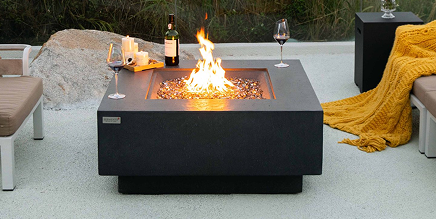
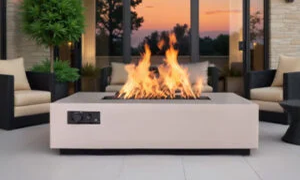
A flame guard should support the design language of the fire bowl. On a square aluminum bowl with a powder-coated finish, clear glass and restrained stainless hardware preserve a tailored, contemporary appearance. On a rectangle fire feature, the guard should reinforce the length of the burner instead of making the fire area appear fragmented.
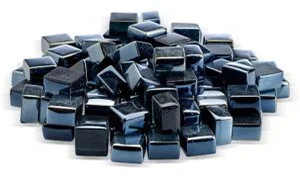
Color coordination is less about matching the glass and more about considering the bowl, burner pan, fire media, and surrounding hardscape as one composition. Reflective fire glass can heighten the flame’s presence beneath a clear guard, while a darker media selection can create a more restrained, architectural effect. Neither is inherently better. The right decision depends on whether the project calls for sparkle, contrast, or a quieter material palette.
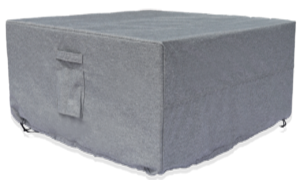
For trade professionals, specifying the guard alongside the fire bowl avoids late-stage compromises. It allows the team to coordinate the burner opening, finished dimensions, access plan, and cover requirements before the project reaches installation. USA Fire Bowls can be especially valuable in this process when a custom bowl or tailored finish is part of the design brief.
A Practical Buying Standard
A quality flame guard should arrive with cleanly finished tempered-glass panels, durable support hardware, dimensions appropriate to the actual burner area, and instructions that align with the specific fire feature. Avoid treating price alone as the deciding factor. A less expensive guard that fits poorly, uses questionable materials, or creates clearance concerns is not a value on a premium patio.
Before placing an order, confirm the burner manufacturer’s required clearances, measure the completed fire-bowl surface, account for media depth, and consider how the guard will look from the most frequently used seating areas. If the fire bowl is near a pool, plan for routine glass care and select hardware suited to the exposure conditions.
The right flame guard should disappear into the experience: clear glass, stable flame, clean lines, and an outdoor space that still looks composed when the wind picks up.