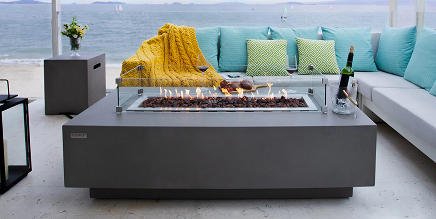
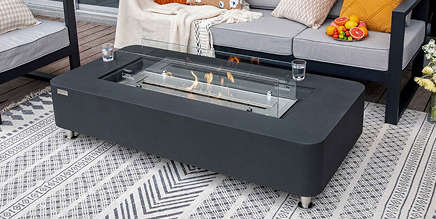
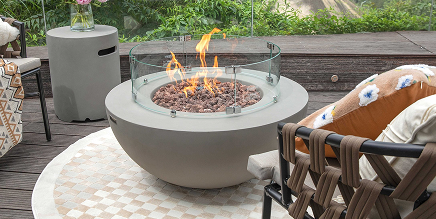
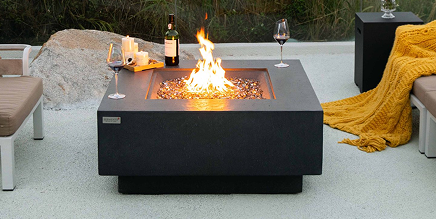
A fire bowl can look flawless in a product photo and still be the wrong choice for a pool deck, raised patio, or custom landscape plan. The specifications behind fire bowl ratings determine how the feature performs after installation: flame presence, fuel demand, weather resistance, safe clearances, and compatibility with the rest of the outdoor design.
For homeowners, those details protect a significant investment. For pool builders, landscape designers, and contractors, they help prevent the costly mismatch between a beautiful rendering and a fire feature that does not suit the site. A high-end fire bowl should be evaluated as a permanent architectural element, not as a portable backyard accessory.
What Fire Bowl Ratings Actually Tell You
The word “rating” can mean several things in the fire-feature category. It may refer to BTU output, a product safety listing, electrical ratings for an ignition system, or a manufacturer’s guidance on fuel type, installation location, and clearance. None should be considered alone.
BTUs are usually the first number buyers see. A British Thermal Unit measures heat output, but it also influences the visual character of the flame. A higher BTU burner generally supports a fuller, more substantial flame display, particularly in an open or breezy outdoor setting. It does not automatically mean the fire bowl is better. An oversized burner can overwhelm a small seating area, consume more fuel than expected, and create an effect that feels disproportionate to the bowl, patio, or pool.
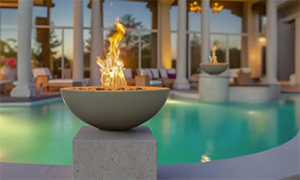
A moderate output may be the smarter choice for an intimate courtyard or a pair of bowls positioned near lounge seating. Larger fire bowls flanking a pool, defining the edge of a long patio, or serving as focal points across a wide outdoor room often benefit from greater output and a broader burner configuration. The right rating is tied to scale and placement, not simply maximum flame.
Safety listings matter just as much. When a fire bowl is evaluated by a recognized testing organization, the listing indicates that the complete system has been assessed for applicable performance and safety requirements. That is especially valuable on projects where local inspection, insurance requirements, or professional installation standards apply. Builders should verify that the rating applies to the fuel type and configuration being specified, rather than assuming one approval covers every field modification.
Start With the Fuel Source and BTU Requirement
Natural gas and propane can produce equally compelling fire features, but they place different demands on planning. Natural gas is a strong fit for permanent installations because it provides continuous fuel from a properly sized line. It is often preferred for pool environments and larger backyard projects where the fire bowls will be used regularly.
Propane offers flexibility where a natural gas line is unavailable, but the tank location, access for replacement, and fuel capacity need to be resolved before installation. A high-BTU propane fire feature may use fuel quickly during extended gatherings. Concealing the tank without compromising ventilation or service access is a design and safety consideration, not an afterthought.
A burner’s BTU rating should be checked against the available gas supply. The pipe size, run length, gas pressure, and number of gas appliances on the property can all affect whether the system receives adequate fuel. A flame that appears weak or uneven is not always a burner issue. In some cases, it is a supply issue created upstream.
This is where early coordination pays off. A pool builder or licensed gas professional can calculate the demand of the entire outdoor system, including fire bowls, fire pits, grills, heaters, and other gas appliances. Selecting the feature before the gas plan is finalized is far easier than altering hardscape after the fact.
Flame Appearance Is Not Just a BTU Number
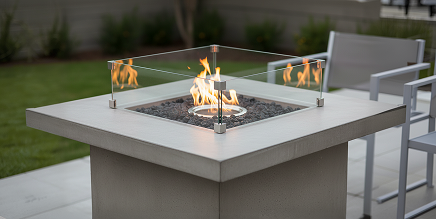
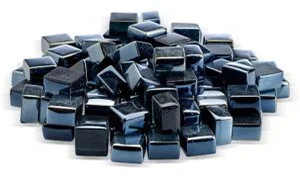
Fire media changes the way a rated burner looks in operation. Fire glass, lava rock, and other approved media influence flame distribution, reflected light, and the perceived depth of the fire opening. The media must be compatible with the burner and installed at the appropriate depth. Too much media can restrict flame performance; too little can leave the burner visually exposed.
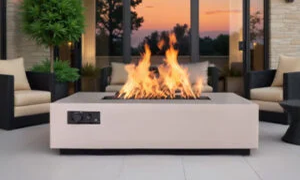
Burner shape matters as well. A square bowl with a square burner creates a deliberate, architectural flame pattern that echoes the vessel’s geometry. A linear burner in a rectangular feature draws the eye along a wall, waterline, or seating zone. For design-led projects, the relationship between the bowl opening, burner footprint, and media bed deserves as much attention as the stated BTU output.
Material Ratings and Construction Affect Long-Term Value
Outdoor fire features face heat, moisture, UV exposure, pool chemicals, windblown debris, and seasonal temperature shifts. A finish that looks refined on day one needs the construction beneath it to remain stable through years of use.
Handcrafted aluminum bowls offer a valuable balance of strength, corrosion resistance, and manageable weight. Powder coating adds a durable, design-forward finish and makes it possible to coordinate a bowl with exterior paint, stone, tile, or metal accents. For premium outdoor spaces, custom color matching can make the difference between a fire feature that merely occupies the patio and one that belongs to the architecture.
Stainless-steel burners and internal components are equally important. These parts are exposed to direct heat and the outdoor environment, so their quality affects ignition reliability, flame consistency, and service life. On poolside installations, salt air in coastal regions and splash exposure make material selection particularly consequential.
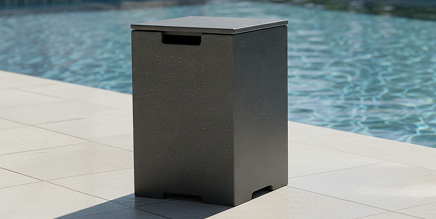
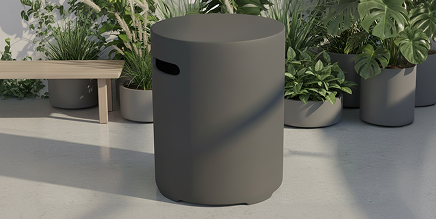
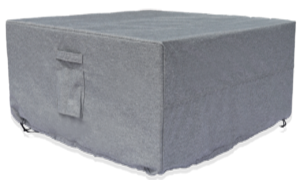
Do not confuse a weather-resistant exterior with a maintenance-free product. Protective covers help keep water, leaves, and dirt out of the fire-media bed and burner area when the feature is not in use. Regular inspection is still worthwhile, especially before the main entertaining season. A clean burner, unobstructed drainage, and dry ignition components contribute to dependable operation.
Installation Ratings Matter Most Near Pools
A fire bowl placed near water creates a dramatic visual contrast, but it also introduces site-specific installation requirements. Clearance from structures, overhead surfaces, landscaping, furniture, and circulation paths should be determined from the manufacturer’s instructions and applicable local codes. A beautiful pool coping detail is not a substitute for proper spacing.
The bowl must sit on a stable, level, noncombustible base engineered for its weight and the intended installation method. If the feature is installed on a pedestal, retaining wall, or raised planter, the supporting structure must accommodate the complete assembly, including fire media and any water associated with the surrounding environment.
Drainage deserves careful attention. Water entering a fire bowl can affect the burner, ignition system, and media. In a pool setting, splash patterns, rain runoff, and irrigation overspray should all be considered. Covers are helpful, but a sound installation plan anticipates water rather than relying solely on a cover to solve it.
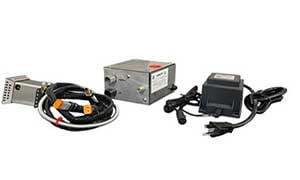
Electronic ignition systems add another layer of planning. Their ratings may involve voltage, weather protection, and transformer requirements. The controls should be accessible for servicing while remaining discreet within the overall design. For projects that include automation, coordinate the fire feature controls with the pool equipment and electrical plan early.
How to Compare Fire Bowl Ratings Before You Buy
The best comparison is not a spreadsheet of BTUs alone. Ask whether each fire bowl is designed for natural gas, propane, or both; whether its safety listing matches the planned configuration; whether the burner and ignition system suit the expected use; and whether the bowl materials fit the site conditions. Then compare those answers against the project’s visual goals.
A ready-to-ship bowl can be ideal when the design calls for a proven size and finish on a defined schedule. A custom bowl may be the better investment when the project requires a specific color, an uncommon dimension, or a precise alignment with tile, coping, and surrounding architectural lines. The premium choice is the one that reduces compromises during installation and still looks intentional years later.
USA Fire Bowls approaches this category as an outdoor design component, with handcrafted aluminum fire bowls, stainless-steel construction where it counts, and customization options suited to refined pool and patio environments. That perspective matters because the fire bowl is often viewed from inside the home, across the water, and from the primary entertaining area all at once.
Before placing an order, have the installer review the selected model’s specifications alongside the gas, electrical, structural, and clearance plan. A well-rated fire bowl is only as successful as the system supporting it. When the numbers, materials, and design are aligned, the result is not simply more heat outdoors. It is a lasting focal point that gives the entire space a stronger sense of occasion.