A fire feature can look perfectly proportioned from across the pool and still disappoint once it is lit. The usual cause is not the bowl, tile, or fire media. It is the burner. Selecting the right fire burners determines flame shape, heat output, ignition reliability, fuel efficiency, and how well the finished feature performs through years of outdoor use.
For a luxury poolscape or patio, a burner is not a generic replacement part. It is the working center of the fire feature. The right choice needs to suit the bowl or fire pit dimensions, the fuel source, the desired flame presentation, and the installation conditions. A burner that is undersized can look weak in a large architectural bowl. One that is oversized can create excessive heat, consume more fuel than necessary, and make a refined setting feel unruly.
What Fire Burners Actually Do
A fire burner distributes gas through a series of precisely placed ports, creating the flame pattern visible above fire glass, lava rock, or another approved media. In a premium fire bowl or fire pit, it must provide even coverage while remaining protected from weather, debris, and heat cycling.
The burner and the enclosure work as a system. The bowl conceals mechanical components and establishes the visual profile, while the burner produces the flame. A properly designed fire feature also includes appropriate ventilation, drainage, a burner pan where needed, compatible media, and a gas control system. Choosing a quality burner without accounting for these surrounding elements can still lead to poor performance.
For pool builders and landscape professionals, this distinction matters during specification. A clean, contemporary square bowl may call for a different burner configuration than a long rectangular fire feature installed along a patio wall. The goal is not simply to make fire. It is to create a controlled, balanced flame that supports the architecture around it.
Choose the Burner Shape Before the Flame Height
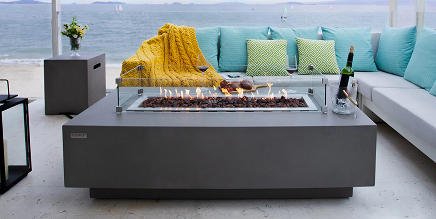
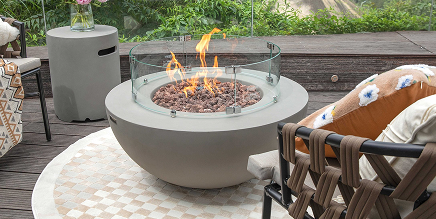
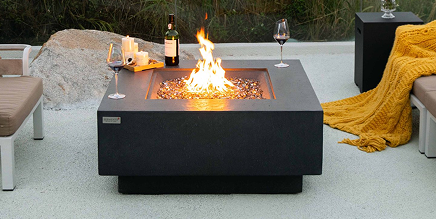
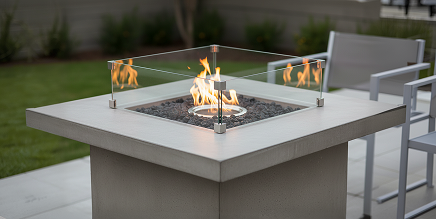
Burner shape should follow the geometry of the fire feature. Round burners naturally complement circular bowls, while square and rectangular burners create a more deliberate, architectural flame pattern for modern patios, raised planters, and poolside walls.
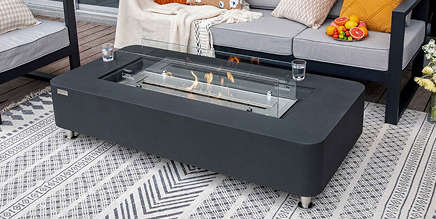
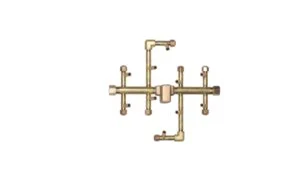
A square burner generally leaves a visible bed of fire media around its perimeter, helping the flame feel centered within a square bowl. A rectangular burner can create a linear ribbon of fire that echoes the lines of a long coping edge, outdoor kitchen, or seating wall. H-style burners are often used in larger rectangular applications because their internal crossbar helps distribute flame through the center rather than limiting it to the outer edge.
Do not select a burner solely by matching its outside dimensions to the opening. It needs adequate clearance from the interior walls of the fire feature. This space supports proper airflow, allows the media to frame the flame, and reduces the risk of excessive heat concentrating at the enclosure. The appropriate clearance depends on the burner design, fire media depth, and manufacturer specifications, so it should be confirmed before fabrication or installation.
Size for Proportion, Not Maximum Output
A larger burner is not always better. An oversized burner can produce a flame that overwhelms the bowl, creates uncomfortable radiant heat near seating, and burns through fuel quickly. It may also make it difficult to maintain an elegant, consistent appearance when wind conditions change.
Conversely, a burner that is too small can leave a wide, inactive field of fire glass and make a substantial bowl appear underpowered. In many high-end projects, the most compelling result comes from a burner that creates enough flame to establish presence without turning the feature into a source of glare or excessive heat.
Consider the viewing distance as well. A feature at the far end of a pool needs enough scale to remain visually distinct, particularly after sunset. A tabletop bowl or a fire feature beside a dining area may benefit from a more restrained flame. These are design decisions as much as technical ones.
Material Matters in Outdoor Fire Burners
Outdoor burners are exposed to heat, moisture, pool chemicals, windblown debris, and seasonal weather. Material quality directly affects longevity and appearance. Stainless steel is a preferred choice for burner construction because it handles high temperatures and offers strong corrosion resistance in exterior applications.
Not all stainless steel is identical. The right grade depends on the environment and the burner design. Projects near the coast, or properties where salt air is a concern, often demand extra attention to corrosion resistance. Poolside installations also require thoughtful material selection because airborne chemicals and splashing water can be hard on lesser components over time.
The burner should be paired with an enclosure built for outdoor duty. Handcrafted aluminum fire bowls with durable powder-coated finishes offer a practical balance of refined appearance, manageable weight, and resistance to rust. At USA Fire Bowls, this combination of powder-coated aluminum bodies and stainless-steel fire components is designed for discerning residential spaces where finish quality matters as much as flame performance.
Natural Gas or Propane Changes the Specification
Fuel type affects burner setup, gas supply requirements, and the overall installation plan. Natural gas is a practical choice for many permanent pool and patio features because it is supplied through a fixed line. Once properly installed, it eliminates the need to replace or conceal portable fuel tanks.
Propane can be a strong solution where a natural gas connection is unavailable or where the project requires more flexibility. It does, however, require a safe and accessible location for the tank, along with a correctly sized regulator and gas components designed specifically for propane. A propane burner should never be treated as interchangeable with a natural gas burner.
Both fuels can create beautiful flame displays when the system is properly matched. What matters is that the burner, valve, regulator, ignition system, and gas line are engineered for the same fuel type and required BTU output. Conversions should be handled only with approved components and by qualified professionals.
Match BTU Capacity to the Gas Supply
BTU capacity is often discussed as a measure of flame size, but it is also a measure of demand placed on the gas system. A burner may be capable of a certain output on paper, yet underperform if the gas line is undersized, the run is too long, or the supply pressure is inadequate.
This is particularly relevant on projects with multiple fire bowls, a fire pit, heaters, and an outdoor kitchen sharing one gas source. The complete load should be calculated before components are selected. A licensed gas professional can verify line sizing, pressure, shutoff placement, and local code requirements. That planning protects both the flame presentation and the safety of the installation.
Ignition Should Fit How the Feature Will Be Used
The ignition system influences convenience, service needs, and project budget. A manual match-lit setup is straightforward and can suit installations where simplicity is the priority. It requires the user to open the gas and light the burner manually, which makes it less convenient for many homeowners but keeps the mechanical system relatively simple.
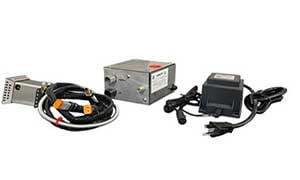
Electronic ignition offers a more polished ownership experience. Depending on the system, it may provide flame sensing, automatic relight, remote operation, wall-switch control, or integration with home automation. These systems are especially well suited to fire bowls positioned around a pool, where convenient control from the patio or inside the home adds real value.
The trade-off is complexity. Electronic systems require electrical planning, protected component placement, and access for future service. In wet environments, ignition equipment must be installed according to its rating and manufacturer instructions. A sophisticated control system is worthwhile when it is specified thoughtfully, not added as an afterthought.
Fire Media Is Part of Burner Performance
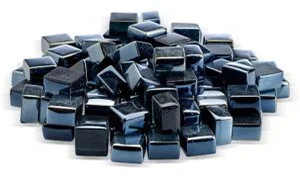
Fire glass is often selected for color and sparkle, but it also affects how the burner performs. The media should be approved for use with gas fire features and installed at the proper depth. Too little media can expose the burner and reduce the finished look. Too much can restrict airflow, trap heat, and interfere with flame distribution.
A common approach is to use a base layer of lava rock where appropriate, then finish with decorative fire glass. This can help manage cost in deeper fire pans while preserving the visual impact at the surface. The exact approach depends on the burner system and should always follow its installation guidance.
Avoid using ordinary decorative glass, river rock, or materials not rated for high heat. They can crack, pop, discolor, or create unsafe conditions. Premium fire media is a visible finish, but it is also a functional component of the fire feature.
Installation Details That Protect the Investment
A beautiful burner cannot overcome a poorly planned installation. Drainage is essential for any outdoor fire bowl or pit, especially near a swimming pool. Water must have a path out of the enclosure so it does not collect around gas components or beneath the burner pan.
Ventilation is equally important, particularly for propane installations. Propane is heavier than air, so an enclosure needs correctly placed vents that allow gas to escape rather than accumulate. Natural gas systems also require proper ventilation and adherence to applicable codes.
Access should be planned from the beginning. Valves, ignition modules, and serviceable components should not be permanently buried behind stonework or inaccessible beneath a finished deck. A discreet access panel can preserve the design while making inspection and maintenance far easier.
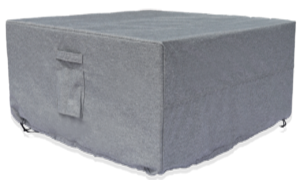
Before the feature is put into service, a qualified installer should test all connections, verify ignition operation, inspect flame appearance, and confirm that the burner is set up for the intended fuel. Regular cleaning, keeping burner ports clear, and using a protective cover during extended periods of nonuse will help preserve performance.
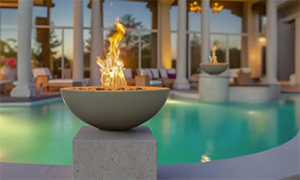
The best fire burners disappear into the experience: a clean line of flame reflected across water, a warm focal point beside the terrace, and a feature that lights reliably when the evening begins. Specify the burner with the same care given to stone, tile, and lighting, and the result will feel intentional long after the first fire is lit.