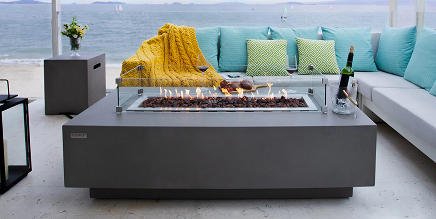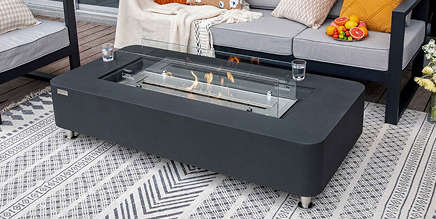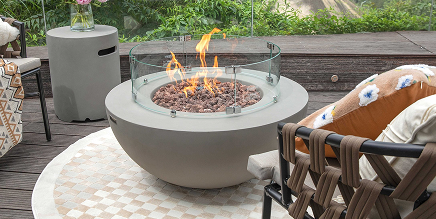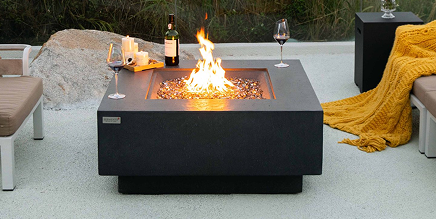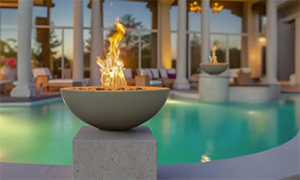
A fire bowl can elevate an outdoor space in a single evening, but exposure never takes a night off. Sun, rain, pool chemicals, windblown debris, and winter moisture all work against the finish, burner, and ignition components. If you want to know how to protect outdoor fire bowls the right way, the answer is not one product or one habit. It is a combination of material awareness, smart placement, routine maintenance, and the right protective accessories.
For homeowners investing in a refined poolscape or patio, protection is about more than extending product life. It also preserves the visual standard of the space. A fire feature should look intentional and well-kept, not faded, stained, or uneven from preventable wear.
How to protect outdoor fire bowls from the start
The easiest time to protect a fire bowl is before weather and use begin to leave a mark. Material choice matters first. Well-built outdoor fire bowls made from durable metals such as aluminum and stainless steel generally offer better resistance to rust and long-term exposure than lower-grade alternatives, but even premium construction benefits from proper care.
Placement matters just as much. A bowl installed where sprinklers regularly hit it, where roof runoff pours onto it, or where pool water splashes it every day will age faster than one positioned with drainage and exposure in mind. This does not mean fire bowls cannot live near pools or in open-air environments. It means the surrounding design should account for constant moisture, chemical exposure, and debris accumulation.
If you are planning a new installation, think beyond appearance. Ask whether water can collect in or around the bowl, whether nearby trees will drop heavy debris, and whether prevailing wind will push rain or ash where it should not go. Protection starts with site decisions that reduce stress on the unit before maintenance is even part of the picture.
Covers are essential, but only when used correctly
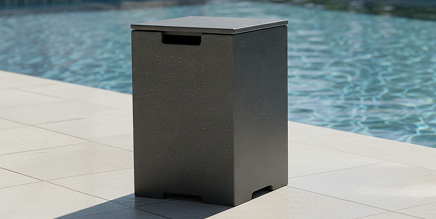
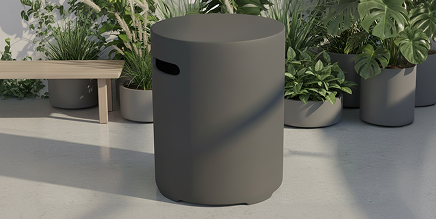
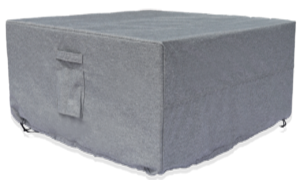
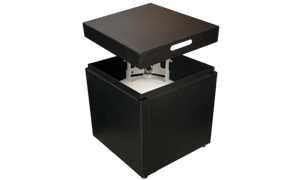
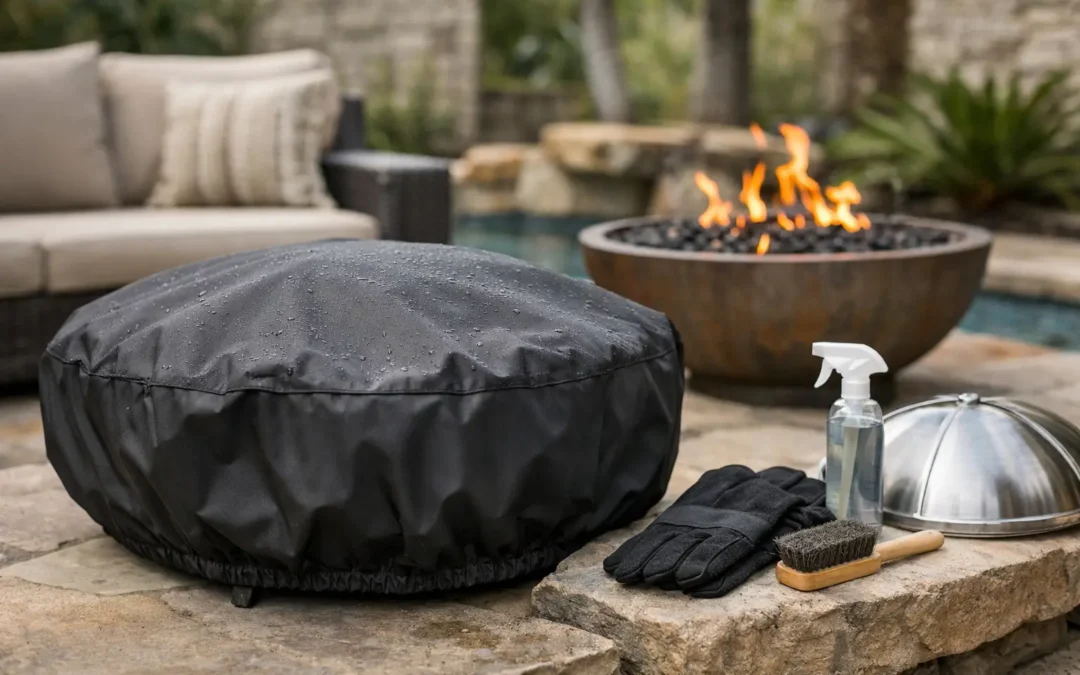
A proper cover is one of the most effective ways to protect a fire bowl, especially when the feature is not in frequent use. It shields the bowl from direct rain, UV exposure, leaves, dust, and airborne contaminants that can settle into burner ports and ignition areas. Snow is when to use a cover.
That said, not every cover helps equally. A poorly fitted cover can trap moisture, rub against the finish, or blow loose in high wind. The goal is protection without creating a damp microclimate underneath. A well-designed cover should fit securely, allow practical handling, and be used on a clean, cool fire bowl.
Putting a cover over a dirty bowl is a common mistake. If dust, leaves, or moisture are already sitting on the surface, the cover can hold those materials against the finish. Over time, that can lead to staining, discoloration, or unnecessary wear. Before covering the bowl, remove loose debris and make sure the unit is fully dry.
For properties in coastal areas or regions with frequent rain, consistent cover use becomes even more valuable. Salt air, humidity, and repeated wet-dry cycles can be hard on exposed metal finishes, even when the underlying structure is well made.
Keep water out of the burner system
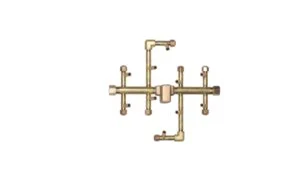
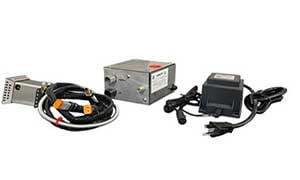
One of the most overlooked parts of protecting a fire bowl is preventing water from sitting where it should not. The exterior finish gets most of the attention, but burner systems, ignition components, and gas connections also need protection.
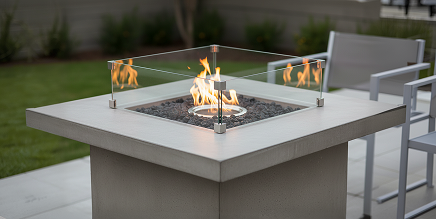
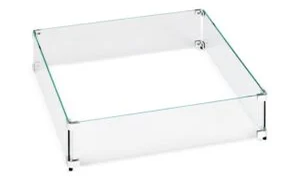
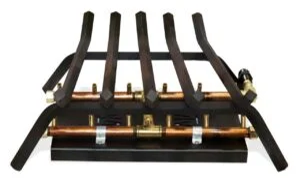
Standing water inside the burner pan or around the ignition system can lead to poor performance, delayed ignition, corrosion, and maintenance issues that are far more frustrating than surface cleanup. This is why drainage and burner covers matter. If your bowl includes a burner cover, use it when the unit is off and cool. It helps limit direct exposure to rain and debris inside the fire area.
Drainage design also deserves a close look. If the bowl is installed in a way that allows water to pool, no surface cover can solve the problem completely. The installation should support runoff rather than trap it. Trade professionals usually account for this early, but homeowners should still confirm that the fire feature is not acting like a catch basin after every storm.
Clean with restraint, not harshness
A premium fire bowl does not need aggressive cleaning. In fact, overcleaning with the wrong tools can do more damage than normal outdoor exposure. Abrasive pads, harsh chemicals, and metal brushes can scratch finishes, strip coatings, or dull the refined look that makes the feature part of a high-end outdoor design.
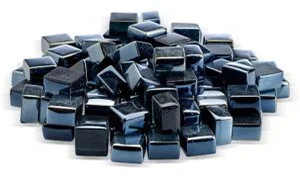
Routine cleaning is usually straightforward. Remove leaves, ash, and surface debris regularly. Wipe exterior surfaces with a soft cloth and a mild cleaner appropriate for the bowl’s finish. If the feature uses fire glass, inspect it periodically and clear out dirt or organic debris that may affect appearance or burner performance.
The key is consistency. Light, regular care prevents buildup that later requires more forceful cleaning. That is especially important in pool environments, where mineral deposits, chlorine residue, and water spotting can develop gradually. A gentle maintenance routine protects both appearance and performance without wearing down the materials.
Pay attention to surrounding conditions
Outdoor fire bowls do not exist in isolation. The environment around them often determines how much protection they need. A bowl near a saltwater pool may face different challenges than one on a covered patio in a dry climate. A heavily landscaped yard with falling leaves and irrigation overspray creates a different maintenance profile than a minimalist hardscape.
This is where protection becomes less about rules and more about matching care to the setting. If the fire bowl is close to the pool edge, clean away splash residue more often. If the property has dense planting nearby, check the burner area for debris before each use. If winters are wet, make sure the bowl is covered consistently and inspected after storms.
Design-conscious homeowners and builders often focus on how the bowl complements stone, tile, and hardscape finishes. That visual integration matters, but it also means the fire feature should be protected in a way that preserves the full composition. A weathered or dirty bowl can pull down the look of an otherwise polished outdoor space.
Seasonal care makes a difference
Protection should shift with the calendar. During high-use seasons, the focus is usually on cleaning, covering between uses, and keeping the burner area clear. During off-seasons or extended periods of non-use, the priority becomes more preventive.
If the bowl will sit unused for weeks or months, inspect it carefully before storing it under a cover. Make sure the interior is dry, the burner area is clean, and any protective accessories are in place. In freeze-prone climates, trapped moisture can become a bigger concern, so drainage and dryness matter even more.
Seasonal inspections are also the right time to look for small issues before they become expensive ones. Check for finish wear, loose components, ignition problems, or signs of corrosion around hardware and connections. A premium fire feature should age well, but like any outdoor architectural element, it benefits from periodic attention.
Protection and appearance should work together
Some owners treat protection as purely functional, but with outdoor fire bowls, the best protection strategy also supports the design intent. Accessories should fit cleanly. Covers should protect without looking sloppy when in place. Cleaning methods should preserve finish quality, not just remove dirt.
This is especially true in luxury backyards where the fire bowl is part of a larger visual plan. Custom color matching, coordinated finishes, and carefully selected materials deserve maintenance that respects those decisions. Protection is not separate from aesthetics. It is part of preserving them.
For trade professionals, this matters for another reason. Clients notice whether a feature still looks exceptional a year after installation. Specifying a well-crafted unit is only part of the job. Helping the owner understand proper protection supports long-term satisfaction with the project.
When to step in before damage spreads
Not every issue can be solved with routine care. If you notice repeated ignition trouble, unusual burner performance, visible corrosion, or finish deterioration that goes beyond surface dirt, it is worth addressing early. Waiting often turns a small fix into a more visible or more expensive problem.
This is one reason specialized fire feature manufacturers tend to offer a stronger ownership experience than generic outdoor decor brands. Better materials and build quality provide a stronger starting point, but clear accessory compatibility and installation guidance also make protection easier to manage over time.
A well-made fire bowl is built for outdoor living, but exposure still needs to be managed. Treat it like a permanent design element rather than a disposable accessory, and it will continue to deliver the visual impact, reliability, and finish quality that made it worth choosing in the first place.
The best protection plan is usually the simplest one you will actually keep up with: smart placement, regular light cleaning, a proper cover, and quick attention when something looks off.