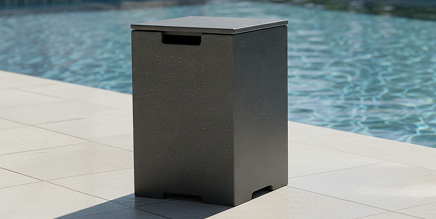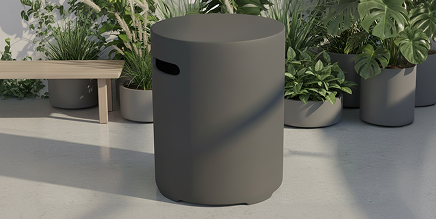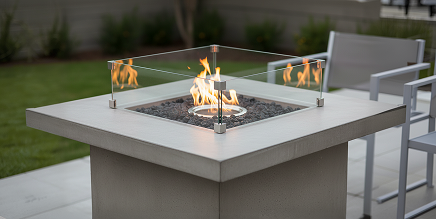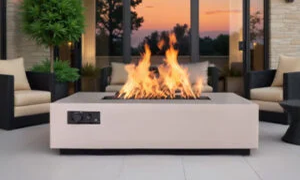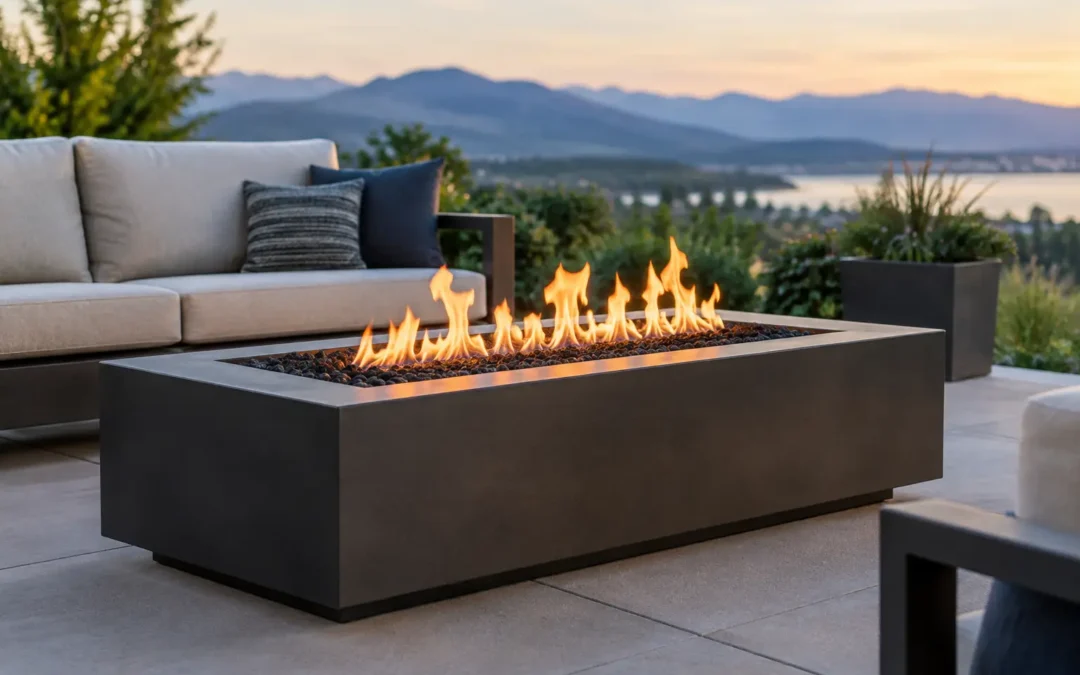
A fire bowl should look as though it was specified with the pool, patio, and landscape from the first design meeting. The right proportions, finish, flame presentation, and components turn a functional fire feature into an architectural focal point. This outdoor fire bowl customization guide focuses on the decisions that create that result – and the details that can make an otherwise beautiful installation feel mismatched.
For homeowners, the objective is a backyard that feels considered long after the project is complete. For pool builders, landscape designers, and contractors, it is also about specifying a feature that installs cleanly, performs reliably, and supports the visual standard of the entire project.
Start With the Setting, Not the Bowl
A fire bowl is rarely viewed by itself. It is viewed against waterline tile, coping, decking, landscaping, exterior paint, and the reflection of a pool after dark. Before choosing a size or color, identify the strongest materials and sightlines in the space.
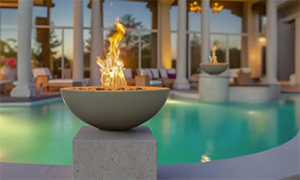
A pair of square bowls flanking a raised spa has a different job than one large bowl at the end of a pool axis. The first creates balance and repetition. The second provides a destination and a focal point. On a compact patio, a tabletop bowl may be more appropriate than a large pedestal feature that consumes usable circulation space.
Consider where people will see the flame most often: from inside the home, from lounge chairs, across the pool, or while seated at an outdoor dining area. That perspective should guide the bowl’s placement, height, and scale. A fire feature can be visually substantial without being oversized, but it should never appear undersized against a large pool deck or tall retaining wall.
Choose a Shape and Size That Belong Together
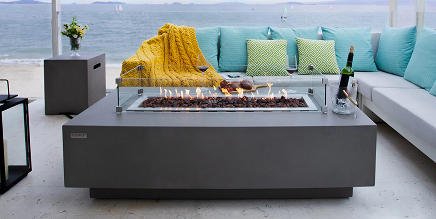
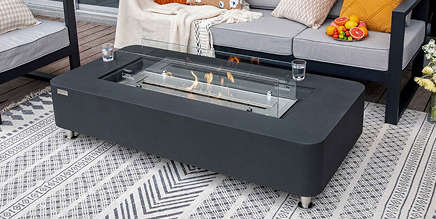
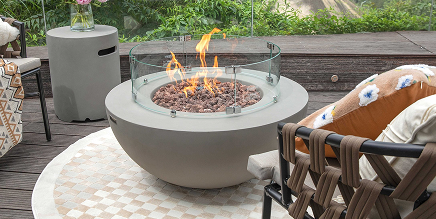
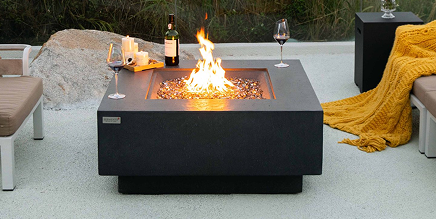
Square fire bowls are especially effective when the surrounding architecture relies on clean geometry. They coordinate naturally with rectilinear pools, paver grids, modern retaining walls, and structured planting plans. Rectangle fire features can carry the eye along a long wall or pool edge, while a round profile can soften a landscape with more organic lines.
Size should be tied to both viewing distance and surrounding mass. A bowl that looks generous from ten feet away may disappear when viewed from the opposite end of a large pool. Conversely, a deep, wide bowl positioned close to a seating area can become visually heavy and produce more heat than the setting calls for.
Height matters just as much. A taller pedestal bowl reads more formally and gives the flame greater visibility over planting or furniture. A lower bowl can feel more relaxed and integrated into a terrace. Near a pool, the waterline and coping height offer useful reference points. The feature should feel intentionally related to those horizontal lines rather than accidentally competing with them.
Select Materials Built for Outdoor Exposure
Premium fire bowls need more than an attractive exterior. They need construction that stands up to heat, weather, and the realities of an outdoor installation. Handcrafted aluminum bowls offer a strong balance of durability and manageable weight, while stainless-steel burner components are selected for their resistance to outdoor conditions and repeated use.
Material selection is particularly important around swimming pools. Salt air, splash zones, irrigation overspray, and cleaning chemicals can all affect finishes and components over time. A properly specified bowl, burner, pan, and drainage approach gives the project a better foundation than a decorative piece designed primarily for occasional patio use.
The trade-off is straightforward: premium materials and construction cost more upfront, but they support a cleaner appearance and longer service life in demanding environments. For a permanent poolside installation, that difference is usually visible well beyond the first season.
Match the Finish to the Architecture
Color is one of the most powerful customization choices because it determines whether the bowl recedes into the design or becomes a deliberate accent. Powder-coated finishes can complement dark window frames, bronze fixtures, charcoal coping, light stucco, or the warm tones of natural stone. Custom color matching is particularly valuable when the project includes a distinctive tile, metal, or painted architectural detail that generic finishes cannot address.
A tonal approach creates restraint. For example, a matte black or deep bronze fire bowl can visually connect with dark-framed doors and outdoor lighting without taking attention away from the water. A contrasting finish can be equally successful when used with purpose, such as a crisp light bowl against a dark modern wall or a warm metallic tone beside cool gray stone.
Finish selection should account for sunlight, too. Dark colors can appear more dramatic at night but may show dust or mineral residue more readily in bright, exposed areas. Lighter colors can feel less imposing in a small yard, although they may require thoughtful coordination with the rest of the palette. Requesting a finish that relates to a known project material is often more reliable than choosing by a screen image alone.
Define the Flame With Fuel and Fire Media
The flame is the reason the bowl exists, so its presentation deserves the same attention as the exterior. Natural gas and propane each have practical advantages. Natural gas is often preferred for a permanent installation with an available line because it offers continuous supply and everyday convenience. Propane can suit locations where a gas line is impractical, provided the tank placement, access, and enclosure are planned from the beginning.
Fuel choice affects burner configuration, gas sizing, and installation requirements. It should be decided early with the contractor or licensed gas professional, not after the bowl has been selected. Local codes, required shutoff locations, and the intended BTU output all influence the final system.
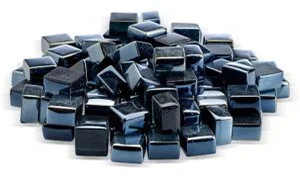
Fire glass changes the character of the flame bed. Reflective glass can create a sharper, more contemporary appearance and amplify light after sunset. Darker media tends to look more restrained and architectural, while lighter or warmer blends can add contrast against a dark bowl interior. The best choice depends on the desired mood and how much visual activity the project already has in its tile and stonework.
Avoid treating fire media as an afterthought. The color, size, and depth of the media influence how the burner disappears when off and how the flame reads when lit. A refined installation looks composed in both states.
Plan Components and Accessories Early
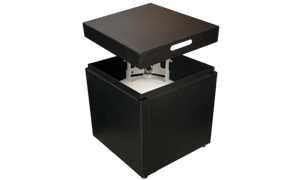
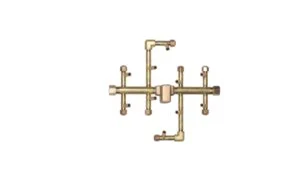
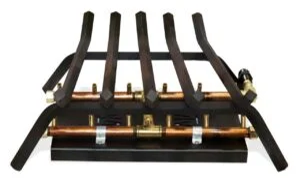
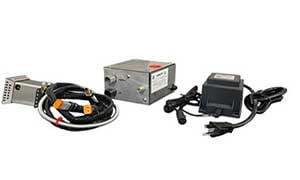
A customized fire bowl is a system, not just a vessel. Burner pans, burners, ignition options, drainage, flame guards, burner covers, and protective covers all play a role in performance and long-term appearance. Choosing them after the site is built can create unnecessary compromises.
Electronic ignition may be appropriate for projects where convenience and controlled operation are priorities. A manual system can be a practical option for simpler applications. The right answer depends on the owner’s expectations, the number of features being controlled, electrical access, and the operating plan for the space.
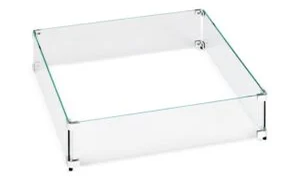
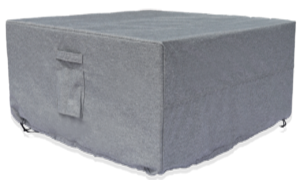
Wind exposure deserves special attention. An open hillside, coastal property, or elevated deck may need flame guards to help maintain a more consistent flame and protect the burner area. A burner cover protects the interior when the feature is not in use, while a tailored protective cover helps shield the bowl itself from debris and weather. These accessories preserve the appearance that justified a custom finish in the first place.
For projects with multiple bowls, specify each component consistently. Matching burner proportions, media, flame height, and finish creates the composed rhythm that designers intend. Inconsistent flames or mismatched glass are small details, but they stand out quickly in a symmetrical pool setting.
Build Customization Around Installation Reality
The most successful outdoor fire bowl customization guide is one that recognizes site conditions. A bowl may need to be set on a pedestal, integrated into masonry, mounted near a water feature, or positioned at the edge of a raised wall. Each approach changes how gas, electrical connections, drainage, access panels, and service clearances should be planned.
Keep the feature clear of combustible surfaces and follow applicable local codes, manufacturer requirements, and professional installation guidance. A pool builder or landscape contractor should coordinate the fire feature with the gas installer, electrician, and hardscape team before final finishes are installed. This is especially important when bowls are incorporated into stone caps or structural walls, where later access can be limited.
At USA Fire Bowls, handcrafted aluminum construction and custom finish options give homeowners and trade professionals the flexibility to specify a fire feature that supports the broader design rather than settling for a generic accent. The best custom work is not defined by having the most options. It is defined by making the few choices that genuinely belong to the property.
When selecting your final configuration, picture the bowl at dusk with the pool lights on, furniture in place, and guests gathered nearby. If the scale feels calm, the finish relates to the architecture, and the flame adds warmth without visual clutter, the design is doing exactly what it should.