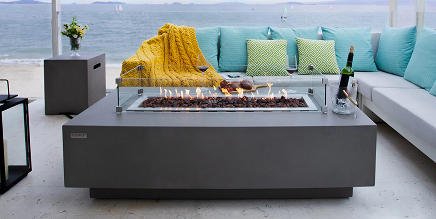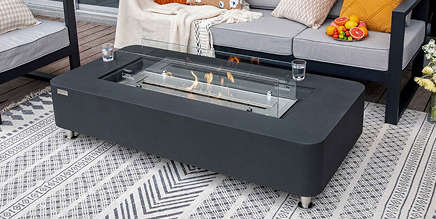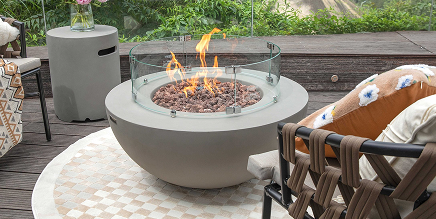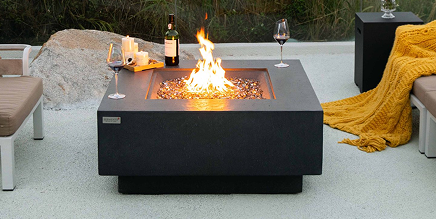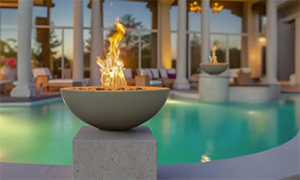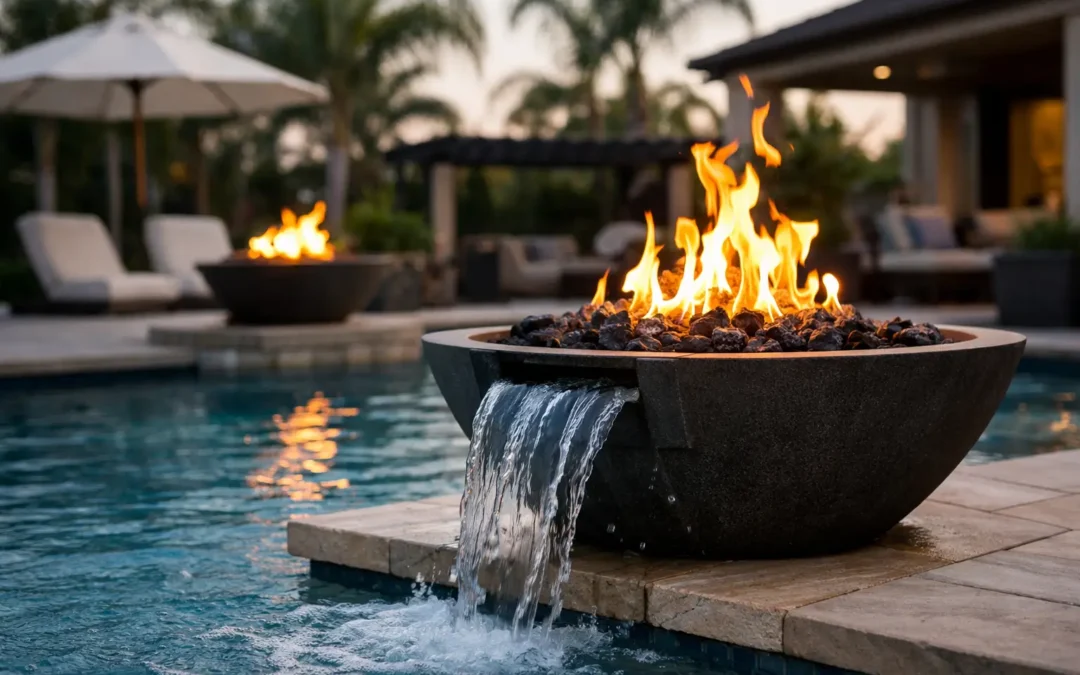
The flame line matters more than most people expect. Around a pool, fire is not just a source of warmth – it is a focal point that has to look right from every angle, hold up to weather, and perform consistently with the rest of the outdoor design. That is why homeowners, builders, and landscape professionals often narrow the conversation quickly to pool fire bowls propane setups. Propane gives you a controlled, reliable flame and more placement flexibility than many buyers realize, especially when the goal is a refined poolscape rather than a generic patio feature.
Why pool fire bowls propane systems are so popular
For many poolside applications, propane is chosen because it balances appearance, performance, and installation practicality. A properly configured propane fire bowl delivers instant ignition, predictable flame control, and a clean-burning fuel source that works well in residential outdoor environments.
The biggest advantage is flexibility. Natural gas can be an excellent long-term fuel option, but it depends on access to a gas line and the realities of trenching, routing, and site conditions. Propane can be the better fit when the layout is already established, when a client wants to avoid more invasive utility work, or when the fire bowls are being added during a renovation rather than built into the original pool plan.
That does not mean propane is automatically the right answer for every project. If a property already has a strong natural gas supply exactly where it is needed, natural gas may make more sense from a convenience and fuel-management standpoint. But for many custom backyards, propane opens up design opportunities that would otherwise be harder or more expensive to execute.
Design comes first, but fuel choice affects the result
A premium fire feature should look intentional, not added on at the end. With pool fire bowls propane installations, the fuel source affects how cleanly the feature integrates into the finished environment. Tank location, line routing, access for service, and the desired flame height all play a role in how polished the final project feels.
This is especially true in high-end pool design where the bowls may sit on columns, pilasters, or raised bond beams. The fire has to complement the architecture, not compete with it. Bowl shape, finish color, and burner style all influence the visual effect, but so does the consistency of the flame pattern. If the bowl is oversized for the burner or the gas setup is mismatched, the result can feel underwhelming even when the materials themselves are premium.
That is why serious buyers usually start with the look they want and then work backward into the correct technical configuration. A handcrafted bowl in a finish that coordinates with stone, tile, or stucco will always read differently than a mass-market unit that happens to throw a flame. In poolside design, details show.
Sizing propane fire bowls for pool environments
One of the most common mistakes is choosing based on diameter alone. A larger bowl can create a dramatic visual anchor, but it also changes fuel demand, burner requirements, and the scale of the flame presentation. Bigger is not always better if the surrounding hardscape is restrained or if the feature sits too close to seating, water, or architectural elements.
A smaller fire bowl can look more sophisticated when it is proportioned correctly to columns, pedestals, or the pool perimeter. On the other hand, a large formal pool with broad coping lines and expansive decking may need a stronger visual statement to avoid looking undersized.
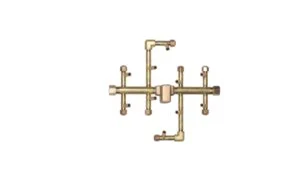
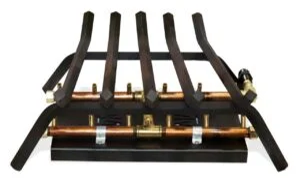
Burner size matters just as much as bowl size. The goal is not simply to fill the bowl with flame. It is to create a stable, attractive burn pattern that looks substantial without becoming unruly. In many cases, the right setup is the one that produces balance – enough flame to be seen across the water at night, but not so much that it overwhelms the architecture or creates unnecessary fuel consumption.
Materials matter around water and weather
Pool environments are demanding. Moisture, splash-out, chemical exposure, heat, sun, and seasonal weather all test outdoor materials over time. That is why premium construction is not a cosmetic upgrade. It is a practical requirement.
Aluminum and stainless steel are often preferred for well-built fire bowls because they offer long-term durability in outdoor conditions and support cleaner fabrication. The quality of the welds, the finish system, and the burner components all affect how the product ages. Around a pool, that matters. Cheap materials can show deterioration quickly, especially when exposed to chlorinated or saltwater environments.
A handcrafted fire bowl built with outdoor-specific materials will typically maintain its appearance and structural integrity far better than a decorative unit not designed for permanent installation. That is a major consideration for homeowners making a long-term investment and for trade professionals who do not want callbacks over preventable product failure.
Placement is not just a design decision
Where a fire bowl sits influences safety, usability, and overall impact. Poolside fire bowls are often placed symmetrically at spa walls, entry points, water features, or raised columns. Those locations can look exceptional, but they have to be planned with proper clearances and a clear understanding of surrounding materials.
Wind exposure is one factor that gets overlooked early and regretted later. A bowl in an exposed corridor may produce a less stable flame than expected, even with an otherwise strong setup. Nearby structures, landscaping, and elevation changes can all affect flame behavior.
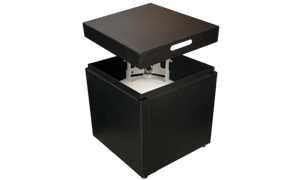
Access is another practical issue. Propane systems require a thoughtful approach to tank placement and serviceability. Concealing the fuel source is often part of the design challenge, but concealment should never come at the expense of safe access or routine maintenance. The best installations feel clean and integrated because these issues were solved before construction was finished, not after.
Ignition, controls, and the user experience
For a luxury outdoor space, convenience matters. Buyers usually want fire bowls that light reliably and operate without unnecessary complexity. The right ignition and control setup depends on the project, but the expectation is simple: when the system is turned on, it should perform consistently.
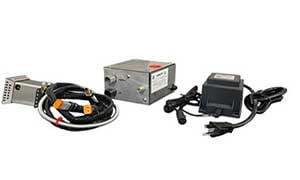
Electronic ignition can be a strong fit for many upscale applications because it supports a more refined user experience. Manual ignition may suit certain installations, but for clients investing in a polished backyard environment, convenience is often part of the value. If the pool, lighting, and outdoor audio are designed for easy use, the fire features should follow the same standard.
Controls should also match how the space will be used. A private backyard for occasional entertaining may have different priorities than a showpiece outdoor living area used weekly for hosting. The right answer depends on the owner, the site, and the broader system design.
Customization is where premium fire bowls separate themselves
In pool design, close enough rarely looks right. The finish of the bowl has to work with the coping, tile, stone veneer, decking tones, and overall architecture. That is why customization is such a meaningful advantage in this category.
Color matching and finish selection can make the difference between a fire feature that feels integrated and one that looks like a separate purchase. The same is true for shape and scale. A contemporary project may call for cleaner geometry and restrained finishes, while a more traditional backyard may benefit from softer forms and warmer tones.
This is one reason specialized manufacturers stand apart from broad outdoor decor brands. A premium fire bowl is not just a flame source. It is a built component of the outdoor design language. USA Fire Bowls, for example, focuses on handcrafted, made-in-USA fire features built specifically for these applications, which is exactly what many homeowners and trade professionals need when generic options fall short.
What buyers should confirm before ordering
Before selecting a propane fire bowl for a pool project, it is worth confirming a few essentials with care. The first is fuel planning – not just whether propane will be used, but how it will be stored, routed, and serviced over time. The second is compatibility between bowl size, burner performance, and intended flame presentation.
It is also smart to confirm installation conditions early. A fire bowl mounted on masonry or integrated into a raised structure has different requirements than a freestanding patio application. Venting, access, clearances, and ignition details should all be accounted for before the final product is specified.
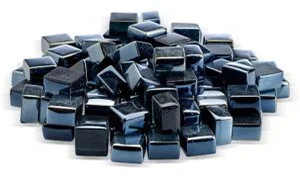
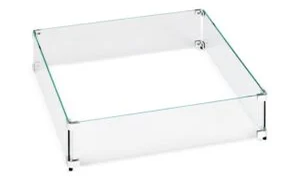
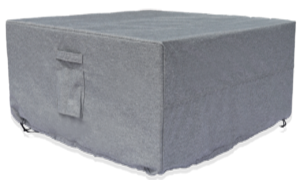
Finally, consider the full finished look. Accessories such as fire glass, burner covers, and protective covers can influence both appearance and longevity. These details may seem secondary at first, but in a premium outdoor setting they contribute to how complete the installation feels.
The best pool fire bowl projects do not happen by accident. They come from matching the right propane setup with the right materials, the right proportions, and a design that respects the surrounding space. When those pieces line up, the result feels permanent, polished, and worth gathering around long after the sun goes down.