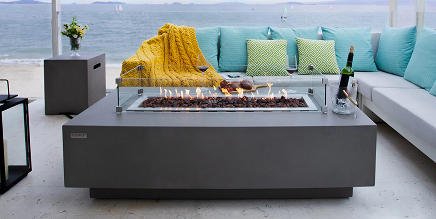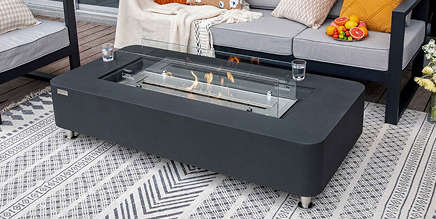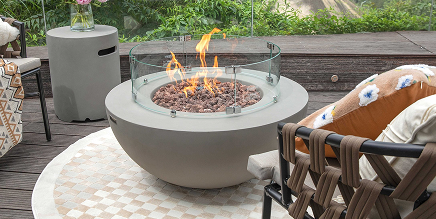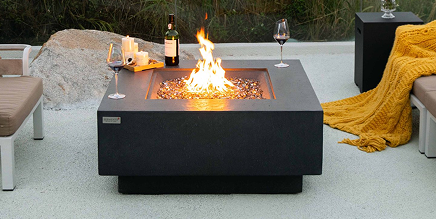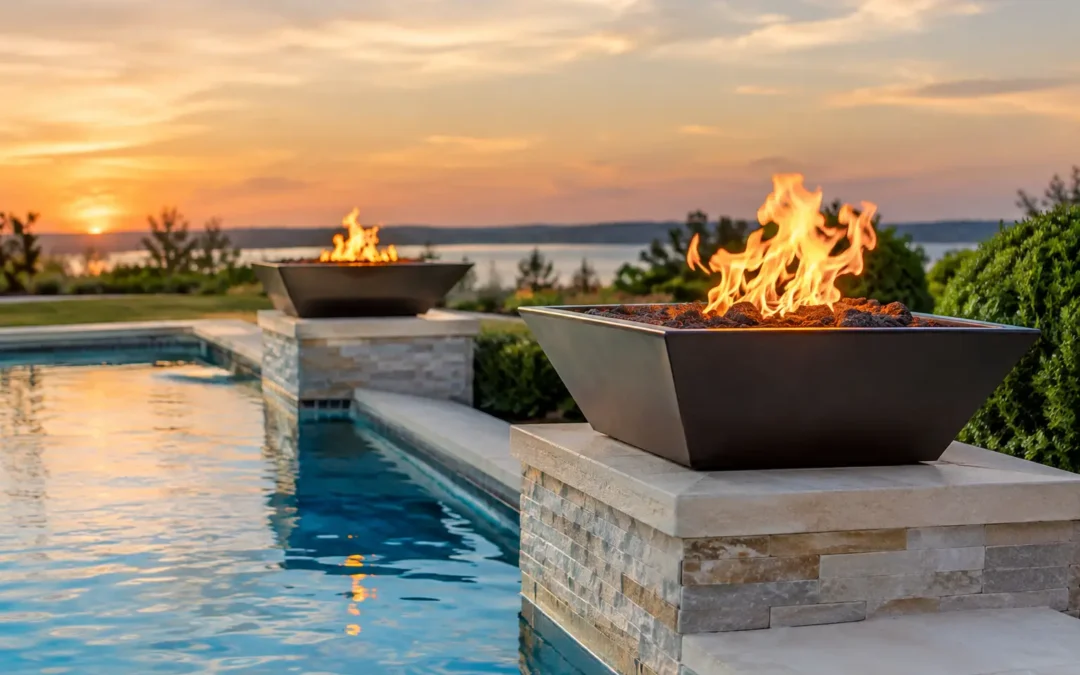
A turtle fire bowl does more than add flame to a patio or pool deck. Its sculptural form creates a deliberate focal point in a space where the hardscape, waterline tile, planting, and lighting all need to work together. This turtle fire bowls guide is designed for homeowners and trade professionals choosing a feature that feels tailored to the landscape rather than placed there as an afterthought.
The most successful installations balance visual character with the practical demands of an outdoor gas appliance. Bowl size, fuel type, finish, burner configuration, wind exposure, and service access all affect how the finished feature performs. A well-chosen turtle bowl can bring warmth and movement to a refined backyard while preserving the clean sightlines that make a pool environment feel composed.
Turtle Fire Bowls Guide: Begin With the View
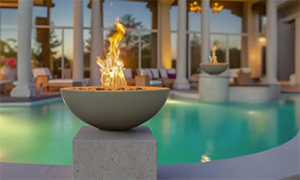
Before selecting a bowl, identify where it will be seen most often. A pair flanking a pool entry, raised spa, or water feature creates symmetry and a formal arrival moment. A single turtle fire bowl can be more effective in a smaller courtyard, on a garden plinth, or at the end of an axial view from the home.
Scale matters as much as style. A small bowl can disappear against a broad deck or tall retaining wall, while an oversized feature can crowd a compact pool surround. Consider the bowl from interior windows, lounge seating, the dining area, and the water itself. The strongest placement gives the feature room to read as sculpture in daylight and as a flame element after sunset.
Turtle-shaped fire bowls are especially suited to environments with organic material palettes. They can complement natural stone, tropical planting, waterline mosaics, and coastal or resort-inspired designs without making the setting feel overly themed. For a more contemporary result, use a restrained finish and repeat one or two colors already present in the architecture or landscape.
Choose a Bowl Built for the Outdoors
A decorative fire feature lives outside year-round, often near chlorinated or saltwater pools. Construction quality is not a secondary detail. The bowl must withstand heat, weather, moisture, and the normal movement that occurs in an exterior installation.
Powder-coated aluminum offers an excellent balance of durability and manageable weight for many premium fire bowl applications. It resists corrosion and provides a refined painted surface that can coordinate with surrounding finishes. Stainless-steel burner components are equally important because they face high heat and direct exposure to the elements.
Handcrafted construction also has design value. A well-made turtle bowl should have clean contours, stable proportions, and a finish that looks intentional from every angle. That attention becomes noticeable when the feature is installed at eye level along a pool edge or seating area. USA Fire Bowls builds handcrafted, made-in-USA fire features for projects where appearance and long-term performance carry equal weight.
Finish selection should be practical as well as visual. Darker colors can create strong contrast against pale travertine or light concrete, while warm bronze and earth tones often blend with natural stone. Custom color matching may be worth considering when a bowl needs to align precisely with tile, metal accents, cabinetry, or a distinctive exterior paint color. A near match can look accidental. A purposeful match or a purposeful contrast looks designed.
Select the Right Fuel and Flame Configuration
Natural gas is often the preferred choice for a permanent poolside installation because it provides a continuous fuel source and eliminates the need to replace tanks. It does require properly sized gas piping and professional installation. Propane can be a practical option where natural gas is unavailable or where the project calls for a more flexible layout, but tank location, concealment, access, and capacity need to be planned early.
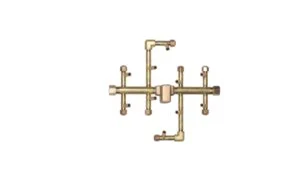
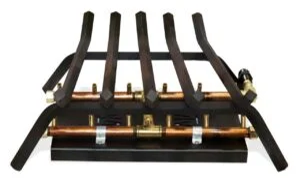
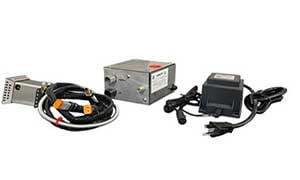
The burner must be configured for the selected fuel. Natural gas and propane systems are not interchangeable without the correct components and setup. The ignition method also deserves attention. Depending on the application, a manual match-lit system may suit a straightforward outdoor installation, while an electronic ignition system can support convenient control and automatic safety functions. The right choice depends on the project, local requirements, desired controls, and how the feature will be used.
Flame height should feel proportional to the bowl and its surroundings. A flame that is too low can lose impact from across the pool. One that is too aggressive may be affected by wind, create glare, or feel uncomfortable near seating. Burners, media, and gas pressure must work together to produce a consistent flame pattern rather than isolated bursts of fire.
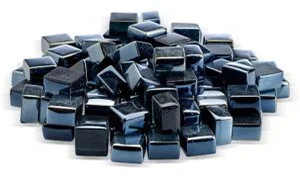
Fire glass is a popular finishing medium because it reflects light and gives the burner bed a polished appearance. Its color can echo pool tile or add contrast against the bowl finish. Lava rock offers a more natural texture and can be used as a base layer where appropriate. Follow the fire bowl manufacturer’s recommendations on media type and depth, since overfilling a burner pan can interfere with flame performance and drainage.
Plan for Water, Wind, and Service Access
Pool environments present challenges that should be resolved before installation begins. Splashing water, prevailing wind, irrigation overspray, and drainage paths all influence where a fire bowl belongs. Avoid placing a feature where it will receive constant direct spray from a spa spillway, deck jets, or landscape irrigation. Water can affect ignition components, media, and the appearance of the finish over time.
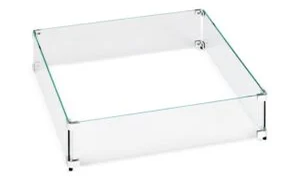
Wind deserves the same level of consideration. A bowl positioned in an exposed corner may experience uneven flames or repeated flame-outs. Nearby walls, planters, and landscape elements can offer protection, but they should not compromise required clearances or trap heat. A flame guard can be useful in appropriate applications, particularly where wind is common or the fire feature sits close to entertaining areas.
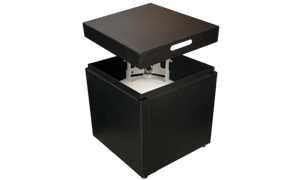
Every permanent bowl also needs a path for maintenance. Gas valves, control components, ignition equipment, and any propane connections must remain accessible for inspection and service. This is easy to overlook when a feature is incorporated into a masonry pedestal or pool wall. A concealed access panel that is large enough to be genuinely useful is better than an elegant finish that requires demolition for a routine repair.
Coordinate Installation With the Build Team
Turtle fire bowls are best planned alongside the pool, hardscape, and electrical scope instead of added after the project is nearly complete. Pool builders, landscape designers, plumbers, electricians, and masonry crews may all have a role in the installation. Early coordination keeps gas lines, conduits, structural supports, and finished elevations from competing with one another.
Confirm that the supporting surface can safely carry the bowl, burner assembly, media, and any pedestal or water-feature structure. The finished bowl should sit level so the media bed and flame appear even. If the bowl is integrated with a water element, separate the water path from gas and ignition components according to the product requirements and installation plan.
Local codes and the manufacturer’s installation instructions should guide clearances, piping, shutoff locations, venting requirements for enclosed bases, and electrical work. A licensed professional should complete gas and electrical connections. This protects the investment, supports safe operation, and helps avoid the costly redesigns that happen when fire features are treated as simple décor.
Protect the Finish Between Gatherings
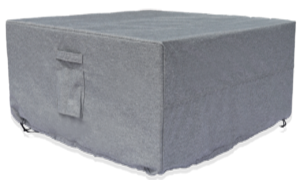
Premium fire bowls benefit from regular, uncomplicated care. Remove leaves and debris from the burner area, check that drainage openings remain clear, and inspect the media periodically. If the feature will not be used for an extended period, a properly fitted protective cover can help keep out moisture, dust, and organic debris.
Do not use abrasive cleaners or tools that could damage a powder-coated surface. For normal exterior buildup, gentle cleaning with materials appropriate for the finish is usually the better approach. If the property is near the coast or the bowl is exposed to heavy pool splash, more frequent rinsing and inspection may be sensible.
A turtle fire bowl earns its place when it is specified as part of the architecture of the backyard: scaled to the view, built from durable materials, and installed with the same care as the pool and patio around it. Give the feature that level of attention early, and it can make the entire outdoor setting feel more intentional every evening it is lit.