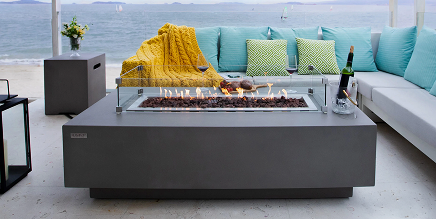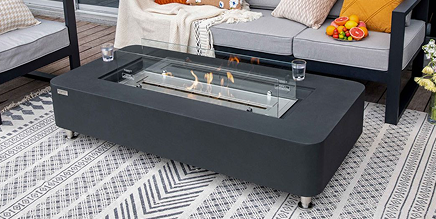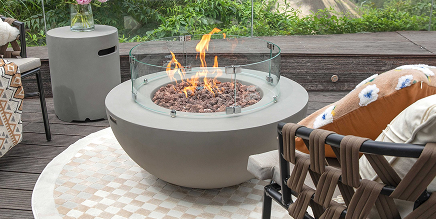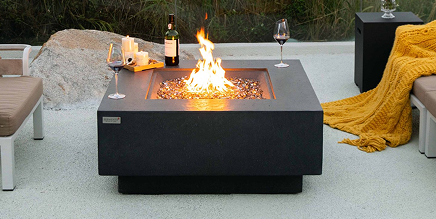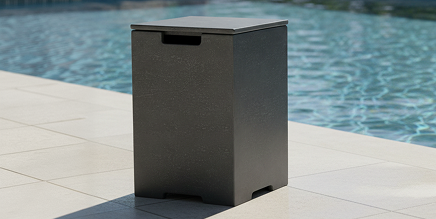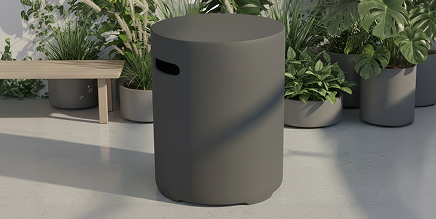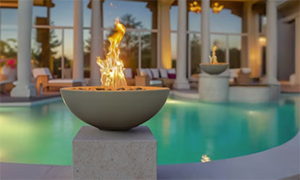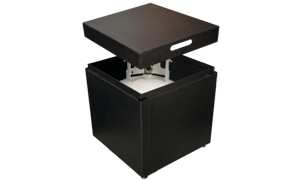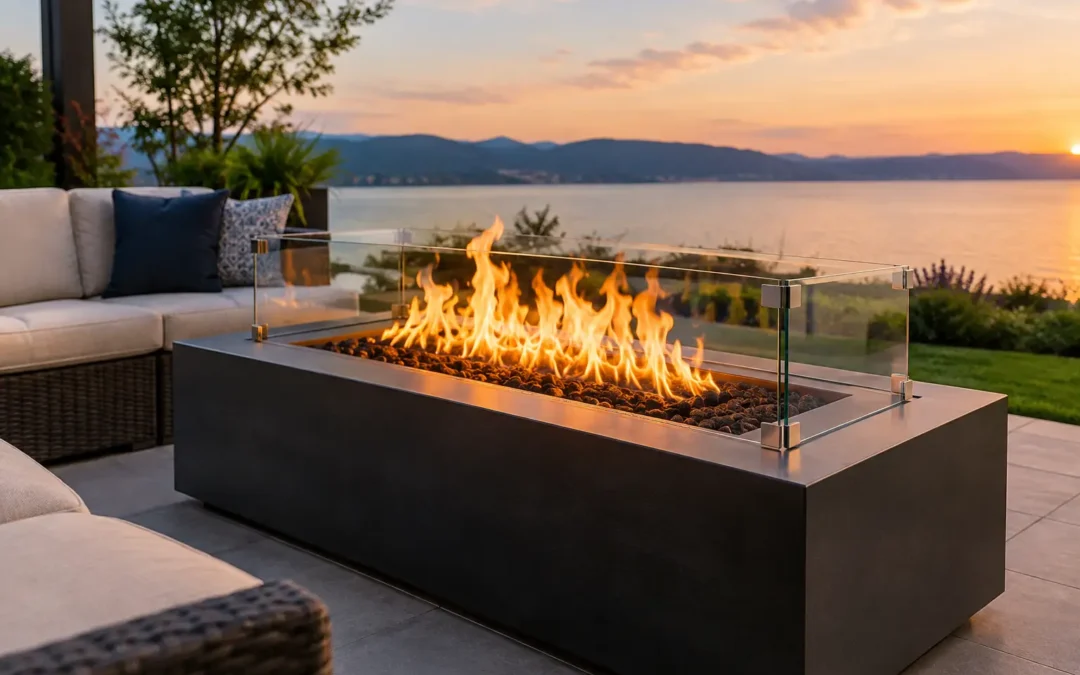
A fire bowl should draw attention to the pool, patio, or outdoor kitchen – not struggle for a flame every time the afternoon wind arrives. This fire bowl wind protection guide helps homeowners and trade professionals make design and installation decisions that support a steadier, more refined fire presentation without compromising the clean architectural look of the feature.
Wind protection is not one accessory or one measurement. It is the combined effect of bowl placement, burner design, media selection, and properly sized glass protection. Address those elements early, particularly on elevated lots, coastal properties, and open pool decks, and the finished fire feature will perform more consistently through the seasons.
Start With the Site, Not the Accessory
The best wind solution begins before the bowl is selected. A patio may feel sheltered at seating height but become surprisingly exposed at the elevation of a fire bowl, especially when a feature sits on a raised wall, pool pedestal, or outdoor kitchen counter. Wind can also be redirected by the home, privacy walls, rooflines, and large planters. Those conditions often create gusts that are more disruptive than a steady breeze.
Walk the site at the times when the space will actually be used. Note prevailing wind direction, but also pay attention to corners where wind accelerates and open sightlines across a pool. A bowl positioned near an open edge can become a visual focal point and a performance challenge at the same time.
When layout flexibility exists, set the fire feature back from the most exposed perimeter and use the architecture to its advantage. A low masonry wall, planting zone, or seating arrangement can provide a degree of shelter without enclosing the flame or obstructing views. The goal is not to box in the fire bowl. It is to reduce direct crosswinds while preserving safe clearances, ventilation, and the intended visual impact.
Choose a Flame Guard That Fits the Bowl and Burner
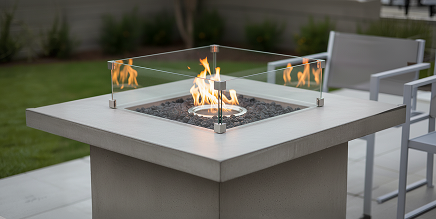
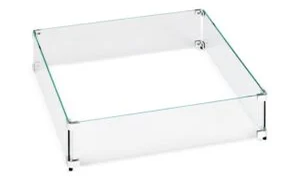
A flame guard is often the most visible component of a wind-protection strategy. Made from tempered glass panels secured with brackets, it creates a protected zone around the burner while keeping the flame visible from every side. On a premium fire bowl, the right guard should feel integrated with the geometry of the piece rather than like an afterthought.
For square and rectangular fire features, a guard should closely follow the burner opening and leave adequate room between the glass and the bowl edge. An oversized guard can look visually heavy and consume valuable ledge space. A guard that is too small may offer limited protection and can appear underscaled against a broad bowl opening.
Height matters as well. Taller glass can offer more relief from crosswinds, but it also changes the proportion of the fire feature and may affect sightlines from lounge chairs, dining areas, or inside the home. Lower guards preserve an open, low-profile appearance but provide less protection in highly exposed conditions. There is no universal best height – the right choice depends on the bowl size, installation elevation, local wind exposure, and how the space is viewed.
A flame guard can help maintain a more stable flame and keep lightweight fire media from being disturbed. It cannot make an outdoor fire feature suitable for operation during high winds. If conditions cause an erratic flame, lift the fire media, or create a safety concern, turn the burner off and follow the manufacturer’s operating guidance.
Tempered Glass and Proper Fit Are Non-Negotiable
Use a guard designed specifically for outdoor fire applications and sized for the burner system. Tempered glass is built to handle the temperature changes associated with a fire feature, while purpose-designed brackets maintain the correct spacing and support. Improvised glass panels, decorative screens, and makeshift enclosures are not appropriate substitutes.
For custom installations, coordinate the guard dimensions with the fire bowl manufacturer, burner supplier, and fabricator before finalizing stone caps or coping. This is especially valuable when a bowl is recessed into a wall or finished with tile, where a late change can disrupt the clean lines of the installation.
Burner Design Has a Major Effect on Flame Stability
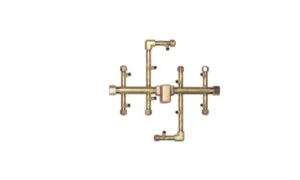
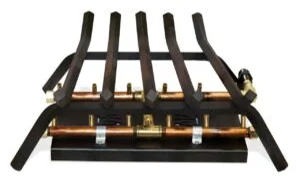
A wind guard protects the flame from the outside. Burner design determines how consistently the flame is delivered from within. The burner should be correctly sized for the opening, rated for the selected fuel type, and installed according to its specifications. An undersized burner can look weak in a large bowl, while an oversized burner may create an unnecessarily aggressive flame that is more vulnerable to gusts.
Burner shape also affects the overall presentation. A square or rectangular burner generally complements the straight lines of a matching bowl and creates a deliberate, even flame pattern. Round burners suit circular designs, but the same principle applies: the burner should be proportioned to the opening and surrounded by sufficient media to create a finished appearance.
Do not assume that a higher BTU rating automatically solves a wind problem. More output may produce a larger flame, but it does not correct poor placement, inadequate gas supply, or an exposed installation. It can also increase heat around nearby finishes and alter the scale of the feature. A qualified installer should verify gas line capacity, fuel compatibility, ignition system requirements, and applicable code requirements before the feature is put into service.
Use Fire Media That Supports the Design
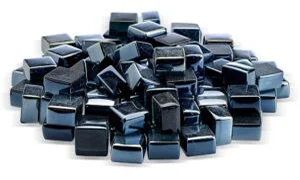
Fire glass does more than add color and texture. It conceals the burner, reflects light, and helps create the full, layered look associated with a finished luxury fire feature. In windy locations, media choice and depth deserve attention.
Very lightweight media can shift more easily in a breeze, particularly when the flame guard is absent or the burner opening is broad. Heavier, properly installed fire glass tends to remain more settled, although no media should be expected to stay perfectly still in strong gusts. Follow the burner manufacturer’s recommendations for media type and depth. Excessive media can interfere with burner ports and ignition performance, while insufficient media can leave hardware exposed and make the flame appear sparse.
Color selection has a practical design dimension, too. Clear or reflective fire glass can amplify the glow and add a polished, jewel-like effect around a pool. Darker colors can create a quieter, more architectural contrast against pale coping or contemporary concrete. In either case, the glass should complement the bowl finish, surrounding stone, and the flame guard’s clean transparency.
Design the Surroundings for Wind and Heat
A fire bowl rarely stands alone. It shares the patio with furnishings, landscaping, pool equipment, walls, and circulation paths. Those nearby elements should be planned for both aesthetics and safe operation.
Keep combustible furnishings, umbrellas, drapery, and overhanging vegetation clear of the flame area according to manufacturer requirements and local regulations. Avoid placing the feature beneath low structures or in a tightly covered enclosure unless the product is specifically approved for that condition. A fire bowl needs open-air operation and clear space above the flame.
For poolside installations, think through splash patterns and guest movement. The feature should feel intentional from a chaise lounge, from the water, and from the main entertaining area. A carefully placed bowl can help define the edge of a pool deck or frame a view, while a poorly positioned one may face direct wind and force guests to walk too close to the flame.
Plantings can be useful as soft wind moderation, but they should not become a heat or maintenance issue. Low, noncombustible site walls and thoughtfully placed landscape elements often provide a more dependable long-term solution than relying on fast-growing vegetation near a fire feature.
Installation Details That Protect Long-Term Performance
The wind solution is only as sound as the installation behind it. A level, properly supported bowl protects both appearance and burner function. Pool builders and landscape contractors should ensure that the mounting surface can carry the feature’s weight, including fire media and any water exposure common to the site.
Gas components, ignition systems, and electrical connections require careful coordination before finishes are completed. Access for service should be considered from the start. A beautiful tiled pedestal is far less practical if routine maintenance requires removing finished materials or dismantling the fire feature.
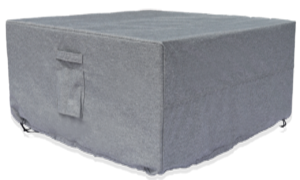
Protective covers are also worthwhile when the bowl is not in use. A well-fitted cover helps keep leaves, dust, and water out of the burner area and protects the bowl finish between gatherings. It is not wind protection during operation, but it supports the condition and visual quality of the feature over time.
When to Reassess a Wind-Exposed Fire Bowl
If a fire bowl has an uneven flame, frequent ignition interruptions, visibly shifting media, or repeated pilot issues, do not treat the symptoms as merely cosmetic. Turn off the system when conditions are unsafe, then have the installation evaluated. The cause may be wind exposure, but it could also involve burner cleanliness, gas pressure, media depth, or a component that is not suited to the application.
For a new project, a premium, handcrafted bowl paired with a correctly scaled flame guard and professionally coordinated burner system gives the design team more control over both performance and appearance. USA Fire Bowls can be specified in finishes that complement stone, tile, and pool materials, allowing wind-conscious planning to remain fully aligned with the visual standard of the space.
A well-protected fire bowl does not need to overpower the patio to be memorable. When the flame is steady, the glass is proportioned, and the placement feels natural, the feature becomes exactly what it should be: a composed point of warmth that makes the outdoor space more inviting after sunset.